• KGS/USD = 0.01144 0%
  • KZT/USD = 0.00196 -0%
  • TJS/USD = 0.10899 -0%
  • UZS/USD = 0.00008 -0%
  • TMT/USD = 0.28490 0%
  • KGS/USD = 0.01144 0%
  • KZT/USD = 0.00196 -0%
  • TJS/USD = 0.10899 -0%
  • UZS/USD = 0.00008 -0%
  • TMT/USD = 0.28490 0%
  • KGS/USD = 0.01144 0%
  • KZT/USD = 0.00196 -0%
  • TJS/USD = 0.10899 -0%
  • UZS/USD = 0.00008 -0%
  • TMT/USD = 0.28490 0%
  • KGS/USD = 0.01144 0%
  • KZT/USD = 0.00196 -0%
  • TJS/USD = 0.10899 -0%
  • UZS/USD = 0.00008 -0%
  • TMT/USD = 0.28490 0%
  • KGS/USD = 0.01144 0%
  • KZT/USD = 0.00196 -0%
  • TJS/USD = 0.10899 -0%
  • UZS/USD = 0.00008 -0%
  • TMT/USD = 0.28490 0%
  • KGS/USD = 0.01144 0%
  • KZT/USD = 0.00196 -0%
  • TJS/USD = 0.10899 -0%
  • UZS/USD = 0.00008 -0%
  • TMT/USD = 0.28490 0%
  • KGS/USD = 0.01144 0%
  • KZT/USD = 0.00196 -0%
  • TJS/USD = 0.10899 -0%
  • UZS/USD = 0.00008 -0%
  • TMT/USD = 0.28490 0%
  • KGS/USD = 0.01144 0%
  • KZT/USD = 0.00196 -0%
  • TJS/USD = 0.10899 -0%
  • UZS/USD = 0.00008 -0%
  • TMT/USD = 0.28490 0%
08 December 2025

Kazakhstan’s Tax Cut on Old Vehicles Sparks Debate

Kazakhstan will implement an updated Tax Code beginning January 1, 2026, following its signing on July 18. Among the most debated changes is the revision of the transport tax for vehicles over 10 years old.

Under the new code, owners of cars aged 11 to 20 years will receive a 30% tax discount, while those with vehicles older than 21 years will benefit from a 50% reduction. The decision stands in contrast to recent trends of increasing the overall tax burden. Yet experts warn that behind the populist optics lie significant environmental and road safety risks.

A Political Gesture Ahead of Elections?

Tax consultant Aidar Masatbaev views the reform as more political than economic in nature.

“People complained that the tax on old cars was too high. Apparently, the advocates of a softer tax policy prevailed,” he said in an interview with inbusiness.kz.

Masatbaev added that the measure is unlikely to meaningfully reduce the cost of car ownership. Instead, factors like rising fuel prices and declining real incomes play a more critical role. “The problem is that most people cannot afford to buy a new car,” he noted.

Technical and Environmental Risks

According to official statistics, more than 80% of Kazakhstan’s vehicle fleet comprises cars over 10 years old. Of these, over 2.2 million vehicles are more than 20 years old. These aging cars not only lag in efficiency but also pose serious safety risks.

“Old cars are becoming a source of increased danger. Their consumables are more expensive, and the desire to save on repairs leads to risks on the roads,” Masatbaev warned.

He cautioned that offering tax incentives could further entrench the use of obsolete, potentially unsafe vehicles.

Additionally, the secondary car market lacks transparency. Many transactions go unregistered, reducing the effectiveness of fiscal measures and minimizing the impact of tax relief on state revenues.

Masatbaev also questioned proposals to increase taxes on old vehicles, arguing that such moves would only heighten public dissatisfaction and strain the tax system. He recommended automating debt collection to improve efficiency, but acknowledged this could erode public trust in the tax authority.

Kazakhstan’s Aging Car Fleet, by the Numbers

According to Ranking.kz, in May 2025, Kazakhstan had 5.34 million registered passenger vehicles, an 11.4% increase from the previous year. Two-thirds, approximately 3.54 million cars, were more than 10 years old.

While the share of aging vehicles has slightly declined (from 70.3% in April 2023 to 68.3% in April 2024), the number of cars aged 10-20 years rose 12.4% to 1.27 million. Vehicles over 20 years old now number 2.27 million, a 5.7% increase.

The highest concentrations of old cars are found in the Almaty region (449,600), Almaty city (355,200), Karaganda (237,300), Zhambyl (236,200), Turkestan (235,000), and East Kazakhstan (220,100). Zhambyl holds the highest percentage of cars over 10 years old at 83%, followed by Zhetysu (79.3%) and Almaty (78.4%).

While tax breaks may offer temporary relief to car owners, analysts argue that without a comprehensive strategy for renewing the vehicle fleet, promoting new car purchases, and scrapping outdated ones, the reform remains tactical rather than strategic. As one analysis put it, “such steps resemble an attempt to extinguish a fire without eliminating its source.”

Outdated Infrastructure Threatens Central Asia’s Energy Security

Central Asia’s natural gas sector is facing mounting pressure as population growth and rising consumption outpace production, SpecialEurasia reports. The region’s population now exceeds 70 million, with annual growth rates surpassing 2% in many republics.

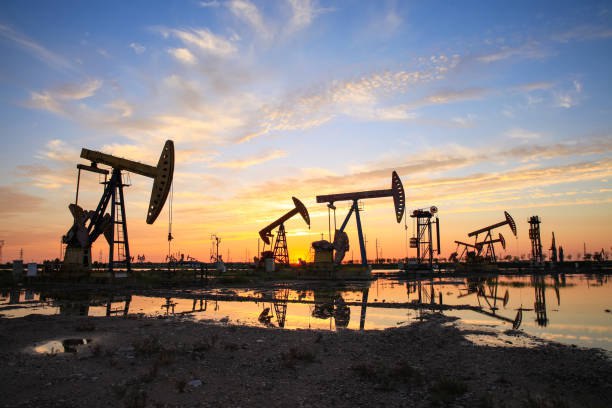
Kazakhstan, Uzbekistan, and Turkmenistan together account for more than 95% of Central Asia’s gas reserves. Combined, they hold approximately 3.5 trillion cubic meters (tcm) of proven reserves. Turkmenistan alone possesses an estimated 17 tcm, giving it the world’s fourth-largest proven gas reserves outside the Middle East and Russia. Despite these substantial reserves, aging infrastructure and insufficient investment continue to hamper production capacity.

Kazakhstan produces around 59 billion cubic meters (bcm) of gas annually, Uzbekistan 45 bcm, and Turkmenistan 81 bcm. However, surging domestic demand has outstripped supply, compelling Kazakhstan and Uzbekistan to import gas from Russia, a dependency that dates back to the 1990s but is becoming increasingly fraught amid current geopolitical tensions.

Much of the region’s pipeline infrastructure remains from the Soviet era and lacks the capacity to meet contemporary needs, according to SpecialEurasia. Turkmenistan remains heavily reliant on a single pipeline route to Russia, while Kazakhstan and Uzbekistan depend on Russian energy giants Gazprom and Rosneft for imports and infrastructure maintenance. Efforts to diversify export routes beyond Russia have encountered difficulties due to limited infrastructure and geopolitical uncertainty.

China has emerged as a dominant player in the region, funding pipeline and transportation projects through the Belt and Road Initiative. These investments have enhanced connectivity with Chinese markets but have also increased Central Asia’s economic dependence on Beijing. Meanwhile, the European Union has advocated for green energy and digitization, though its financial commitments remain modest compared to those of Russia and China.

Iran is positioning itself as a potential transit corridor, offering Central Asia access to seaports. However, international sanctions and persistent geopolitical tensions continue to limit broader cooperation.

Russia’s invasion of Ukraine has further strained Moscow’s regional relationships, diminishing its capacity to provide the kind of support it once did. Central Asian governments now face the challenge of maintaining a strategic balance among Russia, China, and Western powers to ensure both economic resilience and political autonomy.

SpecialEurasia concludes that without substantial investment in infrastructure, greater economic diversification, and a more balanced approach to foreign partnerships, Central Asia will remain vulnerable despite its abundant natural gas resources.

Transboundary Water Inflows Boost Lake Balkhash Levels

Kazakhstan received 10.2 billion cubic meters of water from China in the first half of 2025 through transboundary rivers, the country’s Ministry of Water Resources and Irrigation announced. Of this total, 4.6 billion cubic meters were supplied via the Irtysh River and 5.6 billion cubic meters via the Ili River.

The increased inflow from the Ili River has enabled the Kapchagay Reservoir in the Almaty region to reach full capacity for the second consecutive year. This marks a significant improvement, as 2024 was the first time in a decade the reservoir had filled completely. As a result, 8.52 billion cubic meters of water have been directed downstream to Lake Balkhash since the beginning of 2025.

Located approximately 280 kilometers northwest of Almaty, Lake Balkhash is one of Asia’s largest inland lakes and ranks fifteenth globally by surface area. Due to improved water flows, the lake’s water level has risen by an average of 32 centimeters since January.

The Ili River alone contributes nearly 70% of Lake Balkhash’s inflow, underscoring its critical importance to the lake’s ecological balance and water levels.

Nagima Azhigulova, head of the Department of Water Cooperation with China and Russia at the Ministry, stressed the growing significance of bilateral water management efforts. “In March of this year, Kazakhstan and China signed a Memorandum of Understanding on water cooperation for the first time,” she said. “The agreement focuses on the rational and sustainable use of water resources, the adoption of modern technologies, alternative water sourcing, experience-sharing, and joint training of specialists.”

Three major rivers that flow through Kazakhstan, the Irtysh, Ili, and Emel, originate in China, highlighting the strategic importance of cross-border water diplomacy.

A recent report by the Eurasian Development Bank (EDB), titled The Irtysh River Basin: Transboundary Challenges and Practical Solutions, offers an in-depth analysis of the Irtysh River’s role in regional water security.

At 4,248 kilometers, the Irtysh is the world’s longest transboundary tributary and, along with the Ob River, forms the longest river system in Russia. Flowing from China through Kazakhstan and into Russia, the Irtysh plays a vital role for all three countries and requires close trilateral coordination to ensure the sustainable management of its resources.

Tajik Government Seeks New Destinations for Labor Migrants

Tajikistan is intensifying international cooperation in the field of labor migration. According to the Ministry of Labor, Migration, and Employment, the country signed dozens of agreements in the first half of 2025 aimed at simplifying and legalizing the overseas employment of its citizens. However, actual employment figures continue to lag behind the government’s ambitious declarations.

Expanding Employment Opportunities

At a mid-year press conference, the ministry reported that Tajikistan currently holds 37 international agreements with 15 countries, 13 of which specifically address labor migration and are under implementation.

Key partners include Russia, Kazakhstan, Belarus, the UAE, Qatar, Kuwait, South Korea, and Japan. Negotiations are also underway on nine new agreements with countries such as Georgia, Poland, Serbia, Saudi Arabia, and Croatia.

Official data show that 9,478 Tajik citizens found employment through 29 licensed organizations in the first half of 2025. Of those, 5,648 were assisted by the State Employment Agency. Despite appearing significant, these numbers represent only a fraction of the working-age population seeking jobs abroad.

South Korea, for example, allocated 800 worker quotas for Tajikistan in 2025. Yet only 26 of 35 citizens trained under the Employment Permit System (EPS) passed the required exam. A new group is now in training for the next selection phase.

Japan also ranks as a priority destination, but the volume remains low. Of 68 registered candidates, four have begun working, and eight have passed interviews, underscoring Japan’s high entry standards and limited intake.

Key Partners: Russia and Saudi Arabia

Russia remains Tajikistan’s principal labor migration partner. From January 28 to 31, officials from both countries held “substantive talks” in Moscow, addressing the training of specialists, new employment channels, and joint initiatives.

More than 80 Russian companies have reportedly expressed interest in hiring Tajik workers, a figure that the ministry says reflects rising demand for labor from Tajikistan.

Saudi Arabia is emerging as a new strategic partner. During a visit by a Tajik delegation, officials held talks with the Saudi Minister of Human Resources and with executives from Arco, a major HR outsourcing firm in the Middle East.

Ambitious Goals, Limited Impact

While the Ministry of Labor and Migration continues efforts to expand cooperation, protect migrants’ rights, and promote safe, legal employment abroad, progress remains uneven. Despite active diplomacy, the scale of organized labor migration is still limited.

The real measure of success will be the implementation of these agreements, not their number. With millions of Tajik citizens still seeking employment overseas, building effective systems and improving workforce skills will require sustained effort, time, and investment.

Kazakhstan and Turkey to Jointly Develop Trans-Caspian Transport Route

Kazakhstan’s national railway operator, Kazakhstan Temir Zholy (KTZ), and Turkey’s TCDD Taşimacilik A.Ş. have signed a cooperation agreement to enhance railway freight transportation along the Trans-Caspian International Transport Route (TITR), also known as the Middle Corridor.

Bypassing Russia, the TITR links China and Europe via Central Asia and the Caspian Sea. Freight volumes along the corridor surged by 60% in 2024, reaching 4.5 million tons. Projections suggest that figure could surpass 10 million tons by 2030.

According to KTZ, the agreement outlines several joint initiatives aimed at improving the route’s efficiency and competitiveness. Key measures include:

  • Launching regular rail services between Kazakhstan and Turkey;
  • Increasing freight volumes on the Baku-Tbilisi-Kars railway line;
  • Expanding two-way cargo flows between China and Europe/Africa;
  • Streamlining transit procedures and logistics coordination;
  • Simplifying customs and administrative processes to speed up cross-border cargo movement.

The partnership will also focus on implementing digital solutions such as paperless documentation and real-time tracking of containers and rolling stock.

These initiatives are expected to enhance Kazakhstan’s transit and logistics capacity and reinforce its strategic role in global supply chains.

The agreement was signed during President Kassym-Jomart Tokayev’s official visit to Turkey. During the visit, Tokayev reiterated Kazakhstan’s commitment to developing the Trans-Caspian route and highlighted interest in attracting Turkish investment in key infrastructure sectors, including railways, dry ports, cargo terminals, and shipbuilding.

As part of the visit, KTZ also held talks with Mersin International Port, part of the PSA International Group, on expanding cooperation to develop the Middle Corridor and establish more efficient multimodal logistics links between Asia and Europe.

KTZ Chairman Talgat Aldybergenov affirmed both sides’ commitment to ensuring stable freight volumes and underscored Mersin’s role as a strategic transshipment hub for the Middle Corridor.

To further strengthen the logistics chain, Kazakhstan proposed leveraging the potential of KPMC, a joint venture between KTZ and PSA International, which is already involved in developing multimodal services along the Xi’an-Istanbul route.

Kyrgyzstan Restores Irrigation System Amid Growing Water Demand

In the dry and hot year of 2025, Kyrgyz farmers received one billion cubic meters more water than in 2024, according to the Ministry of Water Resources, Agriculture, and Processing Industry.

Despite the challenging weather conditions, 7 billion cubic meters of water were delivered during the growing season, enabling the irrigation of over 1.1 million hectares of agricultural land. Chronic water shortages during the irrigation season have long plagued Kyrgyzstan’s agriculture, frequently sparking disputes in rural areas.

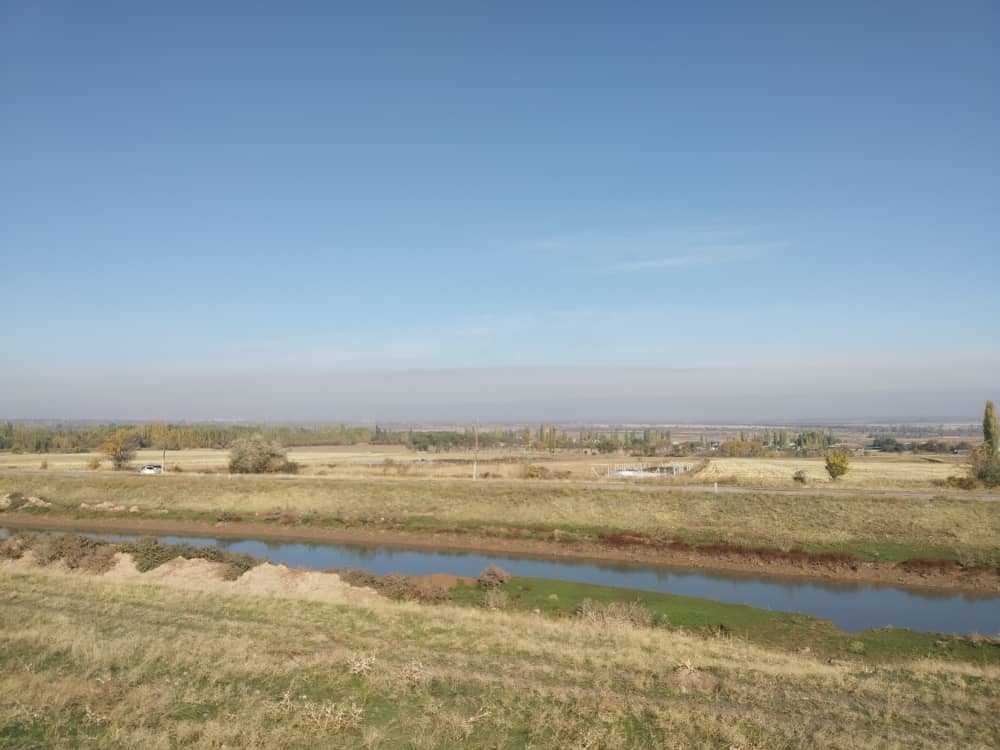
The primary cause is the aging irrigation infrastructure, much of it dating back to the Soviet era. Many canals are clogged or damaged, leading to significant water losses. In 2025, the ministry reported that 429.5 kilometers of canals were repaired and cleaned, alongside the restoration of 302 hydraulic structures, 123 water gauges, 91 pumping stations, and 156 pumping units. Nine units were fully replaced, and 53.5 kilometers of collector and drainage systems were cleaned.

To modernize the network, the government plans to construct 106 daily and ten-day water regulation basins by 2030. These facilities are intended to improve water storage and distribution across farms. Ten basins have already been commissioned this year, with 12 more under construction.

Officials are also combining modern and traditional solutions to address irrigation challenges. Sprinkler systems, popular in the 1980s, are being revived due to their efficiency, they require 500 to 1,000 cubic meters of water per hectare, compared to two to three times more with the traditional ary system. However, most farmers continue to rely on the ary method due to the high cost of sprinkler and drip irrigation equipment.

According to the ministry, drip and sprinkler systems are now in use on 8,365 hectares: 1,702 hectares on state-owned land and 6,663 hectares on private farms.

Restoration of old wells and construction of new canals also continue. This year, work began on a plant to manufacture concrete linings for irrigation canals, with a target of producing 500,000 square meters of concrete canal linings in 2025.