• KGS/USD = 0.01144 0%
  • KZT/USD = 0.00196 -0%
  • TJS/USD = 0.10899 -0%
  • UZS/USD = 0.00008 -0%
  • TMT/USD = 0.28490 0%
  • KGS/USD = 0.01144 0%
  • KZT/USD = 0.00196 -0%
  • TJS/USD = 0.10899 -0%
  • UZS/USD = 0.00008 -0%
  • TMT/USD = 0.28490 0%
  • KGS/USD = 0.01144 0%
  • KZT/USD = 0.00196 -0%
  • TJS/USD = 0.10899 -0%
  • UZS/USD = 0.00008 -0%
  • TMT/USD = 0.28490 0%
  • KGS/USD = 0.01144 0%
  • KZT/USD = 0.00196 -0%
  • TJS/USD = 0.10899 -0%
  • UZS/USD = 0.00008 -0%
  • TMT/USD = 0.28490 0%
  • KGS/USD = 0.01144 0%
  • KZT/USD = 0.00196 -0%
  • TJS/USD = 0.10899 -0%
  • UZS/USD = 0.00008 -0%
  • TMT/USD = 0.28490 0%
  • KGS/USD = 0.01144 0%
  • KZT/USD = 0.00196 -0%
  • TJS/USD = 0.10899 -0%
  • UZS/USD = 0.00008 -0%
  • TMT/USD = 0.28490 0%
  • KGS/USD = 0.01144 0%
  • KZT/USD = 0.00196 -0%
  • TJS/USD = 0.10899 -0%
  • UZS/USD = 0.00008 -0%
  • TMT/USD = 0.28490 0%
  • KGS/USD = 0.01144 0%
  • KZT/USD = 0.00196 -0%
  • TJS/USD = 0.10899 -0%
  • UZS/USD = 0.00008 -0%
  • TMT/USD = 0.28490 0%
08 December 2025

Kyrgyzstan Offers International Audits of State Firms Amid Russia Sanctions Scrutiny

Kyrgyzstan has expressed its readiness to subject state-owned enterprises to international audits amid rising Western scrutiny over potential sanctions circumvention. The statement was made during a meeting in London between First Deputy Chairman of the Cabinet of Ministers Daniyar Amangeldiev and David Reed, Director of Sanctions at the UK Foreign, Commonwealth & Development Office.

The two officials discussed Kyrgyzstan’s compliance with international sanctions regimes and the need to prevent any circumvention of restrictions, particularly those related to Russia.

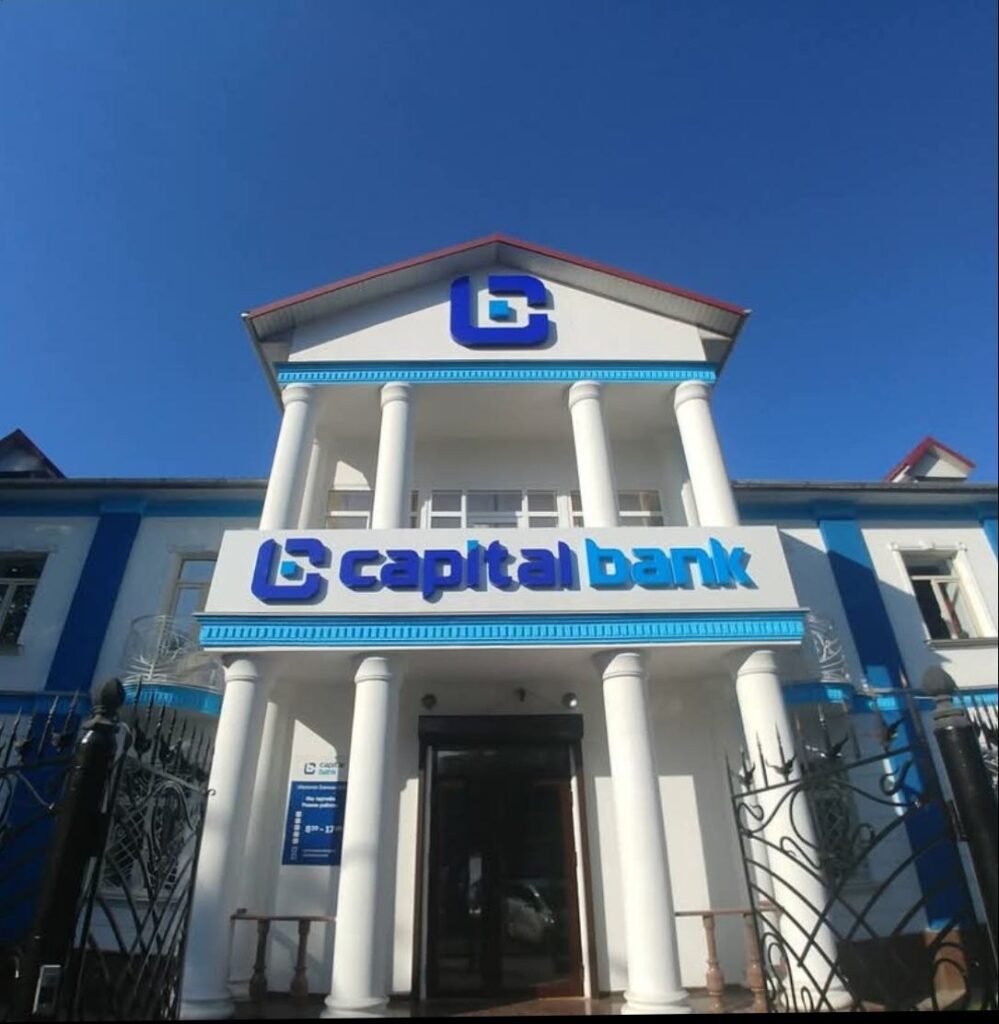
Reed raised concerns about the activities of certain Kyrgyz companies engaged in foreign trade, specifically naming Capital Bank and Trading Company, both state-owned enterprises. Capital Bank was created to oversee financial transactions involving Russia and has been designated, as of May 1, as a clearing institution for settlements in Russian rubles. The Trading Company is tasked with monitoring transit trade flows.

Amangeldiev emphasized that the establishment of these entities was aimed at enhancing transparency and regulatory oversight, not sanctions evasion. He assured the UK side that Kyrgyzstan is fully open to inspections by international auditing firms and reaffirmed that these companies are operating within legal frameworks.

Kyrgyzstan’s foreign trade, especially its re-export of goods, has faced growing scrutiny from Western governments amid broader concerns over the enforcement and impact of sanctions on Russia. The Kyrgyz government has consistently denied any role in facilitating sanctions evasion.

Uzbek Scientists Trial Salt-Tolerant Plants to Revive Aral Sea Seabed

Field trials are underway on the desiccated seabed of the Aral Sea as part of a restoration initiative spearheaded by Uzbekistan’s Ministry of Ecology, Environmental Protection, and Climate Change. The goal is to identify plant species capable of surviving in saline soils and contributing to the rehabilitation of this ecologically devastated landscape.

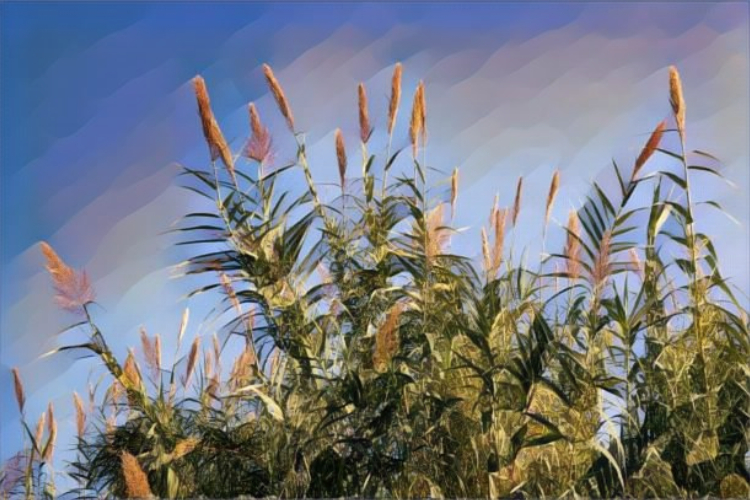
The study is led by scientists from the Research Institute of Forestry and supervised by Dr. Zinoviy Novitsky. One of the most promising candidates is Arundo donax, a species of reed grass typically found in wetter environments. Despite its usual habitat, the plant has demonstrated a remarkable tolerance for saline and arid conditions.

Researchers discovered that groundwater in the test areas lies approximately two meters below the surface. Within its first year of growth, Arundo donax develops roots long enough to access this water, enabling it to survive and strengthen in the challenging environment.

Dr. Novitsky noted that his team devised a specialized planting technique to improve the plant’s resilience. Root shoots were harvested from mature plants in regions with comparable soil conditions, such as Urgench and Karakalpakstan. When transplanted to the Aral Sea area, these shoots achieved a survival rate exceeding 90%.

In addition to their depth, the roots of Arundo donax can spread laterally up to two meters, anchoring the soil and mitigating further land degradation. These trials, if scaled successfully, could play a pivotal role in combating dust storms and rejuvenating the Aral Sea region.

Since 2021, Uzbekistan has planted more than 45 million trees across 1.9 million hectares of the dried seabed in Karakalpakstan. The country has also created six artificial lakes, replenished with water from the Amu Darya River, to foster biodiversity and support aquaculture. Moreover, dust filtration systems at major industrial sites and wastewater treatment facilities at eight plants have been modernized.

Seven protected natural areas now span 3.7 million hectares in Karakalpakstan, several of which have been designated under UNESCO and the Ramsar Convention frameworks.

Scientific efforts continue through the Aral Sea International Innovation Center, which is currently managing projects valued at over $630,000. By 2030, Uzbekistan aims to expand forest coverage in the region to 2.3 million hectares and restore vegetation on 80% of the dried seabed.

World Bank Approves $100 Million to Modernize Uzbekistan’s Power Grid

The World Bank has approved a $100 million credit to support the modernization of Uzbekistan’s electricity distribution system and facilitate the integration of renewable energy sources. Uzbekistan’s Regional Electric Power Networks (REPN) will contribute an additional $50 million to the initiative, marking the country’s first use of the World Bank’s Program-for-Results (PforR) financing model.

Uzbekistan’s aging power distribution infrastructure poses serious challenges. Over 50% of the network is more than 30 years old and suffers from significant inefficiencies. As of 2024, technical issues contribute to the loss of approximately 13% of electricity, resulting in frequent outages across the country.

The government has set a target of installing 25 gigawatts of renewable energy capacity by 2030. However, experts warn that without immediate upgrades to the national grid, Uzbekistan’s infrastructure will be unable to accommodate this expansion.

In addition to technical improvements, the government is working to reduce commercial losses and enhance the financial viability of the electricity sector to attract private investment.

Tatiana Proskuryakova, World Bank Country Director for Central Asia, highlighted the scale of the challenge. “The total investment needed is about $3 billion. We hope other development partners and private investors will join us in supporting REPN in this crucial effort,” she said.

The combined $150 million from the World Bank and REPN will be deployed over the next five years to upgrade and expand infrastructure, particularly in regions such as Karakalpakstan and Surkhandarya. Planned improvements include:

  • Construction or modernization of 6,000 kilometers of power lines
  • Installation of 1,200 transformers
  • Connection of 150,000 smart meters
  • Deployment of 4,000 data concentrators to improve automation

The program also aims to enhance REPN’s operational and financial management. It includes the development of advanced planning methodologies, strengthened financial oversight, and support for corporate governance reforms.

By 2029, the initiative is expected to increase customer satisfaction, reduce annual CO₂ emissions by up to 450,000 tons, and raise the proportion of women in technical and leadership roles from 9% to 14%.

Earlier this year, the World Bank also approved $153 million in support of a project aimed at reforestation and combating land degradation in Uzbekistan, as part of a broader regional climate resilience program.

Kyrgyzstan and China to Launch New Air Route as Part of Air Silk Road

Kyrgyzstan’s State Civil Aviation Agency has reached an agreement with China’s aviation authorities to open a new air route to Kashgar, located in China’s Xinjiang Uygur Autonomous Region. This will become the second direct air link between Central Asia and western China.

According to the agency, the route will form part of the broader Air Silk Road initiative, an economic air corridor designed to facilitate freight and passenger connectivity between China and Europe. The new link is expected to significantly improve logistics, enhance flight safety, and create fresh opportunities for both cargo and passenger transportation across the region.

The planned route is also anticipated to deepen Kyrgyzstan’s trade and economic relations with China, stimulate tourism, and further integrate the country into the international aviation network.

The Air Silk Road, launched in 2014, is a component of China’s broader Belt and Road Initiative. Initially focused on air freight, the corridor now connects more than 100 cities in over 20 countries across Asia, Europe, and the Americas.

Kazakhstan Unveils Central Asia’s Most Powerful Supercomputer

Kazakhstan has taken a major step in its digital transformation with the arrival of the most powerful supercomputer in Central Asia. The system, boasting a performance of approximately 2 exaflops, was delivered as part of a strategic agreement between the Ministry of Digital Development, Innovation, and Aerospace Industry (MDDIA) and Presight AI Ltd, an ADX-listed public limited company whose majority shareholder is Abu Dhabi company G42.

This milestone follows an agreement signed in February 2024 to construct a supercomputer and a dedicated data center. The latest development includes the creation of a full-scale supercomputing cluster that will be installed in a state-of-the-art Tier III data center. The facility ensures high availability through dual data redundancy, independent power supplies, and the capability to upgrade equipment without interrupting operations.

The new supercomputer is powered by the latest NVIDIA H200 graphics chips, optimized for artificial intelligence and high-performance computing. With a capacity of 2 exaflops, equivalent to a billion billion (10¹⁸) floating point operations per second, the system is expected to significantly bolster Kazakhstan’s digital infrastructure and AI capabilities.

According to the MDDIA, the supercomputer is intended to benefit a wide range of users, not just a narrow group of specialists. “The supercomputer’s resources will be accessible to all: startups developing neural networks, universities conducting fundamental and applied research, scientific institutions, and businesses integrating AI into their operations,” the ministry stated.

The project aligns with Kazakhstan’s broader digital strategy and its ambitions to become a regional technology hub. It also reflects deepening economic ties with the United Arab Emirates. As previously reported by The Times of Central Asia, during the official visit of Crown Prince Sheikh Khalid bin Mohammed bin Zayed Al Nahyan to Kazakhstan, the two countries signed over 20 commercial agreements worth approximately US$5 billion.

Kazakhstan and World Bank Launch Second Phase to Revive Northern Aral Sea

In partnership with the World Bank, the Ministry of Water Resources and Irrigation of Kazakhstan has launched the second phase of a long-term initiative to restore the Northern Aral Sea. This stage aims to revive the region’s ecosystem and enhance the quality of life for local communities.

Feasibility Study Underway

Key objectives of this phase include reconstructing the Kokaral Dam and raising the sea level to 44 meters, measured using the Baltic height system. Plans also call for constructing a water control facility near the village of Amanotkel, designed to regulate water distribution within the Akshatau and Kamystybas lake systems in Kyzylorda Region’s Aral District. A technical feasibility study is expected to be completed by December 2025.

Once implemented, these measures are projected to expand the Northern Aral Sea’s surface area to 3,913 square kilometers, increasing its total water volume to 34 cubic kilometers. The full refill process is anticipated to take four to five years, based on hydrological data from the Syr Darya River basin covering the period 1913-2019.

Strategic Decisions on Dam Reconstruction

The current conservation strategy was finalized following consultations with local authorities and water management experts. Minister of Water Resources and Irrigation Nurzhan Nurzhigitov stated that the plan reflects the region’s actual hydrological conditions and was selected for its balance of timeliness and efficacy.

“We evaluated multiple implementation options. Discussions with residents and industry veterans helped guide our decision. The final plan was deemed optimal after all relevant factors were considered,” Nurzhigitov said.

Sameh Wahba, the World Bank’s Regional Director for Europe and Central Asia, underscored the project’s ecological and economic significance. He confirmed that the World Bank not only funded the feasibility study but remains committed to supporting the project through its next stages. According to Wahba, the initiative is expected to create jobs and stimulate sectors such as fisheries, agriculture, and tourism.

Progress Achieved in the First Phase

The first phase of the rescue effort has already delivered tangible benefits. Water volume in the Northern Aral Sea has risen by 42%, reaching 27 billion cubic meters, while salinity has dropped nearly fourfold. Annual fish yields have climbed to 8,000 tons. In 2024 alone, a record 2.6 billion cubic meters of water were channeled into the sea, with 1 billion cubic meters allocated for irrigation.

Beyond water volume and quality, the project aims to revitalize the Syr Darya River delta, curb salt deposition, and bolster the fishing industry. Employment opportunities and improved living conditions for local populations are also key targets.

Long-Term Threats to Water Security

The sustainability of these efforts may be challenged by regional developments. During the international conference “Water Security and Transboundary Water Use: Challenges and Solutions” in Astana, Kazakhstan’s Deputy Minister of Water Resources and Irrigation, Aslan Abdraimov, warned of the potential impact of Afghanistan’s Kosh-Tepa Canal on Central Asian water systems.

Despite the absence of a direct border between Kazakhstan and Afghanistan, Abdraimov stated that the canal could eventually reduce the flow of the Syr Darya River. “No sharp fluctuations are expected in the near term, but over time, diminished water flow is inevitable,” he noted.

A significant concern is the projected decline in Amu Darya River flow, already under pressure from widespread irrigation use in upstream regions. Since the Amu Darya feeds into the Aral Sea system, further reductions could accelerate the sea’s desiccation, endangering both ecosystems and local economies.