• KGS/USD = 0.01144 0%
  • KZT/USD = 0.00196 -0%
  • TJS/USD = 0.10899 -0%
  • UZS/USD = 0.00008 -0%
  • TMT/USD = 0.28490 0%
  • KGS/USD = 0.01144 0%
  • KZT/USD = 0.00196 -0%
  • TJS/USD = 0.10899 -0%
  • UZS/USD = 0.00008 -0%
  • TMT/USD = 0.28490 0%
  • KGS/USD = 0.01144 0%
  • KZT/USD = 0.00196 -0%
  • TJS/USD = 0.10899 -0%
  • UZS/USD = 0.00008 -0%
  • TMT/USD = 0.28490 0%
  • KGS/USD = 0.01144 0%
  • KZT/USD = 0.00196 -0%
  • TJS/USD = 0.10899 -0%
  • UZS/USD = 0.00008 -0%
  • TMT/USD = 0.28490 0%
  • KGS/USD = 0.01144 0%
  • KZT/USD = 0.00196 -0%
  • TJS/USD = 0.10899 -0%
  • UZS/USD = 0.00008 -0%
  • TMT/USD = 0.28490 0%
  • KGS/USD = 0.01144 0%
  • KZT/USD = 0.00196 -0%
  • TJS/USD = 0.10899 -0%
  • UZS/USD = 0.00008 -0%
  • TMT/USD = 0.28490 0%
  • KGS/USD = 0.01144 0%
  • KZT/USD = 0.00196 -0%
  • TJS/USD = 0.10899 -0%
  • UZS/USD = 0.00008 -0%
  • TMT/USD = 0.28490 0%
  • KGS/USD = 0.01144 0%
  • KZT/USD = 0.00196 -0%
  • TJS/USD = 0.10899 -0%
  • UZS/USD = 0.00008 -0%
  • TMT/USD = 0.28490 0%
08 December 2025

Two Earthquakes Strike Kazakhstan and Kyrgyzstan, Causing Damage in Talas Region

Two earthquakes struck Central Asia early on March 28, affecting parts of Kazakhstan and Kyrgyzstan.

The first tremor, with a magnitude of 5.5, occurred in southern Kazakhstan, approximately 133 kilometers from Bishkek. The Kyrgyz capital felt the tremors at 4:42 a.m., according to the Institute of Seismology at the National Academy of Sciences of Kyrgyzstan. The quake registered a strength of four points in Bishkek and reached up to five points in parts of Kyrgyzstan’s Talas Region, which borders Kazakhstan.

A second, less powerful earthquake was recorded at 7:00 a.m. on the Chatkal Ridge in southwestern Kyrgyzstan. It registered a magnitude of 3.5.

According to the Kyrgyz Ministry of Emergency Situations, five residential buildings and one educational institution sustained damage in the Talas Region following the first quake. An operational team has been dispatched to assess the extent of the damage.

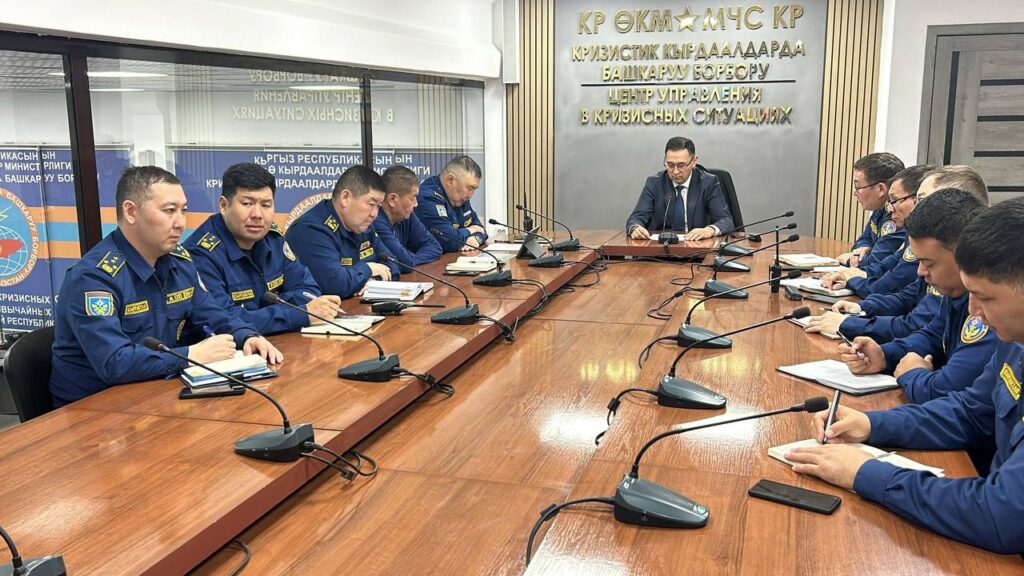
“A state of emergency has been declared in connection with the earthquake recorded in Kazakhstan on March 28. An emergency meeting was held at 5 a.m. at the central office of the Ministry of Emergency Situations and the Crisis Management Center of Kyrgyzstan. First Deputy Minister of Internal Affairs Azamat Mambetov instructed officials to maintain a high alert regime,” the ministry’s press service reported.

No casualties have been reported.

Authorities have stated that the situation remains under control. Kyrgyzstan’s Crisis Management Center is in direct communication with its counterpart in Kazakhstan, with both agencies exchanging real-time updates.

Two major earthquakes were also recorded on March 28 in Southeast Asia. Seismologists from China and the United States reported tremors affecting Myanmar and Thailand. In Myanmar, the first quake registered a magnitude of 7.9 (with other sources citing 7.7), followed by a second at 6.4. The tremors were also felt in Bangladesh, India, Thailand, Laos, and China.

Kyrgyzstan Turns to Alternative Energy to Address Power Deficit

Expanding the use of alternative energy sources is key to overcoming Kyrgyzstan’s persistent electricity shortages, Deputy Chairman of the Cabinet of Ministers Bakyt Torobayev said during a meeting at the Ministry of Energy on March 27.

Torobayev acknowledged the country’s chronic power deficit and underscored the need for investment in renewable energy development.

“Increasing power generation is today’s top priority,” he stated.

In response to the ongoing energy crisis, the Kyrgyz government declared a state of emergency in the energy sector from August 1, 2023, to December 31, 2026. The move was intended to accelerate emergency measures to counter the impacts of climate change, reduced water flows in the Naryn River, a major source of hydropower, rising energy demand, and limited generating capacity.

Power Imports Fill the Gap

Although Kyrgyzstan has the potential to generate 142 billion kilowatt-hours (kWh) annually, current production stands at just 14 billion kWh, approximately 10% of its hydropower capacity.

According to Energy Minister Taalaibek Ibrayev, the country currently generates 3,450 megawatts of electricity, while demand has risen to 3,600 megawatts.

In 2024, Kyrgyzstan consumed 18.3 billion kWh, an increase of 1.1 billion kWh over the previous year. Hydropower plants accounted for 12.77 billion kWh, while coal-fired thermal plants produced 1.76 billion kWh. Small private hydropower plants added 156.2 million kWh, and solar installations contributed 0.17 million kWh.

To close the gap, Kyrgyzstan imported 3.63 billion kWh of electricity in 2024, an increase of 141.7 million kWh from 2023.

Expanding Generation Capacity

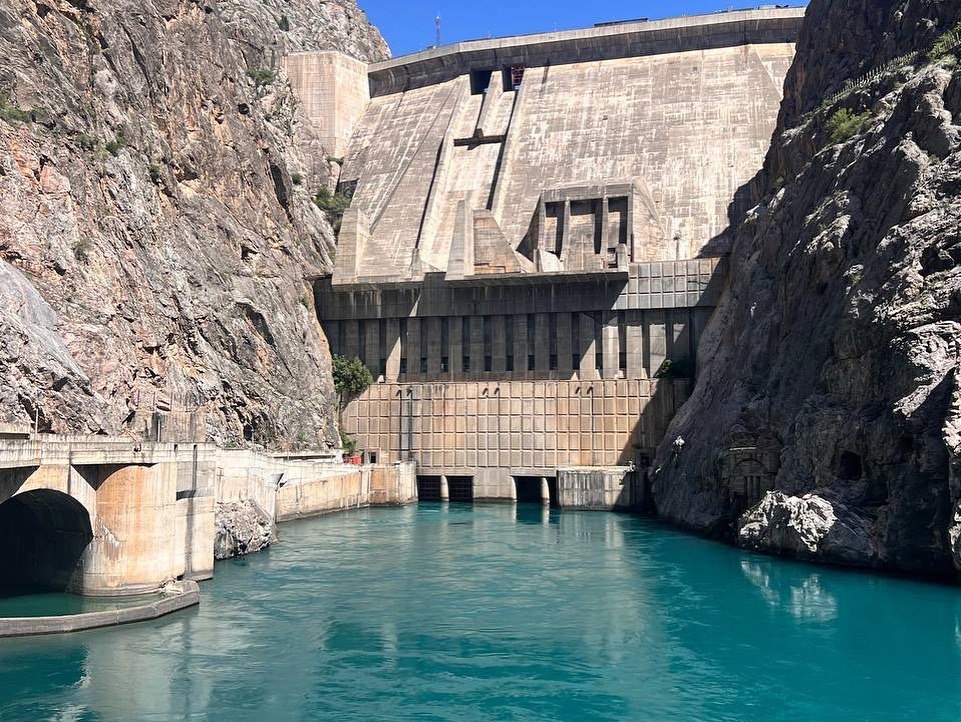
To alleviate the crisis, the government has launched several major hydropower construction projects. The Ministry of Energy announced ongoing work to install a second hydroelectric unit at the Kambarata-2 Hydropower Plant (HPP). The plant is designed for three units with a combined capacity of 360 megawatts (120 MW each). Currently, only the first unit is operational. The addition of the second unit will significantly enhance the plant’s output.

Meanwhile, construction has also begun on the much larger Kambarata-1 HPP on the Naryn River. When completed, it will become Kyrgyzstan’s largest hydropower facility, with a projected capacity of 1,860 megawatts and an expected annual output of 5.6 billion kWh, enough to substantially address the country’s energy shortfall.

Embracing Solar and Wind

As part of its energy diversification strategy, Kyrgyzstan has also initiated solar and wind energy projects. In 2024, the country began building a 400-megawatt solar power plant and a 100-megawatt wind farm, marking significant steps toward reducing reliance on imported electricity and fossil fuels.

EU-Central Asia Ministerial Meeting Highlights Enhanced Cooperation and Strategic Priorities

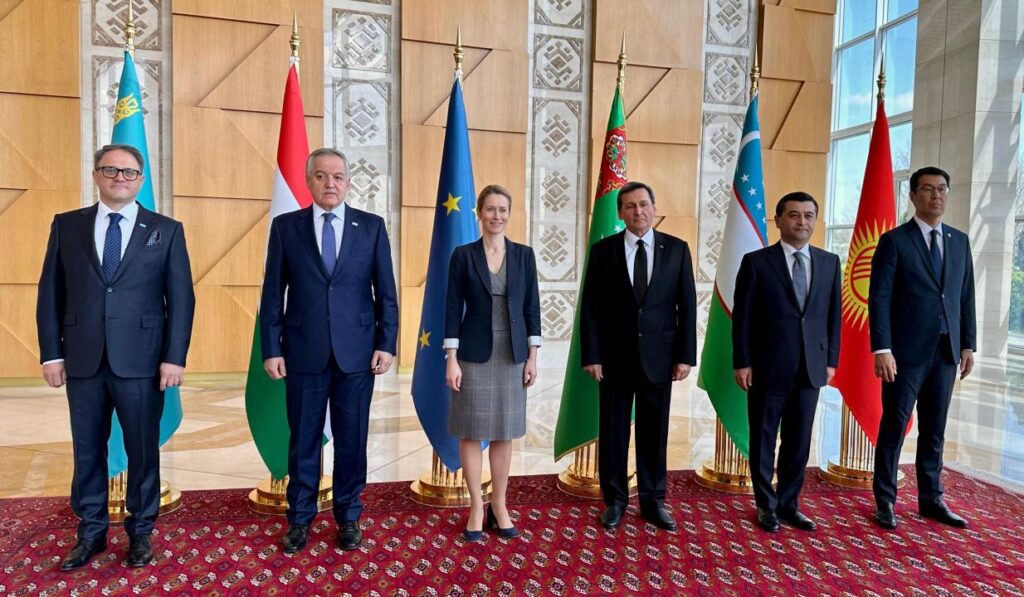
The 20th EU-Central Asia Ministerial Meeting took place on March 27 in Ashgabat, Turkmenistan, reaffirming the parties’ strong political will to deepen engagement and strengthen cooperation in strategically significant areas.

The meeting brought together the EU High Representative for Foreign Affairs and Security Policy, Kaja Kallas, along with the foreign ministers of Tajikistan, Turkmenistan, and Uzbekistan, and the deputy foreign ministers of Kazakhstan and Kyrgyzstan.

A key item on the agenda was preparation for the inaugural EU-Central Asia Summit, scheduled for April 4, 2025, in Samarkand, Uzbekistan.

Advancing Strategic Cooperation

Kallas and Central Asian ministers discussed a broad spectrum of mutual priorities under the EU’s Global Gateway Flagship Initiatives, including trade, transport, energy, water resource management, climate change, digitalization, and critical raw materials. Both sides also highlighted advancing cooperation in education, vocational training, research, and skills development to foster deeper people-to-people ties.

In a joint communiqué adopted at the meeting, the EU and Central Asian states reaffirmed their shared commitment to further strengthening their comprehensive partnership, grounded in mutual interests and values. The discussions were guided by the “Joint Roadmap for Deepening Ties between the EU and Central Asia,” previously adopted in Luxembourg in October 2023.

Focus on Connectivity and the Trans-Caspian Corridor

Connectivity emerged as a central theme, with the participants stressing the need to expand sustainable connections between Central Asia and Europe. The EU’s Global Gateway Strategy was highlighted as a key vehicle for supporting regional infrastructure in trade, transport, water, and energy.

The participants recalled the success of the Global Gateway Investors Forum on EU-Central Asia Transport Connectivity, held in Brussels in January 2024. They welcomed commitments by European and international financial institutions to invest €10 billion in the Trans-Caspian Transport Corridor (TCTC), aimed at significantly enhancing East-West transport links.

Critical Raw Materials and Local Value Chains

Another focal point was the growing strategic importance of critical raw materials (CRMs). Ministers reviewed progress following the signing of a Strategic Partnership Memorandum of Understanding between the EU and both Kazakhstan and Uzbekistan in the CRM sector.

The meeting acknowledged EU support for strengthening local value chains in Central Asia. Discussions stressed alignment with international labor and environmental standards and the development of sustainable investment projects across the region.

Sanctions Compliance

The EU also briefed participants on its restrictive measures in the current geopolitical environment, underlining the need to prevent sanctions circumvention. Central Asian countries expressed readiness to continue cooperating with the EU to prevent re-exports of sensitive items, particularly those classified as “high priority.”

Strategic Outlook

The meeting reaffirmed the EU’s 2019 Strategy on Central Asia, which recognizes the region’s increasing strategic relevance to Europe. The Ashgabat gathering further solidified this recognition, highlighting Central Asia’s growing role in regional connectivity, resource security, and global diplomacy.

Kyrgyz Startup Yessa Helping Women to Reclaim Pleasure

When Begaiym Zamirbek left her job at the Institute for War & Peace Reporting (IWPR), where everything was stable and predictable, she dove into the significantly riskier world of startups with her new venture, Yessa. That’s how her path of entrepreneurship began, which led her to Vietnam.

Yessa supplies audio erotic entertainment for women, like companies including Quinn and Femtasy. Both boast a vast audience and have raised over $3 Million in investments. Quinn is based in the U.S., and its European counterpart, Femtasy, operates out of Berlin. Neither are available in languages other than English, French, and Deutsch, however. But Yessa is trying to fix that by making audio erotica for women available in other languages.

My previous partner “did things in bed that I agreed to unconditionally. I didn’t even know I had a choice,” Zamirbek told TCA. “I came out of that relationship traumatized and didn’t realize, but after the breakup, any thought of sex made me feel disgusted. I accidentally came across an audio where the men were caring, tender and asked for my consent for literally everything. I thought that if such audios exist, then there must be such partners in reality. And I was not mistaken. I regretted that all such content was in English, and then I thought that Russian-speaking women also need such things.”Apart from her full-time job at IWPR, Zamirbek is a seasoned podcast host. Her podcast, Second Shift, which she has been co-hosting for five years, was the first feminist podcast in Kyrgyzstan and quickly became one of the most popular ones. That experience set her on the path toward the launch of her audio company.

During the COVID-19 pandemic, Zamirbek spent a lot of time at home listening to erotica in English, which piqued her interest in exploring her desires and going on dates. In 2024, inspired by TikTok, where more and more women were openly discussing the intimate details of their relationships, she began implementing her startup idea. After seeking advice from a venture capital professional and completing the Y Combinator’s Startup School, Zamirbek started looking for a tech co-founder.

“We met at the March 8 march for women’s rights in Bishkek. Anna Karamurzina came up to say ‘hello’ because she knew of me. She had worked in IT for over twelve years, and I came to her with an offer to build a startup just when she needed a job. Since August 2024, we’ve been the co-founders of the Yessa app.”

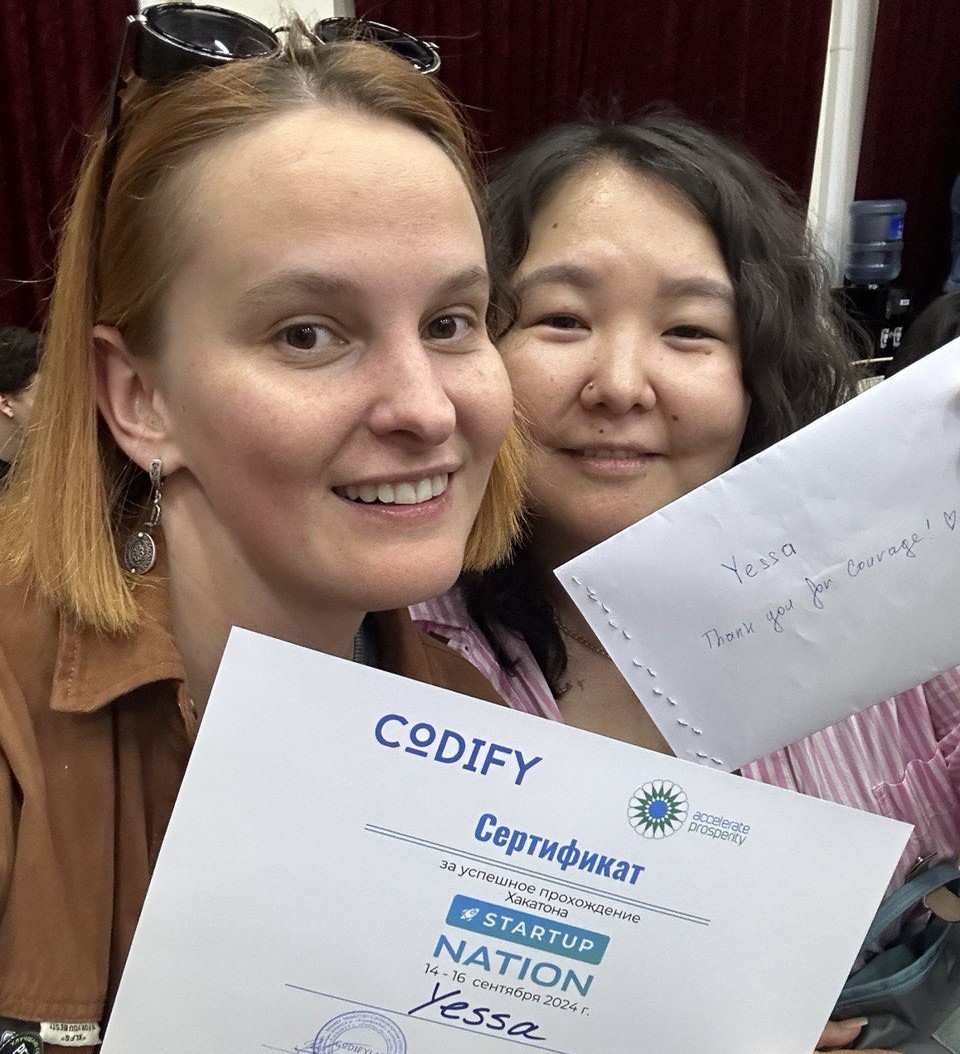
The ex-IWPR Program Manager for Central Asia began her journey in the startup ecosystem by participating in the Startup Nation hackathon as the Co-Founder of Yessa in September 2024, where she was awarded a special prize as the strongest startups chosen from over 40 teams.

Zamirbek soon realized that she needed resources and expertise to scale Yessa and followed the path of one of the Kyrgyz founders of Antler, one of the leading global accelerators backing early-stage companies with offices worldwide. With the help of several Antler alumni based in Vietnam, she was been accepted to the VN7 cohort in Ho Chi Minh. 2024 was a record year for the Kyrgyz Republic, which saw four companies admitted to Antler: Yessa, Admitted, Chef Vision AI, and Baby Guide. Zamirbek finished the program at Antler Vietnam and, at her first attempt, received $110,000 in investment.

“Everything related to sex is usually directed at the desires of the man,” she told TCA. “It’s not customary in Central Asian countries to talk about what a woman wants. I think that’s why our idea has caught on.”

The Yessa app is set to be released in the coming month with the goal of providing an audio alternative to often violent male-centric experiences and helping women to reclaim pleasure.

“As long as there is a product where access to women’s bodies is bought, we’ll have problems with violence,” Zamirbek says. “Women will be seen as objects and treated as commodities. That’s one of the reasons why I wanted to create a sexual world where access to bodies is not purchased.”

Kazakhstan Senate Approves Ban on Budget Funding for Foreign Athletes

The Senate, Kazakhstan’s upper house of parliament, has passed amendments to the Law on Physical Culture and Sports that ban the use of state funds to finance foreign athletes, commonly known as “legionnaires.” The bill is now awaiting President Kassym-Jomart Tokayev’s signature to become law.

Ending State Support and Introducing Salary Caps

Kazakhstan’s efforts to reduce foreign dominance in national sports date back to 2020. Initial measures included capping the number of foreign players allowed on the field in football and hockey, as well as restricting their funding through state budgets. However, according to Vice-Minister of Tourism and Sports Serik Zharasbayev, these regulations, embedded in competition rules and government resolutions, have not been consistently enforced at the regional level. The new legislation aims to enshrine these restrictions in law.

“Regarding the financing of legionnaires: the bill prescribes a prohibition on funding these individuals from the state budget and quasi-governmental sector. However, funding from extra-budgetary sources, such as sponsorships, remains permissible,” Zharasbayev explained.

The law will also empower the Ministry of Tourism and Sports to set financial limits for clubs in football, hockey, and other team sports.

“This legislation will allow us to define how much each club is eligible to receive from the budget and to cap salaries of football and hockey players accordingly,” the Vice-Minister said. He added that the savings would be redirected to support grassroots youth sports, although he could not specify the projected amount.

Budget Caps for Sports Clubs

While specific funding limits have yet to be determined, Zharasbayev noted that the combined annual allocation from national and regional budgets is about 400 billion KZT (approximately $797 million). Currently, football and hockey clubs may receive up to 1.2 billion KZT (around $2.4 million) annually, while other sports, such as basketball and volleyball, are capped at 450 million KZT ($897,000).

“For the 14 clubs in the Kazakhstan Premier League, a cumulative 30 billion KZT was allocated in 2024. It’s within this sum that we aim to identify potential savings,” Zharasbayev said.

He reported that 325 foreign players competed in Kazakhstan’s three professional football divisions last year. Some have since obtained Kazakhstani citizenship, making them eligible for state funding. The new law, however, will apply only to future contracts.

“Existing contracts will remain in effect until their expiration, as the law is not retroactive. Still, we have advised clubs not to sign new contracts with foreign players starting in 2025,” Zharasbayev stated.

He also emphasized the need to regulate domestic athletes’ salaries, citing “unreasonably high payments” as a growing concern. A separate legal act is in development to address the issue.

Scandals Within the Football Federation

The legislation comes amid ongoing investigations into financial misconduct under the previous leadership of the Kazakhstan Football Federation. The Prosecutor General’s Office reported violations amounting to 3 billion KZT (nearly $6 million), including unjustified bonuses, misused funds for infrastructure, questionable player transactions, and embezzlement related to athlete meals.

Specifically, over 300 million KZT ($597,000) in unwarranted bonuses were issued, and more than 350 million KZT ($697,000) was paid for incomplete construction work at facilities in Talgar. Additional irregularities included dubious expenditures on strategic documents and standards.

Audits of top-tier clubs – Ordabasy, Aktobe, and Zhetysu – revealed inflated player contracts, undervalued sales, overpriced acquisitions, and other financial discrepancies. These occurred under the leadership of Adilet Barmenkulov, the federation’s former president.

In March, the Agency for Financial Monitoring of Kazakhstan launched a pre-trial investigation into the federation’s former leadership, though details remain undisclosed. The agency and the Prosecutor General’s Office may be examining overlapping allegations.

Potential Conflict with EAEU Commitments

As previously reported by The Times of Central Asia, the new restrictions may contradict Kazakhstan’s obligations under the Treaty on the Eurasian Economic Union (EAEU), which ensures the free movement of goods, services, capital, and labor among member states.

Kazakhstan has, in recent years, attracted global football talent at the twilight of their careers. Notable examples include former Arsenal midfielder Andrei Arshavin, who played for Kairat Almaty; Bayern Munich’s Anatoliy Tymoshchuk, who joined the same club in 2015; and Serbian midfielder Zoran Tošić, a former Manchester United player who played for Tobol Kostanay.

Kazakh Table Tennis Star Praised by Fan of the Game – President Tokayev

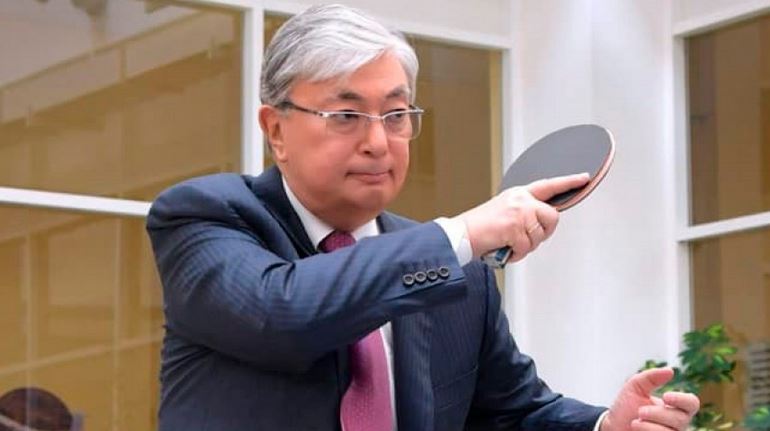
President Kassym-Jomart Tokayev of Kazakhstan knows a few things about table tennis topspin.

Wearing a suit and tie, he has displayed a solid forehand while sparring with a young athlete. He once smashed a ball past Turkish leader Recep Tayyip Erdogan. The Kazakh president was head of the national table tennis federation for more than a decade and has attended the openings of centers for the game in the country.

So perhaps it wasn’t a surprise that Tokayev took notice when Kazakhstan’s Kirill Gerassimenko, a three-time Olympian table tennis player, notched another accomplishment this month. Gerassimenko won gold in the individual, doubles and mixed categories at the national championships in Almaty.

Image: Olympic.kz

Tokayev congratulated the 28-year-old Kazakh on his three-title run and noted that he had made a big contribution to the promotion of table tennis in Kazakhstan and elsewhere.

Gerassimenko, currently ranked 56 in the world, has drawn the praise of the state in the past. After he placed ninth in singles at the Paris Olympics last year, the Table Tennis Federation of Kazakhstan gave him a two-room apartment in Astana.

The Kazakh champion’s father was his first coach and Gerassimenko later trained at the Werner Schlager Academy in Germany. Coach Dmitrij Levenko, who was a junior champion in Ukraine and the Soviet Union, also had a major impact on the Kazakh star.

Answering a few questions on Instagram, Gerassimenko encouraged young players to believe in themselves, be patient and train hard. He said he scouts opponents by watching their games on the internet to check for any weaknesses, and talks to other players who might have already played the opponents.

“And then choose your own tactic,” he said.

Gerassimenko’s success and, no doubt, Tokayev’s enthusiasm have helped to increase the popularity of the game in the Central Asian nation.