• KGS/USD = 0.01144 0%
  • KZT/USD = 0.00192 -0%
  • TJS/USD = 0.10849 0%
  • UZS/USD = 0.00008 0%
  • TMT/USD = 0.28571 0%
  • KGS/USD = 0.01144 0%
  • KZT/USD = 0.00192 -0%
  • TJS/USD = 0.10849 0%
  • UZS/USD = 0.00008 0%
  • TMT/USD = 0.28571 0%
  • KGS/USD = 0.01144 0%
  • KZT/USD = 0.00192 -0%
  • TJS/USD = 0.10849 0%
  • UZS/USD = 0.00008 0%
  • TMT/USD = 0.28571 0%
  • KGS/USD = 0.01144 0%
  • KZT/USD = 0.00192 -0%
  • TJS/USD = 0.10849 0%
  • UZS/USD = 0.00008 0%
  • TMT/USD = 0.28571 0%
  • KGS/USD = 0.01144 0%
  • KZT/USD = 0.00192 -0%
  • TJS/USD = 0.10849 0%
  • UZS/USD = 0.00008 0%
  • TMT/USD = 0.28571 0%
  • KGS/USD = 0.01144 0%
  • KZT/USD = 0.00192 -0%
  • TJS/USD = 0.10849 0%
  • UZS/USD = 0.00008 0%
  • TMT/USD = 0.28571 0%
  • KGS/USD = 0.01144 0%
  • KZT/USD = 0.00192 -0%
  • TJS/USD = 0.10849 0%
  • UZS/USD = 0.00008 0%
  • TMT/USD = 0.28571 0%
  • KGS/USD = 0.01144 0%
  • KZT/USD = 0.00192 -0%
  • TJS/USD = 0.10849 0%
  • UZS/USD = 0.00008 0%
  • TMT/USD = 0.28571 0%
11 December 2025

Russian or Kazakh? Questions, Security Concerns About Man Detained at U.S. Border

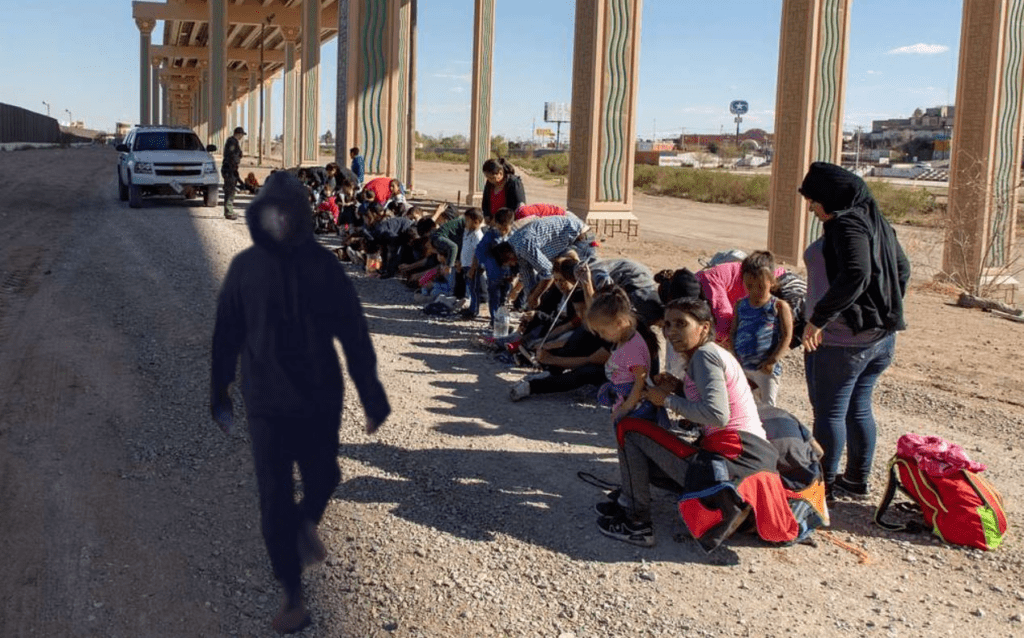
A man who said he is a citizen of Kazakhstan pleaded guilty this week to illegally entering the United States at the southern border with Mexico. But U.S. prosecutors said he was also carrying a Russian passport and that he admitted to being a member of the Wagner Group, a Russia-backed mercenary organization that is a target of U.S. sanctions, according to a media report in Texas.

A criminal complaint filed on Jan. 5 against the man, Timur Praliev, says U.S. Border Patrol agents encountered him on the previous day.

“When questioned as to his citizenship, defendant stated that he was a citizen and national of Kazakhstan, who had entered the United States illegally on January 4, 2025 by crossing the Rio Grande River near Roma, Texas,” read the complaint, which was filed in federal court in McAllen, Texas.

However, the ValleyCentral.com news site, which covers the Rio Grande Valley in south Texas, reported that Praliev was carrying both Russian and Kazakh passports, a total of about $7,000 in U.S. dollars and Mexican pesos and also had a drone in his backpack. The news site attributed information about Praliev to Assistant U.S. Attorney Amanda McColgan.

The federal prosecutor requested that Praliev be sentenced to 15 days in prison because of concern about his association with Wagner, which has fought in Western-backed Ukraine and also projected Russian power in Syria and several African countries, with sometimes brutal methods.

On Jan. 7, Praliev pleaded guilty to illegal entry into the United States and U.S. Magistrate Judge J. Scott Hacker sentenced him to time served, meaning that he had completed his prison sentence while waiting in detention for the hearing.

Dave Hendricks, the journalist who reported on the case for ValleyCentral.com, said on X that “he’ll almost certainly remain in federal custody until he’s deported.”


EDB Forecasts 8.4% GDP Growth for Tajikistan in 2025

Tajikistan’s real GDP is projected to grow by 8.4% in 2025, driven by favorable trade and investment dynamics, rising gold export prices, and decreasing energy import costs, according to the Eurasian Development Bank (EDB). This optimistic forecast surpasses the Tajik government’s minimum expectation of 8.0% growth.

The EDB predicts that inflation will rise to 5.9% in 2025, returning to the National Bank of Tajikistan’s (NBT) target range of 6.0% (+/- 2 percentage points) by the end of the year. Analysts attribute this inflationary uptick to strong domestic demand.

In 2024, Tajikistan recorded a historic low inflation rate of 3.6% – the lowest since the country’s independence. However, a slight increase in the refinancing rate, by 1 percentage point, is expected as inflation adjusts back to the target range. The refinancing rate has remained at 9.0% since August 5, 2024.

The EDB also forecasts a slight devaluation of the somoni, Tajikistan’s national currency, with the exchange rate expected to reach 11 somoni per US dollar by the end of 2025. This adjustment is attributed to higher imports and a decline in remittance volumes.

Currently, the somoni trades at 10.9450 per dollar, reflecting a 0.2% appreciation against the dollar in 2024, according to data from the National Bank for Reconstruction and Development.

The Times of Central Asia previously highlighted the main short-term risks for Tajikistan’s economy from 2024 to 2026, but the EDB’s projections signal a positive outlook for 2025. Key growth drivers, such as trade, investment, and favorable market conditions, are expected to bolster economic performance despite currency pressures.

Despite the fact that the Government of Tajikistan claims the poverty level in the country has decreased (the poverty threshold is not specified), in reality a huge swathe of the male population is working abroad in an attempt to feed their families. Up to 40% of households in Tajikistan have at least one member working abroad. According to the World Bank-KNOMAD, migrants’ remittances to Tajikistan in 2022 amounted to 5.346 billion dollars (39.6% of the country’s GDP). This makes Tajikistan one of the most remittance-based economies in the world.


This story was last updated on 10 January 2025 at 10:23GMT


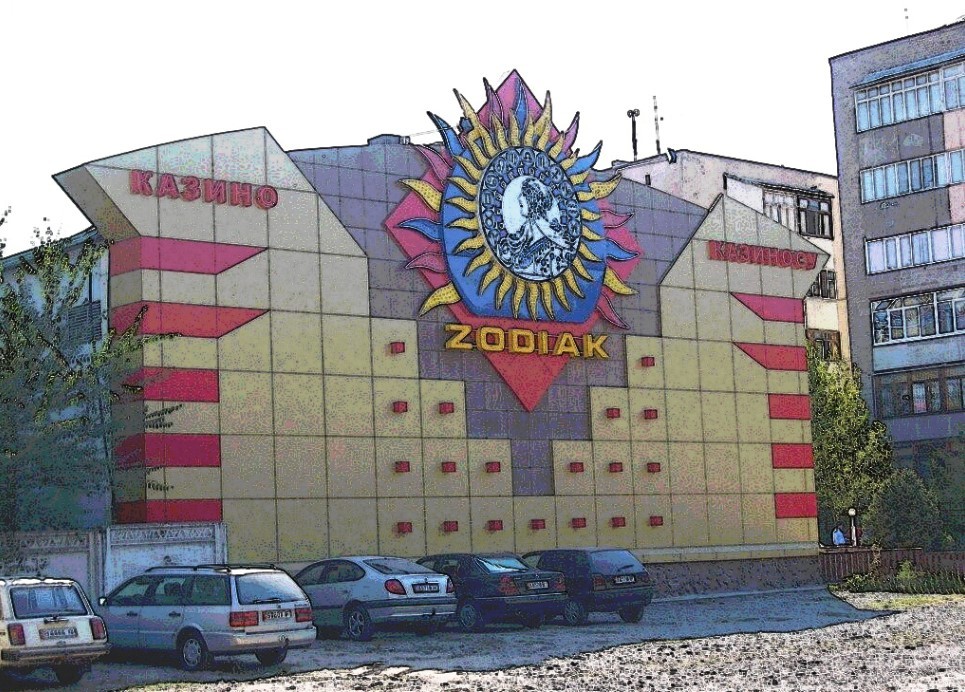
Low Revenues Cast Doubt on Kyrgyzstan’s Casino Legalization Efforts

After a decade-long prohibition, Kyrgyzstan legalized gambling – for foreigners – in 2022, anticipating a substantial boost to state revenues. Authorities projected billions of Kyrgyz Som (KGS) in revenue from casinos, betting shops, and slot machines. However, the actual contributions to the state budget have been far more modest, amounting to only a few hundred million KGS.

According to official figures, Kyrgyzstan currently hosts three operating casinos. In their first year, these establishments paid KGS 97 million (approximately $1.1 million) in taxes and other budgetary contributions. By 2024, this figure is expected to rise to KGS 270 million ($3.1 million). While this reflects growth, it remains below the ambitious expectations set by the government.

The underwhelming results have sparked criticism from legislators. Last year, members of parliament voiced dissatisfaction with the meager revenues. MP Sultanbay Aizhigitov expressed frustration, stating: “There is almost no benefit to the state from casino activity. It is a business controlled by five or six individuals, and it causes significant harm. The initiative has not justified itself. Do we need casinos at all? Perhaps it’s better to shut them down.”

Recent data reveals that the majority of gambling revenue – KGS 258 million ($2.8 million) -came from casinos. Betting shops contributed KGS 11 million ($125,000), while slot machine operators added a mere KGS 1.8 million ($20,500).

Notably, the 2022 legislation legalizing gambling in Kyrgyzstan stipulates that only foreign citizens may participate in such activities. Kyrgyz nationals caught gambling face fines, along with the casino hosting them. In an effort to boost revenues, the government has permitted casinos to operate in state-owned buildings and hotels with government stakes.

Despite these measures, however, the financial benefits of gambling legalization remain a contentious issue, with critics questioning its overall value to the country.

‘Made in Kyrgyzstan’ Program Aims to Boost Exports and Strengthen Global Presence

Kyrgyzstan’s Ministry of Economy and Commerce has launched the National Export Program “Made in Kyrgyzstan” for 2025-2028. Coordinated by the Kyrgyz Export Center, the initiative aims to help domestic producers access international markets, enhance the country’s export potential, and establish the “Made in Kyrgyzstan” brand as a recognizable symbol abroad.

Program Goals and Priorities

The program focuses on increasing Kyrgyzstan’s export volumes and foreign trade revenues by strengthening the position of Kyrgyz-made goods in global markets. It prioritizes key industries, including textiles, food, jewelry, and halal products, with the goal of making Kyrgyz exports more competitive internationally.

To achieve these objectives, the program will:

  • Support local entrepreneurs by promoting participation in international exhibitions and trade fairs.
  • Facilitate access to financing and preferential loans for exporters.
  • Streamline bureaucratic processes to expedite export procedures.
  • Ensure domestic products meet international quality standards and certification requirements.

Additionally, the program emphasizes increasing the export of high value-added goods and diversifying Kyrgyzstan’s export portfolio to reduce its negative foreign trade balance.

Foreign Trade Trends

According to the National Statistical Committee, Kyrgyzstan’s foreign trade turnover for January – October 2024 totaled $13.4 billion, marking a 6.4% increase compared to the same period in 2023. However, the trade balance remained negative, with exports accounting for 23.3% and imports for 76.7% of the total turnover​.

Key highlights include:

  • Exports: Grew by 25.2% to $3.1 billion, largely driven by gold exports, which made up 34.1% of the total. Excluding gold, exports reached $2.1 billion, an increase of 21.9%.
  • Imports: Rose by 1.8%, amounting to $10.3 billion.

Trade with member states of the Eurasian Economic Union (EAEU) – Armenia, Belarus, Kazakhstan, and Russia – amounted to $4.2 billion, a 13.7% increase. Russia (71.8%) and Kazakhstan (26.4%) remained Kyrgyzstan’s largest trading partners within the EAEU.

Meanwhile, trade with countries outside the EAEU reached $9.2 billion during the same period.

Strengthening Export Potential

The “Made in Kyrgyzstan” program aspires to boost exports of diversified, high-quality products while addressing the country’s trade deficit. By empowering local businesses, improving export infrastructure, and fostering global competitiveness, the initiative represents a significant step forward for Kyrgyzstan’s economic growth and international trade ambitions.

Condé Nast Traveler Names Kyrgyzstan’s Karakol Among 25 Best Places to Visit in 2025

Condé Nast Traveler has crowned the Kyrgyz town of Karakol as the “adventure capital of Central Asia” and included it in its prestigious list of the 25 best places to visit in 2025​.

Located southeast of Lake Issyk-Kul, and approximately 150km from the Kyrgyzstan-China border, Karakol is Kyrgyzstan’s premier winter tourism hub. The city boasts the nation’s largest and best mountain ski resort.

The magazine highlights Karakol as a prime destination for outdoor enthusiasts, offering activities such as hiking, horseback riding, kayaking, and paragliding. It also praises the Karakol ski base, the highest ski resort in Central Asia, perched at an altitude of 1.8 miles.

Looking ahead, Karakol is set to further solidify its reputation as a winter sports haven. A new resort, Three Peaks, is scheduled to open in 2026 in collaboration with French ski specialists Société des Trois-Vallées. This development is expected to attract even more winter sports enthusiasts to the region.

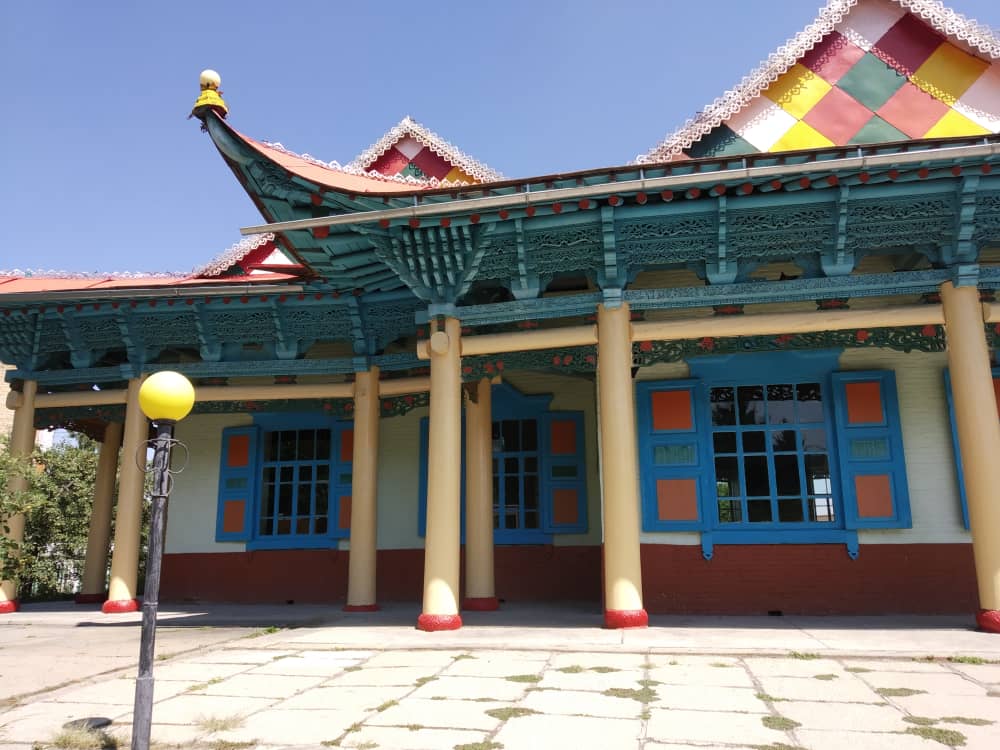
Beyond adventure, Condé Nast Traveler lauds Karakol’s cultural and culinary diversity. The city is home to a mix of Uyghur, Uzbek, Kyrgyz, Kalmak, Dungan, and Russian communities. This multicultural heritage has given rise to unique attractions, including wooden “gingerbread” houses, cold ashlan-fu soup, and the Dungan Mosque, built in 1907 by Chinese artisans. The mosque reflects Buddhist influences, with a pagoda replacing the traditional minaret.

Condé Nast Traveler suggests visiting Karakol between June and September for trekking and cultural tours, while December through April is ideal for winter sports enthusiasts.

The city has become more accessible with the reopening of its reconstructed international airport in December 2024. This development allows travelers to reach Karakol from Bishkek in under an hour by plane. Alternatively, the journey takes 6-7 hours by car or bus​​.

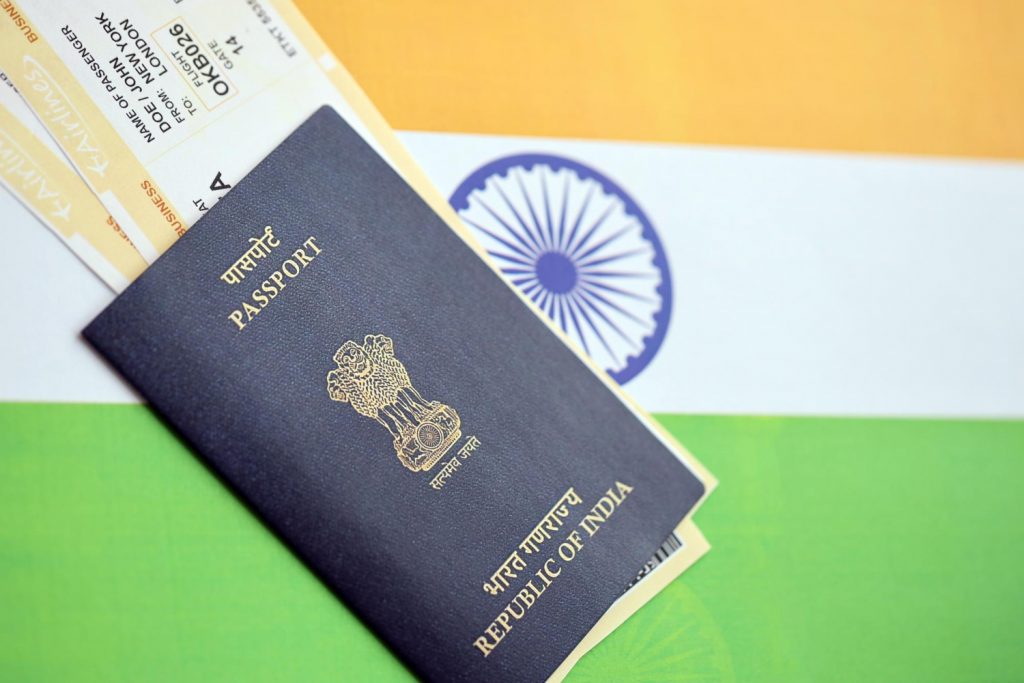
Indian Students Involved in New Year’s Eve Brawl Deported from Kazakhstan

Six Indian students have been deported from Kazakhstan following their involvement in a mass brawl in Almaty on New Year’s Eve​.

The students, enrolled at a university in Almaty, were the only individuals implicated in the altercation, with no Kazakh citizens involved.

“This was an internal conflict among the students,” Kazakhstan’s Minister of Science and Higher Education, Sayasat Nurbek commented. “The Almaty Police Department is conducting an investigation. We have discussed the matter with the Indian Embassy and reached a joint decision to deport the students.”

The altercation occurred at a café on Kok-Tobe, a popular mountain destination in Almaty​. What began as a quarrel between the students escalated into a violent mass brawl, with video footage showing participants wielding chairs, tables, and batons. The footage quickly circulated online, drawing public attention to the incident​​.

According to the Almaty Police Department, all individuals involved in the fight were identified and taken to the Medeusky District Police Department for questioning.