• KGS/USD = 0.01144 0%
  • KZT/USD = 0.00192 -0%
  • TJS/USD = 0.10849 0.37%
  • UZS/USD = 0.00008 0%
  • TMT/USD = 0.28571 0.28%
  • KGS/USD = 0.01144 0%
  • KZT/USD = 0.00192 -0%
  • TJS/USD = 0.10849 0.37%
  • UZS/USD = 0.00008 0%
  • TMT/USD = 0.28571 0.28%
  • KGS/USD = 0.01144 0%
  • KZT/USD = 0.00192 -0%
  • TJS/USD = 0.10849 0.37%
  • UZS/USD = 0.00008 0%
  • TMT/USD = 0.28571 0.28%
  • KGS/USD = 0.01144 0%
  • KZT/USD = 0.00192 -0%
  • TJS/USD = 0.10849 0.37%
  • UZS/USD = 0.00008 0%
  • TMT/USD = 0.28571 0.28%
  • KGS/USD = 0.01144 0%
  • KZT/USD = 0.00192 -0%
  • TJS/USD = 0.10849 0.37%
  • UZS/USD = 0.00008 0%
  • TMT/USD = 0.28571 0.28%
  • KGS/USD = 0.01144 0%
  • KZT/USD = 0.00192 -0%
  • TJS/USD = 0.10849 0.37%
  • UZS/USD = 0.00008 0%
  • TMT/USD = 0.28571 0.28%
  • KGS/USD = 0.01144 0%
  • KZT/USD = 0.00192 -0%
  • TJS/USD = 0.10849 0.37%
  • UZS/USD = 0.00008 0%
  • TMT/USD = 0.28571 0.28%
  • KGS/USD = 0.01144 0%
  • KZT/USD = 0.00192 -0%
  • TJS/USD = 0.10849 0.37%
  • UZS/USD = 0.00008 0%
  • TMT/USD = 0.28571 0.28%
11 December 2025

Uzbekistan Proposes 5-Day Paid Paternity Leave

Uzbekistan is taking steps to introduce new labor standards that support fathers and advance gender equality. A draft law submitted to parliament proposes granting men five days of paid leave within a month after the birth of their child.

Deputy Nodir Tilavoldiyev stated that the proposal aligns with the country’s ongoing gender reforms. Currently, Uzbekistan’s labor laws do not include provisions for paternity leave, leaving many men to balance work and family responsibilities or rely on unpaid leave during this period.

The draft law also seeks to enhance workplace protections by addressing discrimination, harassment, and violence. Employers would be empowered to transfer or dismiss employees found guilty of violence or abuse against colleagues.

Additionally, the legislation focuses on supporting victims of domestic violence. It proposes including them in the list of socially vulnerable groups eligible for state-guaranteed employment assistance. These measures aim to foster a safer and more inclusive working environment for all.

In neighboring Kazakhstan, fathers can already request unpaid leave upon the birth of a child, with some financial support provided through social payments.
Afghanistan Extends Electricity Import Agreement with Uzbekistan Until 2025

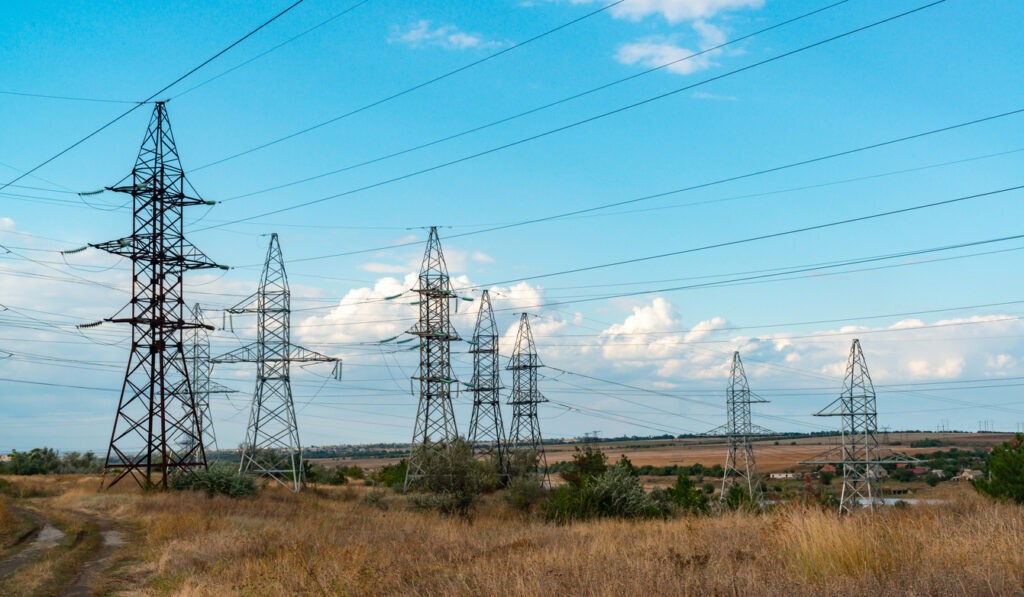
Afghanistan’s state-owned power company, Da Afghanistan Breshna Sherkat (DABS), has extended its electricity import agreement with Uzbekistan through the end of 2025. The agreement was signed in Uzbekistan by Abdul Bari Umar, the Taliban’s acting head of DABS, and representatives from the National Electricity Company of Uzbekistan.

This extension is vital for Afghanistan, where unreliable electricity continues to affect millions of people. According to the Ministry of Energy and Water under Taliban control, the country requires 1,500 megawatts of electricity. Of this, approximately 720 megawatts are imported, while the remainder is generated domestically.

Afghanistan remains heavily reliant on neighboring countries for power due to its limited domestic production capacity. Residents of Kabul and other regions frequently endure prolonged outages, fueling public frustration over the lack of a consistent power supply.

In recent months, DABS reported disruptions in electricity imports from Uzbekistan and Turkmenistan, leaving many areas without power. The outages were attributed to technical issues on the Uzbek side and storm-related problems in Turkmenistan. Both issues have since been resolved, and electricity transmission to Afghanistan has been restored.

The extended agreement with Uzbekistan represents a critical step in addressing Afghanistan’s energy needs, though long-term solutions to bolster domestic electricity production remain essential.

China to Build Wheat Processing Plant in Kazakhstan’s Akmola Region

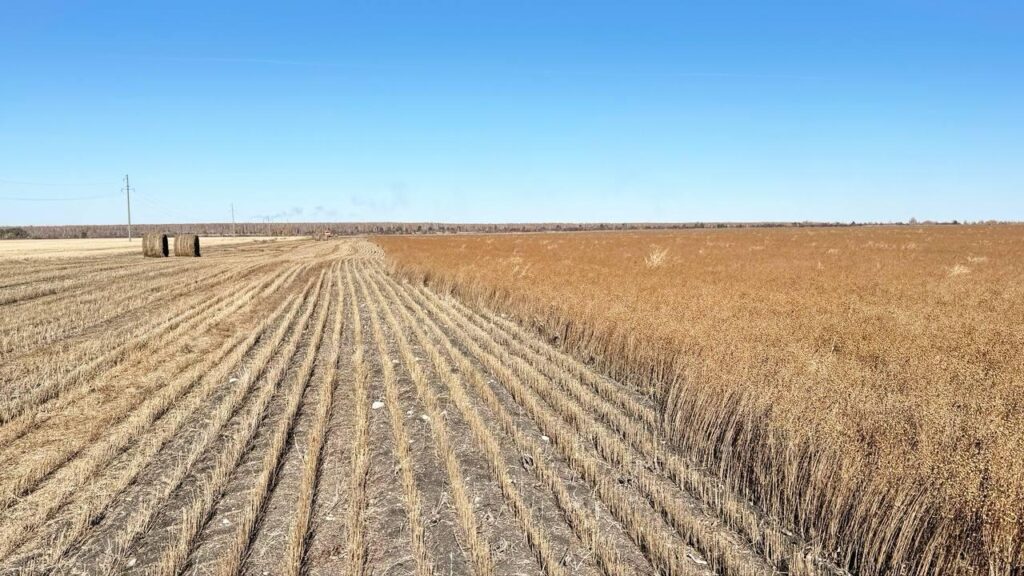
China’s Dalian Hesheng Holdings Group Co., Ltd. plans to establish a vertically integrated industrial park for the deep processing of wheat in Kazakhstan’s Akmola region. The project was discussed on December 18 during a meeting between Kazakhstan’s Prime Minister Olzhas Bektenov and a delegation from the Chinese company.

Investments in the project will total $500-$800 million for the initial phase, with an additional $1 billion planned for the second and third phases. The plant will process 1 million tons of wheat annually during the first phase, with capacity increasing to 3 million tons per year in subsequent phases. The initiative is expected to create approximately 2,000 jobs. Construction is set to begin in the second quarter of 2025.

The project will also include the construction of a coal-fired thermal power plant and a coal chemical complex capable of producing 150,000–400,000 tons of liquid ammonia annually.

Prime Minister Olzhas Bektenov underscored the importance of enhancing wheat processing and expanding the production of high-value-added products. He directed government agencies to expedite the signing of an investment agreement with Dalian Hesheng Holdings.

Kazakhstan has significant potential in deep grain processing, harvesting 16-17 million tons of grain annually. More than 260 different high-value-added products, such as bioethanol, gluten, and animal feed, can be derived from processed grain.

The Times of Central Asia previously reported that Chinese company Myande Group signed a memorandum of cooperation in July for the construction of a wheat processing plant in Kostanay. That facility will produce amino acids, bioethanol, gluten, animal feed, and wheat bran, further bolstering Kazakhstan’s grain processing sector.

Vietnamese Companies to Modernize Bishkek’s Wastewater Treatment Facilities

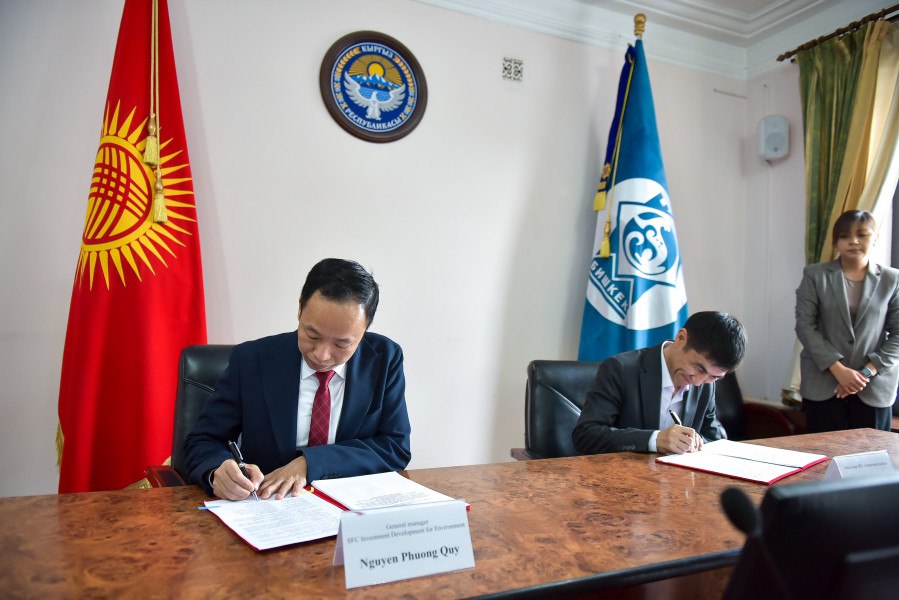
On December 18, the Bishkek City Administration signed a public-private partnership agreement with a consortium of Vietnamese companies – SFC Investment Development for Environment and Phu Dien Investment Construction and Trading. The agreement outlines plans for the reconstruction and modernization of the city’s wastewater treatment facilities.

The project aims to comprehensively upgrade Bishkek’s municipal wastewater treatment infrastructure using cutting-edge technologies. Key initiatives include:

  1. Equipping the municipal water supply company’s laboratory with advanced water quality analysis tools.
  2. Replacing outdated water chlorination systems with ultraviolet disinfection technology.
  3. Automating control processes for wastewater treatment.

The modernization is designed to ensure that treated wastewater meets both national and European environmental standards. It also aims to reduce environmental impact through the introduction of odor treatment systems.

Deputy Chairman of the Cabinet of Ministers and Minister of Water Resources, Agriculture, and Processing Industry, Bakyt Torobayev, highlighted the urgency of such projects during the National Water Forum on November 29. Torobayev noted that only 39.5% of Kyrgyzstan’s 2,014 cities and villages currently have access to clean drinking water. Addressing the country’s water infrastructure needs will require an estimated $2 billion.

The modernization of Bishkek’s wastewater treatment facilities represents a significant step forward in improving water management and ensuring sustainable development in Kyrgyzstan’s capital.

Turkmenistan Implements Gender-Sensitive Pedagogy in Education

The Ministry of Education of Turkmenistan, in collaboration with the United Nations Children’s Fund (UNICEF), has introduced new training materials on gender-sensitive pedagogy. The initiative aims to foster an inclusive educational environment that addresses the individual needs of children while enhancing the skills of professionals in education, healthcare, and social protection.

The materials are tailored for teachers, parents, and students, focusing on promoting gender-sensitive approaches in schools, kindergartens, and family settings. By equipping professionals with tools and strategies for inclusive practices, the program seeks to create a fair and equitable educational system for all children.

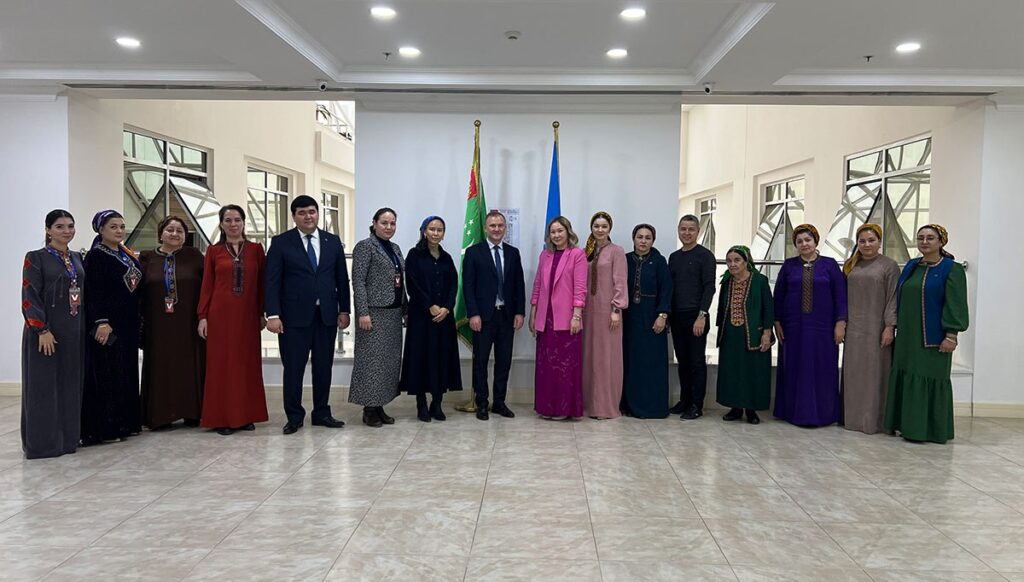
An orientation session for professionals working with children and families was recently held in Ashgabat. The event highlighted methodologies for integrating gender mainstreaming into education, with participants from educational institutions exploring new approaches and discussing their practical application.

Alexandru Nartea, Deputy Representative of UNICEF in Turkmenistan, underscored the significance of this initiative. “Integrating gender-sensitive approaches into the educational system is a vital step toward establishing a supportive environment that meets the needs of every child,” Nartea said. He added that the effort not only empowers educators but also helps shape societal values rooted in equality and inclusion.

Tomato Surplus in Turkmenistan and Uzbekistan Amid Low Russian Demand

Greenhouse vegetable farmers in Turkmenistan and Uzbekistan are grappling with a significant oversupply of tomatoes due to a decline in demand from Russian buyers, according to analysts at EastFruit.

Turkmenistan’s greenhouse farmers are reporting extreme difficulties in selling their produce, with prices falling below $1 per kilogram. “Demand in the Russian market has dropped sharply, continuously exerting downward pressure on prices,” noted the EastFruit report. Turkmenistan has rapidly expanded its greenhouse farming sector in recent years, increasing production volumes of tomatoes. However, the sharp decline in Russian purchasing power is presenting a major challenge.

Similarly, tomato prices in Uzbekistan have plummeted, averaging 32% lower than last year. Wholesale prices for red, round greenhouse tomatoes stand at $1.17 per kilogram for smaller quantities, with export prices similar to those in Turkmenistan. Despite these low prices, Uzbekistan often prioritizes exporting premium-quality tomatoes, which can fetch higher prices internationally than in the domestic market.

Uzbek exporters have highlighted the negative impact of the depreciation of the Russian ruble and financial instability in Russia. These factors have complicated the export of greenhouse vegetables to one of the region’s largest markets, exacerbating the difficulties faced by growers.