• KGS/USD = 0.01144 0%
  • KZT/USD = 0.00209 0%
  • TJS/USD = 0.10523 0%
  • UZS/USD = 0.00008 0%
  • TMT/USD = 0.28530 -0.14%
  • KGS/USD = 0.01144 0%
  • KZT/USD = 0.00209 0%
  • TJS/USD = 0.10523 0%
  • UZS/USD = 0.00008 0%
  • TMT/USD = 0.28530 -0.14%
  • KGS/USD = 0.01144 0%
  • KZT/USD = 0.00209 0%
  • TJS/USD = 0.10523 0%
  • UZS/USD = 0.00008 0%
  • TMT/USD = 0.28530 -0.14%
  • KGS/USD = 0.01144 0%
  • KZT/USD = 0.00209 0%
  • TJS/USD = 0.10523 0%
  • UZS/USD = 0.00008 0%
  • TMT/USD = 0.28530 -0.14%
  • KGS/USD = 0.01144 0%
  • KZT/USD = 0.00209 0%
  • TJS/USD = 0.10523 0%
  • UZS/USD = 0.00008 0%
  • TMT/USD = 0.28530 -0.14%
  • KGS/USD = 0.01144 0%
  • KZT/USD = 0.00209 0%
  • TJS/USD = 0.10523 0%
  • UZS/USD = 0.00008 0%
  • TMT/USD = 0.28530 -0.14%
  • KGS/USD = 0.01144 0%
  • KZT/USD = 0.00209 0%
  • TJS/USD = 0.10523 0%
  • UZS/USD = 0.00008 0%
  • TMT/USD = 0.28530 -0.14%
  • KGS/USD = 0.01144 0%
  • KZT/USD = 0.00209 0%
  • TJS/USD = 0.10523 0%
  • UZS/USD = 0.00008 0%
  • TMT/USD = 0.28530 -0.14%

Caspian Sturgeon Population Declines 90% Amid Ecological Crisis

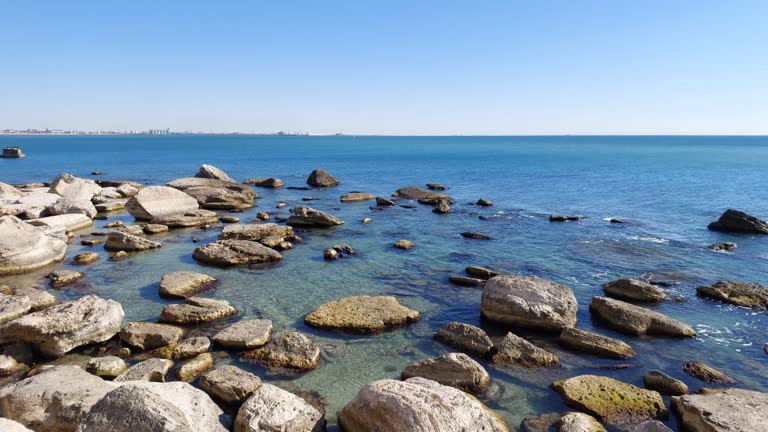
The sturgeon population in the Caspian Sea has plummeted by 90% over the past four decades, according to Sergei Ponomarev, a deputy of Kazakhstan’s Mazhilis (lower house of parliament). Speaking during a recent meeting of the Mazhilis Committee on Ecology, Ponomarev cited both the sea’s progressive shallowing and escalating environmental degradation caused by human activity as key contributors to the decline.

He emphasized that oil production and significant volumes of untreated domestic and industrial waste are the primary sources of pollution in the Caspian Sea. “Oil extraction suppresses the development of phytobenthos and phytoplankton, while sewage discharges have transformed the sea into a reservoir of infectious diseases. Biodiversity is in severe crisis,” he said.

The deteriorating water quality has also weakened the immune systems of marine species, leading to reduced disease resistance. As a result, the population of Caspian seals has dropped from one million to just 100,000, and sturgeon numbers have seen a dramatic 90% reduction, primarily due to reproductive disruptions at spawning sites.

Ponomarev warned of broader public health consequences in Kazakhstan’s Atyrau and Mangistau regions, including declining life expectancy and increasing cancer rates. He forecasted that by 2040, up to five million residents could become “ecological migrants” if conditions continue to worsen.

“The Caspian Sea Institute has been created, but it remains non-functional. We are losing invaluable time,” he said, urging the government to adopt a science-based approach to ecological monitoring and recovery efforts.

Kazakhstan approved the establishment of the Caspian Sea Institute in November 2023 to study and address the environmental degradation of the sea, including declining water levels and mass die-offs of marine life. However, Vice Minister of Ecology and Natural Resources Mansur Oshurbaev reported that funding remains unresolved. The ministry has requested KZT 1.8 billion ($3.4 million) from the government’s reserve for 2025 to operationalize the institute, which will be based in Aktau with a staff of 91.

Oshurbaev also highlighted efforts to develop an environmental sensitivity map for Kazakhstan’s Caspian coastline, aimed at preventing oil spills and aiding biodiversity conservation.

Kazakh scientists predict a consistent decline in the sea level, which could reach minus 33 meters by 2050, a scenario they warn would be catastrophic for the ecosystem. As previously reported by The Times of Central Asia, according to the global movement, Save the Caspian Sea, the water level has already dropped by two meters over the past 18 years. If this trend continues, the sea could shrink by another 18 meters by the end of the century, risking an ecological disaster comparable to the collapse of the Aral Sea.

Kyrgyzstan Seeks to Expand Labor Quotas for Work in the UK

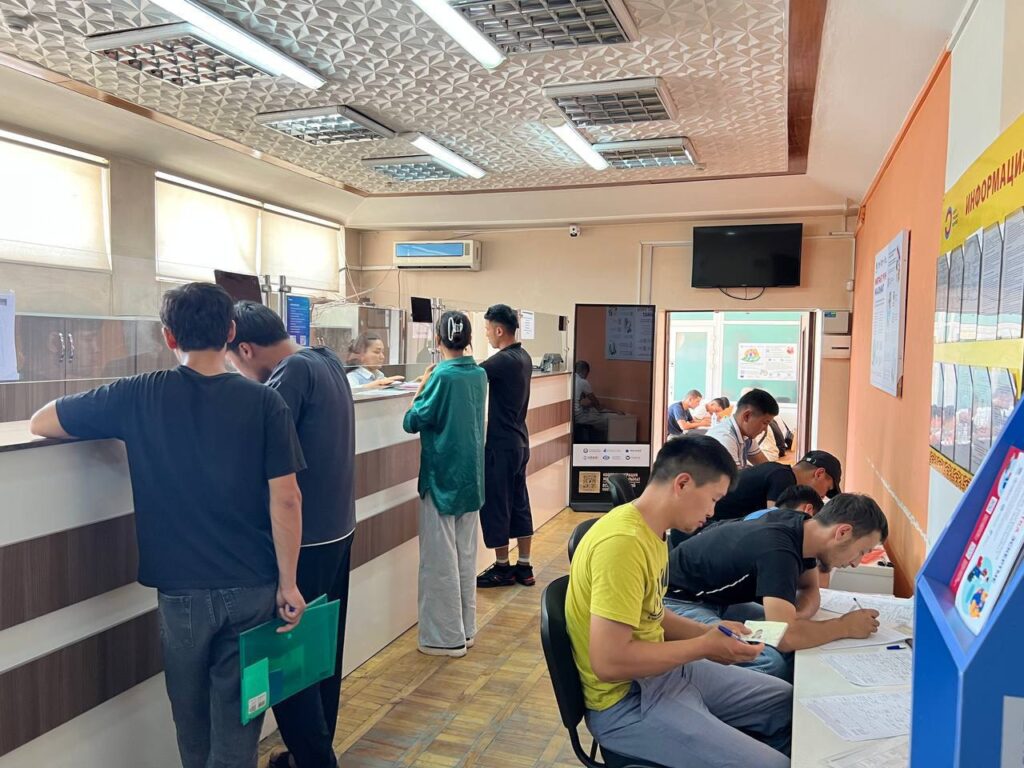
Seventeen thousand Kyrgyz citizens are expected to work in the United Kingdom this year under a state-sponsored employment program, according to Ulan Jusupov, Kyrgyzstan’s ambassador to the UK. Jusupov made the announcement during a session of the Jogorku Kenesh, the Kyrgyz parliament.

Addressing lawmakers, the ambassador noted that the number of Kyrgyz nationals seeking employment in the UK continues to grow each year, driven by more favorable working conditions compared to those in other European countries and Russia, where nearly 90% of Kyrgyz migrant workers are currently employed.

“In 2022, 4,500 of our citizens went to work in England. That number rose to 7,500 in 2023, and in 2024 it has increased to 10,000,” Jusupov said.

The Times of Central Asia has previously reported on the challenges Kyrgyz labor migrants face in Europe, with many choosing to leave Russia due to frequent legal issues and labor disputes. As a result, an increasing number are turning to the Center for Employment of Citizens Abroad (CTHR) for assistance in securing work in alternative destinations.

In 2022, CTHR signed a memorandum of cooperation with British recruitment company AGRI-HR to facilitate seasonal employment for Kyrgyz nationals in the UK. While AGRI-HR primarily focuses on jobs in the agricultural sector, CTHR also offers a range of vacancies in a range of other places, including Slovakia, the Middle East, Southeast Asia, and Russia.

According to CTHR, other favorable countries for Kyrgyz workers include Germany, Italy, France, South Korea, and the United Arab Emirates. Most opportunities in these regions are in agriculture and related fields, and Kyrgyz citizens can legally work there under established programs.

During the parliamentary session, members of the Committee on International Affairs, Defense, Security, and Migration urged Jusupov to enhance the embassy’s efforts in safeguarding the rights and interests of Kyrgyz labor migrants in the UK. Lawmakers also called for an increase in labor quotas and requested that the embassy conduct educational outreach for prospective workers, informing them about British culture, labor ethics, and legal rights prior to their departure.

Russia and Tajikistan to Open Joint Industrial Park by 2030

Russia and Tajikistan are planning to establish a joint industrial park in Tajikistan by 2030, in a move aimed at significantly boosting bilateral trade. The announcement was made by the Russian Ministry of Industry and Trade in a recent statement.

The industrial park, to be built in Tajikistan and managed by the Russian side, is designed to facilitate the entry of more Russian industrial companies into the local market. According to officials, the project seeks to increase trade between the two countries by 2.5 times within the next five years.

The initiative is part of Russia’s national project on international cooperation and export, and participation will be open to companies from both Russia and other countries. Products manufactured at the site are expected to be sold not only within Tajikistan but also across neighboring countries in Central Asia.

Details of the project were presented in Dushanbe by Artur Galiullin, Deputy Director of the Department for International Cooperation and Export Licensing. His remarks came during a visit to the Korgohi Machine Building Enterprise.

As previously reported by The Times of Central Asia, Tajikistan has made substantial progress in shifting trade settlements with Russia to the ruble. According to Firdavs Tolibzoda, Chairman of the National Bank of Tajikistan, over 90% of trade transactions are now conducted in Russian currency, a sharp departure from 2021, when trade was evenly split between the ruble and the U.S. dollar.

Uzbekistan Attracts Over $8.7 Billion in Foreign Investment in First Quarter of 2025

Uzbekistan attracted more than $8.7 billion in foreign investment during the first quarter of 2025, marking a nearly 20% increase compared to the same period last year, according to President Shavkat Mirziyoyev’s press service.

The investment influx is being channeled into strategic sectors such as energy, metallurgy, chemicals, pharmaceuticals, transport, agriculture, water management, and public services. The government is placing particular emphasis on generating added value and creating new employment opportunities.

By the end of the first half of the year, total foreign investment is projected to exceed $18 billion. For all of 2025, Uzbekistan aims to attract $42 billion in foreign investment and carry out 81 large-scale projects along with more than 8,000 small and medium-sized initiatives.

In support of these goals, Mirziyoyev recently signed a decree aimed at bolstering production, exports, and entrepreneurship. Starting June 1, 2025, foreign nationals and stateless persons will be eligible to obtain a five-year residence permit by paying $200,000. An additional fee of $100,000 will apply for each accompanying family member, including spouses, children, and parents.

Moscow’s MGIMO University to Open Branch in Astana

The Moscow State Institute of International Relations (MGIMO), one of Russia’s most prestigious universities and the flagship institution of the Russian Ministry of Foreign Affairs, will open a branch in Astana in September 2025, according to Kazakhstan’s Ministry of Science and Higher Education.

The Astana branch, known as MGIMO-Astana, will initially offer two undergraduate programs: World Mineral Resources and Energy Markets and Analysis and Modeling of Socioeconomic and Business Processes. Two master’s degree programs will also be available: Financial Economics and Financial Technologies and Multilateral Institutions and Management of Global Technological Development.

Applicants will have the opportunity to apply for academic grants, though tuition-based enrolment will also be available. Instruction will be conducted by MGIMO professors from Moscow, complemented by local faculty trained in the university’s academic standards and methodologies.

MGIMO-Astana will initially operate from the campus of the L.N. Gumilyov Eurasian National University, before moving to its own dedicated campus. Planning and design for the new facility are already underway.

This will be MGIMO’s second international branch. Its first overseas campus, MGIMO-Tashkent, opened in Uzbekistan and currently offers six undergraduate and graduate programs, all taught by MGIMO faculty and tailored to the local academic landscape.

As The Times of Central Asia previously reported, Cardiff University in Wales also plans to open a campus in Astana later this year, underscoring the Kazakh capital’s growing role as a regional hub for higher education.

Turkmenistan Launches Eco-Friendly Stone Paper Production

Turkmenistan has inaugurated its first-ever production of environmentally friendly stone paper, marking a milestone in the country’s industrial development. The initiative was launched in Ak Bugday etrap of Ahal province by the Derýa Ýoly Economic Society under the Ekoston brand. The facility has an annual production capacity of 5,500 tons.

The company’s products attracted significant attention at an exhibition commemorating the 17th anniversary of the Union of Industrialists and Entrepreneurs of Turkmenistan. Stone paper is noted for its eco-friendliness, high durability, and broad range of applications.

Manufactured from calcite and polymers without the use of toxic plasticizers, the production process does not involve water consumption, deforestation, or the emission of harmful gases. It also generates no wastewater, making the process both safe and environmentally sustainable.

Experts report that the material begins to degrade under exposure to sunlight and rain within 10-12 months, without polluting the environment. Even when incinerated, stone paper produces no black smoke or toxic fumes, and the residue is recyclable.

Moisture-resistant, tear-proof, and insect-repellent, the product is safe for contact with food, making it suitable for school notebooks, printed materials, packaging, and disposable tableware. The product meets international environmental safety standards and is positioned as a viable alternative to conventional paper in both everyday and industrial use.

Alongside the stone paper initiative, other areas of applied science are gaining momentum in Turkmenistan, where local scientists have developed a rejuvenating gel derived from milk whey, rich in proteins, vitamins, and minerals. The gel is designed to improve the skin’s protein and moisture balance while promoting regeneration.

Additionally, Turkmen researchers have pioneered a microencapsulation technology for camel thorn extract, a plant renowned for its medicinal qualities. This innovation holds potential applications in both the pharmaceutical and food industries.