• KGS/USD = 0.01144 0%
  • KZT/USD = 0.00216 0%
  • TJS/USD = 0.10456 0%
  • UZS/USD = 0.00008 0%
  • TMT/USD = 0.28490 0%
  • KGS/USD = 0.01144 0%
  • KZT/USD = 0.00216 0%
  • TJS/USD = 0.10456 0%
  • UZS/USD = 0.00008 0%
  • TMT/USD = 0.28490 0%
  • KGS/USD = 0.01144 0%
  • KZT/USD = 0.00216 0%
  • TJS/USD = 0.10456 0%
  • UZS/USD = 0.00008 0%
  • TMT/USD = 0.28490 0%
  • KGS/USD = 0.01144 0%
  • KZT/USD = 0.00216 0%
  • TJS/USD = 0.10456 0%
  • UZS/USD = 0.00008 0%
  • TMT/USD = 0.28490 0%
  • KGS/USD = 0.01144 0%
  • KZT/USD = 0.00216 0%
  • TJS/USD = 0.10456 0%
  • UZS/USD = 0.00008 0%
  • TMT/USD = 0.28490 0%
  • KGS/USD = 0.01144 0%
  • KZT/USD = 0.00216 0%
  • TJS/USD = 0.10456 0%
  • UZS/USD = 0.00008 0%
  • TMT/USD = 0.28490 0%
  • KGS/USD = 0.01144 0%
  • KZT/USD = 0.00216 0%
  • TJS/USD = 0.10456 0%
  • UZS/USD = 0.00008 0%
  • TMT/USD = 0.28490 0%
  • KGS/USD = 0.01144 0%
  • KZT/USD = 0.00216 0%
  • TJS/USD = 0.10456 0%
  • UZS/USD = 0.00008 0%
  • TMT/USD = 0.28490 0%

Chinese Investor to Launch $400 Million Cotton Cluster in Southern Kazakhstan

Chinese company Xinjiang Lihua (Group) Co., Ltd. plans to invest nearly $400 million to establish a cotton-textile cluster in Kazakhstan’s Turkestan region. The announcement was made by Zhang Qihai, Chairman of the Board of Directors of Xinjiang Lihua, during a meeting with Kazakhstan’s Prime Minister Olzhas Bektenov.

The large-scale investment project will be implemented within the TURAN Special Economic Zone, located in southern Kazakhstan. It envisions a vertically integrated cotton agro-industrial complex, from cultivation to the production of finished textile goods, including yarn, fabric, and clothing.

More than 50,000 hectares of land have been allocated for cotton cultivation. The project also includes the construction of ten factories. Two of these will manufacture drip irrigation systems using modern water-saving technologies. Four others will handle the primary processing of cotton near the fields. The remaining four facilities, including garment, dyeing, and finishing factories, will produce the final textile products.

The total investment exceeds 200 billion tenge (approximately $398 million), and the cluster is expected to create 3,000 permanent jobs in the region.

To support the project’s needs, a plant for producing polyvinyl chloride (PVC) pipes has already been launched, and construction of the textile factories is underway. Xinjiang Lihua is also developing an irrigation system, including a canal network fed by a dedicated pumping station.

Chairman Zhang Qihai praised Kazakhstan’s favorable investment climate and the region’s suitable agricultural conditions. He noted that the first finished products from the cluster are scheduled for release by October this year.

“The creation of a cotton-textile cluster in Turkestan Region contributes to increasing the added value of domestic products, promoting agricultural development through processing, and enhancing the country’s export potential,” said Prime Minister Olzhas Bektenov. “The government will provide all necessary support for this initiative.”

As previously reported by The Times of Central Asia, China also plans to support the establishment of a Scientific and Technical Innovation Center for Hydrogen Energy in Kazakhstan.
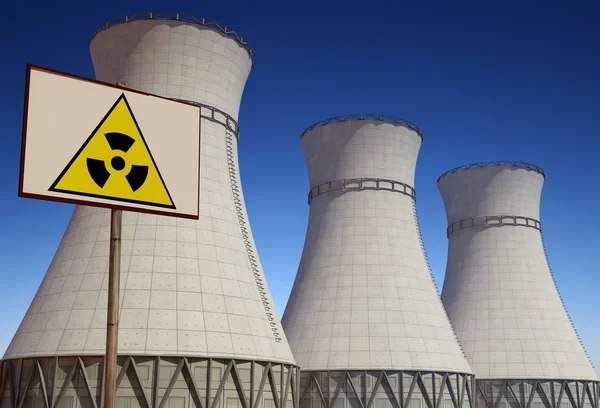

Uzbekistan Looks to Nuclear Power for Energy Security

Uzbekistan is moving forward with plans to build its first nuclear power plant, a project that officials say is critical to the country’s long-term energy security. In an interview with the Alter Ego YouTube project, Azim Akhmadkhodjaev, head of Uzbekistan’s Atomic Energy Agency, argued that nuclear power is the only viable alternative to continued reliance on imported fossil fuels.

“Let’s continue to import high-calorie coal, burn it, and poison our environment. Let’s import tens of billions of cubic meters of gas and spend money on it. Or we can build a few nuclear power plants, reduce the cost of electricity, and become energy independent. Will we achieve energy independence? Undoubtedly, yes,” Akhmadkhodjaev said.

A Strategic Partnership with Global Players

The nuclear power project is being developed with Russian technical support, but Akhmadkhodjaev emphasized that this does not compromise Uzbekistan’s sovereignty. The plant will be fully owned and operated by Uzbekistan, with local specialists overseeing daily operations.

“The nuclear island will be Russian because this technology is the most reliable and proven. However, the automated control system will be based on European technology, and the turbine equipment will be made in Europe or China,” he explained.

In addition to Russian expertise, Uzbekistan is engaging with several French companies. Negotiations are ongoing with Assystem for technical support, Bureau Veritas for training specialists, and Framatome for managing key technical aspects of the project.

Balancing Energy Sources

While pursuing nuclear energy, Uzbekistan is also working to boost the share of renewables in its energy mix, from 16% today to 54% by 2030. Energy analysts say that a diversified portfolio, combining nuclear and renewable sources, will help the country meet its energy needs while minimizing environmental harm.

Kyrgyz Drivers to Face On-the-Spot Traffic Rule Tests During Stops

Beginning September 1, drivers in Kyrgyzstan may be required to demonstrate their knowledge of traffic regulations during routine stops by traffic police. The directive aims to reduce road accidents by ensuring that motorists are familiar with basic driving rules.

The new policy was announced by government spokesperson Askat Alagozov on his Facebook page.

Oral Exams During Traffic Stops

Under the initiative, drivers found violating traffic rules may be asked to take an oral exam on the spot. Those who fail will have their driver’s license temporarily suspended until they pass the test.

According to Alagozov, the fee for the first retest attempt will be 500 Kyrgyz som (approximately $5.70). The cost increases with each failed attempt, 1,000 KGS ($11.50) for the second, 2,000 KGS ($23) for the third, and 4,000 KGS ($46) for the fourth try.

The entire testing process will be recorded on video to help prevent corruption. Drivers will regain their licenses immediately upon successfully passing the exam.

A Response to Rising Road Fatalities

Alagozov said the initiative responds to the country’s high number of traffic accidents, which have claimed hundreds of lives. He attributed many of these incidents to drivers lacking basic knowledge of road safety rules.

“Because of those who do not know the rules of the road, children become orphans, parents lose their sons and daughters, experiencing terrible tragedies. Many become disabled,” he said.

He added that prior to 2020, driver’s licenses were routinely sold for 15,000 to 20,000 KGS ($80 to $150), with only 20-30% of motorists having actually passed the required exams.

Mixed Reactions From the Public

The initiative has sparked heated debate on social media. While some citizens support the move as a necessary step toward improving road safety, others fear it could open the door to new forms of corruption and extortion by traffic police.

Authorities maintain that the video-recorded testing procedure will act as a safeguard against abuse, and insist the new policy is a serious step toward safer roads in Kyrgyzstan.

Britain’s Victoria Oil & Gas Files Multimillion-Dollar Lawsuit Against Kazakhstan

British company Victoria Oil & Gas has filed a multimillion-dollar lawsuit against the government of Kazakhstan under the Energy Charter Treaty. The development was reported by Energy Monitor, a Telegram channel focused on Kazakhstan’s energy sector.

Dispute Centers on Kemerkol Oil Field

The legal proceedings are registered with the International Centre for Settlement of Investment Disputes (ICSID), a World Bank-affiliated body.

The case stems from a longstanding dispute over the Kemerkol oil field in Kazakhstan’s Atyrau region. In 2005, Victoria Oil & Gas acquired a 100% stake in the field from Saga Creek Gold Ltd for $8.5 million. After drilling several wells, the company estimated the field’s geological reserves at approximately 15 million tons of oil.

Unexplained Contract Termination

In 2008, Kazakhstan’s authorities terminated the subsoil use contract without providing an official explanation. That same year, Kazakh company Bakyt Tau purchased the rights to the field from Saga Creek Gold Ltd for 360 million tenge (approximately $3 million at the 2008 exchange rate).

In 2016, Bakyt Tau transferred the development license to Up-Nafta Operating for 1.36 billion tenge (nearly $4 million at the 2016 rate). The company continued exploration and drilling operations. By 2022, the State Reserves Commission reported the following:

  • C1 category geological reserves: 2.35 million tons; recoverable: 588,000 tons
  • C2 category reserves: 652,000 tons; recoverable: 29,000 tons

As of 2023, actual oil production totaled just 14,700 tons, with 12 active wells and an average water cut of 79%.

Legal Strategy or Political Statement?

Given the field’s modest reserves and limited output, some experts suggest the lawsuit may be more political than economic. Energy Monitor noted:

“The field is clearly not worth hundreds of millions of dollars, unlike the Stati case involving the Borankol and Tolkyn fields. Most likely, the lawsuit has a political context rather than an economic one.”

Victoria Oil & Gas first raised the prospect of arbitration in April 2021. The case has now been officially registered under ICSID case number ARB/25/13, signaling the start of formal legal proceedings.

Implications for Kazakhstan

While the precise amount of the claim has not been disclosed, Victoria Oil & Gas is expected to seek compensation for lost investments and projected profits. However, given the field’s limited commercial viability, many industry observers question the likelihood of a favorable ruling.

The case adds to Kazakhstan’s growing docket of international arbitrations, including the high-profile Stati brothers’ case. Analysts warn the dispute could affect the country’s investment climate and its bargaining position in future energy negotiations.

How Nauryz Was Celebrated in Kazakhstan: Traditions and Festivities in Astana, Almaty, and Taraz

Nauryz, one of Kazakhstan’s most cherished holidays, marks the arrival of spring and the renewal of nature. This year, cities across the country held vibrant celebrations, blending national traditions with festive performances and heartfelt hospitality.

Astana: Festivities at the EXPO Site

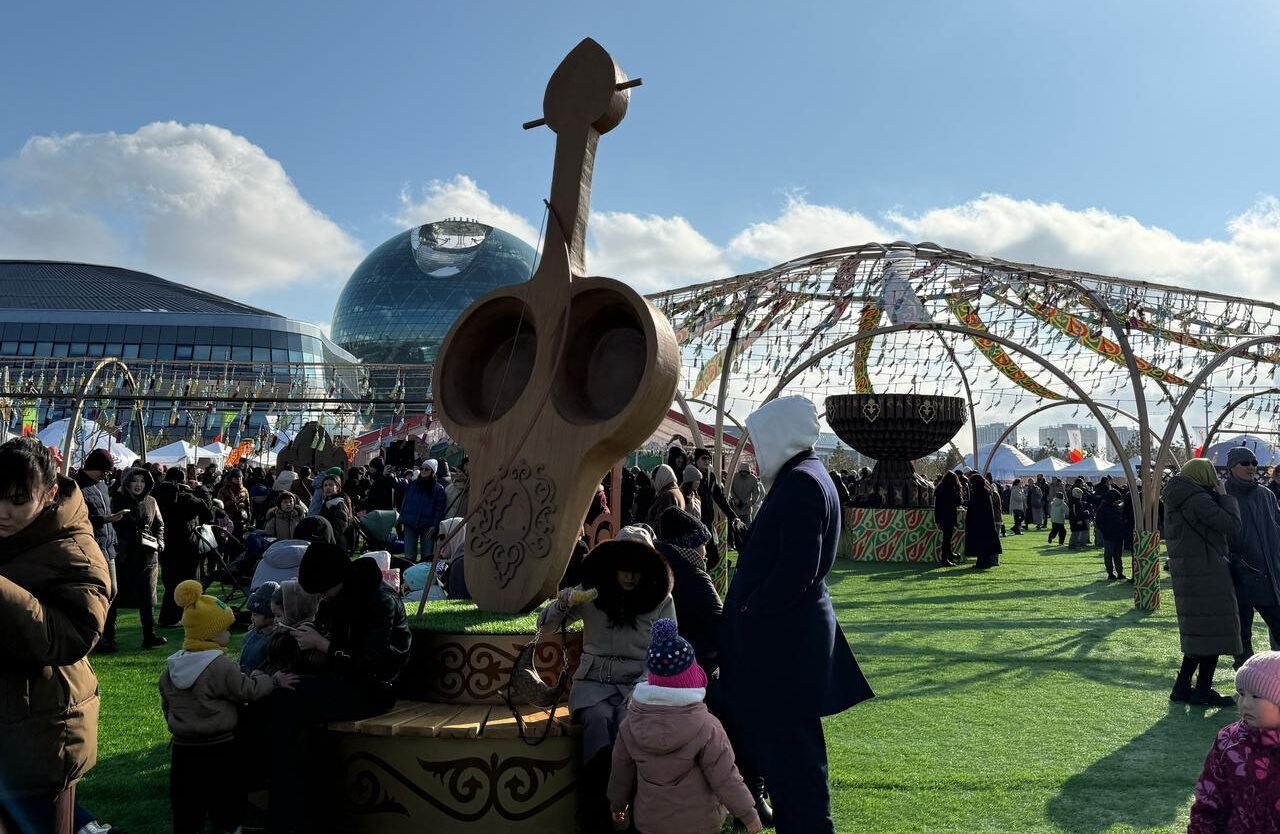
In Kazakhstan’s capital, the main Nauryz celebrations took place at the EXPO site, where a grand stage hosted performances by folk artists. Attendees enjoyed traditional dances, songs, and theatrical productions that showcased the cultural legacy of the Kazakh people.

The city was adorned with national ornaments and bright spring-themed decorations, creating an atmosphere of renewal and joy. In addition to the cultural program, sports competitions were held, drawing both professional and amateur participants.

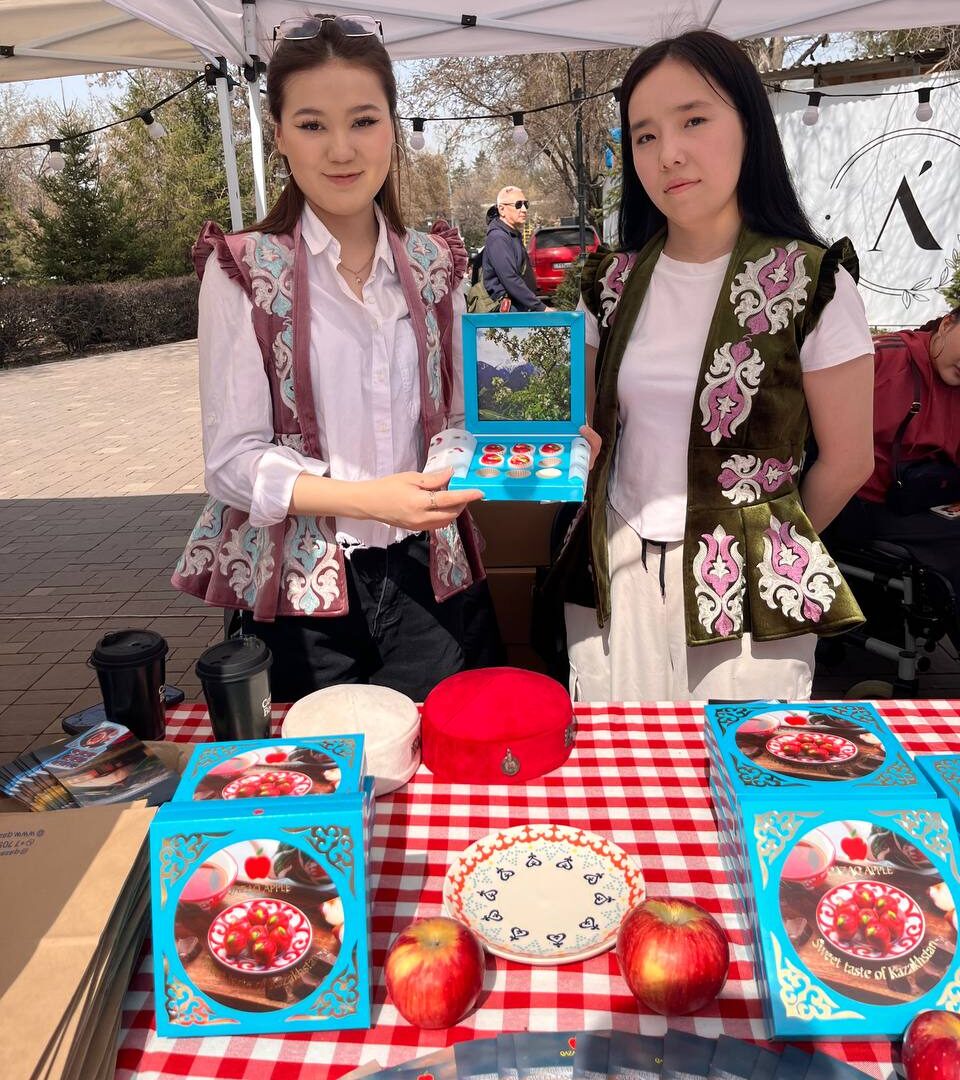
A bustling crafts fair was a central attraction, offering handmade felt goods, traditional attire, and jewelry crafted by local artisans.

Almaty: Ethno-Festival Meets Innovation

In Almaty, Nauryz was marked by large-scale festivities in Central Park, headlined by an ethno-festival featuring yurt villages and traditional Kazakh delicacies like baursaki, koumiss, and Nauryz kozhe. Folk ensembles performed kui and songs, immersing visitors in a celebratory ambiance.

A standout feature of the event was its integration of modern technology. A robot chef, for instance, fried baursaki on-site in an eye-catching fusion of tradition and innovation.

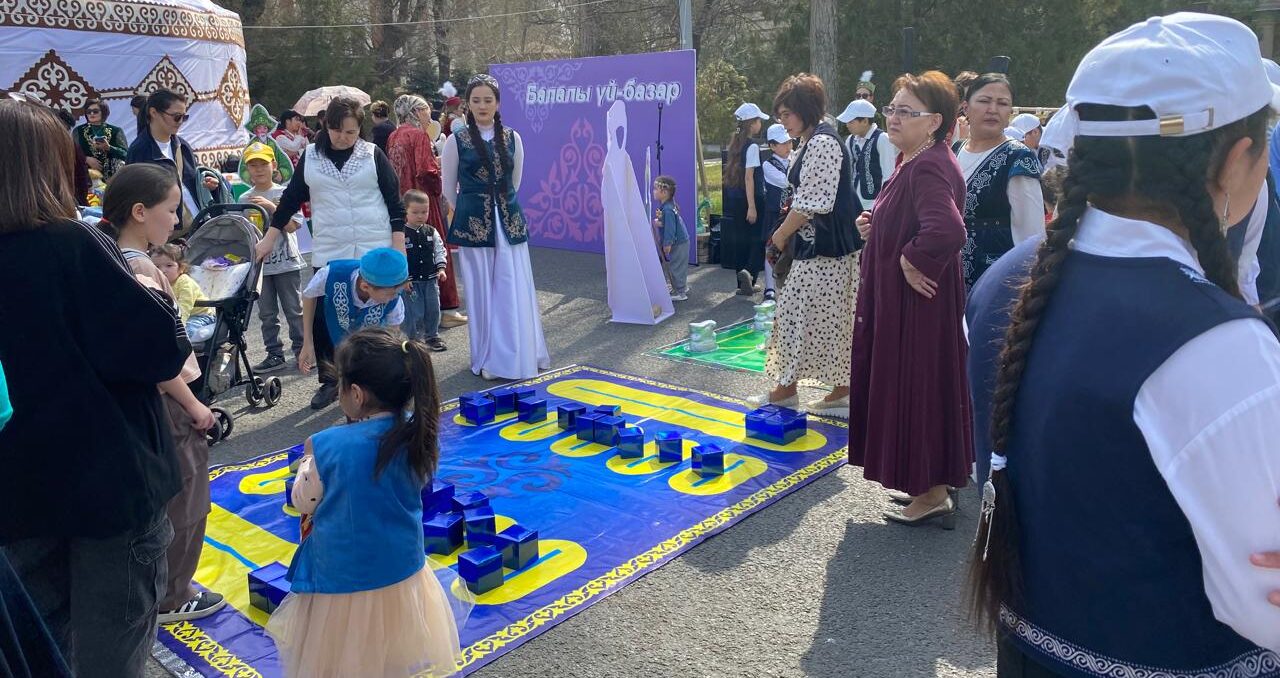
Prominent brands showcased their goods, and interactive workshops for children included felt weaving, ceramic painting, and dombra playing. As night fell, the city transitioned into lively Nauryz-themed parties, where national melodies blended with contemporary hits. Themed cocktails inspired by spring renewal added a modern twist to the age-old celebration.

Image: ТСА, Tamila Olzhbaekova

Taraz: Art, Crafts, and Nomadic Spirit

In Taraz, the streets came alive with folk art exhibitions. Inside ornately decorated yurts, local artists displayed paintings depicting Kazakh landscapes, mountains, rivers, and historic sites.

Woodcarvers showcased their craft through traditional musical instruments, utensils, and intricately carved animal figures and jewelry. Every detail reflected national symbolism, echoing the life and spirit of the steppe.

Visitors were also greeted by performers in authentic Kazakh armor, with men dressed in nomadic attire reenacting historical scenes. Batyrs holding majestic eagles evoked the ancient tradition of falconry, drawing crowds eager to connect with Kazakhstan’s nomadic past.

Image: ТСА, Tamila Olzhbaekova

Nauryz in Kazakhstan is more than just a spring festival, it’s a heartfelt return to cultural roots, a celebration of heritage, and a joyful embrace of a new beginning. Whether in Astana, Almaty, Taraz, or beyond, the holiday brings people together in a shared spirit of kindness, unity, and renewal.

Nauryz in the 21st Century: From Tradition to Modernity

Nauryz today is more than a family gathering, it has evolved into a large-scale celebration that reflects the rhythms of modern life. In the 21st century, the holiday is undergoing significant transformation, adapting to contemporary realities and the interests of younger generations. From its origins as a symbol of nature’s renewal, Nauryz has become a vibrant cultural event, taking on new forms that resonate with today’s youth.

Festivals, Fairs, and Concerts

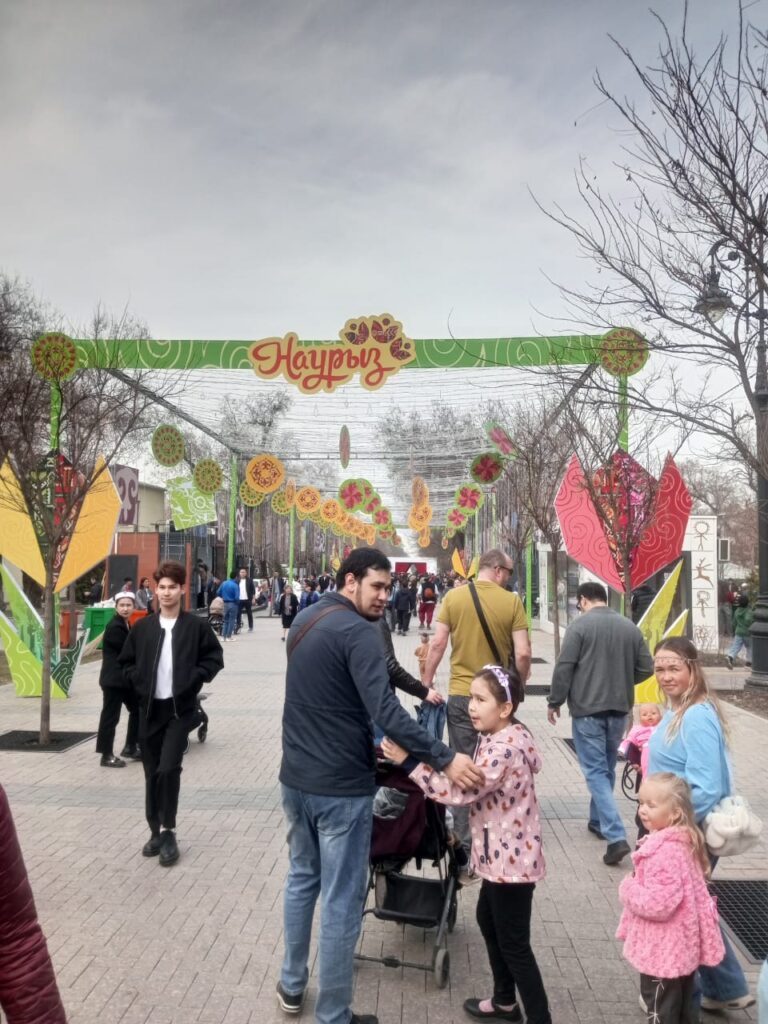
Major cities across Kazakhstan, Kyrgyzstan, Uzbekistan, and Tajikistan host public festivities that attract thousands. “Nauryz has become much more modern in recent years. We go to big street concerts and festivals, and often to fairs to buy jewelry or clothes with national symbols,” said Bekzat, 18, from Astana.

Image: ТСА, Askar Kubaizhanov

Traditional customs, such as folk games, rituals, and craft demonstrations, are now seamlessly integrated with contemporary entertainment. In Kazakhstan and Kyrgyzstan, open-air celebrations often feature both traditional music and modern remixes of popular hits. Attendees proudly wear clothing adorned with national motifs, creating a festive and stylish atmosphere that highlights the holiday’s distinct cultural identity.

“My friends and I celebrate Nauryz at parties. This year we’re going to a small event in one of Almaty’s bars, where there’ll be special cocktails and national music mixed with pop hits,” said Karina, 21, from Almaty.

Social Media and Cinema

Social networks play an increasingly central role in shaping how Nauryz is celebrated. Young people actively share their experiences, while public spaces transform into cultural hotspots. Photos and videos from events flood social media, with specially designed photo installations becoming popular attractions and digital art objects.

Cinematic representations of Nauryz also help preserve and spread its traditions. State-run TV channels broadcast films and programs dedicated to the holiday, while bloggers contribute with curated content, compilations, and themed podcasts. This creates a dynamic flow of information that enhances awareness of the holiday’s cultural significance.

Image: ТСА, Askar Kubaizhanov

Culinary Celebrations

Businesses, too, have embraced Nauryz. Restaurants and cafes offer themed menus featuring traditional dishes, while stores roll out special promotions, discounts, and gifts. These commercial efforts not only maintain the festive spirit but also offer opportunities for economic engagement.

Nauryz in the 21st century stands as a vivid example of how tradition and modernity can coexist. It continues to attract people of all ages, celebrating cultural heritage while evolving to reflect the tastes and lifestyles of contemporary society.