• KGS/USD = 0.01144 0%
  • KZT/USD = 0.00213 0%
  • TJS/USD = 0.10456 0.19%
  • UZS/USD = 0.00008 0%
  • TMT/USD = 0.28490 0%
  • KGS/USD = 0.01144 0%
  • KZT/USD = 0.00213 0%
  • TJS/USD = 0.10456 0.19%
  • UZS/USD = 0.00008 0%
  • TMT/USD = 0.28490 0%
  • KGS/USD = 0.01144 0%
  • KZT/USD = 0.00213 0%
  • TJS/USD = 0.10456 0.19%
  • UZS/USD = 0.00008 0%
  • TMT/USD = 0.28490 0%
  • KGS/USD = 0.01144 0%
  • KZT/USD = 0.00213 0%
  • TJS/USD = 0.10456 0.19%
  • UZS/USD = 0.00008 0%
  • TMT/USD = 0.28490 0%
  • KGS/USD = 0.01144 0%
  • KZT/USD = 0.00213 0%
  • TJS/USD = 0.10456 0.19%
  • UZS/USD = 0.00008 0%
  • TMT/USD = 0.28490 0%
  • KGS/USD = 0.01144 0%
  • KZT/USD = 0.00213 0%
  • TJS/USD = 0.10456 0.19%
  • UZS/USD = 0.00008 0%
  • TMT/USD = 0.28490 0%
  • KGS/USD = 0.01144 0%
  • KZT/USD = 0.00213 0%
  • TJS/USD = 0.10456 0.19%
  • UZS/USD = 0.00008 0%
  • TMT/USD = 0.28490 0%
  • KGS/USD = 0.01144 0%
  • KZT/USD = 0.00213 0%
  • TJS/USD = 0.10456 0.19%
  • UZS/USD = 0.00008 0%
  • TMT/USD = 0.28490 0%

Uzbekistan Energizes Growth with $7 Billion in New Energy Projects

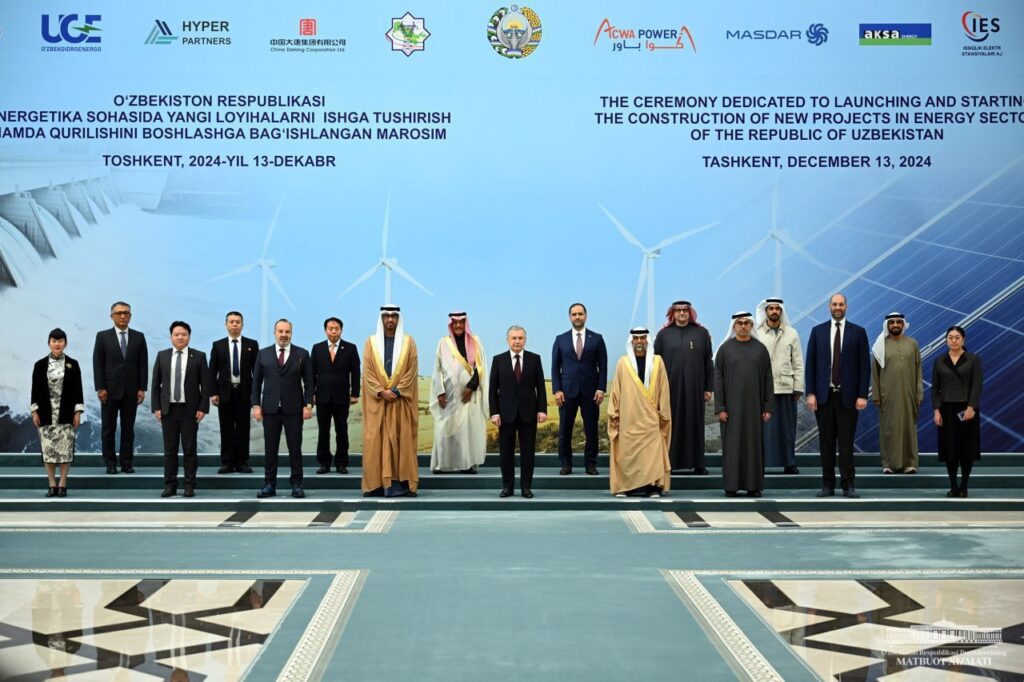
On December 13, Uzbekistan’s President Shavkat Mirziyoyev inaugurated operations for 18 new energy facilities and launched the construction of six additional projects. Together, the 24 initiatives represent an investment of over $7 billion.

The ceremony marked a significant milestone for Uzbekistan’s energy sector, connecting the national power grid to five solar and wind power plants with a combined capacity of approximately 2,300 megawatts. Additionally, five high-voltage substations were commissioned in the Bukhara, Navoi, Namangan, and Tashkent regions. The country’s first energy storage system, with a capacity of 300 megawatts, began operations in the Andijan and Fergana regions.

New power facilities launched include a 400-megawatt plant in Kashkadarya, a modern cogeneration plant in Tashkent, and four small hydroelectric power plants in Andijan, Surkhandarya, and Tashkent regions. Mirziyoyev also initiated construction on six power-generating facilities with a total capacity of 2.5 gigawatts in the Fergana, Samarkand, Navoi, and Tashkent regions, as well as in the city of Tashkent.

These projects will collectively produce an additional 9.5 billion kilowatt-hours of electricity, sufficient to power more than 4 million households. They are also expected to save 2.5 billion cubic meters of natural gas and reduce emissions by 4.6 million tons annually.

Foreign Investment Fuels Energy Transformation

Mirziyoyev highlighted the pivotal role of foreign investment in these initiatives. Companies from the United Arab Emirates, Saudi Arabia, Turkey, China, and Germany are leading the projects, supported by international financial institutions such as the Asian Development Bank, the Islamic Development Bank, the European Bank for Reconstruction and Development, and the World Bank.

Uzbekistan aims to produce 84 billion kilowatt-hours of electricity in 2025—an increase of 25 billion kilowatt-hours compared to 2016. Over the past five years, the energy sector has attracted $20 billion in foreign direct investment. Solar and wind power plants with a total capacity of 3,500 megawatts have already been launched, producing 10 billion kilowatt-hours annually and raising the share of “green” energy to 16% of the total energy mix.

The country’s GDP reached a historic $100 billion last year, and plans are underway to double this to $200 billion by 2030. Such economic growth will drive a 1.5-fold increase in electricity demand over the next five years.

Key Priorities for Uzbekistan’s Energy Sector

Mirziyoyev outlined three strategic priorities for the energy sector:

  1. Expansion of Renewable Energy
    By 2030, Uzbekistan plans to add 19,000 megawatts of renewable energy capacity, increasing the share of “green” energy to 54%. In 2025, the country will commission 18 solar and wind power plants with a combined capacity of 3,400 megawatts, along with energy storage systems totaling 1,800 megawatts. This is expected to boost “green” energy production to 12 billion kilowatt-hours annually.
  2. Liberalization of the Electricity Market
    Uzbekistan will continue to liberalize its electricity market, with plans to establish a competitive wholesale electricity market by the end of 2025. Public-private partnerships will be introduced in energy distribution, and $4 billion will be invested to modernize power grids across the country.
  3. Expanding International Cooperation
    The government will enhance international collaboration in renewable energy, building on recently signed agreements with Kazakhstan, Azerbaijan, and Saudi Arabia. These partnerships aim to export “green” energy to Europe, positioning Uzbekistan as a key player in global renewable energy trade.

A Vision for the Future

Uzbekistan’s ambitious energy initiatives underscore its commitment to sustainable development and economic growth. By leveraging foreign investment, fostering innovation, and expanding renewable energy capacity, the country is positioning itself as a regional leader in “green” energy while meeting the rising demands of its rapidly growing economy.

Akylbek Japarov Dismissed as Kyrgyzstan’s Cabinet Chief

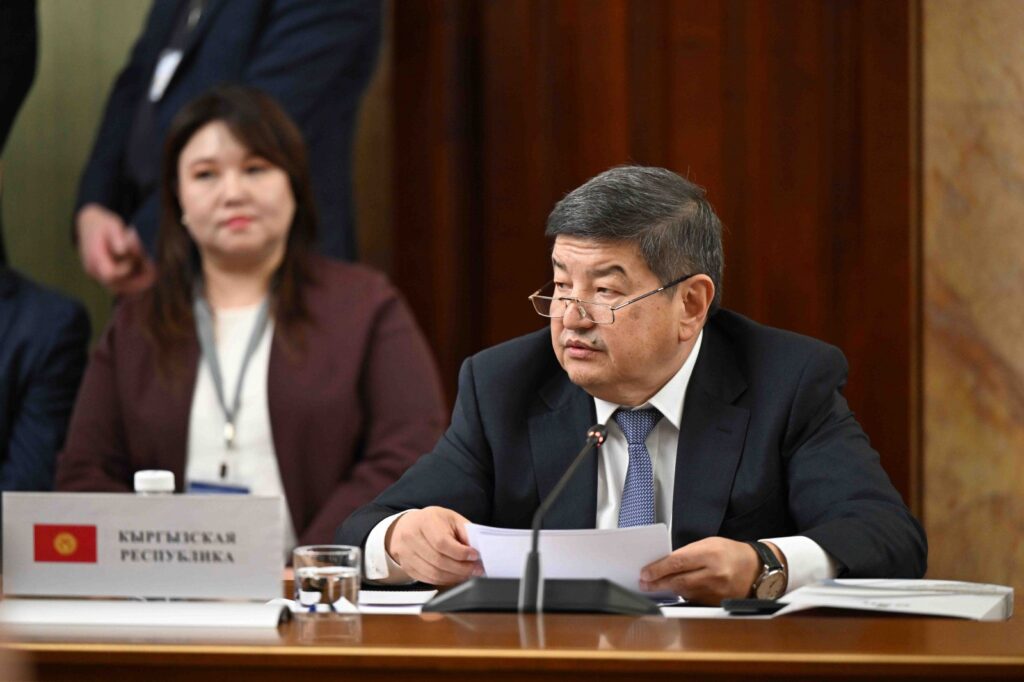
On December 16, Kyrgyzstan’s head of the Cabinet of Ministers and Presidential Administration, Akylbek Japarov was dismissed from his position. Sources within the presidential administration confirmed the news to The Times of Central Asia.

According to reports, President Sadyr Japarov has signed a decree formalizing the resignation. Akylbek Japarov is expected to be appointed as an advisor to the president. In the interim, Adylbek Kasymaliev, the first deputy head of the Cabinet of Ministers, will serve as acting prime minister. The appointment of a permanent successor has yet to be announced.

After a long political career including, holding posts under former president’s Akayev an Bakiev, Akylbek Japarov’s return to the forefront of Kyrgyz politics under President Japarov began in 2021, when he was appointed as an advisor on financial and economic issues. He later served as Minister of the Economy and Commerce, and as Deputy Chairman of the Cabinet of Ministers. On October 13, 2021, he assumed the dual role of head of the Cabinet of Ministers and head of the Presidential Administration, a position he held until his dismissal.

Akylbek Japarov’s tenure as head of government stands out for its longevity. Since Kyrgyzstan gained independence in 1991, the country has seen 33 prime ministers, many of whom served for less than a year, whilst some held office for only a few days. In this context, Akylbek Japarov’s relatively long tenure of more than three years marks a significant achievement in Kyrgyz political history.

From 2000 to 2005, Akylbek Japarov served as a deputy in the Jogorku Kenesh (parliament). Over the years, he held various key positions, including first deputy prime minister, deputy, and chair of the Committee on Budget and Finance. Akylbek Japarov gained particular recognition during his tenure as Minister of Economy and Finance for championing the controversial idea of passports for livestock. This initiative aimed to help farms export meat by providing identification for livestock, thereby improving traceability and quality standards.

New Train Connects Astana and Borovoye Resort in Kazakhstan

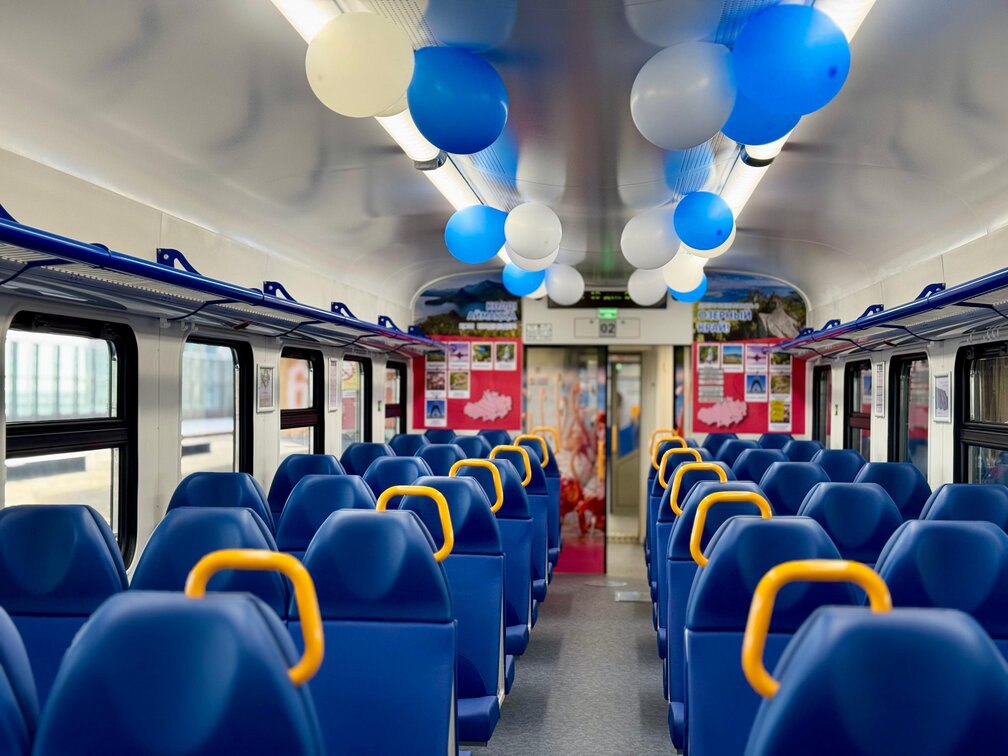
Kazakhstan’s national railways company, Kazakhstan Temir Zholy (KTZ), has announced the launch of a new electric train connecting the capital, Astana, and Borovoye, one of the country’s most popular year-round resorts.

Borovoye is the widespread and commonly used Russian name of the Burabay National Park, located just 250 kilometers north of Astana.

The new train will take passengers from Astana to Borovoye in just 2 hours and 26 minutes, without any stops.

The train, consisting of six modern domestically manufactured carriages for a total of 574 passengers, will run five days a week. It is equipped with USB sockets, Wi-Fi, and bicycle racks. For passengers with disabilities, it has lifts and places for wheelchairs.

Nurtas Karipbayev, Chairman of the Tourism Industry Committee at Kazakhstan’s Ministry of Tourism and Sports, commented: “The launch of a new tourist train is an important step in the development of domestic tourism and the creation of new opportunities for travel in Kazakhstan. We are confident that this train will become a favorite way for residents and guests of our country to get to one of its most beautiful resorts”.

According to the Ministry of Tourism and Sports, over the first nine months of 2024, the number of domestic tourists traveling inside Kazakhstan increased by 562,000 and reached 6 million. The number of foreign visitors was 11.5 million, almost twice as much as in the same period in 2023.

Uzbek Boxer Asadullaev Wins Title, Then Disqualified for Biting

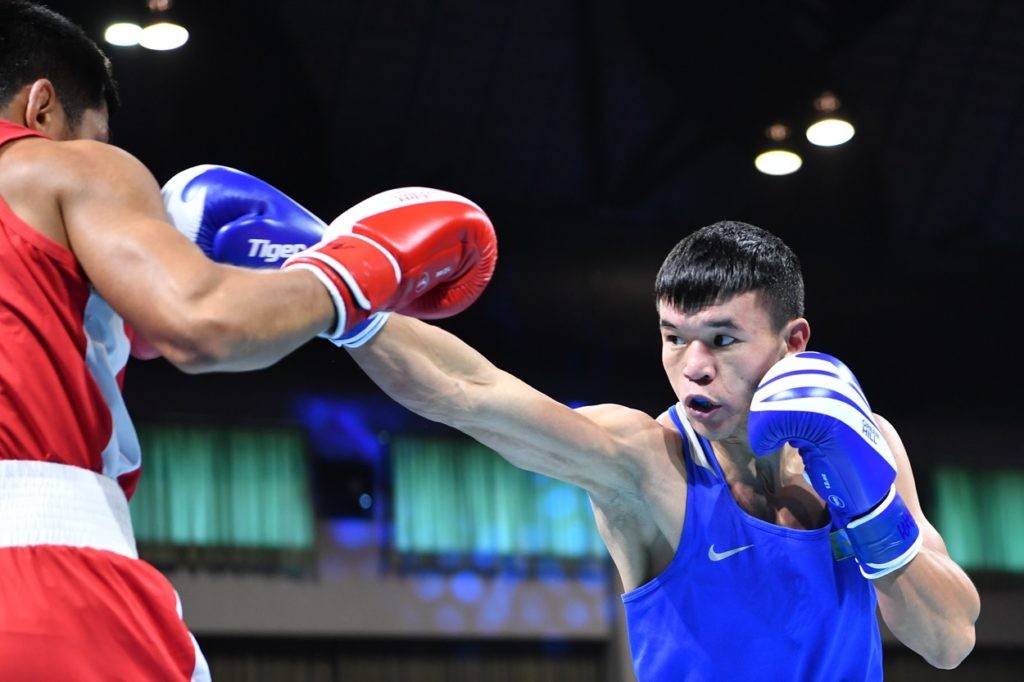
The Asian Boxing Confederation has stripped Uzbek boxer Khavasbek Asadullaev of his winner’s title at the ASBC Asian Elite Boxing Championships, ruling that he bit his Kazakh opponent during the light middleweight (71kg) final bout in Chiang Mai, Thailand.

Kazakh boxer Ablaikhan Zhussupov has been declared the champion following the disqualification of Asadullaev, the confederation said in a statement. It said the ruling came after a protest from the Kazakh Boxing Federation over the foul, which was overlooked by the referee during the fight on Wednesday. 

After the ruling, the Kazakh federation noted on Telegram that Serbian referee Jovana Ugrenovic had not issued any warning to Asadullaev about the violation when it occurred, and that it had photo and video evidence of the foul. The federation said Asadullaev was “suspended from competitions for a certain period.” 

Some media reports said Asadullaev bit Zhussupov on the shoulder. 

Video of the fight shows Asadullaev being declared the winner after a split decision, embracing his opponent and skipping across the ring in triumph. 

Government Approval Becomes Mandatory for New Mosques in Kyrgyzstan

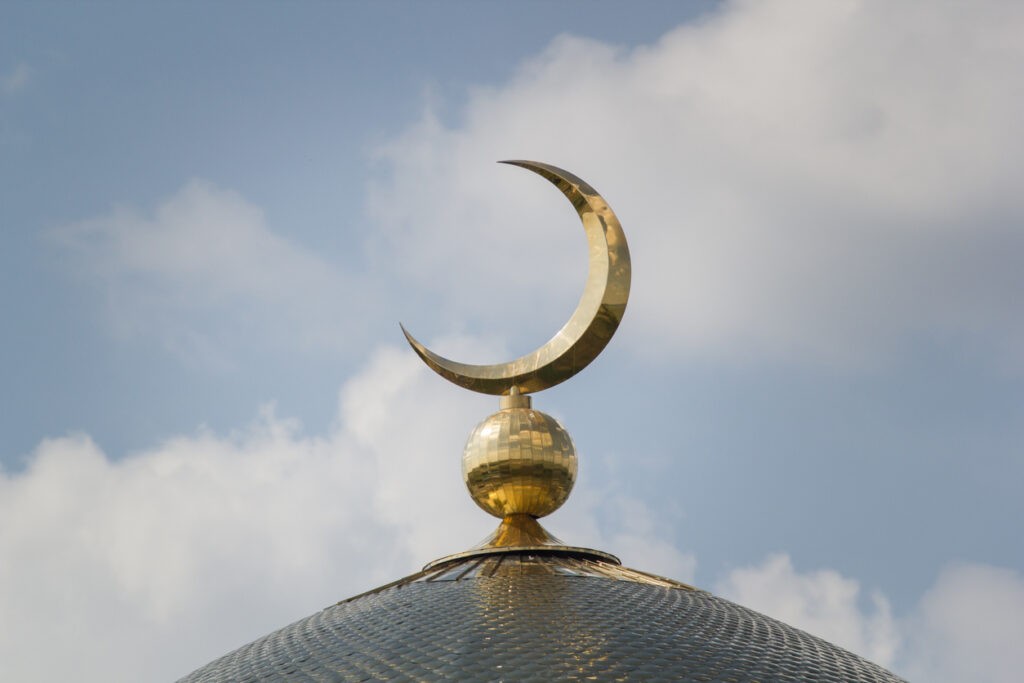
The Kyrgyz government has introduced a new regulation requiring government approval for the construction of mosques. Azamat Yusupov, the director of the State Commission on Religious Affairs (SCRA), announced the policy during a meeting of the Jogorku Kenesh, Kyrgyzstan’s parliament.

Yusupov revealed that over 1,000 religious institutions in the country are currently operating without proper authorization. Of these, around 800 have been officially registered, while approximately 120 mosques remain unregistered.

“In the past, mosques were often built first and registered later. Going forward, construction must be pre-approved by state authorities to ensure legal compliance. We will evaluate the necessity of building a mosque in any given area before granting permission,” Yusupov stated.

The Kyrgyz parliament is also deliberating a draft law entitled “On Freedom of Religion and Religious Associations.” Prepared by the SCRA, the bill aims to address inconsistencies in existing legislation. The proposed law consists of six chapters and 40 articles, covering a range of issues related to religious freedom and regulation.

Key provisions of the draft law include:

  • Mandatory registration of religious sites.
  • A prohibition on combining public service with religious activities.
  • Restrictions on wearing clothing that hinders personal identification.
  • Regulations governing the operations of religious organizations.
  • A ban on interference by religious groups in state affairs.

President Sadyr Japarov has engaged with government officials and religious leaders to discuss the draft law, stressing the importance of balancing the interests of all societal groups while safeguarding national security and citizens’ rights.

The finalized version of the draft law will soon be presented to the Jogorku Kenesh for consideration and approval. If enacted, these changes are expected to significantly reshape how religious organizations operate in Kyrgyzstan

It is not yet clear how ordinary believers will react to the innovations. For example, last year, the Spiritual Administration of Muslims of Kyrgyzstan, which is in line with state policy, reacted sharply to an attempt to initiate a bill banning burkas and beards. Since 2021, the country’s authorities have been attempting to strengthen the secular foundations of the state by trying to establish control over various religious organizations. However, this has not prevented certain politicians from harnessing the growing religiosity of the population for their own purposes.

In terms of the number of mosques per believer, Kyrgyzstan is ahead of all Central Asian countries, with 3,593 throughout the country. The largest number of mosques is in Osh Province (1,063), the smallest in Naryn Province (194). There are 46 mosques registered in Bishkek and 89 in Osh. Kyrgyzstan also has 220 religious educational institutions, most of which operate in Osh Oblast. Such data is provided by the State Commission on Religious Affairs of the Kyrgyz Republic.

Kyrgyz Entrepreneurs Urged to Legalize Income

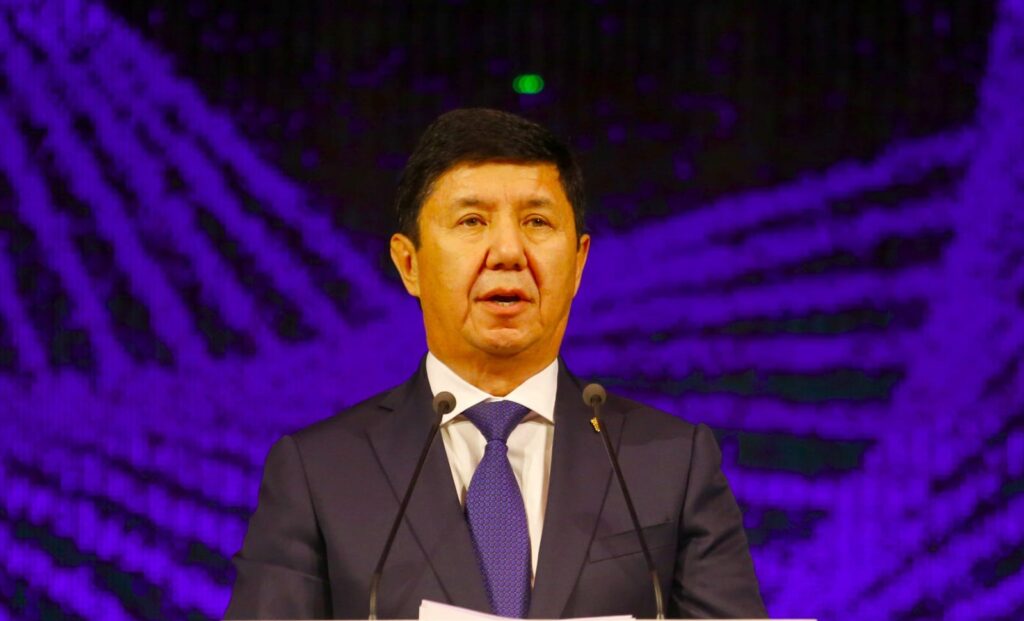
Kyrgyz entrepreneurs have been reminded to legalize their assets as the period for voluntary declaration of income and property nears its end on December 31, 2024. From January 2025, authorities are set to launch extensive inspections of businesses, prompting Temir Sariev, head of the Chamber of Commerce and Industry (CCI) of Kyrgyzstan, to call on business owners to act promptly.

The law on voluntary legalization and amnesty of assets, introduced in 2023, offers citizens a chance to declare their assets with state guarantees of protection against criminal prosecution. By participating in the program, individuals and businesses can secure the preservation of their declared assets.

As previously reported by The Times of Central Asia, in an effort to accelerate this process, President Sadyr Japarov set a public example in early 2024 by legalizing a multi-story building in Bishkek valued at $20 million.

Temir Sariev emphasized that legalizing assets will improve economic transparency, protect citizens’ social and economic rights, and enhance Kyrgyzstan’s attractiveness to investors.

“An obvious benefit of asset legalization is the reduction of the shadow economy,” Sariev noted. According to the Ministry of Economy and Commerce, the shadow economy accounted for approximately 20% of GDP in 2023, although unofficial estimates suggest it could be twice as high. International examples indicate that asset and income legalization reduces the size of the informal sector, increases transparency, fosters competition, and attracts new investments.

While the potential advantages include increased tax revenues and improved public infrastructure, Sariev acknowledged the challenges for businesses transitioning out of the shadow economy. Small and medium-sized enterprises (SMEs) accustomed to operating informally may face difficulties adjusting to legal frameworks and potentially higher tax burdens.

To address these challenges, Sariev highlighted the need for new accounting systems, staff training, and significant government investment in modernizing tax administration.

This summer, the Kyrgyz government introduced changes to the taxation system, replacing voluntary patents – used by hundreds of thousands of businesses and individuals – with a mandatory payment system based on cash register accounting. The shift aims to increase transparency and accountability in the private sector.

The Chamber of Commerce and Industry continues to encourage businesses to take advantage of the current voluntary declaration period to ensure smoother compliance with the evolving economic landscape.