• KGS/USD = 0.01144 0%
  • KZT/USD = 0.00193 -0%
  • TJS/USD = 0.10876 0.55%
  • UZS/USD = 0.00008 0%
  • TMT/USD = 0.28490 0%
  • KGS/USD = 0.01144 0%
  • KZT/USD = 0.00193 -0%
  • TJS/USD = 0.10876 0.55%
  • UZS/USD = 0.00008 0%
  • TMT/USD = 0.28490 0%
  • KGS/USD = 0.01144 0%
  • KZT/USD = 0.00193 -0%
  • TJS/USD = 0.10876 0.55%
  • UZS/USD = 0.00008 0%
  • TMT/USD = 0.28490 0%
  • KGS/USD = 0.01144 0%
  • KZT/USD = 0.00193 -0%
  • TJS/USD = 0.10876 0.55%
  • UZS/USD = 0.00008 0%
  • TMT/USD = 0.28490 0%
  • KGS/USD = 0.01144 0%
  • KZT/USD = 0.00193 -0%
  • TJS/USD = 0.10876 0.55%
  • UZS/USD = 0.00008 0%
  • TMT/USD = 0.28490 0%
  • KGS/USD = 0.01144 0%
  • KZT/USD = 0.00193 -0%
  • TJS/USD = 0.10876 0.55%
  • UZS/USD = 0.00008 0%
  • TMT/USD = 0.28490 0%
  • KGS/USD = 0.01144 0%
  • KZT/USD = 0.00193 -0%
  • TJS/USD = 0.10876 0.55%
  • UZS/USD = 0.00008 0%
  • TMT/USD = 0.28490 0%
  • KGS/USD = 0.01144 0%
  • KZT/USD = 0.00193 -0%
  • TJS/USD = 0.10876 0.55%
  • UZS/USD = 0.00008 0%
  • TMT/USD = 0.28490 0%
11 December 2025

Uzbekistan and Kazakhstan Explore Use of ID Cards at Border Crossings

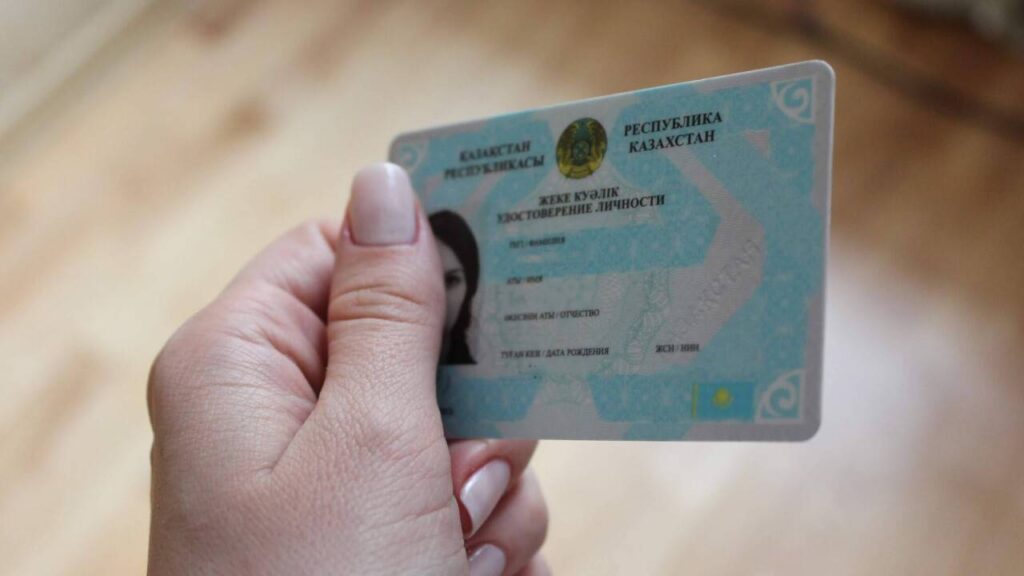
Abdulaziz Kamilov, the special representative of the President of Uzbekistan on foreign policy issues, has announced  that Uzbekistan and Kazakhstan are discussing a way for citizens of both countries to cross the state border using national ID cards.

According to Kamilov, Uzbekistan has completed the legal formalization of the border with Kazakhstan and demarcated the border with Turkmenistan, Tajikistan, and Kyrgyzstan.

Referencing the reactivation of dozens of border checkpoints which have significantly facilitated the movement of people across the region, he stressed, “Today, the borders between Uzbekistan and the countries of Central Asia can rightly be called a bridge of friendship and good neighborliness. This is also confirmed by the fact that starting from September 1, 2023, the procedure for crossing the Uzbekistan-Kyrgyzstan border with the presentation of an internal document — a citizenship certificate — has been introduced. The same project is being discussed with Kazakhstan.”

Komilov also noted President Shavkat Mirziyoyev’s proposal at Astana summit, of developing mass tourism in Central Asia based on the mutual recognition of national ID cards.

U.S. Companies Seek Export Opportunities in Uzbekistan

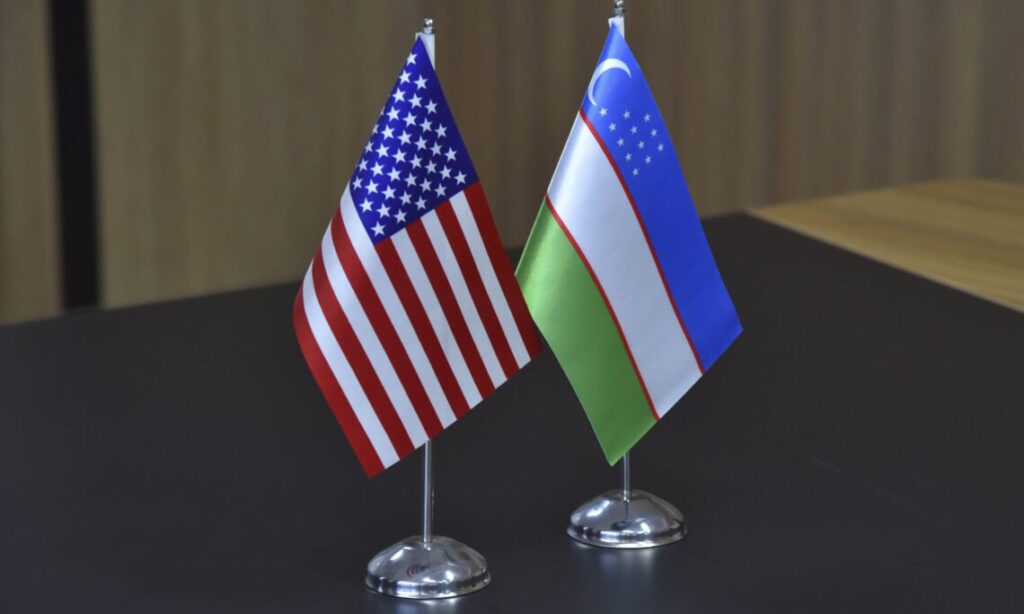
According to a recent report, the U.S. State Department is in regular receipt of applications from U.S. companies in search of opportunities to export their products to Uzbekistan’s markets.

“Our products likewise require review and certification for import into Uzbekistan, so expediting that process would help U.S. agricultural and livestock products reach Uzbek consumers. U.S. suppliers of technologies, industrial equipment, and manufactured goods are also actively bidding on public procurement opportunities and working with partners in Uzbekistan,” explained a spokesperson for the department.

The USA’s readiness to help Uzbekistan implement the announced reform program, including economic issues was noted. Referencing the  significant improvements in the investment climate created by recent economic reforms and the potential of further reforms to attract more investment and technical expertise to Uzbekistan, the department emphasized: “Generally speaking, we welcome and encourage multilateral efforts to support regional connectivity in Central Asia and the South Caucasus westward to Europe. Such efforts create a more secure, resilient, and prosperous region.”

The U.S. State Department also noted that through the regional trade activities of the U.S. Agency for International Development (USAID) in Central Asia, the US is helping to increase the competitiveness of trade, entrepreneurship, e-commerce, and the private sector.

As stated in the report,  “Through the Partnership for Global Infrastructure, the U.S. is currently evaluating potential areas for infrastructure investment where it could contribute project advisory technical assistance, project preparation, and financing to tangibly move forward strategic projects in the Trans-Caspian International Transport Route.”

Thai Company to Build Fish-Processing Plant in Kazakhstan

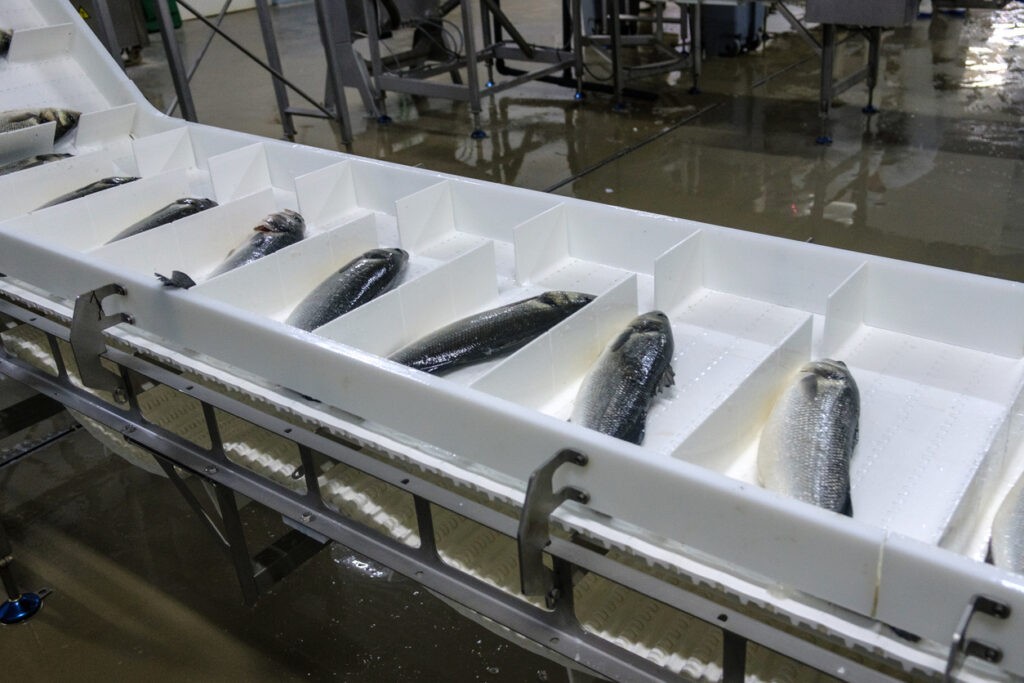
The Thai company Sea Value Plc. plans to build a plant in Kazakhstan to produce canned, processed fish, and frozen semi-finished products. The project was discussed during a meeting on August 14 in Astana between the Chairman of the Investment Committee of the Ministry of Foreign Affairs of Kazakhstan, Gabidulla Ospankulov, and the President of Sea Value, Dr. Poj Aramwattananont.

As reported by the company Kazakh Invest, Sea Value is currently searching for a plot of land to start the project.

Local fisheries are planned to supply fish for the new production, and the finished products will be exported to Thailand and other countries.

The Thai company plans to invest $6 million in the construction of the plant, which will produce 3-5 tons of fish products per day.

Sea Value is Thailand’s second-largest producer of canned tuna, exporting products to 150 countries.

In 2023, trade turnover between Kazakhstan and Thailand increased by almost 36%, reaching $367 million.

USAID Modernizes Kazakhstan’s Customs System

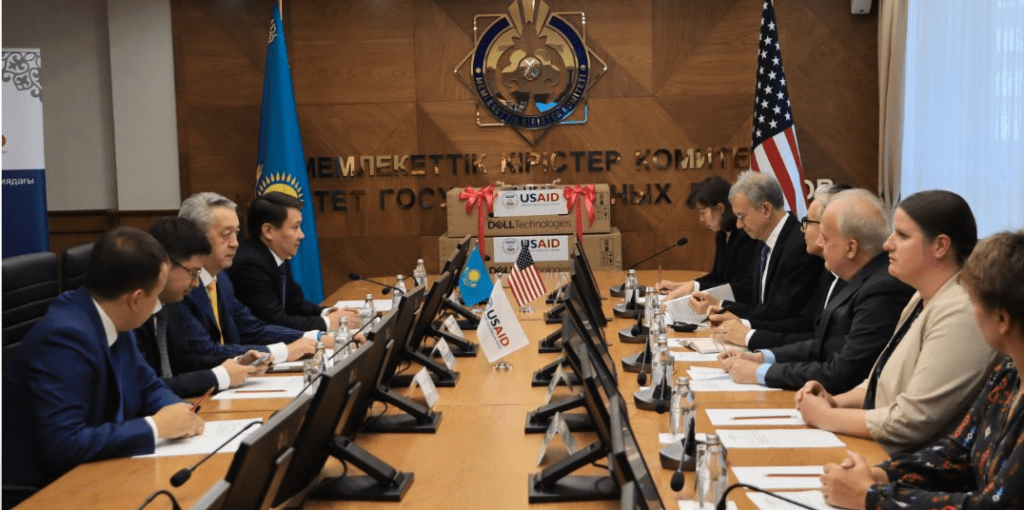
The U.S. Agency for International Development (USAID) has upgraded Kazakhstan’s customs infrastructure by providing advanced computer servers to Kazakhstan’s State Revenue Committee (SRC).

SRC Chairman Zhandos Duisembiyev accepted the state-of-the-art servers at a ceremony on August 14, which was attended by U.S. Ambassador to Kazakhstan Daniel Rosenblum.

The new servers will replace outdated equipment that has hampered performance.

Ambassador Rosenblum commented that adopting innovative technologies will streamline processes, enhance accuracy, improve transparency, and foster a business-friendly environment, attracting more investors and boosting economic growth.

USAID is supplying advanced servers made by Dell Inc. to support the SRC’s new customs Keden IT system, which replaces the outdated Astana-1 system. By leveraging automation, machine learning, and artificial intelligence, the new Keden system will reduce clearance times and enhance data security.

Rosenblum also emphasized the shared vision between the United States and Kazakhstan for a transparent and secure trade environment as Kazakhstan secures its position as a leading regional trade hub.

Why Kyrgyzstan and China Are Reporting Different Figures on Bilateral Trade

At a press conference in Bishkek, Azamat Jumabekov, a representative of Kyrgyzstan’s Chamber of Commerce and Industry, explained the significant difference in Kyrgyzstan-China trade statistics reported by Kyrgyz and Chinese authorities.

According to Jumabekov, this happens because significant parts of goods that arrive in Kyrgyzstan from China are intended for further transit to other countries. Still, the owners register their goods as exports to Kyrgyzstan; hence, the Chinese statistics are incorrect.

For instance, according to the National Statistical Committee of Kyrgyzstan, the volume of Chinese goods imported to Kyrgyzstan in 2023 was $5.4 billion; the Chinese Customs Administration reported the figure as $19.7 billion.

Kyrgyz statistics show that in the first half of this year, Kyrgyzstan imported $3.1 billion worth of Chinese goods, a 42.5% increase compared to the same period last year.

According to the Chinese Customs Administration, in the first half of 2024, China exported goods worth $9.4 billion to Kyrgyzstan and imported $95.5 million.

According to Chinese statistics, China’s trade turnover with Central Asian countries increased by 11.3% in the first half of 2024 compared to the same period in 2023, reaching $44.32 billion.

Trade with Kazakhstan increased by 19.4%, amounting to $21.7 billion.

Trade with Uzbekistan increased by 2.5%, amounting to $6.25 billion.

Trade with Tajikistan decreased by 14.2%, amounting to $1.81 billion.

Trade with Turkmenistan decreased by 4.9%, amounting to $5.28 billion.

During the first half of 2024, China’s exports to Central Asian countries increased by 14.6% to $30.21 billion. Exports from Central Asia to China increased by 4.8% to $14.11 billion.

Turkmenistan was the only exception, showing a positive balance in trade with China. Exports to China amounted to $4.82 billion (mainly Turkmen natural gas), while imports from China amounted to $460.2 million.

Unveiling the Magic: Behind the Scenes of “Baikonur”

Space continues to capture our imagination and inspire our stories, as we try to make sense of this vast final frontier. In the last part of our series on Baikonur, we explore its depiction within cinema. In 2011, German filmmaker, Veit Helmer released Baikonur, a story about space, scavenging and misguided love that was shot within the region. TCA spoke to him about filming in this heavily restricted landscape.


TCA: What was the inspiration behind your film, Baikonur? What drew you to this subject matter?

Helmer: I was fascinated by the actual place, or what I knew about it; a hidden city with such a glorious past. Whilst researching, I found out about the scavengers who collect the pieces which fall on the steppe when the rockets are heading to space. To tell both stories at the same time intrigued me: space exploration and hunting for scrap metal.

TCA: Given you also directed Absurdistan and Tuvalu, would it be fair to say you’re drawn to far-flung places?

Helmer: Yes, I love to explore and find locations which haven’t been filmed before. But compared to the locations of my previous films – Tuvalu, which was shot in Bulgaria, and Absurdistan, which was shot in Azerbaijan – to travel to Baikonur was a much longer journey.
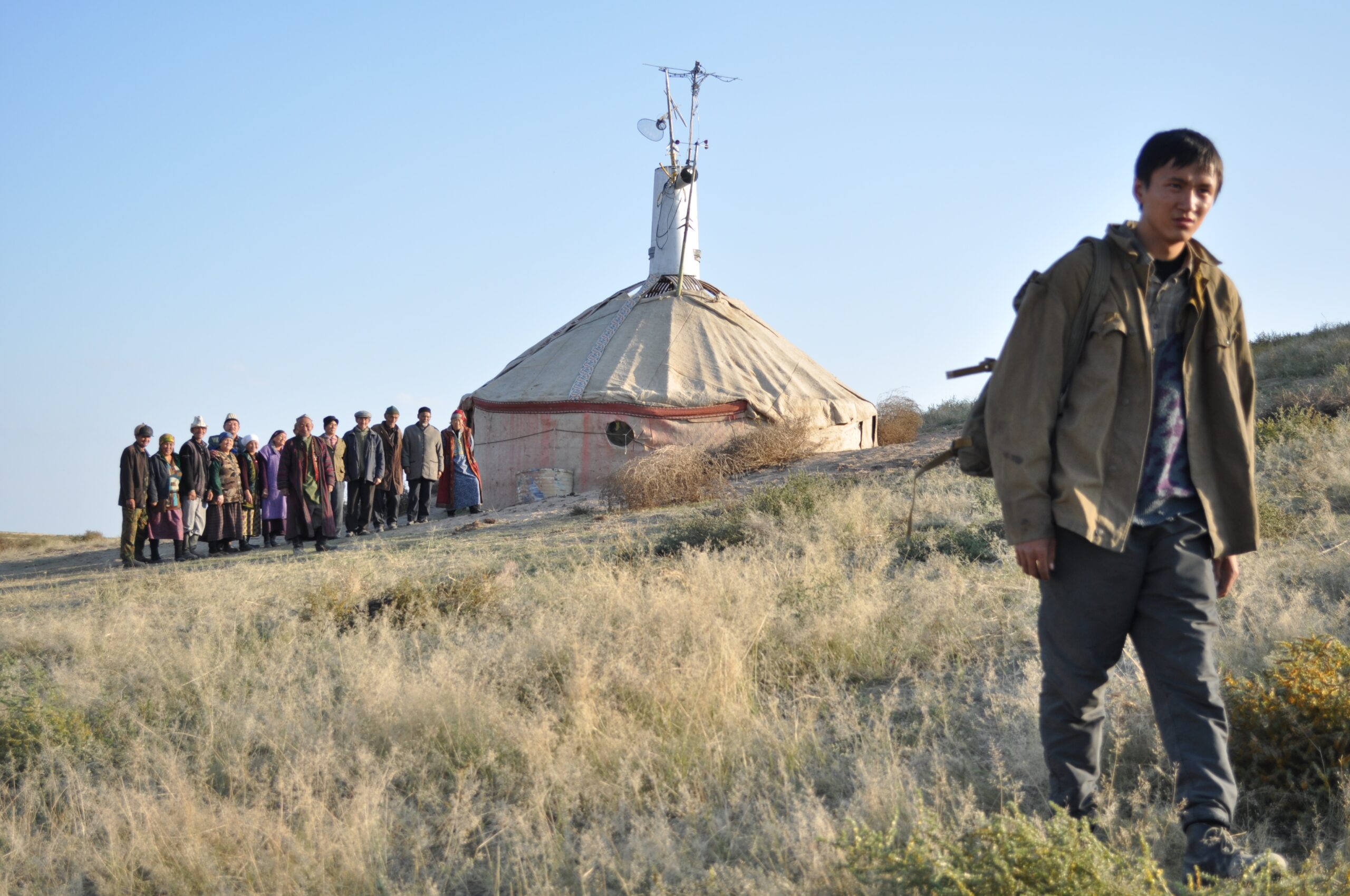
Still from the film, “Baikonur,” Alexander Asochakov as “Gagarin” leaving, villagers standing near yurt; image: Veit Helmer


TCA: As stated in the tagline of your film, “Whatever falls from heaven, you may keep. So goes the unwritten law of the Kazakh seppe. A law avidly adhered to by the inhabitants of a small village, who collect the space debris that falls downrange from the nearby Baikonur space station.” The village scavengers portrayed in your film are based in reality; how did you find out about them, and what was your experience with them?

Helmer: It was very funny reading the first review from Kazakhstan, where a young journalist wrote that the film is based on the old Kazakh law “Whatever falls from heaven, you may keep,” which in reality was an invention by my screenwriter, Sergey Ashkenazy. But as this fable seems to feel so real, I never tried to dispel that myth. When writing the screenplay, Sergey and me went to Zheskaskan and the surrounding steppe, talking to the hunters of the scrap metal. It was not an ideal moment, because Roscosmos started to collect the debris themselves and the local villagers’ activity became illegal. The new reality was not villages against each other, but villagers against Roscosmos.
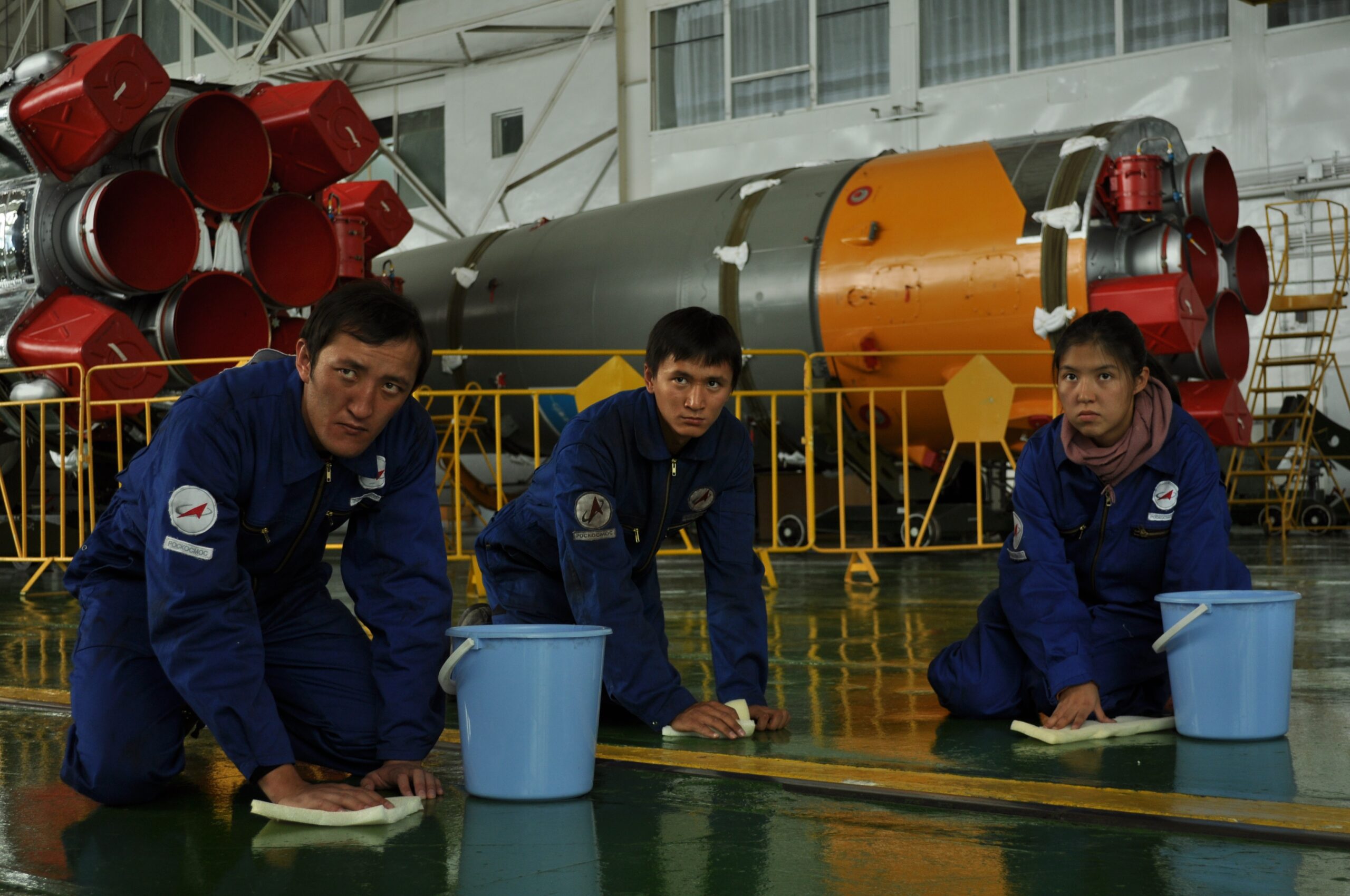
Still from the film, “Baikonur,” Alexander Asochakov as “Gagarin” (center) cleaning assembly hall in Baikonur ; image: Veit Helmer


TCA: As a Western filmmaker you were granted a unique opportunity to film within Baikonur – what did you observe of the landscape? What were the highlights of this experience?

Helmer: There was a saying among the early cosmonauts that the Central Asian steppe was for them like a huge ass and in the middle was the hole, Baikonur. Today, the superiors from Moscow still come two days before the launch and leave the day after. The launch is what makes that ground holy. Suddenly, the Earth becomes sacred and humans watch the miracle of two or three people heading to the ISS. There is no depiction or description which can evoke what it feels like seeing a rocket taking off and heading into orbit.
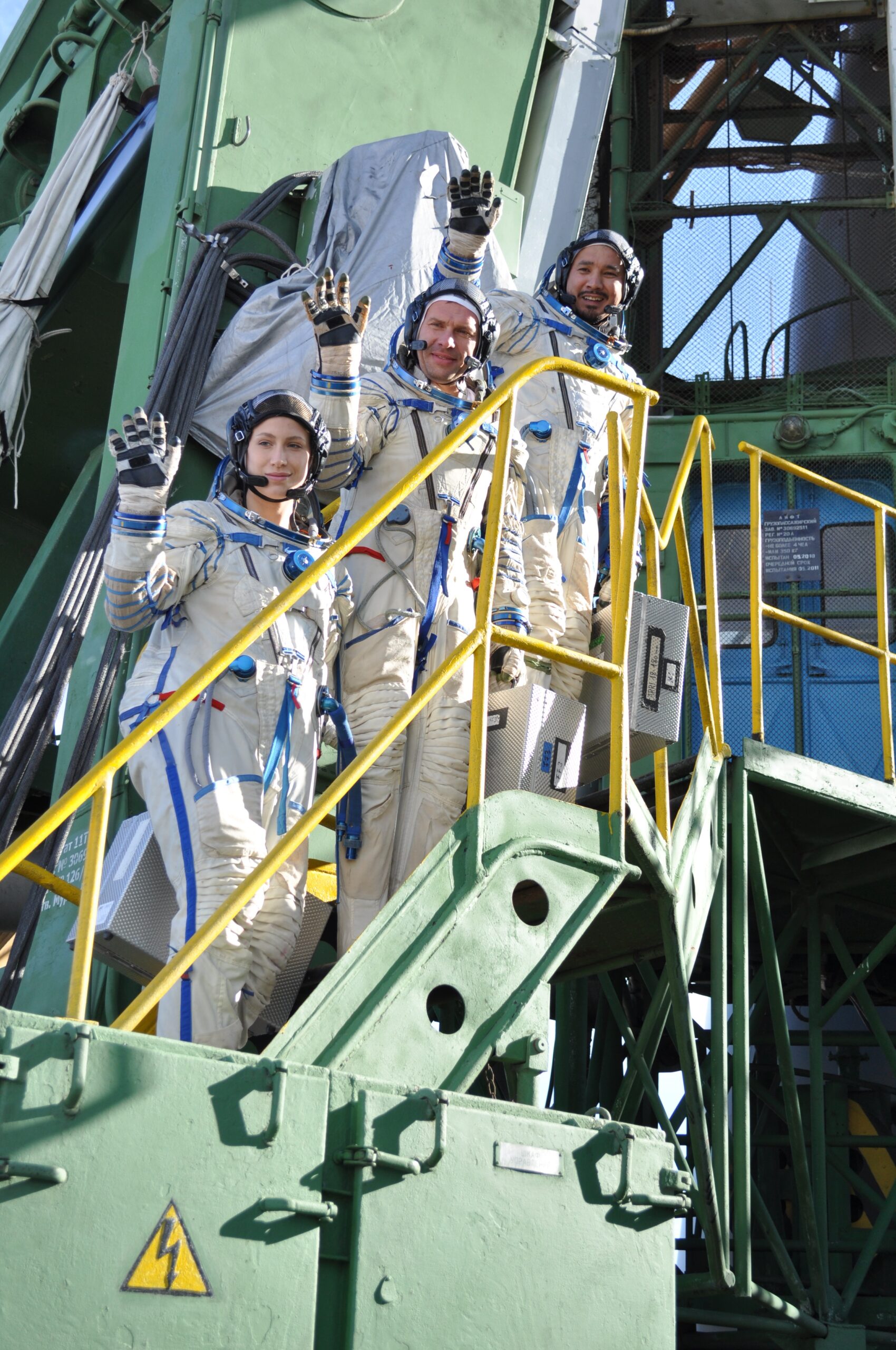
Still from the film, “Baikonur,” Marie de Villepin (as “Julie”) waving good bye in front of rocket; image: Veit Helmer


TCA: Did you have any difficulties filming in the area?

Helmer: We had huge difficulties obtaining the shooting permits, which were all solved by my producer, Anna Kachko, Gulnara Sarsenova and Andrej Bulatov. The shoot was full of surprises. One day we weren’t allowed to be inside the commando bunker, the following day we weren’t allowed to be outside. I had a very flexible crew, and we kept flipping the shooting schedule.

TCA: The scavengers salvaging space scrap in your film depicts the contrast of an ancient nomadic society interacting with the very futuristic space age; how did they interact with each other? Was it a seamless existence, or were there pitfalls in this arrangement?

Helmer: We weren’t able to have real scavengers in front of the camera. Also, they weren’t collecting the debris anymore as Chinese traders offered them buckets of money for the precious metals. We built a village near Kapchagay on a slope. There was the infrastructure we needed to accommodate the international crew and cast.
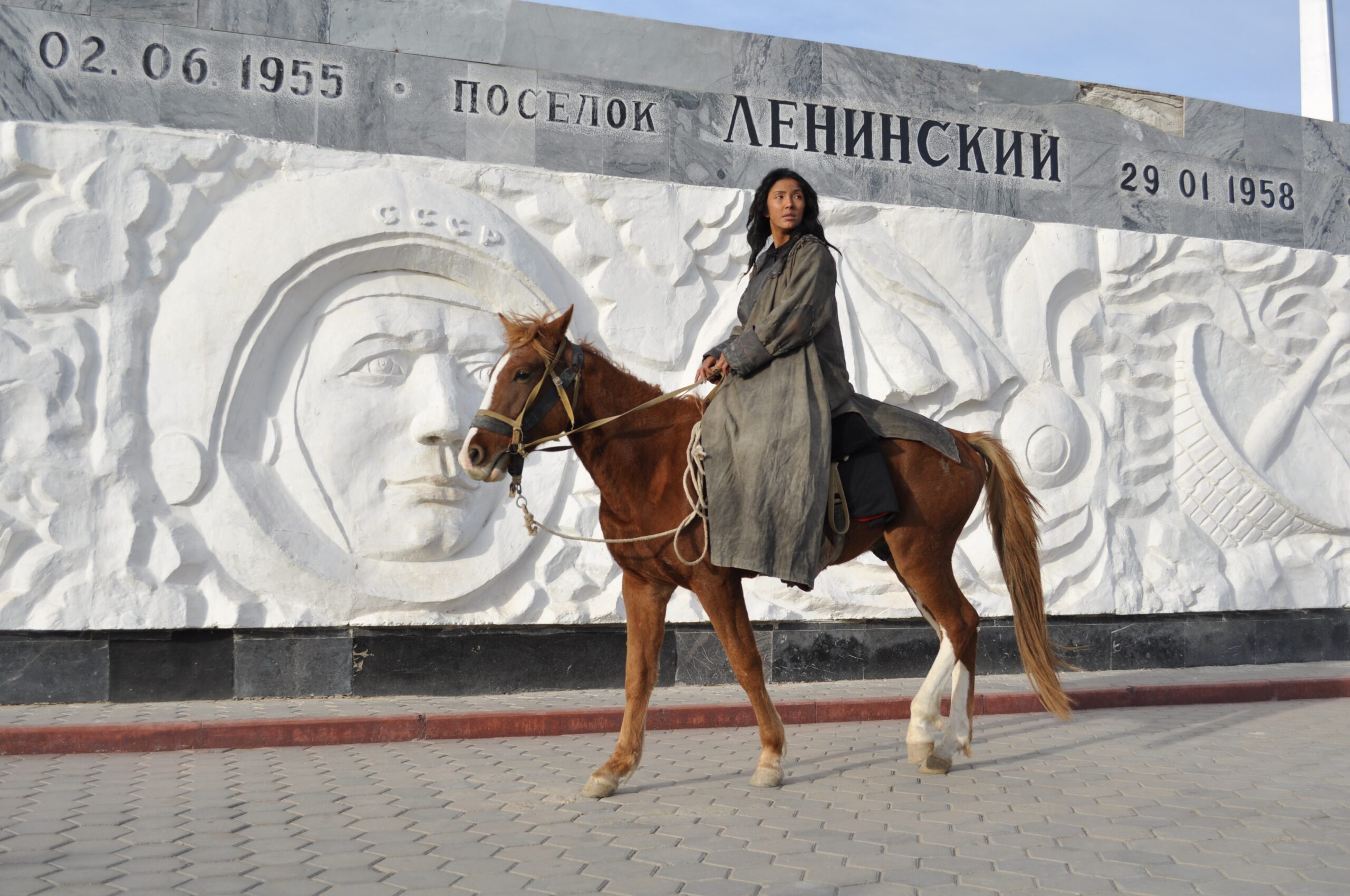
Still from the film, “Baikonur,” Sitora Farmonova as “Nazira” riding in front of a monument in Baikonur; image: Veit Helmer


TCA: Many times, a location can be seen as a character within the film evoking mood, like LA and film noir, for example. Would you say the actual landscape of Baikonur was a character in your film? If so, who was this character? What did they feel or bring to your film?

Helmer: I would say the village we constructed – with real rocket pieces – evoked the clash of the rural peasant lives with the high-tech space era.


This is part three of a three-part special on Baikonur. To read part one, click here, and to read part two, click here.

Find out more about Veit Helmer’s “Baikonur” here.