• KGS/USD = 0.01144 0%
  • KZT/USD = 0.00196 -0%
  • TJS/USD = 0.10904 0%
  • UZS/USD = 0.00008 0%
  • TMT/USD = 0.28490 0%
  • KGS/USD = 0.01144 0%
  • KZT/USD = 0.00196 -0%
  • TJS/USD = 0.10904 0%
  • UZS/USD = 0.00008 0%
  • TMT/USD = 0.28490 0%
  • KGS/USD = 0.01144 0%
  • KZT/USD = 0.00196 -0%
  • TJS/USD = 0.10904 0%
  • UZS/USD = 0.00008 0%
  • TMT/USD = 0.28490 0%
  • KGS/USD = 0.01144 0%
  • KZT/USD = 0.00196 -0%
  • TJS/USD = 0.10904 0%
  • UZS/USD = 0.00008 0%
  • TMT/USD = 0.28490 0%
  • KGS/USD = 0.01144 0%
  • KZT/USD = 0.00196 -0%
  • TJS/USD = 0.10904 0%
  • UZS/USD = 0.00008 0%
  • TMT/USD = 0.28490 0%
  • KGS/USD = 0.01144 0%
  • KZT/USD = 0.00196 -0%
  • TJS/USD = 0.10904 0%
  • UZS/USD = 0.00008 0%
  • TMT/USD = 0.28490 0%
  • KGS/USD = 0.01144 0%
  • KZT/USD = 0.00196 -0%
  • TJS/USD = 0.10904 0%
  • UZS/USD = 0.00008 0%
  • TMT/USD = 0.28490 0%
  • KGS/USD = 0.01144 0%
  • KZT/USD = 0.00196 -0%
  • TJS/USD = 0.10904 0%
  • UZS/USD = 0.00008 0%
  • TMT/USD = 0.28490 0%
08 December 2025

New Projects Launched in Uzbekistan’s Fergana Region

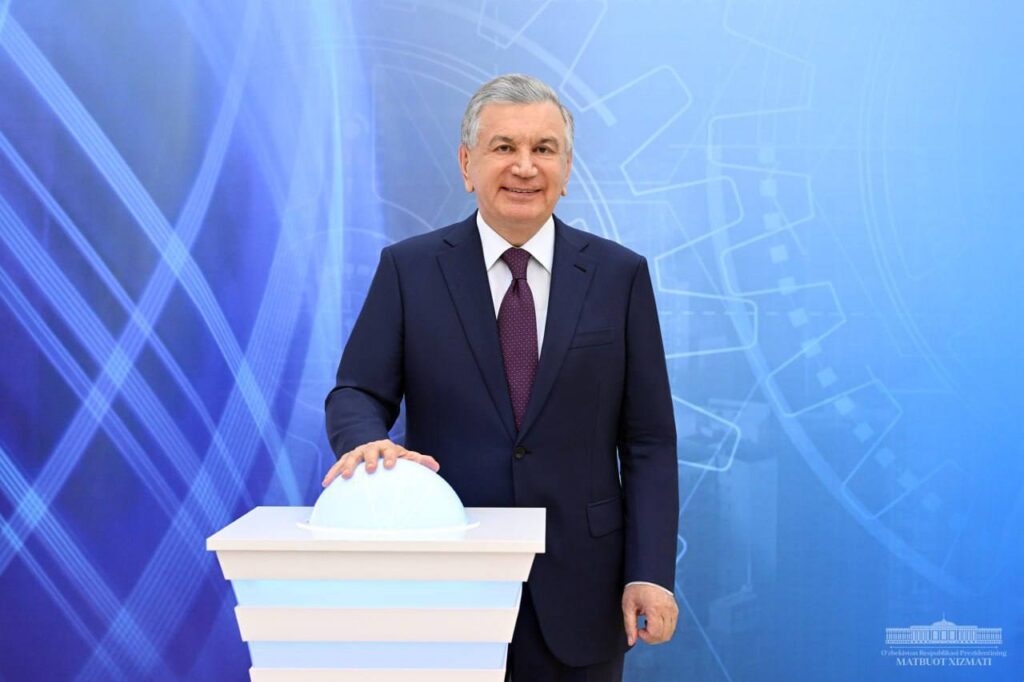
On July 11, Uzbekistan’s President Shavkat Mirziyoyev attended a ceremony to launch several new projects in the country’s Fergana region.

The first was the second phase of the construction of a mineral fertilizer plant by Singaporean company Indorama.

The president then launched the construction of a solar power plant; a $350 million joint project with the German company Hyper Partners. Located in the Besharyk district of Fergana, the plant has  a capacity of 500 megawatts of which 200 megawatts will come online this year . When fully operational in 2025,  it will generate 1.6 billion kilowatt-hours of green energy per year, equivalent to the annual consumption of 675 thousand households. This increase in green energy will save 466 million cubic meters of natural gas.

In addition, Mirziyoyev celebrated the start of construction on a $144 million electricity storage system by the Chinese Gezhouba Group. With a capacity of 150 megawatts and the means to automatically turn on when electricity demand increases to ensure stable operation of the power grid, the  facility should be operational before the end of this year

Lastly, the president launched two small hydroelectric power plants; one with a capacity of 2.2 megawatts in the village of Shakhimardan, and the other,  with a capacity of 430 kilowatts, in the village of Yukori Vodil.

During his speech, President Mirziyoyev noted that the volume of investments in the Fergana region is growing year on year. In 2018, only $90 million was invested in the region, while the figure for last year reached $1.3 billion. The number of enterprises financed with foreign capital currently totals 470.

Around one hundred projects worth $370 million have been implemented in the Kokand free economic zone alone, creating 9 thousand new jobs.

According to a presidential decree, this economic zone will expand by 210 hectares around the city of Kuvasay, house 185 new projects worth $1 billion, and create 12,000 jobs. In addition, a special Uzbek-Chinese industrial zone spanning  ​​230 hectares will be created in Kokand.
Eurasian Creative Week Held in Uzbekistan

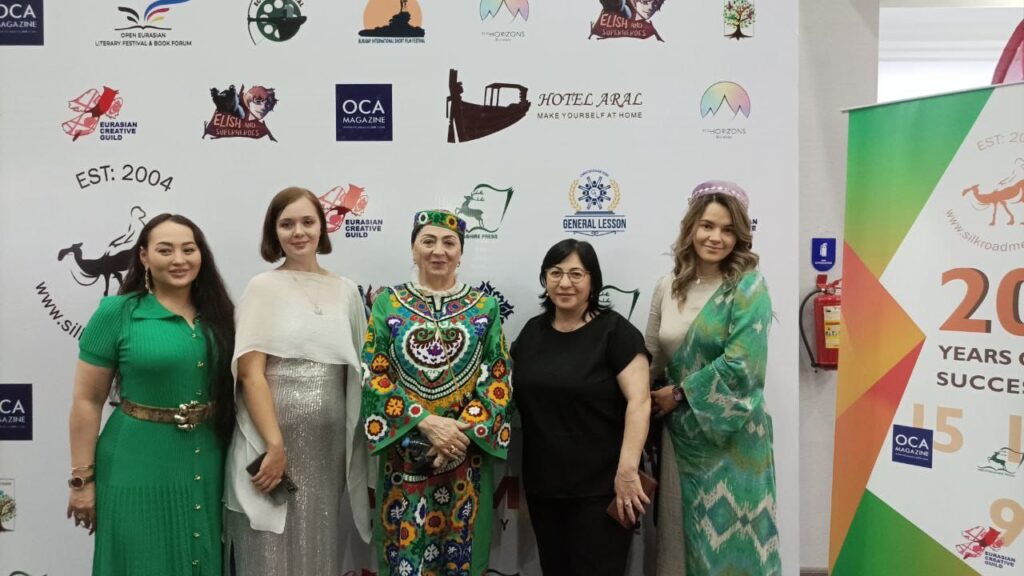
From 22 to 29 June, Uzbekistan hosted the first international World Coaching Championship, as part of the 8th international festival, Eurasian Creative Week. The festival events spanned three cities: Tashkent, Khiva, and Nukus, marking an expansion in scope from previous editions. The festival program commenced in grand fashion at TEAM University in Tashkent with a charity ball hosted by Silk Road Media Ltd. Over a hundred guests from various countries attended, highlighting the festival’s role in fostering international connections.

The charity ball began with a warm welcome from Andrew Wachtel, Chairman of the Board of Directors of TEAM University, and continued with insights from Marat Akhmedjanov, founder of Silk Road Media Ltd. The event celebrated the festival’s 20th anniversary and showcased the charitable projects of the holding. Noteworthy figures such as artist, Alinur Rashidov, and composer, Tolibkhon Shahidi were part of the guest list, demonstrating strong support for promoting creative endeavors in the Eurasian region.

The festival also saw the inauguration of the World Coaching Championship, a unique competition organized by Silk Road Media in collaboration with the Elena Bezrukova Center. The championships culminated in an awards ceremony where the winners were recognized for their excellence and innovation in coaching.

As the festival unfolded, attendees were immersed in cultural experiences, from poetry lessons to animated video presentations on ecology. The journey through Tashkent, Khiva, and Nukus showcased the artistic talents of the region and underscored the importance of fostering international dialogue and cooperation in the creative industries.

Overall, the Eurasian Creative Week served as a testament to the power of art and collaboration in bridging cultural divides and nurturing a sense of unity among diverse communities. Through initiatives like the World Coaching Championship and the immersive exhibitions at the Savitsky Museum, participants were able to exchange ideas, showcase their talents, and celebrate the vibrant heritage of Eurasia.


Law Firm That Helped Johnny Depp Has Another Big Client: Kazakhstan

Two American attorneys who represented actor Johnny Depp in his libel case against former wife Amber Heard have visited Kazakhstan’s Constitutional Court and spoken to Kazakh university students this week.

Attorneys Camille Vasquez and Benjamin Chew work for Brown Rudnick, an international law firm that has a client in Kazakhstan: the Ministry of Justice. The firm, whose primary address is in Boston, has been engaged to help the Kazakh ministry in legal processes in Britain and the United States, according to a February filing with the U.S. Department of Justice.

In recent years, Kazakh authorities have pursued an international campaign to recover assets that they say were stolen and moved abroad.

Vasquez and Chew became familiar faces for many people during the Depp vs. Heard 2022 trial, which was livestreamed and set off a fresh round of debate about celebrity culture and the MeToo movement. A jury awarded $15 million to Depp, who had accused Heard of lying when she said he had abused her, though it also awarded $2 million to Heard in a separate decision. Later, Depp agreed to receive $1 million and pledged it to charity.

Vasquez in particular became something of a celebrity herself during and after the trial. She has worked as a legal analyst for NBC News and was elevated to partner at Brown Rudnick, which had helped Depp. Chew joined the firm as a partner in 2018.

Vasquez “talked about the importance of personal brand in the court of law and in the court of public opinion” in comments at the International School of Journalism of Maqsut Narikbayev University in Astana, the Kazakh capital, the school said on Wednesday. The school, which opened last year after a presidential instruction, said the lawyer offered tips about embracing identity, creating value, how to “grow” and time management.

As the attorney spoke, images appeared on the screen behind her. One showed Depp in his “Pirates of the Caribbean” garb.

Vasquez and Chew also visited the Constitutional Court in Astana and discussed gender equality and strengthening women’s rights in the judiciary, Tengri News reported, citing the court’s press service.

Kazakhstan Urges Bulgaria to Utilize Potential of Trans-Caspian Transport Route

Bulgaria, like Kazakhstan, plays an important transit role in the growing trade between the EU, Central Asia, and China.

In his speech at the forum “Transport Connection between Kazakhstan and Bulgaria, on July 10 in Sofia organized by the Embassy of Kazakhstan to Bulgaria, Ambassador of Kazakhstan to Bulgaria Viktor Temirbayev emphasized the need for both countries to intensify cooperation in transport and transit by focusing on the development of the Trans-Caspian International Transport Route (TITR).

Addressing representatives of Bulgarian transport companies, Ambassador Temirbayev highlighted the fact that Kazakhstan’s location in the center of the Eurasian continent creates favorable conditions for using its transport network for transcontinental routes connecting East and West, as well as North and South.

Forum participants were briefed on ongoing efforts by Kazakhstan’s government to increase cargo transportation along the Trans-Caspian International Transport Route, as well as the development of a new automobile route for cargo transportation through Turkmenistan, Iran, Turkey and on to EU countries through Bulgaria and Romania.

In support,  Yassen Ishev, Chairman of Bulgaria’s Scientific and Technical Union of Transport (STUT), stressed the importance of increasing cooperation in transport and logistics and in particular, establishing direct business contacts between the two countries’ transport companies.


Eurasian Development Fund: Funding for Rogun HPP Jeopardizes Other Projects

According to a report by the Eurasian Fund for Stabilization and Development (EFSD), the financing of the Rogun HPP is one of the main risks for Tajikistan’s budget and debt sustainability.

The report states that the possible increase in the construction cost for the hydroelectric power plant may lead to reduction of financing to other important infrastructure projects and social spending.

Analysts emphasize that “in the face of uncertainty regarding funding sources, starting in 2025, the government of Tajikistan may have additional needs for budgetary support from international financial organizations.”

As mentioned in the report, the share of investments in electricity, gas, and water networks increased from 33.5% in the first quarter of 2023 to 42.4% in the first quarter of 2024, due to the increased activity in the construction of the Rogun HPP.

The Times of Central Asia previously reported that about 70% of the electricity will be exported to other Central Asian countries after the Rogun hydroelectric power plant (HPP) in Tajikistan reaches full capacity.

Construction of the Rogun HPP began in 1976, but it was suspended in 1991 after the collapse of the USSR. In 2016, Tajikistan continued constructing 600 MW hydroelectric power stations, as outlined in the project, using its own resources as well as support from international funds and organizations. Two of the six aggregates are working now, and the third will start working in 2025.

Uzbekistan Creates Law to Address Excessive Energy Consumption

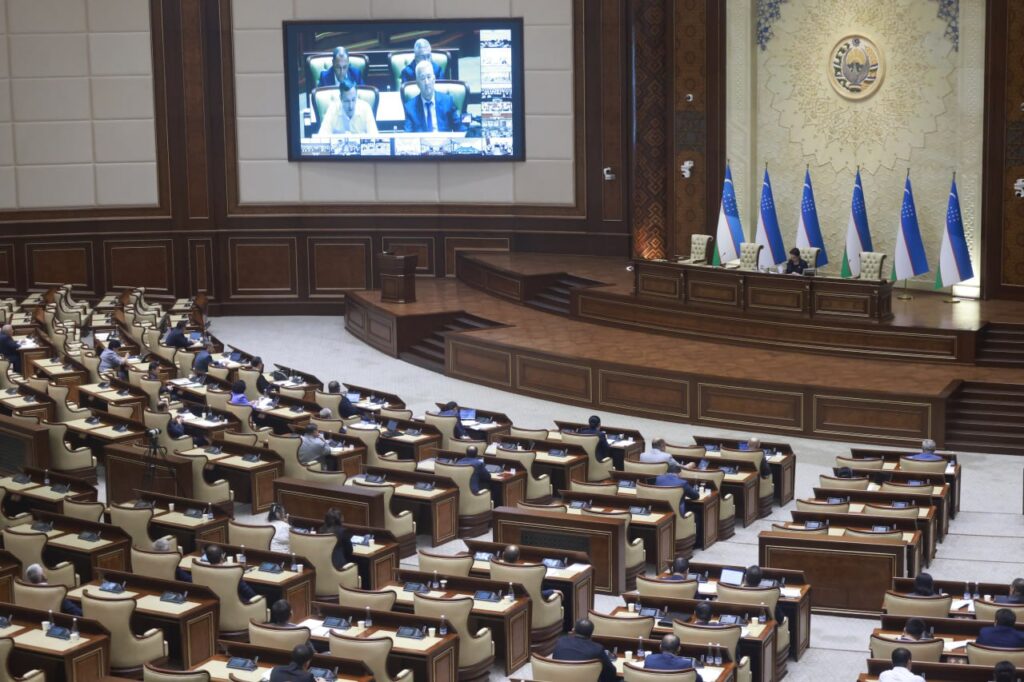
The law “On saving energy, its rational use and increasing energy efficiency” was approved at the plenary session of the Senate of the Oliy Majlis held in Uzbekistan on July 10. The law defines the tasks and rules for ensuring energy security, saving energy, increasing efficiency, and promoting rational use of resources, such as electric and thermal energy, fuel, and non-traditional energy resources in economic and social sectors.

The law also establishes the responsibility for excessive energy resource consumption in Uzbekistan.

Energy-saving directions and improvements in energy efficiency apply to the fields of construction and transport, buildings and structures, heat supply and utility companies, agriculture, and water management.

According to the senators, the adoption of this law will help further optimize the costs of energy resources and create a legal basis for systematic monitoring of energy consumption efficiency.