• KGS/USD = 0.01144 0%
  • KZT/USD = 0.00192 -0%
  • TJS/USD = 0.10879 0.28%
  • UZS/USD = 0.00008 0%
  • TMT/USD = 0.28571 0%
  • KGS/USD = 0.01144 0%
  • KZT/USD = 0.00192 -0%
  • TJS/USD = 0.10879 0.28%
  • UZS/USD = 0.00008 0%
  • TMT/USD = 0.28571 0%
  • KGS/USD = 0.01144 0%
  • KZT/USD = 0.00192 -0%
  • TJS/USD = 0.10879 0.28%
  • UZS/USD = 0.00008 0%
  • TMT/USD = 0.28571 0%
  • KGS/USD = 0.01144 0%
  • KZT/USD = 0.00192 -0%
  • TJS/USD = 0.10879 0.28%
  • UZS/USD = 0.00008 0%
  • TMT/USD = 0.28571 0%
  • KGS/USD = 0.01144 0%
  • KZT/USD = 0.00192 -0%
  • TJS/USD = 0.10879 0.28%
  • UZS/USD = 0.00008 0%
  • TMT/USD = 0.28571 0%
  • KGS/USD = 0.01144 0%
  • KZT/USD = 0.00192 -0%
  • TJS/USD = 0.10879 0.28%
  • UZS/USD = 0.00008 0%
  • TMT/USD = 0.28571 0%
  • KGS/USD = 0.01144 0%
  • KZT/USD = 0.00192 -0%
  • TJS/USD = 0.10879 0.28%
  • UZS/USD = 0.00008 0%
  • TMT/USD = 0.28571 0%
  • KGS/USD = 0.01144 0%
  • KZT/USD = 0.00192 -0%
  • TJS/USD = 0.10879 0.28%
  • UZS/USD = 0.00008 0%
  • TMT/USD = 0.28571 0%
12 December 2025

Afghan and Emirati Companies Making Use of Turkmenistan Stock Exchange

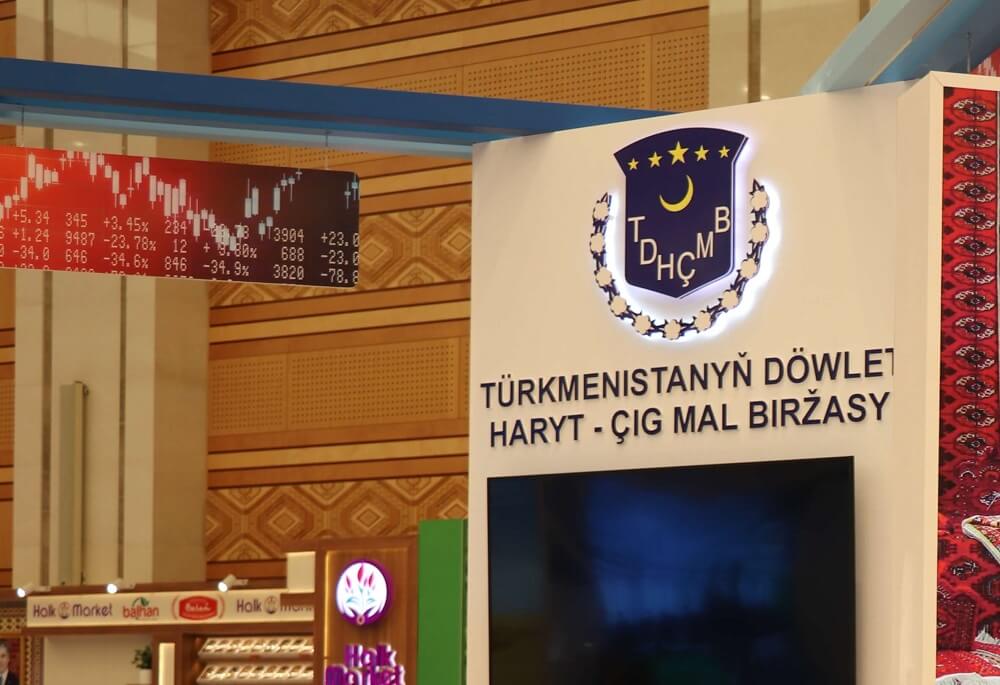
Last week 38 deals were registered at Turkmenistan’s State Commodity Exchange. Their combined value amounted to over $7 million, the Turkmen government is reporting.

It is reported that businesses from the United Arab Emirates, Afghanistan, and Uzbekistan used foreign currency to purchase aviation kerosene and polypropylene produced by the national oil company Türkmennebit.

In addition, bed linens, denim and cotton fabric products, cotton yarn, and Portland cement were sold for foreign currency to the UAE, Afghanistan, and Kyrgyzstan.

For the domestic market, Turkmen businesses purchased polypropylene, blended paraffin, base oil, carbon black and iodine, bischofite, sodium sulfate, float sheet glass, and handmade carpets. The total value of the transactions amounted to over $150,000.

Kazakhstan Insurers Sign Partnership with Warren Buffett’s Company

Nomad Insurance, a company from Kazakhstan, has announced a strategic partnership with Berkshire Hathaway Specialty Insurance (BHSI), which is part of the Berkshire Hathaway holding company headed by legendary American investor, businessman and philanthropist, Warren Buffett.

“BHSI, a giant in the insurance and reinsurance industry with a turnover of more than $74.6 billion, is known for its measured and cautious approach to partner selection. The company enters into partnership agreements with only one insurance partner in each of the 178 countries where it operates. This event is especially significant due to the personality of Warren Buffett, who is the chairman and CEO of Berkshire Hathaway,” Nomad Insurance stated.

As representative of the company, Shakir Iminov noted, this is a landmark event for Kazakhstan’s insurance market, which speaks about its growing attractiveness to international investors.

Germany Negotiating Afghan Deportation Deal with Uzbekistan

The government of the Republic of Uzbekistan may agree with the leadership of Germany on sending its labor migrants to Europe in return for the deportation of Afghan refugees. This was reported by the Bloomberg agency. According to sources, Germany is negotiating with Uzbekistan on the conclusion of a migration pact, which may include the deportation of Afghan asylum seekers, so that Berlin does not have to make direct deals with the Taliban.

Chancellor Olaf Scholz has promised a tougher stance on migration, including the deportation of asylum seekers from Afghanistan and Syria. The decision follows a recent series of violent attacks and growing sympathy for the populist far-right in Germany. Interior Minister Nancy Feather, a senior member of Scholz’s center-left Social Democrats party, sent officials to the Uzbek capital, Tashkent in late May to negotiate a pact on migration and deportation. Any prospective deal is yet to be finalized.

Under the proposed plan, the Uzbek government would accept a limited number of rejected Afghan asylum seekers deported from Germany, and then send them to neighboring Afghanistan using private flights to Kabul.

The Uzbek government is considering the idea, but wants any migration pact to also include bilateral rules allowing for the legal migration of skilled workers from Uzbekistan to Germany. According to sources, the German government’s special representative for migration agreements, Joachim Stamp, will soon travel to Uzbekistan for further negotiations on such an agreement. An interior ministry spokeswoman declined to comment on the plan, which was also reported by Der Spiegel magazine and the DPA news agency.

Following a fatal knife attack by an Afghan refugee on a German policeman, Chancellor Scholz, delivering a speech on law and order in parliament on June 6, said his government would allow criminals to be deported to Taliban-ruled Afghanistan and war-torn Syria.
“Serious criminals and terrorist threats have no place here,” Scholz said, adding that the interior ministry was working on practical implementation and was already in talks with countries bordering Afghanistan. Germany previously completely halted deportations to Afghanistan shortly before the Taliban returned to power in the summer of 2021.

IFAD Representative Office Opens in Uzbekistan

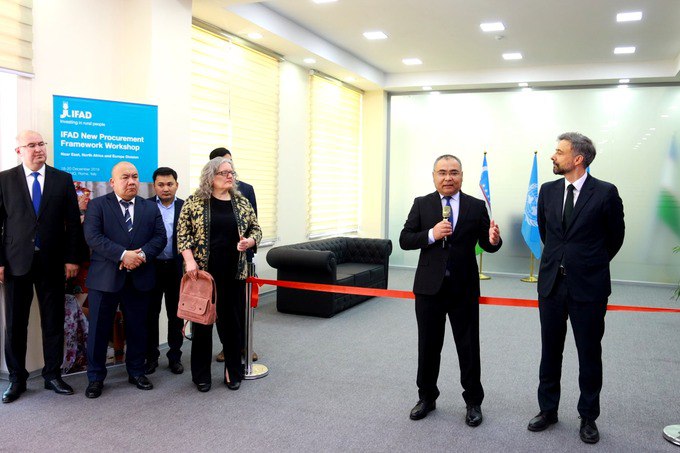
The International Fund for Agricultural Development (IFAD) has opened an office in Uzbekistan. The opening ceremony was attended by IFAD President, Alvaro Lario, and the Uzbek Minister of Agriculture, Ibrohim Abdurakhmonov. IFAD is an international financial institution and a specialized agency of the United Nations, established in 1978.

“The opening of the Fund’s office in Tashkent reflects our commitment to sustainable economic development in Uzbekistan and the region. Through partnerships with the government and the private sector, we can support more ambitious investments in climate change adaptation and rural prosperity,” said Lario.

“Uzbekistan has been cooperating with the fund since joining it as a member state in 2011. Having a representative office in the country will allow to better address specific needs and problems of the agricultural sector,” the fund said in a statement.

Over the past decade, IFAD’s portfolio of projects in the region has grown significantly, with a total investment of $435.3 million covering more than 550,000 rural residents.

U.S. Blacklists Uzbek Nationals Due to ISIS Connections

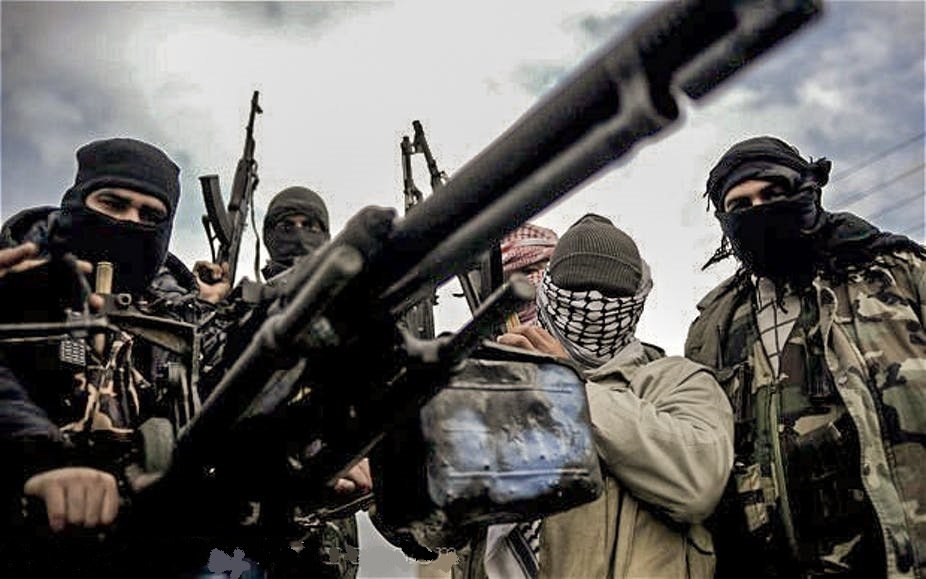
The U.S. State Department, in agreement with the Republic of Turkey, has announced that it added a number of individuals to the “blacklist” of the ISIS terrorist group.

The department recognized the leader of ISIS in Georgia, Adam Khamirzayev, as a “global terrorist.”

All three members of the ISIS-related smuggling network have been identified as terrorists, and all three of them are from Uzbekistan:

  • Muhammadyusuf Alisher Ogli Mirzoev is a Uzbekistani national involved in work to establish an ISIS-linked “military” training camp in mid-2023. Mirzoev is also being designated by the Government of Turkey.
  • Muhammad Ibrohimjon Niyazov is a Uzbekistani national and a supporter of the ISIS-linked smuggling network. Niyazov has provided administrative and logistics support for ISIS members in Turkey. Niyazov is also being designated by the Government of Turkey.
  • Olimkhon Makhmudjon Ugli Ismailov is based in Uzbekistan and is a member of the ISIS-linked smuggling network.

Internal measures are being taken against all of the men in Turkey.

As stated in the report, any U.S. or foreign persons who engages in certain transactions with these individuals may be exposed to sanctions, including under secondary sanctions authorities.

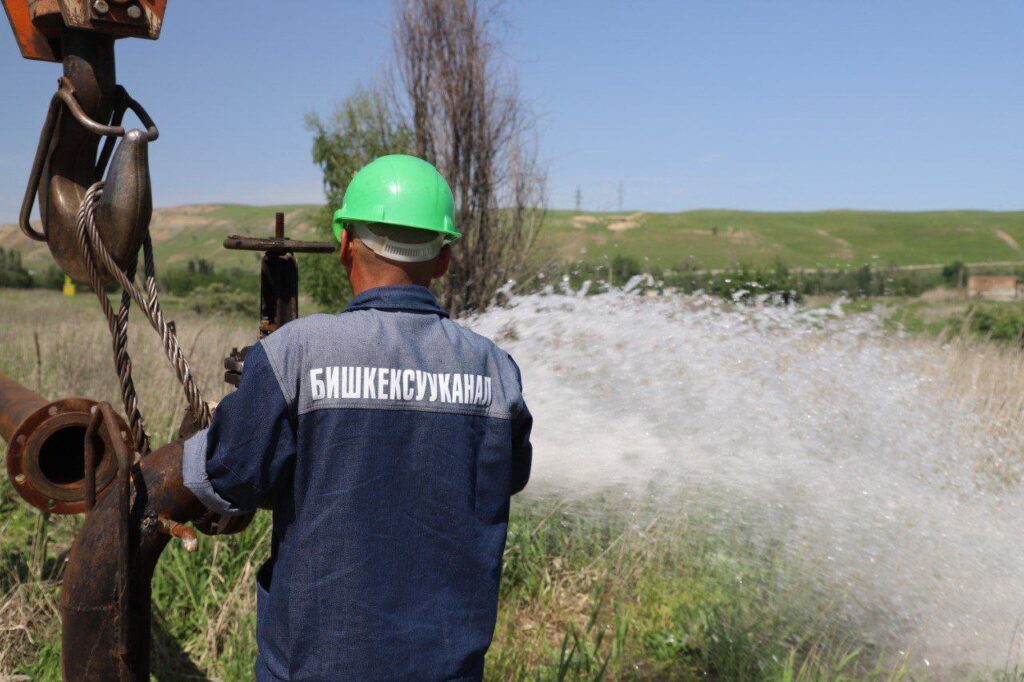
Water Shortages in Kyrgyzstan’s Cities Despite Full Reservoirs

Due to a shortage, Kyrgyz authorities have banned the use of drinking water to irrigate cities’ gardens and orchards.

Implemented in Bishkek and Osh, the ban which operates during daytime hours, is set to run until the end of the summer.

In a report to TCA,  Erlan Timurov, chief public relations specialist for Bishkekgorvodokanal, the company in charge of drinking water in Bishkek, stated: “Every year, Bishkekvodokanal produces about 145 million cubic meters of drinking water, around  48m cubic meters of which are lost as a result of  illegal connections to our networks and leaks caused by worn-out infrastructure”

The situation is similar in southern Kyrgyzstan and in Osh, utility companies in the course of monitoring levels, regularly identify and cut off water supplies to those illegally  connected to the system.

“The average daily consumption of drinking water in residential areas increases fivefold in summer,” explained Timurov. “Most of this increase is spent on watering vegetable gardens and filling swimming pools. As a result, some residents experience water shortages.”

Ironically, the water deficit is developing against a backdrop of overflowing local reservoirs caused partly by abnormal weather melting mountain glaciers. Under the circumstances, the Tien Shan High Mountain Research Centre at the Institute of Water Problems and Hydropower in Kyrgyzstan blames cities’ water shortages on irrational use.

“In the 1980s , collective and state farms universally introduced the so-called sprinkler system. Back then,  500 to 1,000 cubic meters of water were required to irrigate one hectare.  Today, that has risen to  2 to 3 thousand cubic meters. The problem is that we have lost many technologies and do not know how to use water effectively,” claimed  the scientific center.

Drip irrigation used worldwide, is now being introduced in Kyrgyzstan. However, because  it’s expensive, the percentage of Kyrgyz farmers using this type of irrigation is extremely small and the majority  continue their habit of using drinking water in their fields, gardens, and orchards using outdated irrigation systems .