• KGS/USD = 0.01144 0%
  • KZT/USD = 0.00193 -0%
  • TJS/USD = 0.10832 0.09%
  • UZS/USD = 0.00008 0%
  • TMT/USD = 0.28490 0%
  • KGS/USD = 0.01144 0%
  • KZT/USD = 0.00193 -0%
  • TJS/USD = 0.10832 0.09%
  • UZS/USD = 0.00008 0%
  • TMT/USD = 0.28490 0%
  • KGS/USD = 0.01144 0%
  • KZT/USD = 0.00193 -0%
  • TJS/USD = 0.10832 0.09%
  • UZS/USD = 0.00008 0%
  • TMT/USD = 0.28490 0%
  • KGS/USD = 0.01144 0%
  • KZT/USD = 0.00193 -0%
  • TJS/USD = 0.10832 0.09%
  • UZS/USD = 0.00008 0%
  • TMT/USD = 0.28490 0%
  • KGS/USD = 0.01144 0%
  • KZT/USD = 0.00193 -0%
  • TJS/USD = 0.10832 0.09%
  • UZS/USD = 0.00008 0%
  • TMT/USD = 0.28490 0%
  • KGS/USD = 0.01144 0%
  • KZT/USD = 0.00193 -0%
  • TJS/USD = 0.10832 0.09%
  • UZS/USD = 0.00008 0%
  • TMT/USD = 0.28490 0%
  • KGS/USD = 0.01144 0%
  • KZT/USD = 0.00193 -0%
  • TJS/USD = 0.10832 0.09%
  • UZS/USD = 0.00008 0%
  • TMT/USD = 0.28490 0%
  • KGS/USD = 0.01144 0%
  • KZT/USD = 0.00193 -0%
  • TJS/USD = 0.10832 0.09%
  • UZS/USD = 0.00008 0%
  • TMT/USD = 0.28490 0%
19 December 2025

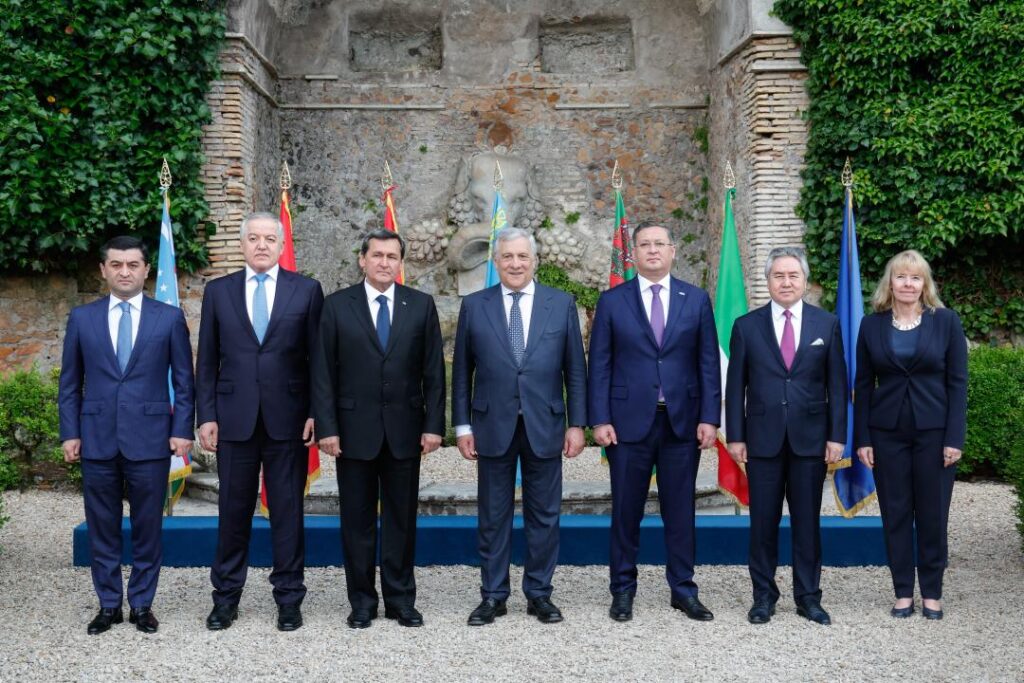
Rome Hosts Third Central Asia + Italy Ministerial Meeting

On May 29, Italy’s Deputy Prime Minister and Minister of Foreign Affairs and International Cooperation Antonio Tajani, and Foreign Affairs Ministers of Kazakhstan, Kyrgyzstan, Tajikistan, Turkmenistan, and Uzbekistan convened at the 3rd Central Asia + Italy Ministerial Meeting in Rome.

The wide-ranging agenda focused on identifying new areas and practical measures regarding cooperation between Italy and Central Asia in transportation, logistics, green energy, global connectivity, higher education, and the fight against terrorism and drug trafficking.

Calling for proactive collaboration in transport interconnectivity, energy, climate change, and education, Antonio Tajani commented: “Italy views with great interest the opportunities presented to Italian companies in Central Asia. Establishing a strategic partnership with Central Asian countries and strengthening economic and industrial cooperation in the fields of water resources, the environment, and higher education is a priority.”

Over the past year, the Italian Government’s promotion of relations with Central Asian countries has been demonstrated by business forums involving Uzbekistan in June 2023, Kazakhstan in January, and most recently, Tajikistan in April.

In line with a strategy to grow diplomatic activity conducted by the Italian Ministry of Foreign Affairs at the instigation of Minister Tajani,  such initiatives aim to boost collaboration on regional projects concerning infrastructure, agriculture, machinery, and energy in Central Asia.


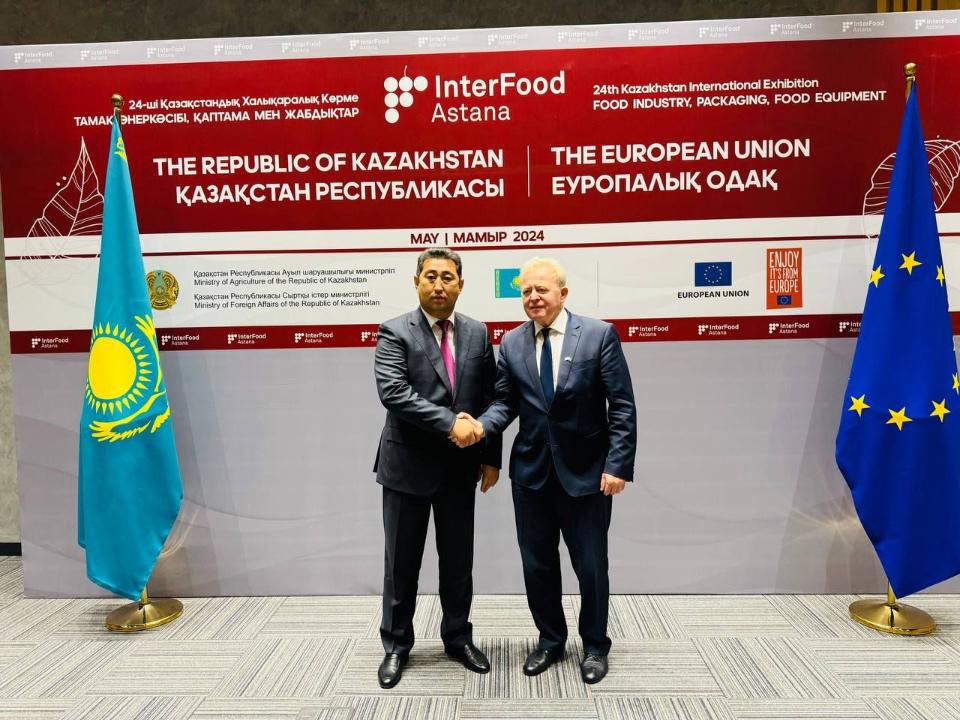
Kazakhstan and EU Seek Increase in Trade of Agricultural Products

On May 29, Kazakhstan Agriculture Minister Aidarbek Saparov entered discussions with European Commissioner for Agriculture Janusz Wojciechowski for the removal of trade barriers for agricultural products.

The conference took place during the European Commissioner’s first High-Level Mission to Kazakhstan, attended by a delegation of 40 agri-food businesses and organizations from across the European Union.

Saparov and Wojciechowski agreed to continue discussions on the technicalities of opening the EU market for Kazakh honey, meat, and dairy products, as well as the export of pig and poultry products from EU countries to Kazakhstan.

In 2023, Kazakhstan exported 650 thousand tons of wheat to EU countries, alongside flax seeds, rapeseed, and processed grain crops.

Although Kazakh producers are not yet licensed to export livestock products to the EU, Kazakh fish is in high demand by European buyers. Of Kazakhstan’s 70 fish processing enterprises, 18 have been granted the right to export their products to the European Union countries. In 2023, Kazakhstan’s exports of fish products amounted to around 25 thousand tons, worth $85 million. About 11 thousand tons were exported to EU countries including Germany, the Netherlands, Denmark, and Lithuania for a total of $60 million.

With a long tradition of livestock farming, Kazakhstan is naturally eager to export its meat, particularly horsemeat. Minister Saparov therefore proposed intensifying efforts to export such produce in tandem with securing approval to export  Kazakh honey to the EU.

In a press statement ahead of his visit, Commissioner Wojciechowski announced, “This High-Level Mission is a strong signal of our intention to further strengthen our partnership and our bilateral trade in agri-food products with Kazakhstan.”

Kazakhstan remains a key gateway for EU food and beverage producers seeking entrance to the Central Asian market, and Kazakhstan itself, is an important destination for EU agricultural exports, which in 2023, amounted to €702 million.


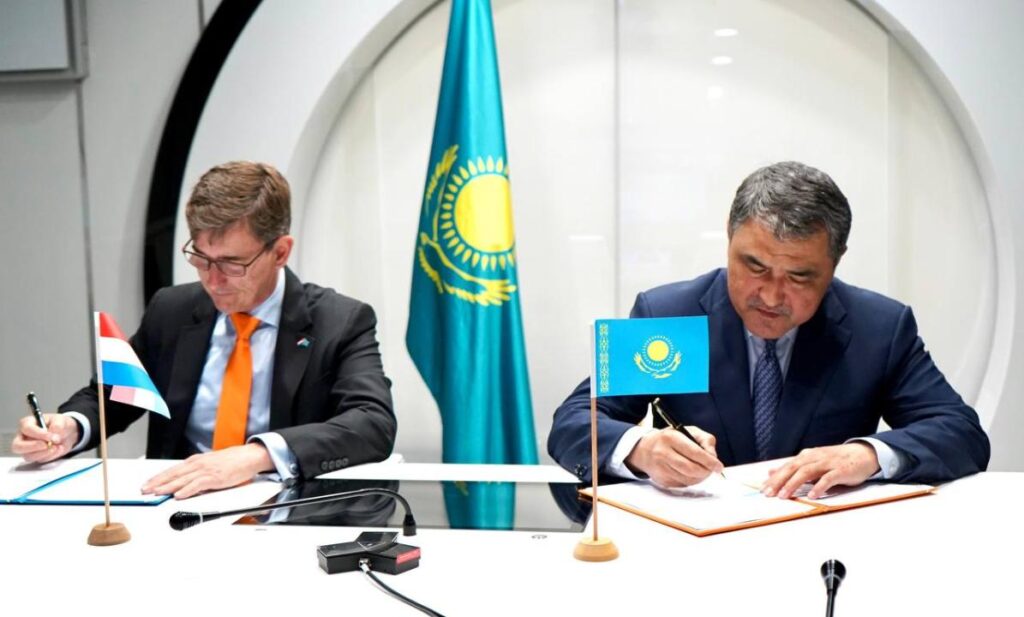
Netherlands to Help Develop Kazakhstan’s Water Sector

On May 29, the Ministry of Water Resources and Irrigation of Kazakhstan and the Ministry of Foreign Affairs of the Netherlands signed a Memorandum of Understanding on cooperation in the construction and use of water facilities, flood forecasting and flood control planning.

The agreement will draw on an exchange of experience in the regulation and use of flood waters, as well as a study of Dutch river flow management.

A further memorandum was signed with the IHE Delft Institute for Water Education to provide training of specialists and interaction with science and innovative technologies in the water industry.

Minister of Water Resources and Irrigation of Kazakhstan Nurzhan Nurzhigitov welcomed the two countries’ formal agreement to further cooperation and expressed confidence that it would help implement large-scale projects, and through the exchange of experience and technology, unlock the potential of the domestic water sector.


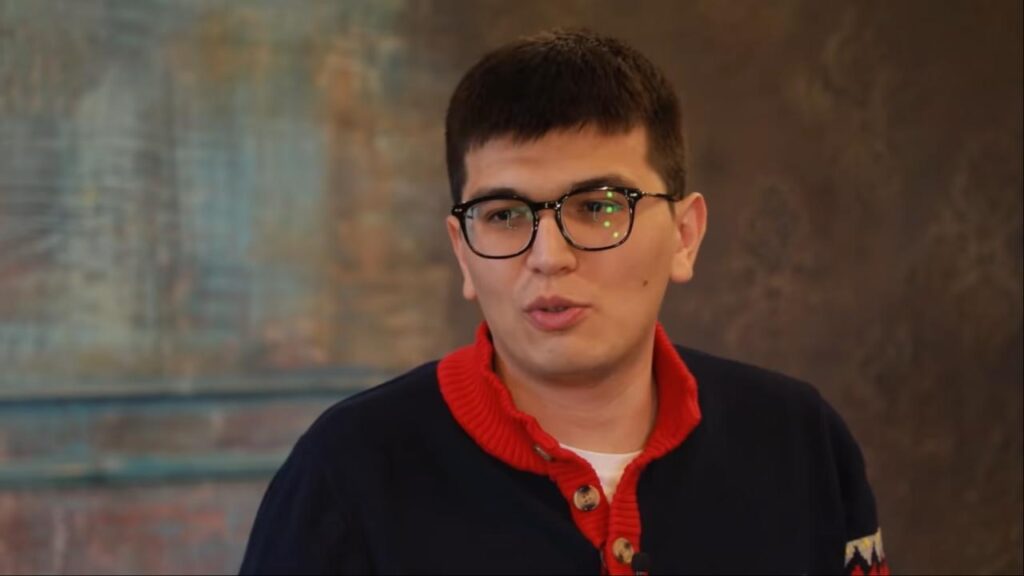
Nuclear Power in Uzbekistan Has a Political Aspect – Economist Behzod Hoshimov

A Russian-built and managed nuclear power plant (NPP) is under construction in Uzbekistan’s Jizzakh region. However, some experts are not convinced about the project’s feasibility. One of them is Uzbek economist Behzod Hoshimov, who has been speaking recently about the economic and political aspects of Rosatom’s foray into Uzbekistan.

According to Hoshimov, the problem is not the lack of reform in the electricity and energy sectors, but rather poor policy and management.

“Even now, without any nuclear power plants, we can import electricity or fuel for its production, and we can attract companies that produce solar energy at fairly normal prices. Therefore, the problem of “lack of electricity” results from artificially created, mismanaged, and wrongly constructed electricity policy. The construction of NPP is not a technological problem that can be solved,” the economist writes on his Telegram channel.

He raises questions such as whether the decision to build a nuclear power plant was economically feasible, and how much money the Uzbek government will spend on its construction.

“Will it be financed from other financial sources, including the state debt, and most importantly, if the state is building, how much will it cost the people of Uzbekistan?” The amounts intended to be used from all state and non-state financial sources must be fully and completely disclosed. This fiscal requirement is also defined in our constitution,” Hoshimov adds.

“But more importantly, there are other conditions in the deal, which are more important than the station’s price. We need to talk about them. It is very important who manages the station and at what price electricity is sold. In Turkey, Russia has built entirely at its own expense and made a deal for 12.5 cents per 1 kilowatt hour of energy. There is a reasonable question about whether we should take it under the same conditions. Today, if there are cheaper generation sources in Uzbekistan, how much more expensive nuclear energy is necessary?”

Hoshimov has noted that there are also political aspects to the issue:

“The second thing that applies to all state expenditures, especially large and important ones, is choosing a contractor. Did companies other than “Rosatom” participate in the tender? Countries like France and Japan have highly developed atomic energy, and they also build excellent stations. What did their companies offer to our government? Why “Rosatom?” The reason I ask this question is, of course, that there is no place for politics in such a thing. Europe has almost completely abandoned Russian energy – the reason for this was the full-fledged war in Europe. Once upon a time, Germany decided that Russian energy was cheap, not considering political calculations but relying only on economic calculations, and this decision cost a lot. But for a much smaller country like ours, the fact that the main contractor in the NPP is the Russian state and a state-owned enterprise should be a very big question.”

He also points out: “If the Japanese and the Russians offer the same price, I would say that the Japanese should be chosen, even if the price is the same. In any case, the political risks are much lower. The war is still not over, and if new sanctions are introduced – for example, the power plant in our country and its consumers – the consequences for the Uzbeks, I think, are still an open question. In addition, the funds that Uzbekistan receives for the modernization of its energy industry mainly come from Western or Western-led financial institutions. All these organizations have imposed sanctions on Russia. Now, is there a danger that the technology and the source of funds for the modernization of the entire energy system will disappear because of only one NPP?”

Ten Thousand Hectares of Land in Tajikistan Left Without Water

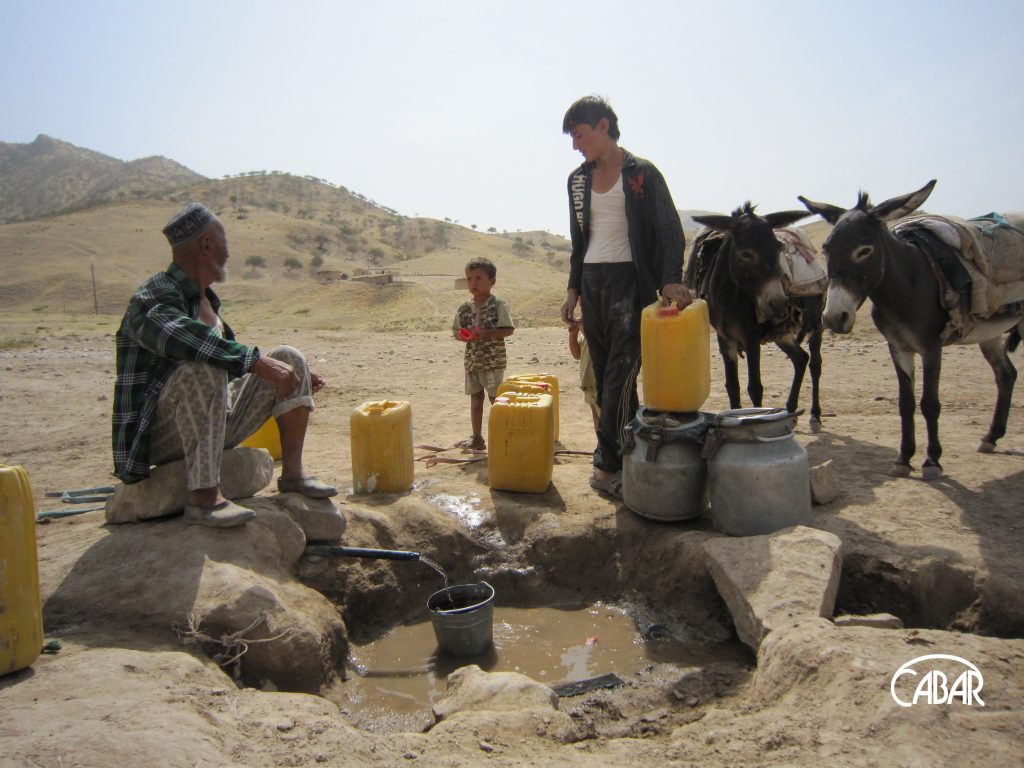
Asia-Plus reports that more than 10,000 hectares of irrigated land in Tajikistan’s Khatlon region have not been irrigated due to the failure of pumping stations. Almost 900 hectares of irrigated land have fallen out of agricultural use.

This situation was criticized by the country’s president, Emomali Rahmon, at a meeting with leaders and civic figures from Khatlon region on May 25 .

At the meeting in Dangara district Rahmon said: “We must increase the production of agriculture and agricultural products year by year, supply the consumer market of our country with food products at any time of the year, and constantly reduce the dependence of our country’s economy on the import of food products.”

He also called on agriculture workers to fill the domestic consumer market with the most necessary goods, organizing its adequate backup, preventing unjustified price increases, establishing continuous operation of all sectors of the national economy, leaders, and responsible persons to approach with serious attitude and high responsibility.

According to Rahmon, 18 pumping stations are not working in the Khatlon region, which has led to the dehydration of more than 5,000 hectares of land.

Uzbekistan and Russia Discuss Rearmament of Republic’s Air Defense

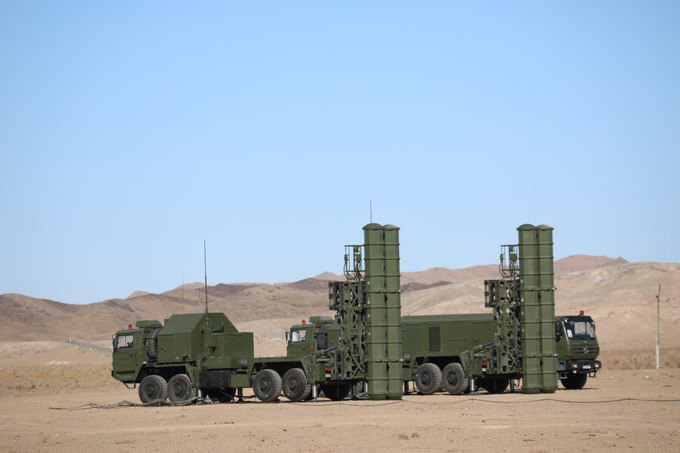
Russia and Uzbekistan intend to sign an agreement on a program of arms modernization, including aviation, air defense, and ground forces. This was announced by the head of the Russian Federal Service for Military-Technical Cooperation Dmitry Shugaev, TASS reports.

According to the speaker, the interaction between Russia and Uzbekistan within the framework of military-technical cooperation will touch upon air defense systems.

“On the agenda is the conclusion of an agreement on the rearmament program. In any case, it will affect the air force air defense, and land equipment. A wide enough nomenclature – we will discuss, further develop, and help our colleagues,” the head of FSVTS said.

Earlier, Uzbek president Shavkat Mirziyoyev signed a decree implying the creation of a state commission to equip the Armed Forces of the republic by March 2024.

About 70,000 people serve in the army of Uzbekistan. The army has 28 brigades, 340 T-62, T-64, and T-72 tanks, and 530 armored vehicles (BMPs, APCs, BRDMs, as well as Turkish and Western Cougar, Ejder Yalcin, Maxxpro+, Typhoon). Defense spending has been steadily increasing, estimated at $797 million for the current year. Uzbekistan left the CSTO in 2012, so it relies on assistance not from Russia, but from Turkey and other foreign partners.