• KGS/USD = 0.01144 0%
  • KZT/USD = 0.00214 0%
  • TJS/USD = 0.10508 0.48%
  • UZS/USD = 0.00008 0%
  • TMT/USD = 0.28571 0%
  • KGS/USD = 0.01144 0%
  • KZT/USD = 0.00214 0%
  • TJS/USD = 0.10508 0.48%
  • UZS/USD = 0.00008 0%
  • TMT/USD = 0.28571 0%
  • KGS/USD = 0.01144 0%
  • KZT/USD = 0.00214 0%
  • TJS/USD = 0.10508 0.48%
  • UZS/USD = 0.00008 0%
  • TMT/USD = 0.28571 0%
  • KGS/USD = 0.01144 0%
  • KZT/USD = 0.00214 0%
  • TJS/USD = 0.10508 0.48%
  • UZS/USD = 0.00008 0%
  • TMT/USD = 0.28571 0%
  • KGS/USD = 0.01144 0%
  • KZT/USD = 0.00214 0%
  • TJS/USD = 0.10508 0.48%
  • UZS/USD = 0.00008 0%
  • TMT/USD = 0.28571 0%
  • KGS/USD = 0.01144 0%
  • KZT/USD = 0.00214 0%
  • TJS/USD = 0.10508 0.48%
  • UZS/USD = 0.00008 0%
  • TMT/USD = 0.28571 0%
  • KGS/USD = 0.01144 0%
  • KZT/USD = 0.00214 0%
  • TJS/USD = 0.10508 0.48%
  • UZS/USD = 0.00008 0%
  • TMT/USD = 0.28571 0%
  • KGS/USD = 0.01144 0%
  • KZT/USD = 0.00214 0%
  • TJS/USD = 0.10508 0.48%
  • UZS/USD = 0.00008 0%
  • TMT/USD = 0.28571 0%

Proposed Temporary Moratorium on Russian Citizenship for Central Asians

Sergey Mironov, leader of the “A Just Russia – For Truth” party, has written  on his social media page of the necessity to introduce a temporary moratorium on granting Russian citizenship to immigrants from Central Asia.

Since problems related to migration are currently central to the attention of legislators, he believes that the party’s previous proposal of a similar initiative should be revisited.

According to Mironov, the state should oppose “mass passports for workers” and protect its interests in national security, by introducing a moratorium on granting Russian citizenship to residents of Central Asian countries, “at least until 2026. And during this time, it will be possible to regulate the legislation, reform the migration service, clear it of bribe-takers, and check the legality of previously issued passports.”

Mironov’s recommendation follows in the wake of a previous report by The Times of Central Asia and the President of Uzbekistan’s opinion that the increase in geopolitical tensions and disputes, as well as the lack of mutual trust, harm the development of international cooperation in the fight against the threats of terrorism and extremism.


Store Selling Gold Bars to Open in Kyrgyzstan

Kyrgyzstan’s state-owned gold-producing company, Kyrgyzaltyn OJSC, will open a store in Bishkek on September 5 to sell gold bars. On August 30, Kyrgyzaltyn opened a workshop for the production of gold bars in Kara-Balta, a town 100km west of Bishkek.

It is Kyrgyzstan’s first enterprise to produce measured gold bars, with a monthly production capacity of up to 14,000 units.
The facility uses advanced technologies and modern equipment from Italy and Germany, allowing the production of souvenir coins and medals.

Earlier, the mayor of Kara-Balta, Mirlan Jekshenov, told Birinchi Radio that over the next year, the enterprise plans to release up to 3,600 kilograms of gold in bars of various weights — 1, 2, 5, 10, and 20 ounces and 50-100 grams — for the domestic market.

In recent years, the country’s government has encouraged the population to buy gold from the National Bank, saying that it is the best way for citizens to keep their savings.

According to official statistics, gold accounts for almost 39% of Kyrgyzstan’s exports; in 2023, Kyrgyzstan sold more than 20 tons of gold.
Most of Kyrgyzstan’s gold is produced at the country’s largest gold mine, Kumtor. Last year the mine produced 13,567 tons of gold, with a total revenue of $848 million and a net profit of $302.5 million.

Uzbek Security Chief: SCO Must Help Afghanistan to Fight Islamic State Khorasan Province

The Shanghai Cooperation Organization (SCO) is holding its 10th regional anti-terrorism conference in Tashkent. The conference is being held on September 4 and 5.

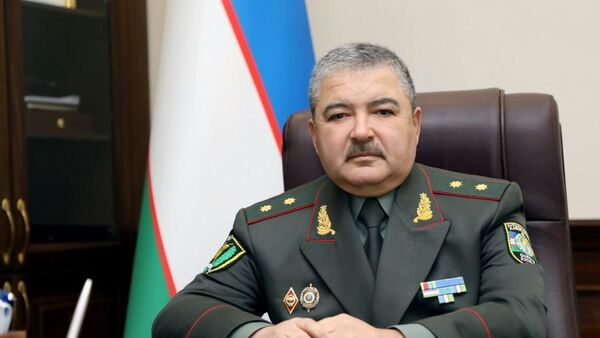
At the conference’s plenary session, Lieutenant General Abdusalam Azizov, the head of Uzbekistan’s State Security Service, emphasized that the member countries of the SCO must work together to fight against international terrorism, extremism, and radicalism.

“The Afghan government is fighting international terrorism based on its capabilities and resources, and the Afghan special service is leading the fight against the Islamic State and achieving results. We must fight together against the enemy,” Azizov said.

Regarding the branch of Islamic State known as Islamic State Khorasan Province (ISKP), which has claimed responsibility for several fatal attacks in SCO member countries, including the attack on the Crocus City concert hall outside Moscow earlier this year, Azizov said: “It is important to help Afghanistan in the fight against ISKP, because the weakening of countermeasures will lead to the strengthening of this group, which, in turn, poses a threat to the security of the region.”

ISKP was formed in 2014 as a collective of defectors from groups including al-Qaeda, Tehrik-e-Taliban (TTP), and former Taliban fighters from Afghanistan and Pakistan. It is estimated that ISKP has between 4,000 and 6,000 members. Since the Taliban killed its leader Sanaullah Ghafari in 2023, it is unclear who runs the group.

Uzbekistan and Kazakhstan Plan to Launch Satellites into Space

Representatives of Uzbekistan’s Ministry of Digital Technologies attended the recent Asia-Pacific Conference on Digital Transformation, which was held in Astana on September 2-3. The event was organized by the United Nations Economic and Social Commission for Asia and the Pacific (UNESCAP).

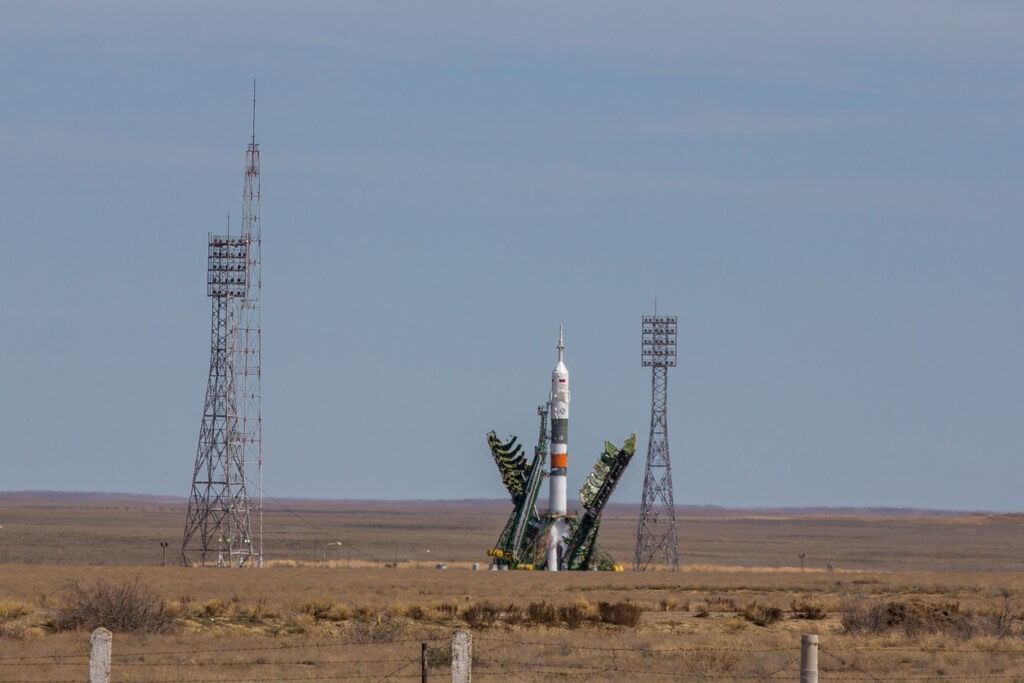
The conference touched upon possible cooperation between Uzbekistan and Kazakhstan on launching a group of satellites into space. In August Uzbekistan became a signatory to the Outer Space Treaty, which regulates international cooperation in space exploration.

The Times of Central Asia has also reported that Kazakhstan plans to use Amazon’s “Project Kuiper” satellite internet, a competitor to Elon Musk’s famous Starlink.

Kyrgyzstan Tightens Gambling Regulations

New rules and requirements for casinos have recently been introduced in a decree signed by Head of the Kyrgyz Cabinet of Ministers, Akylbek Japarov, “On gambling activities in Kyrgyzstan.”

In accordance with the document, all transactions taking place within casinos are to be recorded on video cameras installed at cash, currency exchange and registration desks, and all activities in gambling establishments must be filmed in real-time. Recordings must be accessible for at least one month and can be stored for up to three months.

Under the new rules, slot machines can only be installed in casinos and gaming zones must be at least 200 square meters.

The decree also states: “Bookmaker offices and totalizators can be opened based on a license to organize and conduct gambling in betting offices or totalizators located only in the casino.”

Gambling establishments have been banned in Kyrgyzstan since 2012. The situation then changed in 2022, when new authorities permitted  the reintroduction of casinos, albeit confined to places designated for foreign citizens.

Afghanistan Increases Electricity Imports from Turkmenistan With New Substation

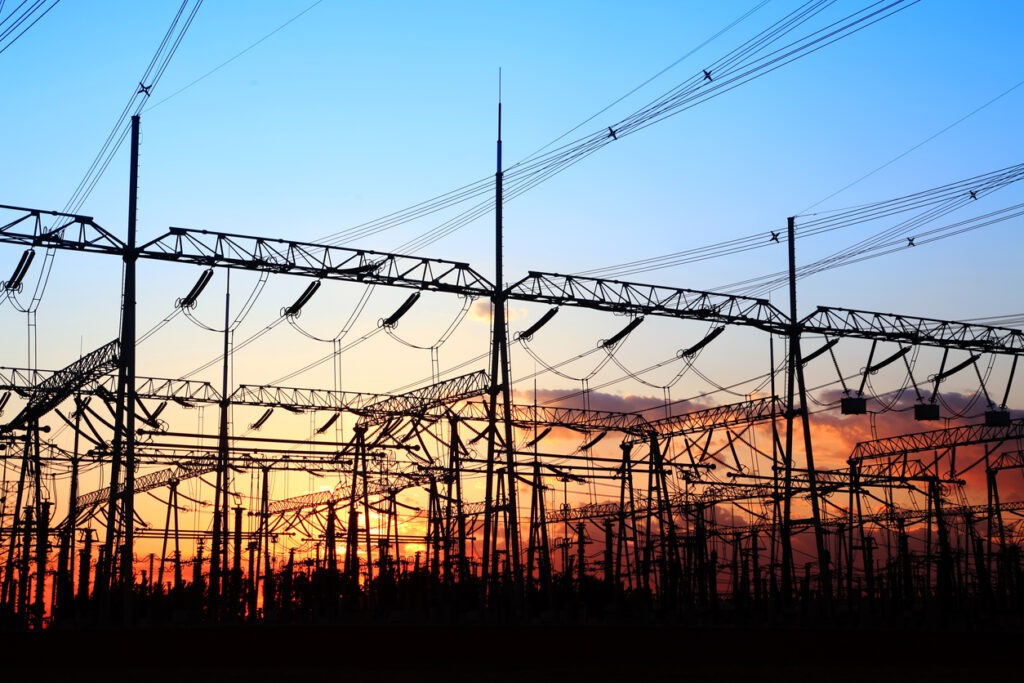
Afghanistan is on track to increase its electricity imports from Turkmenistan significantly. According to a spokesman from Afghanistan’s Ministry of Energy and Water, Matiullah Abid, the 500-kilovolt Arghandi substation is expected to be completed in the next two months.

Once the substation is completed, this project and other lines will allow Afghanistan to import up to 1,000 megawatts of electricity from Turkmenistan, alleviating the country’s chronic electricity shortage.

Abid emphasized the rapid progress being made on the construction. Once the building phase is finished, electrical equipment installation will begin.

According to the Afghan publication TOLOnews, the total cost of this project is $183 million, and it will be completed within two years.

Afghanistan’s acting Minister of Energy and Water, Abdul Latif Mansoor, stated that officials from the company investing in the Arghandi substation project emphasized that creating investment facilities is crucial for increasing the country’s energy production capacity.

In January of this year, the electricity company “Da Afghanistan Breshna Sherkat” (DABS) signed a contract with Turkmenistan to supply 1.8 billion kilowatt hours (kWh) of electricity to Afghanistan. The Afghanistan Chamber of Commerce and Industry said that the electricity supply price from Turkmenistan is low.