• KGS/USD = 0.01144 0%
  • KZT/USD = 0.00196 -0%
  • TJS/USD = 0.10904 0%
  • UZS/USD = 0.00008 0%
  • TMT/USD = 0.28490 0%
  • KGS/USD = 0.01144 0%
  • KZT/USD = 0.00196 -0%
  • TJS/USD = 0.10904 0%
  • UZS/USD = 0.00008 0%
  • TMT/USD = 0.28490 0%
  • KGS/USD = 0.01144 0%
  • KZT/USD = 0.00196 -0%
  • TJS/USD = 0.10904 0%
  • UZS/USD = 0.00008 0%
  • TMT/USD = 0.28490 0%
  • KGS/USD = 0.01144 0%
  • KZT/USD = 0.00196 -0%
  • TJS/USD = 0.10904 0%
  • UZS/USD = 0.00008 0%
  • TMT/USD = 0.28490 0%
  • KGS/USD = 0.01144 0%
  • KZT/USD = 0.00196 -0%
  • TJS/USD = 0.10904 0%
  • UZS/USD = 0.00008 0%
  • TMT/USD = 0.28490 0%
  • KGS/USD = 0.01144 0%
  • KZT/USD = 0.00196 -0%
  • TJS/USD = 0.10904 0%
  • UZS/USD = 0.00008 0%
  • TMT/USD = 0.28490 0%
  • KGS/USD = 0.01144 0%
  • KZT/USD = 0.00196 -0%
  • TJS/USD = 0.10904 0%
  • UZS/USD = 0.00008 0%
  • TMT/USD = 0.28490 0%
  • KGS/USD = 0.01144 0%
  • KZT/USD = 0.00196 -0%
  • TJS/USD = 0.10904 0%
  • UZS/USD = 0.00008 0%
  • TMT/USD = 0.28490 0%
08 December 2025

Kazakh Billionaire Lomtadze Buys Majority Stake in English Soccer Club

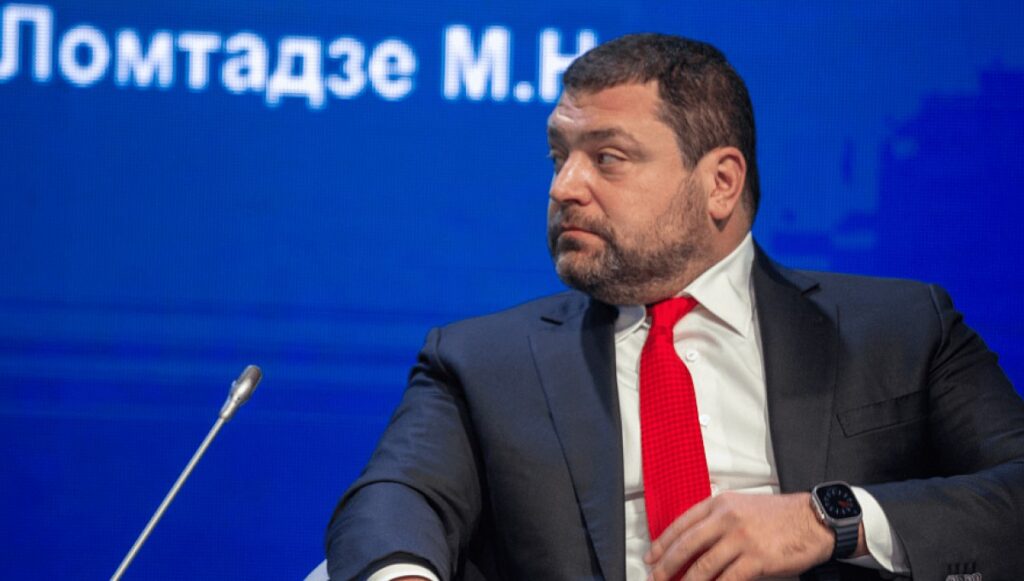
Kazakhstani billionaire Mikhail Lomtadze, co-founder of fintech and banking giant Kaspi.kz, has acquired a controlling stake in the English soccer club Wycombe Wanderers.

Following approval by the English Football League (EFL), he joins Eduard Vyshnyakov and Dan Rice as new members of Wanderers’ board of directors.

The club plays in England’s League One (third division) and as a 90% stakeholder, through his company Blue Ocean Partners II Limited,  Lomtadze plans to change its development strategy.

In an interview with the British newspaper The Sun, he explained, “Our goal is to achieve long-term success both on and off the pitch, while creating a financially sustainable club. The soccer world is evolving very quickly and our priority will be to integrate data analytics and technology to take the club’s performance to the next level. I am also a firm believer in youth development and this will be fundamental to the vision of the club. We aim to reopen and build a leading high performance academy, which will be an important part of our long-term strategy to develop a club that consistently performs at the highest level.”

Whilst Wanderers fans are hopeful for positive changes, in Kazakhstan news of Lomtadze’s purchase was met with skepticism. Opinions shared on social media suggest that the online banking magnate’s investment would have been better placed in developing local sports.

With a fortune estimated at $5.7 billion, Lomtadze ranks fifth in the list of the richest businessmen in Kazakhstan, and in 581st place on the Forbes global list of billionaires.
Ex-Minister Bishimbayev Delivers Last Words in Court Amid Murder Case

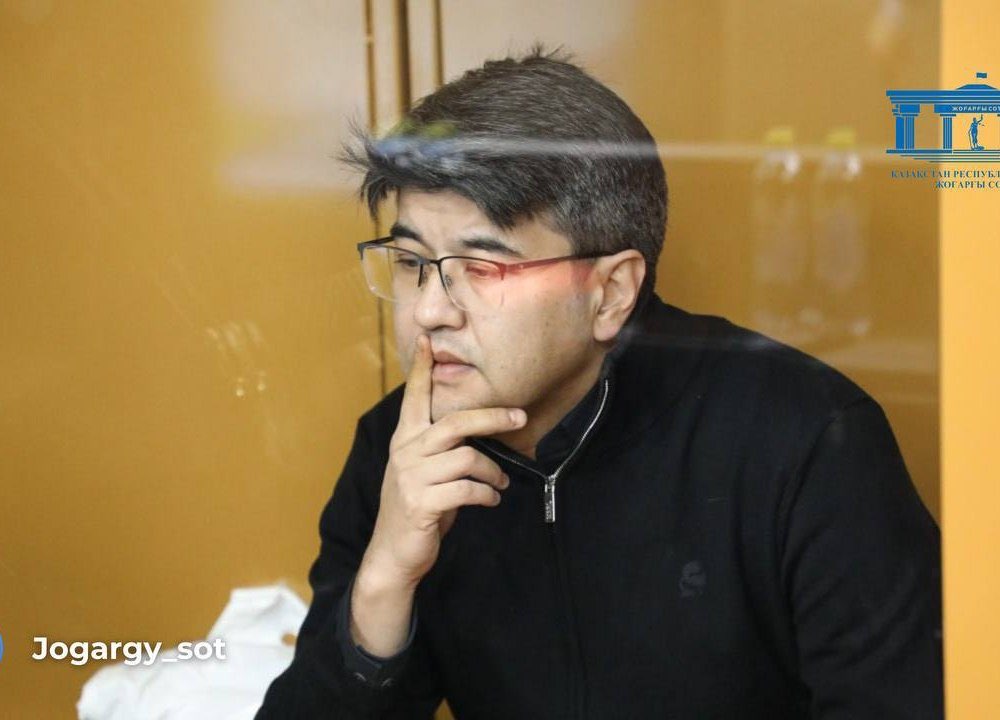
In a pivotal moment that gripped the nation, ex-minister Kuandyk Bishimbayev, alongside his relative Bakhytzhan Baizhanov, stood before a court in Astana on May 6, 2024, to deliver their final statements in a high-profile murder case that has captivated public attention. The courtroom, charged with anticipation, listened intently as Bishimbayev and Baizhanov articulated their last words before the verdict.

Bishimbayev, facing charges of murder with particular cruelty and torture of Saltanat Nukenova, expressed profound remorse and a plea for forgiveness. His voice steady, yet laden with emotion, Bishimbayev recounted the events leading to Nukenova’s demise, emphasizing the unintentional nature of her death. “I never wished Saltanat to die,” he stated, addressing the court and jurors, “I am not guilty of premeditated murder.”

The forensic evidence cited by Bishimbayev highlighted a hematoma as the cause of Nukenova’s death, further distancing the defendant from allegations of intentional harm. Despite the social and media pressure surrounding the case, Bishimbayev remained steadfast in his acknowledgment of guilt, albeit not for premeditated murder. His repentance extended to the public, his family, and friends, underscoring the personal and societal repercussions of his actions.

Baizhanov, on the other hand, faced accusations of concealing the crime. In his statement, Baizhanov vehemently denied any prior knowledge of Bishimbayev’s actions, asserting that his involvement was without the intention of hiding a crime. “If I had known, I would not have committed these acts,” Baizhanov declared, pressing his claim of innocence in the charge of concealing the crime.

The case, stemming from the discovery of Nukenova’s body on November 9, 2023, at the BAU restaurant owned by Bishimbayev’s family, has shed light on darker undercurrents of power and tragedy. Bishimbayev’s admission of negligent homicide served to add layers to a case already heavy with implications and public scrutiny.

As the trial, which commenced on March 27, draws to a close, hundreds of thousands across Kazakhstan and beyond await the final judgment. The proceedings have not only underscored the legal complexities inherent in such a case, but also reflected broader societal concerns over justice, accountability, and the human capacity for regret and redemption.

The coming verdict will not only determine the fate of Bishimbayev and Baizhanov, but also serve as a significant moment in Kazakhstan’s judicial history, symbolizing the law’s stance on crimes of such a grave nature and the pursuit of truth and justice.

Against the backdrop of this high-profile case, human rights groups had called on the authorities in Kazakhstan to toughen penalties for domestic violence. Parliament approved the relevant draft, which the public dubbed “Saltanat’s law”, and the document was signed into law by the president on April 15.

Kazakhstan Proposes Life Imprisonment for Drug Traffickers

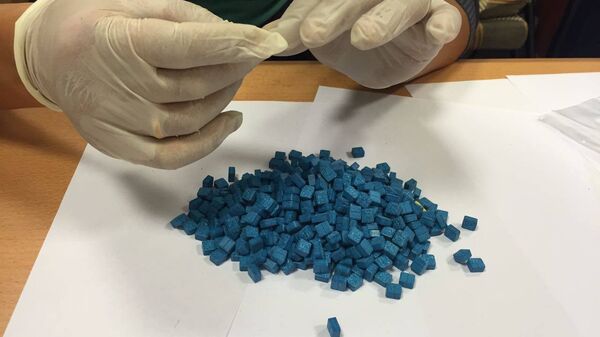
Kazakhstan plans to toughen punishment for drug traffickers by introducing the possibility of life imprisonment for convicted dealers. Legislative amendments have already been presented in the Mazhilis (lower house of parliament).

Kazakhstan has become the center of synthetic drug production in Central Asia, member of parliament Dmitry Koloda said. Drug traffickers, he says, have become more creative in recent years and have established several new transportation networks. However, existing laws don’t provide for criminal liability for the trafficking of components inside the country.

“Law enforcement’s hands are tied. In fact, they are forced to wait for drug traffickers to proceed directly to the ‘cooking’ of drugs. Otherwise, the case will have no judicial perspective,” said Koloda.

The bill also proposes strengthening criminal liability for trafficking in potent substances, such as tropicamide and pregabalin. Those narcotics are popular with drug addicts, including teenage users.

Kazakh parliamentarians have introduced amendments that seek to equate illegal drug production with the most dangerous types of drug offenses. The punishment for that level of serious crime is up to life imprisonment.

Currently, drug couriers and drug producers are prosecuted under the same article, with sentences ranging from 10 to 15 years, plus confiscation of property. The bill will differentiate and define criminal liability more specifically.

Over the past year alone Kazakhstani police have disrupted and dismantled three transnational criminal groups specializing in the production of synthetic drugs. More than a ton of narcotic drugs were seized during those operations.

 Victory Day Payments for WWII Veterans in Former Soviet Republics

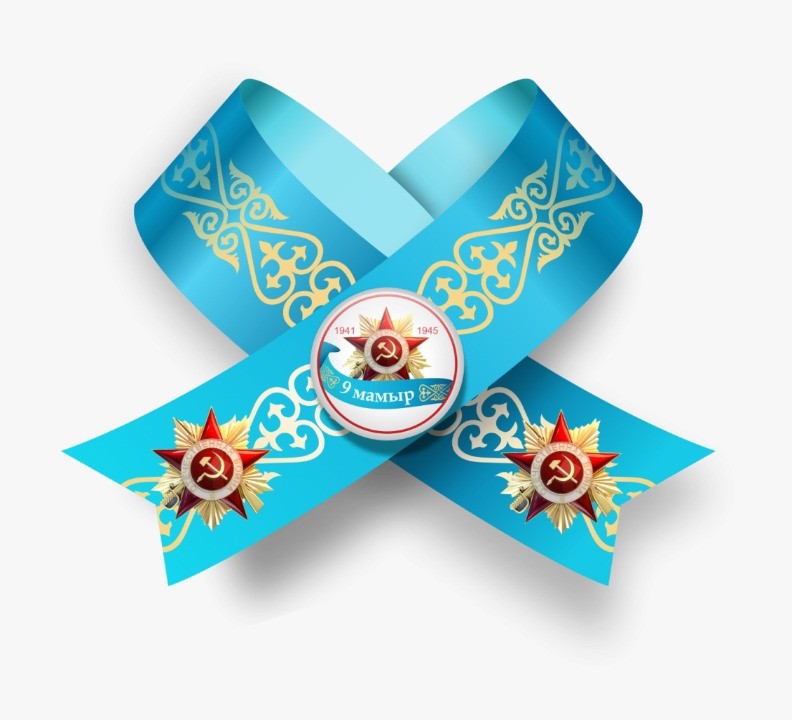
To mark the 79th anniversary of the Second World War Victory, celebrated in former Soviet republics on 9 May, Kazakhstan’s 50,100 WWII veterans and contributors each received at least 1.5 million tenge ($3,500).

According to Kazakhstan’s Ministry of Labour and Social Protection of the Population, Victory Day awards differed from region to region. Qualified residents in Akmola received 3 million tenge, in Aktobe, over 2 million tenge, and in Abay, Almaty, Karaganda, and Pavlodar as well as the cities of Astana and Almaty, 2 million tenge.

Records of 1 May, show that 148 WW2 veterans currently reside in Kazakhstan. The country is also home to 50,012 others who played important roles in winning the war, including 70 residents of besieged Leningrad; 149 prisoners of German concentration camps; 2,314 spouses of those killed and disabled in battle ; 2 widows of soldiers who died or went missing, and 47,477 people who manned the home front.

During WWII, over 1.2 million Kazakhs were called to the Soviet-German front. Fighting in over 20 infantry divisions, fifty percent died or went missing in combat.

In Kyrgyzstan, 41 surviving war veterans will each receive 100 thousand soms (almost $1,130) from the President’s Fund.

In Russia, veterans will receive a single federal payment of 10 thousand rubles (about $109), and those based in Moscow, an additional 10 -25 thousand rubles.

Victory Day payments to veterans in Belarus are around $1,226 per head, and in Azerbaijan, $1,200.


Kazakhstan Establishes Forest Protection Service 

On May 4, Prime Minister of Kazakhstan Olzhas Bektenov signed a government resolution establishing a national Forest Protection Service.

Administered by the Ministry of Ecology, the agency is tasked to enhance the efficiency of forestry institutions in dealing with emergency situations, including forest fires, as well as instilling a more scientific approach to subsequent forest rehabilitation and clearance.

In addition to improving coordination between government agencies in the elimination of large-scale wildfires, the Forest Protection Service will ensure that personnel responsible for preventing and extinguishing forest fires are fully qualified. Machinery and equipment required for the job will also be updated and increased.

Kazakhstan currently has 15 national civil defense services, including the Firefighting Service, Medical Service, Chemical Protection Service, Radiation Protection Service, and Hydrometeorological Service.


Celebrating Russian Orthodox Easter in Central Asia: A Fusion of Traditions and Cultures

Russian Orthodox Easter, known as Pascha, is one of the most significant and joyously celebrated holidays among Russian communities worldwide, including those residing in the diverse tapestry of Central Asia. This celebration, deeply rooted in religious traditions, brings a unique blend of spiritual solemnity and communal festivities that stand out amidst the landscapes of Kazakhstan, Kyrgyzstan, Tajikistan, Turkmenistan, and Uzbekistan.

The Heart of Russian Orthodox Easter

The essence of Russian Orthodox Easter lies in its adherence to the Julian calendar, which often sets the celebration on a different date from Easter observed by Western Christian churches following the Gregorian calendar. The focal point of this celebration is the resurrection of Jesus Christ, a moment of immense spiritual rejoicing and the culmination of the Holy Week, preceded by the Great Lent, a period of fasting and penitence.

Easter Traditions Transcending Borders

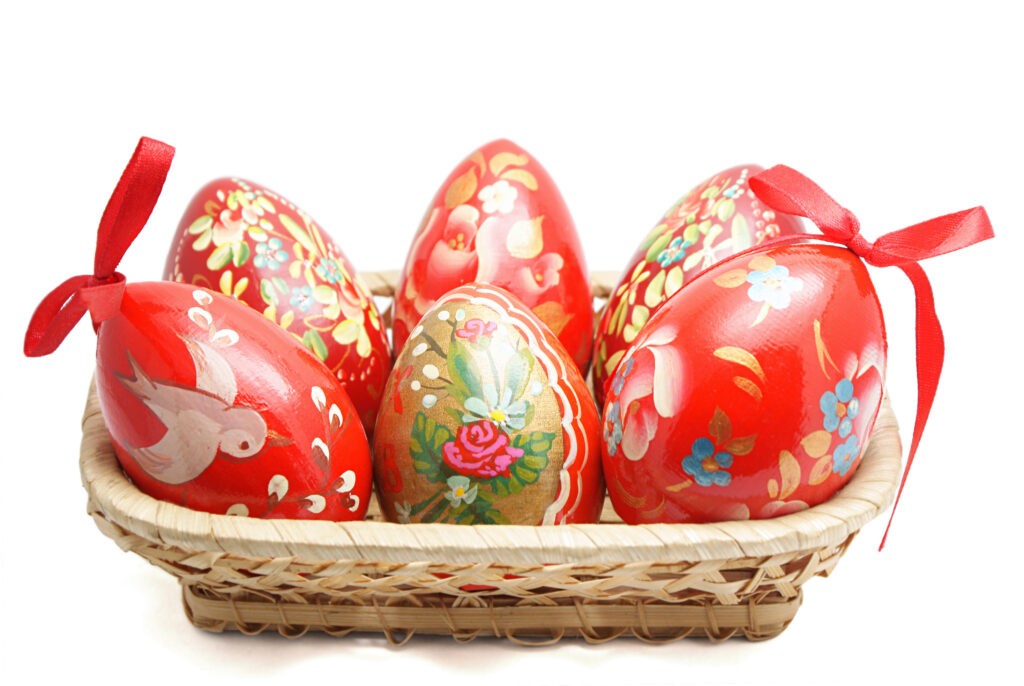
In Central Asia, Russian Orthodox communities maintain their rich cultural heritage through distinctive Easter traditions. The ritual foods – Kulich, a tall, sweet yeast bread, and Paskha, a cheese dessert shaped into a pyramid to symbolize the Tomb of Christ, are central to the celebration. Eggs, painted in vibrant colors with a predominance of red, symbolize new life and hope, serving as both decorative items and gifts exchanged among friends and family.

Easter Eve is marked by a solemn service that extends into the early hours of Sunday. The service begins in pitch darkness, symbolizing the tomb’s interior. At midnight, churches and homes alike are filled with light and joyous exclamations of “Christ is Risen!” to which the response is “Indeed He is Risen!” This exchange, sometimes accompanied by threefold kisses, underscores the communal and inclusive spirit of Easter celebrations.

A Celebration Amidst Diversity

Despite the predominantly Muslim backdrop of Central Asia, the observance of Russian Orthodox Easter across the region is a testament to the religious freedoms and interfaith harmony that prevails. Local authorities and communities accommodate and respect these celebrations, making way for processions, services, and the public sharing of Easter foods and greetings. The open expression of such traditions fosters a sense of unity and mutual respect among the region’s mosaic of cultures and religions.

Cultural Fusion and Community

Russian Orthodox communities in Central Asia not only preserve their traditions but also open avenues for cultural exchange. Easter festivities often see a blend of local and Russian customs, creating a rich, multicultural celebration. From the blessing of Easter baskets in churches to community gatherings and charitable acts, the essence of Easter – renewal and hope – resonates across diverse landscapes.

Conclusion

Russian Orthodox Easter in Central Asia is a testament to the enduring spirit of faith and community beyond geographical and cultural boundaries. It exemplifies how deeply-held religious traditions can coexist and flourish amidst diversity, bringing people together in celebration of shared values of rebirth, joy, and eternal hope. In the heart of Central Asia, Easter remains a vibrant and unifying force, showcasing the beauty of cultural convergence and the universal message of peace and renewal inherent in the resurrection story.