• KGS/USD = 0.01144 0%
  • KZT/USD = 0.00216 0%
  • TJS/USD = 0.10456 0%
  • UZS/USD = 0.00008 0%
  • TMT/USD = 0.28490 0%
  • KGS/USD = 0.01144 0%
  • KZT/USD = 0.00216 0%
  • TJS/USD = 0.10456 0%
  • UZS/USD = 0.00008 0%
  • TMT/USD = 0.28490 0%
  • KGS/USD = 0.01144 0%
  • KZT/USD = 0.00216 0%
  • TJS/USD = 0.10456 0%
  • UZS/USD = 0.00008 0%
  • TMT/USD = 0.28490 0%
  • KGS/USD = 0.01144 0%
  • KZT/USD = 0.00216 0%
  • TJS/USD = 0.10456 0%
  • UZS/USD = 0.00008 0%
  • TMT/USD = 0.28490 0%
  • KGS/USD = 0.01144 0%
  • KZT/USD = 0.00216 0%
  • TJS/USD = 0.10456 0%
  • UZS/USD = 0.00008 0%
  • TMT/USD = 0.28490 0%
  • KGS/USD = 0.01144 0%
  • KZT/USD = 0.00216 0%
  • TJS/USD = 0.10456 0%
  • UZS/USD = 0.00008 0%
  • TMT/USD = 0.28490 0%
  • KGS/USD = 0.01144 0%
  • KZT/USD = 0.00216 0%
  • TJS/USD = 0.10456 0%
  • UZS/USD = 0.00008 0%
  • TMT/USD = 0.28490 0%
  • KGS/USD = 0.01144 0%
  • KZT/USD = 0.00216 0%
  • TJS/USD = 0.10456 0%
  • UZS/USD = 0.00008 0%
  • TMT/USD = 0.28490 0%

World Bank Establishes Permanent Office in Tajikistan

The World Bank has opened a permanent representative office in Tajikistan this month. ASIA-Plus reports that Ozan Sevimli, who had been the bank’s country manager for Tajikistan since 2021, has been appointed the head of the office.

In Tajikistan the World Bank Group works to ensure reliable electricity and water supply, improve roads and transportation infrastructure, improve education and health care systems, increase food security, and create conditions for private sector growth and institutions of good governance and public administration.

As part of his role, Sevimli will manage programs in Tajikistan being run by the International Bank for Reconstruction and Development, International Development Association, International Finance Corporation, and the Multilateral Investment Guarantee Agency in Tajikistan. This will provide a single point of contact for access to the full range of World Bank Group products and services.

Upon his appointment, Sevimli commented: “Tajikistan faces challenges ranging from institutional challenges and constraints in human capital development to the negative impact of climate change on the economy and people’s livelihoods. The combined leadership of the WB Group will enable a more holistic approach to projects.”
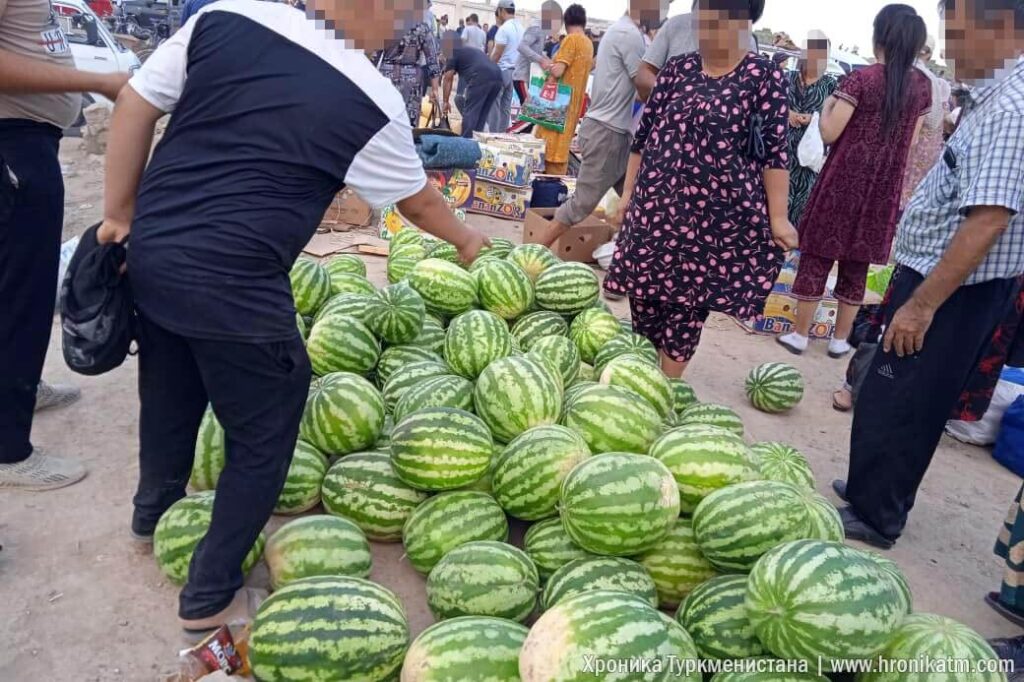
Turkmen Watermelons Struggle to Compete with Iranian Imports

Chronicles Turkmenistan reports that Iranian watermelons are now cheaper than those produced locally.

Turkmen farmers were encouraged to plant watermelons on leased lands on the assurance that the crops would be irrigated at the state’s expense. However, given the high volume of water required to cultivate the fruit and the need for farmers to irrigate their crops twice per season, only those with the means, could afford to pay for their own pumps.

As stated in the publication’s report, “-That- was not enough to get a good harvest. Also, the cost of production, including irrigation and other costs, was higher than expected.”

The vast stocks watermelons imported from Iran to markets  in Meri and Lebap Velayats are significantly cheaper than local produce, selling at  4–5 manats (TMT) ($1.14–1.43) per 6 to 9 kilogram compared to  1.50 TMT ($0.43) per kilogram or an average of  7-8 TMT ($2– 2.29) per Turkmen melon.

As a result, Turkmen farmers struggle to sell their produce and are suffering significant losses.

Uzbekistan Offered Opportunity to Invest in Gas and Oil in Afghanistan

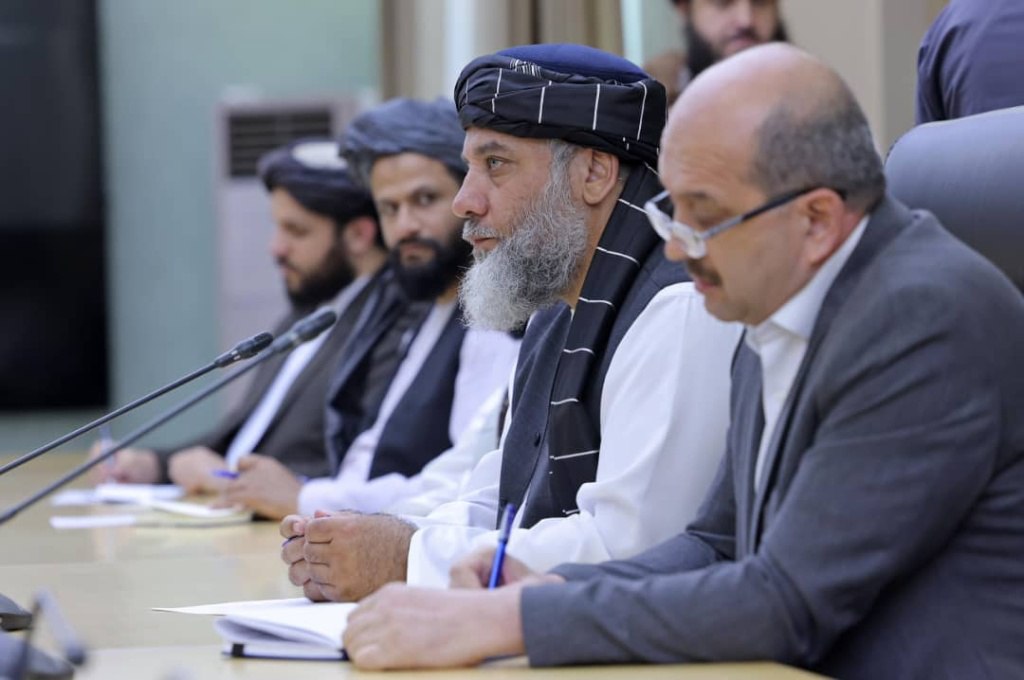
Afghanistan has offered Uzbekistan the opportunity to invest in oil, gas, and copper deposits in the provinces of Ghazni and Herat, and to create mineral processing plants. Nuriddin Azizi, the acting Afghan Minister of Industry and Trade, has proposed a meeting with Bobir Islamov, the Uzbek Minister of Mines and Geology.

“Islamov reacted positively to the idea of an agreement on mutual support for investment between the two countries. He noted that two large copper processing plants are already under construction in Uzbekistan, which need to receive raw materials,” reports state. It was also noted that following the talks, the parties agreed that a delegation from Uzbekistan would visit Afghanistan to conduct research and technical work.

China Supports Kazakhstan’s Bid to Join BRICS

Beijing has officially supported Kazakhstan’s application to join BRICS, a group of emerging economies founded by Brazil, Russia, India and China in 2009, which South Africa joined a year later. In January of this year, Saudi Arabia, Egypt, Ethiopia, Iran, and the UAE were also admitted as full members.

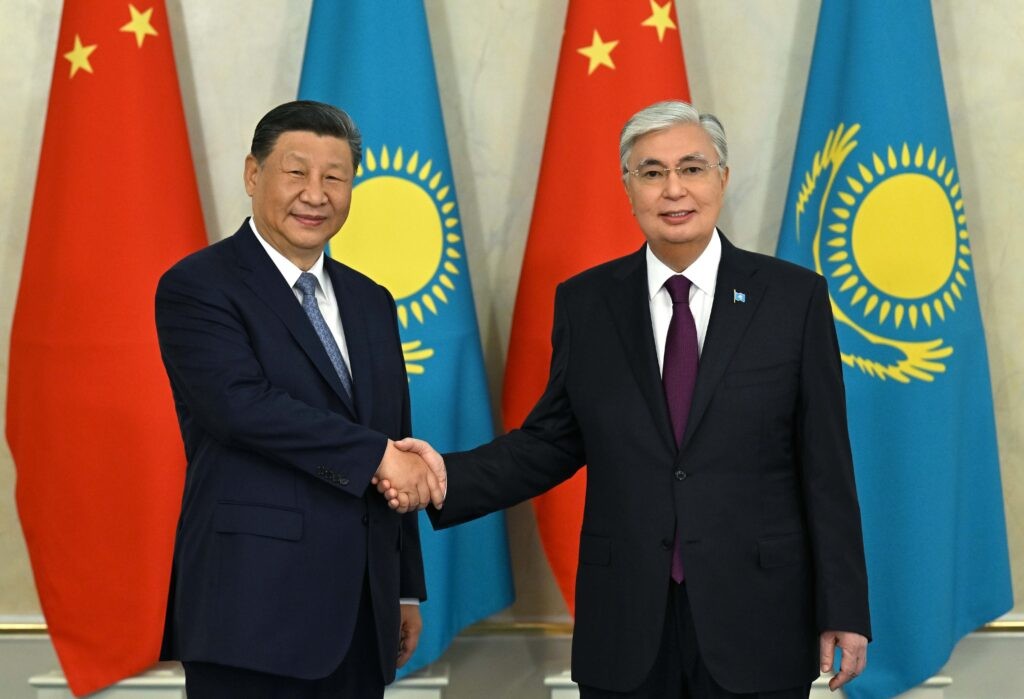
The Anadolu Agency reports that Kazakhstan’s bid to join became known after a meeting between Kassym-Jomart Tokayev and Xi Jinping last week. According to the Chinese leader, “China and Kazakhstan are walking side by side on the road to modernization.” Xi Jinping noted a great synergy between the two countries and said he supports the application.

During the meeting, the president of Kazakhstan also supported China’s initiative to “create a community [for the] common destiny of mankind,” expressing his country’s readiness to “constructively support” issues related to its realization.

Kazakhstan’s Rail Transportation of Cargo Rises to Over 122 Million Tons

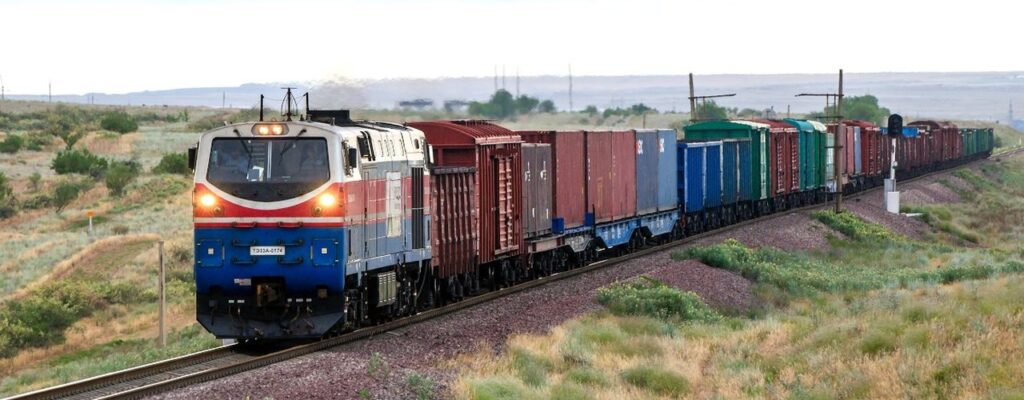
Kazakhstan’s national railway company Kazakhstan Temir Zholy (KTZ) reports that from January-June 2024, it transported more than 122 million tons of cargo.

Transportation within the country increased by 2.1% compared to the same period last year and amounted to 81.5 million tons, and over 41 million tons of cargo were destined for export.

During this period, KTZ transported 47.5 million tons of coal, including 34.8 million tons within the country.

The volume of grain transportation within the country increased by 5%, to 1.1 million tons.

During the first half of the year, rail transportation of ferrous metals increased by 7.2%, to 2.2 million tons; iron ore and manganese by 9.6%, to 10.5 million tons; and non-ferrous ore and sulfur, by 13%, to 12.1 million tons.

Rail transportation for exports of oil increased by 8.3%, to 2.7 million tons; ferrous metals by 6% to 1.6 million tons; chemical fertilizers by 10% to 648 thousand tons: iron ore and manganese by 4% to 5.6 million tons, and 68% for construction cargo by 68% to267 thousand tons.


Kazakhstan to Double Milk Production in Three Years

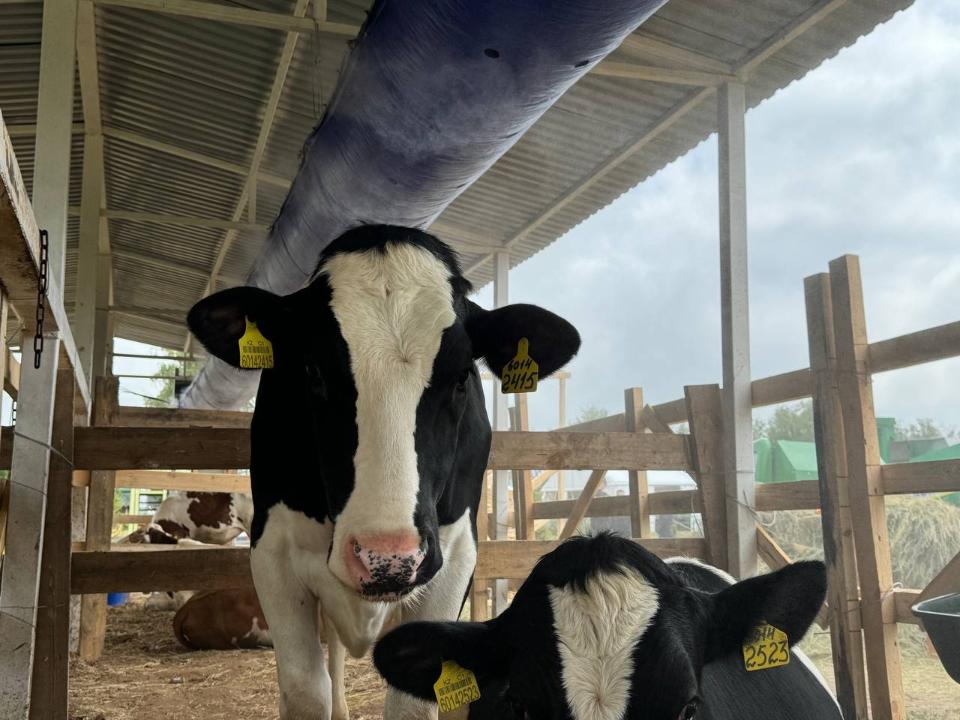
Since 2021, Kazakhstan’s milk production has increased by almost 20% and exceeded 600 thousand tons. Over the next three years, that volume is set to double to 1.2 million tons, through a government preferential financing program announced by Kazakh Minister of Agriculture Aidarbek Saparov at the 3rd International Forum of Dairy Farming and Processing, PRO Milk 24.

The forum held in Astana last week, gathered over 500 milk producing and processing enterprises, as well as dairy industry experts from 12 countries, to share their best practices.

The minister outlined government measures to lower the cost of milk. As animal feed accounts for up to 70% of the cost of milk production, the Ministry of Agriculture plans to diversify fodder crops, increase their yields, and develop efficient irrigation.

At last year’s forum, it was reported that whilst Kazakhstan’s milk processing reached 2.1 million tons, the import of raw milk remained high, increasing from 580 thousand tons in 2022 to 800 thousand tons in 2023.

In addition to increasing domestic milk production, Kazakhstan needs to reduce the share of imported dairy products, the bulk of which comprises cream, butter, and cheese.

Speaking at the forum, Bauyrzhan Aitkulov, Director of the Projects Department at Kazakh Invest, stressed the importance of adopting new approaches to improve investment in the dairy industry and in this regard, said that the Government of Kazakhstan is introducing proactive mechanisms for attracting investment and expanding its measures of support.