• KGS/USD = 0.01143 -0%
  • KZT/USD = 0.00192 -0%
  • TJS/USD = 0.10820 0.19%
  • UZS/USD = 0.00008 0%
  • TMT/USD = 0.28575 0%
  • KGS/USD = 0.01143 -0%
  • KZT/USD = 0.00192 -0%
  • TJS/USD = 0.10820 0.19%
  • UZS/USD = 0.00008 0%
  • TMT/USD = 0.28575 0%
  • KGS/USD = 0.01143 -0%
  • KZT/USD = 0.00192 -0%
  • TJS/USD = 0.10820 0.19%
  • UZS/USD = 0.00008 0%
  • TMT/USD = 0.28575 0%
  • KGS/USD = 0.01143 -0%
  • KZT/USD = 0.00192 -0%
  • TJS/USD = 0.10820 0.19%
  • UZS/USD = 0.00008 0%
  • TMT/USD = 0.28575 0%
  • KGS/USD = 0.01143 -0%
  • KZT/USD = 0.00192 -0%
  • TJS/USD = 0.10820 0.19%
  • UZS/USD = 0.00008 0%
  • TMT/USD = 0.28575 0%
  • KGS/USD = 0.01143 -0%
  • KZT/USD = 0.00192 -0%
  • TJS/USD = 0.10820 0.19%
  • UZS/USD = 0.00008 0%
  • TMT/USD = 0.28575 0%
  • KGS/USD = 0.01143 -0%
  • KZT/USD = 0.00192 -0%
  • TJS/USD = 0.10820 0.19%
  • UZS/USD = 0.00008 0%
  • TMT/USD = 0.28575 0%
  • KGS/USD = 0.01143 -0%
  • KZT/USD = 0.00192 -0%
  • TJS/USD = 0.10820 0.19%
  • UZS/USD = 0.00008 0%
  • TMT/USD = 0.28575 0%
13 December 2025

How Kazakhs Saw Their Personal and National Well-Being at the Start of 2024

In December 2023, I was asked quite frequently whether, in my view, protests like the ones that took place across Kazakhstan in January 2022 were again possible. Based on previous sociological data, I answered that they were most likely not: Throughout 2021 – largely due to the pandemic – social sentiment had worsened, reaching its lowest levels in our 20 years of collecting observations. At that time, almost all indicators of social well-being had declined, including satisfaction with life and the approval of government institutions, while expectations of protests about socio-economic and political issues had increased.

Since January 2022, however, many indicators began to improve, and by December 2023, they had “normalized”, roughly reaching 2019 levels. This is clearly seen in the indicator regarding the respondent’s satisfaction with life (see Chart 1 below). Over 2004-2023, this indicator saw three incidences of significant deterioration, namely in 2004, in 2008-2009 when the financial crisis struck, and in 2021-2022. Thus, by end-2023, the dangerous convergence of satisfaction/dissatisfaction indicators seems to have passed as social sentiment stabilized.

Chart 1: In general, are you satisfied or dissatisfied with your life? (2004-2023)

In December 2023, the country’s economic situation was also seen as having improved (see Chart 2 below). Some 24% percent of respondents said that the economy was in good shape (versus 7% in 2021); 57% saw things as average (vs. 41% in 2021), and only 13% called the economic situation “bad” (vs. 30% in 2021). Most respondents, therefore, saw the economy in 2023 in a neutral or positive light.


Chart 2: How would you assess the current economic situation in Kazakhstan?

However, this does not mean that social sentiment has completely turned around and that it can be ignored. The challenging dynamics of “social optimism”, an important indicator, reflects the population’s subjective near-term outlook. Optimistic responses (i.e., “we will be better off”) rose in 2022 to 49% but decreased to 43% in 2023, representing the same level as during the crisis year of 2021 (see Chart 3 below).


Chart 3: Do you think that in a year you (your family) will be better or worse off than now? (2004-2023)

What drives this decline in Kazakhs’ social optimism? The answer, I think, is low levels of income against a backdrop of rising prices for food and essential goods and services, as well as higher utility tariffs. According to the survey, 58% of the population only has enough money to buy food and clothing and to pay for utilities, with no money left for savings. Almost another fifth of respondents (18.2%) can be classified as “low-income”, meaning their income is barely enough to live on (see below Chart 4).


Chart 4: Assess your income versus consumption (%, December 2023)

This is why the majority of the population, having carefully planned their small family budgets, painfully experiences unexpected changes to the status quo. Take health care, for example: Some 52.6% of respondents said that their health insurance payments were already too high and that they have trouble making them each month while 43.2% said that they do not have a regular income to make compulsory social health insurance contributions.

The data from this sociological research raises some questions, including to what extent the state takes into account difficulties faced by a significant part of the country’s population when it adjusts taxes and tariffs and makes changes in other areas without adequate transition periods and insufficient information campaigns. Government bodies should be aware of their responsibility to preserve social stability. Obviously, the inability to plan one’s life even in the short term is extremely irritating and can unhinge anyone.


Dr. Gulmira Ileuova has a PhD in economics and is president of the Strategy – Center for Social and Political Research public foundation. Building on more than 25 years of research experience she is currently focused on projects that advance the social welfare and political climate of Kazakhstan. Dr. Ileuova graduated from St Petersburg State University Faculty of Philosophy with a degree in sociology and teaching sociology. Her Master’s thesis was on “The social aspects of the formation and development of Kazakhstan’s political elite” (1997). Dr. Ileuova holds memberships in the National Kurultai, a community organization and consultative body under the President of the Republic of Kazakhstan.
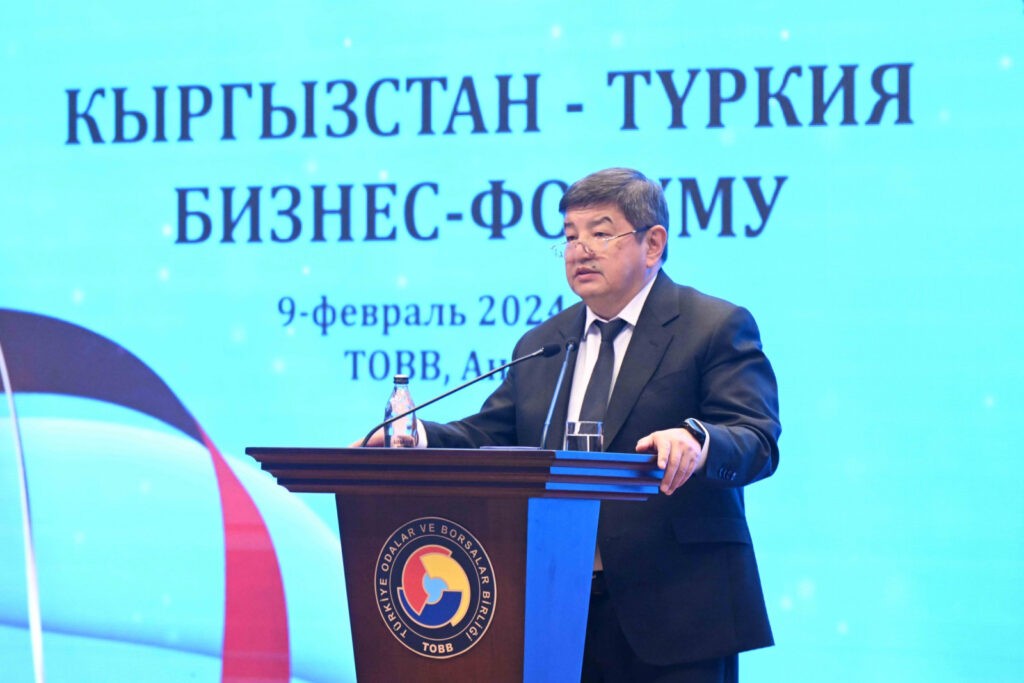
Kyrgyzstan-Turkey Business Forum Held in Ankara

Relations between Kyrgyzstan and Turkey have reached a new level in all areas, the chairman of the Cabinet of Ministers of the Kyrgyz Republic, Akylbek Japarov said at the Kyrgyz-Turkish business forum in the Turkish capital, Ankara on February 9th.

According to the Prime Minister, Turkey was the largest foreign investor in Kyrgyzstan’s economy in 2022, with investments totaling $341.6m. Between January and November 2023, trade turnover between the two countries increased again, amounting to $560.5m.

Japarov added that the governments of the two countries are now working to create a Kyrgyz-Turkish Investment Fund to finance large infrastructure projects.

At the forum, Kyrgyzstan’s Minister of Economy and Commerce, Daniyar Amangeldiev informed Turkish entrepreneurs about opportunities in Kyrgyzstan, highlighting tax breaks and support for investors.

The forum culminated in the signing of eight cooperation documents on joint projects, among them a contract for the supply of walnuts from Kyrgyzstan to Turkey.

On the same day, Japarov and Turkish Vice President, Cevdet Yilmaz co-chaired the 11th meeting of the Kyrgyz-Turkish Intergovernmental Commission on Trade and Economic Cooperation. The meeting focused on the fields of economy, investment, energy, industry, agriculture, transport, tourism, healthcare, culture, and education.

At the meeting Japarov stated that the establishment of a trade mission of Kyrgyzstan in Turkey will help deepen economic ties between the two states and ensure the sustainable development of cooperation in trade and investment.

Georgia to Help Kazakhstan Develop Olive Production

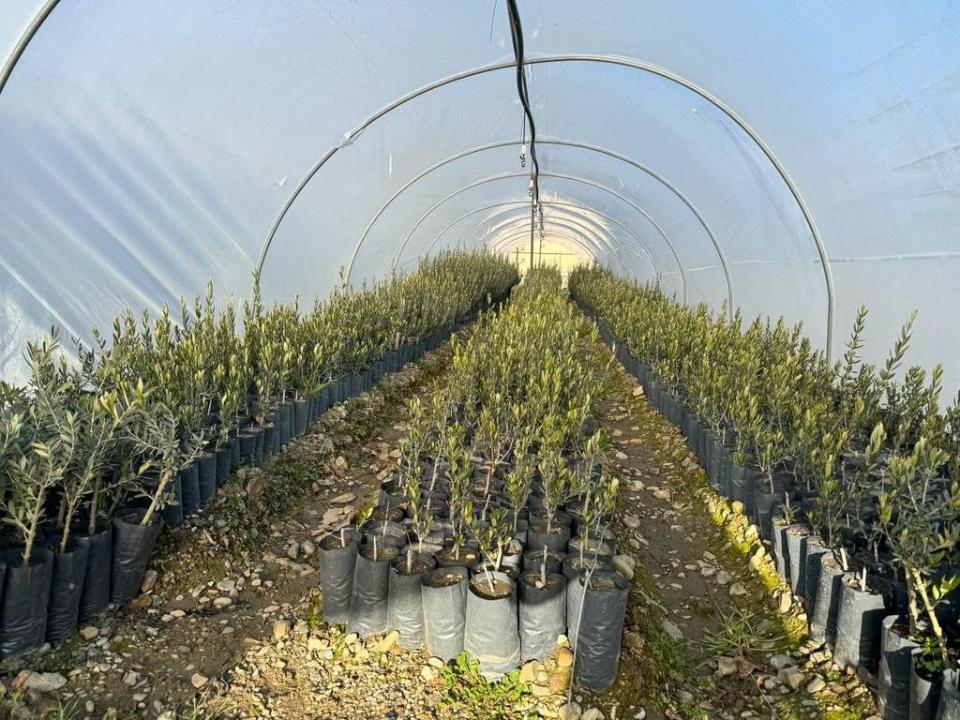
Kazakhstan’s ambassador to Georgia, Malik Murzalin recently visited olive plantations in the Georgian region of Kakheti. Olive tree seedlings from this region are to be planted in several regions of Kazakhstan, the Foreign Ministry has reported.

Georgian businessman, George Svanidze, who was the president of the International Olive Council in 2020, showed Murzalin the olive production and processing industry in Georgia, and spoke about plans to develop an olive industry in Kazakhstan with the support of Georgian specialists. These plans include planting the best varieties of olive trees, creating plantations, launching a processing plant, and obtaining an international certificate necessary for exporting Kazakh olives abroad.

To date, an experimental planting of olive tree seedlings has been completed in Kazakhstan’s Zhetysu and Mangistau regions. This year, it is also planned to send Georgian olive tree seedlings to the Turkestan region.

Svanidze stated that Georgia is ready to share its knowledge, experience and innovations in growing olives in Kazakhstan. He also promised to assist Kazakhstan in obtaining membership of the International Olive Council, the organization that controls 90% of the world’s income from olive oil and 74% of its trade.

Shares of Air Astana Begin Trading on Local and London Bourse

Early trading in shares of Kazakhstan’s air carrier, Air Astana, began today on securities exchanges in Astana and London as part of an initial public offering (IPO).

Trading in Air Astana’s global depositary receipts (GDRs) — a tool used by foreign investors to trade local shares of a company — also started using the company’s common shares on the Astana International Exchange (AIX), priced in U.S. dollars. Price quotes are published on the AIX’s website.

“Freedom Broker acted as a market-maker on [the AIX]. Early trades turned into main trades after completion of settlements and distribution of securities to investors’ accounts in the depository system, in accordance with the applications submitted during the IPO period,” reads an official statement.

According to the results of early trading, the final price of Air Astana’s initial public offering was 1,073.83 tenge per share and $9.5 per GDR, putting the estimated market capitalization of the company at about $847 million at the start of trading.

As part of Air Astana’s IPO, shareholders BAE Systems of the U.K. sold 7,533,109 GDRs and Kazakh national wealth fund Samruk Kazyna sold 60,393,877 shares (with an additional issue). BAE Systems sold 14,187,643 GDRs on the international market
.
Gross proceeds from the offering are estimated at about $350-370 million — of which about $120 million will be used by the airline itself to finance its growth strategy.

The main public auction for Air Astana securities is scheduled for February 15 and will be held on the AIX, the Kazakhstan Stock Exchange (KASE, Almaty), and the London Stock Exchange (LSE).

Japan-Funded Project Helps Tajikistan Manage Its Border With Afghanistan

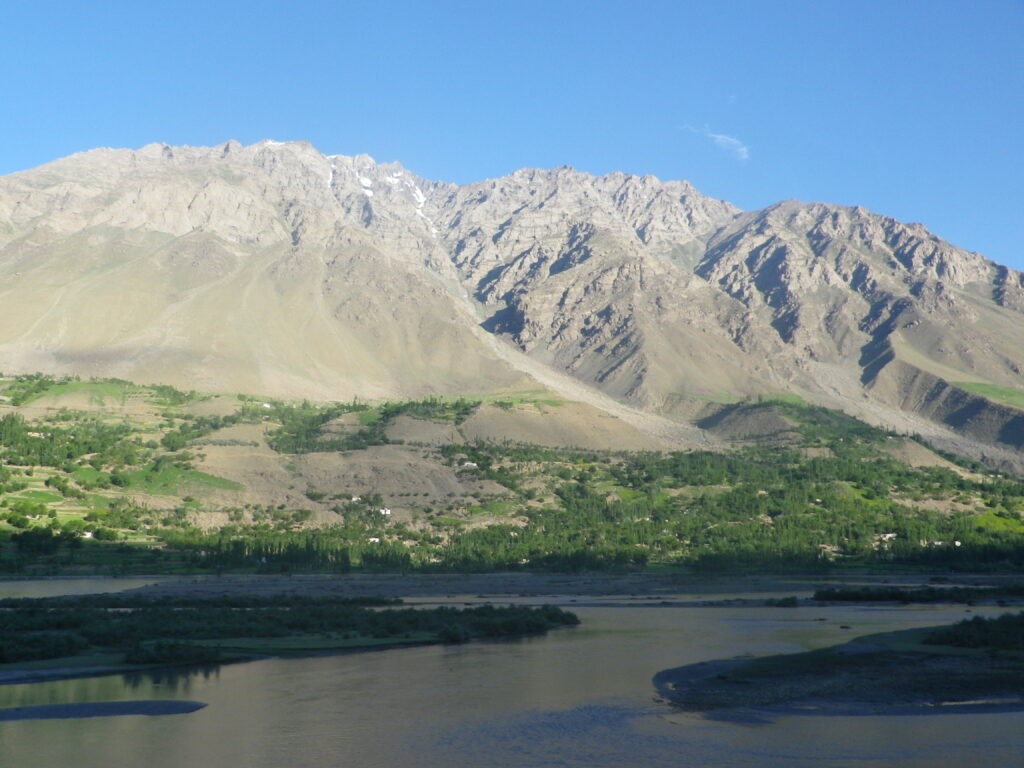
Japan has long been a “steadfast supporter of Tajikistan, contributing tens of millions of dollars to the country’s development through the United Nations Development Programme (UNDP).” The Japanese government, through its Japan International Cooperation Agency (JICA), is also funding the “Border Management Project” – an initiative to support the Tajik Government in controlling its national border with Afghanistan, UNDP Tajikistan reports.

The project aims to both secure the length of the Tajik-Afghan border and facilitate cross-border trade. It was initially launched in 2015, and will run until 2025. Since its launch the parties have constructed a new border checkpoint at Langar, and modernized the old checkpoints at Khumrogi and Shogun.

Toshihiro Aiki, Japan’s ambassador to Tajikistan, recently commented: “We have had favorable relationships with the government of Tajikistan since its first steps of independence. Japan supports Tajikistan in many ways, considering strategic aspects, especially in light of the changed political landscape involving the whole Eurasian continent. There are some challenges that not only Tajikistan but most of the countries face.” 

Given the problem of drug trafficking at the Tajik-Afghan border, the initiative is also supporting Tajikistan in disrupting illicit activities, protecting border communities from the harmful effects of the drug trade. 

Thirty-Three Children Die from Influenza

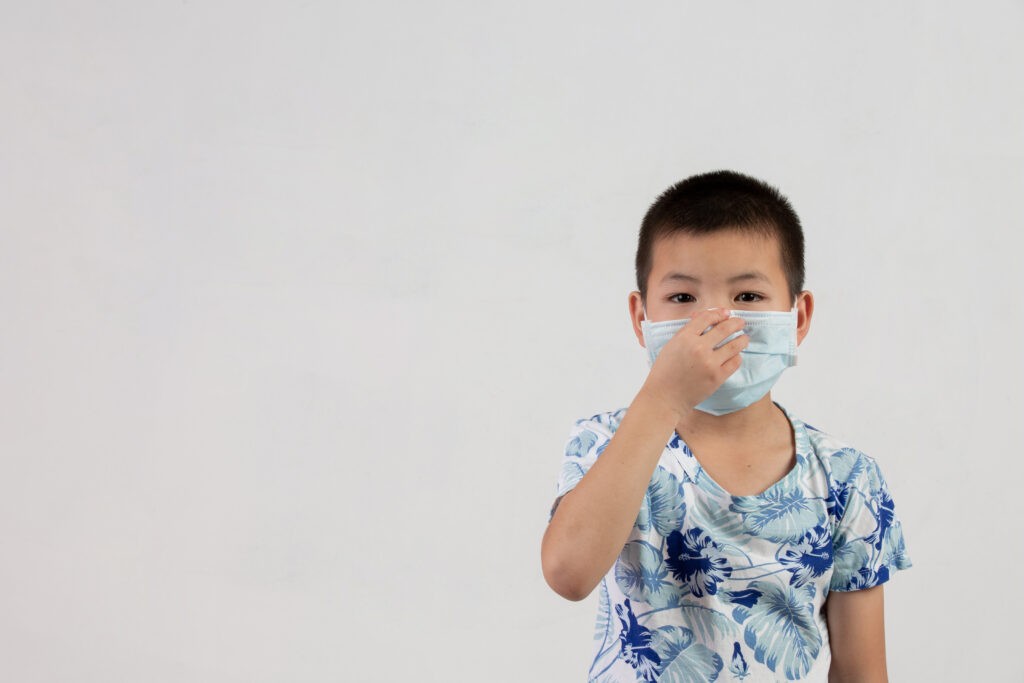
Thirty-three children have died in Turkmenistan due to the flu epidemic, and the majority of those children had congenital heart and respiratory diseases, according to a report by the Chronicle of Turkmenistan news portal.

Children aged five to seven made up the majority of cases. The flu crisis has since abated, but only after hospitals experienced overcrowding when the pandemic was at its peak and a ban came into force against placing patients from Etrap (the territorial unit of Turkmenistan) in city hospitals. In the intensive care and therapy departments of hospitals, plastic-lined departments were installed where patients with influenza were treated.

The epidemic had exposed a shortage of medications and medical supplies, according to comments made by the leaders of various medical facilities. Thanks to Uzbekistan’s assistance, which included a large shipment of medications, this shortage was addressed. Officials mandated the equipping of one or two rooms with state-of-the-art resuscitation equipment in each hospital department.

Ashgabat and the surrounding areas saw a high incidence of influenza in December and the beginning of January 2024. Many patients were sent home for treatment, because the capital’s hospitals were overcrowded. The majority of home remedies, however, appear to have increased infection rates.