• KGS/USD = 0.01144 0%
  • KZT/USD = 0.00194 -0%
  • TJS/USD = 0.10877 -0%
  • UZS/USD = 0.00008 0%
  • TMT/USD = 0.28571 0%
  • KGS/USD = 0.01144 0%
  • KZT/USD = 0.00194 -0%
  • TJS/USD = 0.10877 -0%
  • UZS/USD = 0.00008 0%
  • TMT/USD = 0.28571 0%
  • KGS/USD = 0.01144 0%
  • KZT/USD = 0.00194 -0%
  • TJS/USD = 0.10877 -0%
  • UZS/USD = 0.00008 0%
  • TMT/USD = 0.28571 0%
  • KGS/USD = 0.01144 0%
  • KZT/USD = 0.00194 -0%
  • TJS/USD = 0.10877 -0%
  • UZS/USD = 0.00008 0%
  • TMT/USD = 0.28571 0%
  • KGS/USD = 0.01144 0%
  • KZT/USD = 0.00194 -0%
  • TJS/USD = 0.10877 -0%
  • UZS/USD = 0.00008 0%
  • TMT/USD = 0.28571 0%
  • KGS/USD = 0.01144 0%
  • KZT/USD = 0.00194 -0%
  • TJS/USD = 0.10877 -0%
  • UZS/USD = 0.00008 0%
  • TMT/USD = 0.28571 0%
  • KGS/USD = 0.01144 0%
  • KZT/USD = 0.00194 -0%
  • TJS/USD = 0.10877 -0%
  • UZS/USD = 0.00008 0%
  • TMT/USD = 0.28571 0%
  • KGS/USD = 0.01144 0%
  • KZT/USD = 0.00194 -0%
  • TJS/USD = 0.10877 -0%
  • UZS/USD = 0.00008 0%
  • TMT/USD = 0.28571 0%
16 December 2025

One of Malaysia’s Largest Supermarket Chains to Open in Uzbekistan

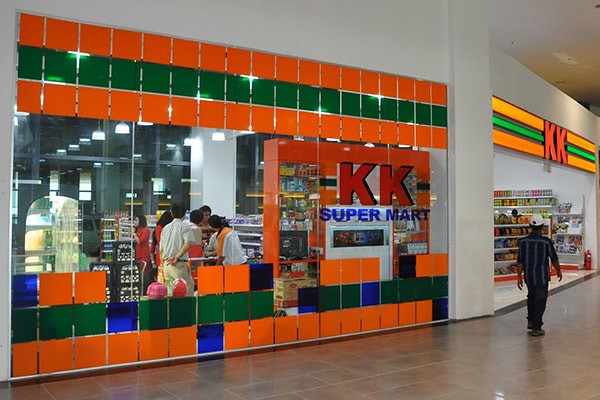
The Uzbek Embassy in Malaysia hosted a meeting with Kin Chai, the founder and executive director of Malaysia’s KK Group of Companies, according to Dunyo news agency. The two sides discussed the implementation of joint investment projects and other areas for mutual collaboration.

Chai specifically mentioned that Uzbekistan appeals to foreign investors because of the different tax and customs breaks offered to them. “We are interested in cooperation with business representatives of Uzbekistan,” he said. “(Our) supermarket chain, which is well-known in Malaysia and operates under the KK Super Mart brand, can also successfully operate in Uzbekistan based on the available opportunities.”

The meeting yielded a decision to launch a chain of KK Super Mart stores in Uzbekistan and to open a trading house for Uzbekistani goods within the KK Group’s retail network. The KK Group’s conglomerate model has businesses in multiple sectors in addition to retail, including construction, e-commerce, and hotel operations. It has more than 800 sales networks across Malaysia.

Kazakhstan Produces Over Half Of The EU’s Critical Raw Materials

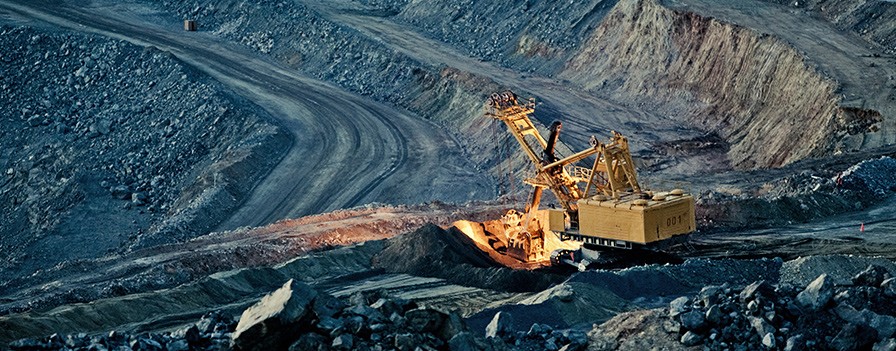
Kazakhstan produces 19 of the 34 critical raw materials listed by the European Union, its Ministry of Industry and Construction reported on February 6th. Kazakhstani manufacturers currently supply the European market with metal and chemical products including beryllium, tantalum, titanium, phosphorus, and ammonium metavanadate.

Kazakhstan is among the world’s 10 largest copper producers. The country also has the potential to establish a cluster for the production of battery raw materials such as nickel, cobalt, manganese, and lithium, which are essential for the production of electric vehicles.

In November 2023 in Brussels, Belgium, a delegation from Kazakhstan, headed by the minister for industry and construction, Kanat Sharlapaev, participated in the European Commission’s ‘Raw Materials Week’. The event addressed the memorandum of understanding between Kazakhstan and the EU on strategic partnership in the field of sustainable raw materials, batteries, and value chains in renewable hydrogen.

The EU remains one of Kazakhstan’s leading trade, economic, and investment partners, accounting for about 30% of its foreign trade turnover, which was $37.7bn between January and November 2023.

Enclaves, Exclaves, and Soviet Mapmakers

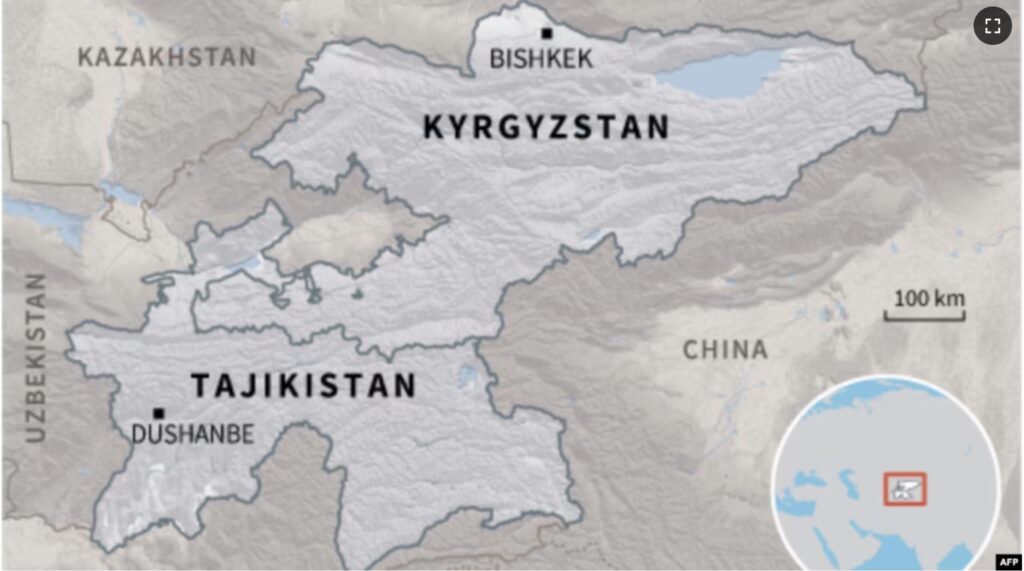
Representatives of the Kyrgyz Republic and Tajikistan met in Bishkek on February 5th to complete negotiations on another 3.71 km of the common state border, the press service of the Cabinet of Ministers of the Kyrgyz Republic has reported. The next meeting will be held in Tajikistan, with no date yet specified. Currently, approximately 90% of the border has been demarcated, with the remaining 10% still considered disputed.

A long-standing source of conflict between the two nations, it is emblematic of the problem that even the length of the border – sometimes cited as being 975-kilomtres long, and at others times 972-kilomteres – is rarely agreed upon. As of January 2023, Tajikistan’s President Rahmon stated that 614-kilometres had been settled upon, backtracking on a previously stated figure of 664. In a sign of thawing relations, however, on November 9th 2023, the Cabinet of Ministers of the Kyrgyz Republic announced that a further 17.98 kilometers of the border had been agreed.

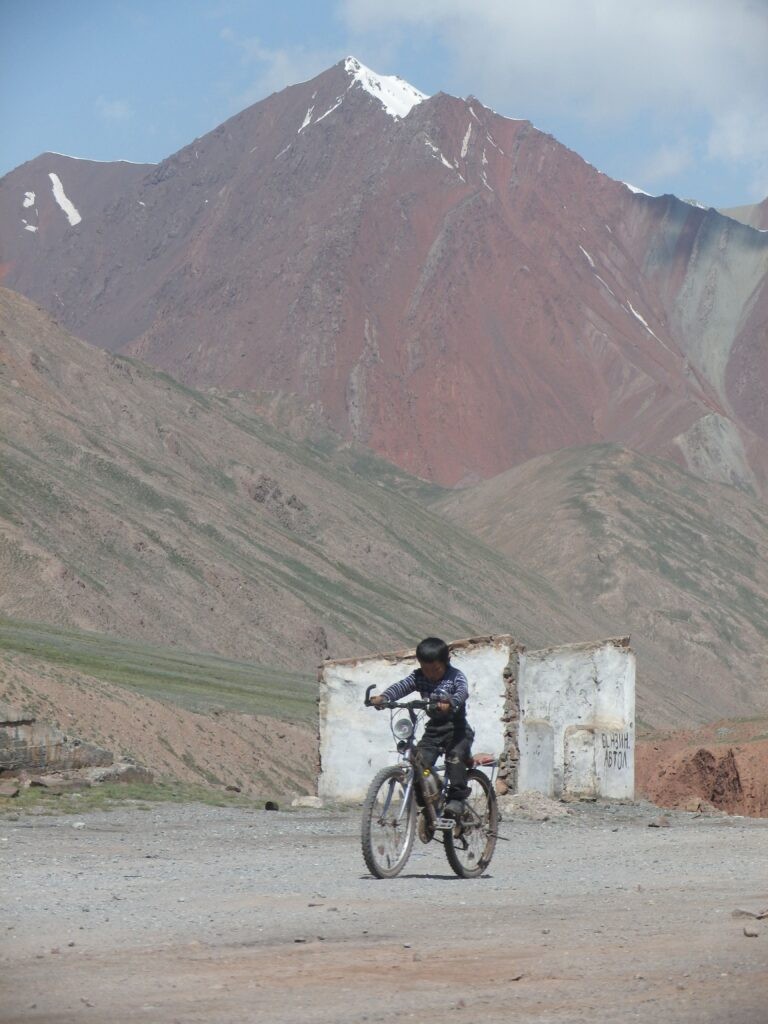
With its scant natural resources and dwindling water supplies, the border between Kyrgyzstan and Tajikistan has been the scene of numerous skirmishes for many years. In 2014, all borders between Kyrgyzstan and Tajikistan were closed indefinitely to Kyrgyz and Tajik citizens following clashes over a bypass road in disputed territory; mortars were fired and both armies suffered casualties. Trouble spilled over again throughout 2021 and 2022, reportedly starting over a water dispute in the Vorukh enclave, and leaving an unknown number in the hundreds killed, and up to 136,000 people evacuated.

An enduring example of the chaos left behind by the USSR, the arbitrary division of Central Asia into Soviet Socialist Republics wholly disregarded existing cultural and geographical realities. This is exemplified by Stalin’s application of Lenin’s policy on the “self-identification of working people,” a classic divide-and-rule play which saw culturally Tajik cities such as Samarkand and Bukhara being incorporated into Uzbek territory. In exchange, Tajikistan was given the inhospitable Khojand landmass surrounding the Fan Mountains. As late as 1989, Tajikistan petitioned Mikhail Gorbachev for the ‘return’ of Samarkand and Bukhara.

This haphazard division also isolated around 100,000 residents in the Ferghana Valley from their central governments, creating eight large enclaves. Although three of these enclaves had populations fewer than 10,000 and two were used exclusively for pastures, the remaining three – Sokh (Uzbekistan within Kyrgyzstan), Vorukh (Tajikistan within Kyrgyzstan), and Shakhimardan (Uzbekistan within Kyrgyzstan) have repeatedly proven problematic, particularly when countries enforce strict border regulations in response to disputes and disagreements over demarcation arrangements. These enclaves have been hotbeds for conflict: between 1989 and 2009, the Ferghana Valley witnessed approximately 20 armed conflicts, and in 2014 alone, Kyrgyzstan reported 37 border incidents.

Tajik President, Kyrgyz FM Discuss Border Delimitation

The ongoing process of delimiting the state border between Kyrgyzstan and Tajikistan was discussed during a February 5th meeting between Tajikistan’s president Emomali Rahmon and Kyrgyzstan’s minister of foreign affairs Jeenbek Kulubaev in Dushanbe. 

The parties announced that over the past four months the Kyrgyz and Tajik sides have reached an agreement on 196km of the state border, and to date almost 90% of their 975km border has been prepared for demarcation, the Tajik president’s press service said. 

Mr Rahmon and Mr Kulubaev also discussed the joint use of water resources of transboundary rivers, and the expansion of commercial and economic relations between the two countries.

The delimitation and demarcation of the Kyrgyz-Tajik border has been an issue since the collapse of the Soviet Union. The issue has turned into an urgent problem in recent years after several deadly clashes took place along disputed segments of the border. 

Many border areas in Central Asian republics have been disputed since 1991. The situation is particularly complicated around the numerous exclaves in the Ferghana Valley, where the borders of Tajikistan, Uzbekistan, and Kyrgyzstan meet.

Kazakhstan To Increase Oil Shipping Along Trans-Caspian Route

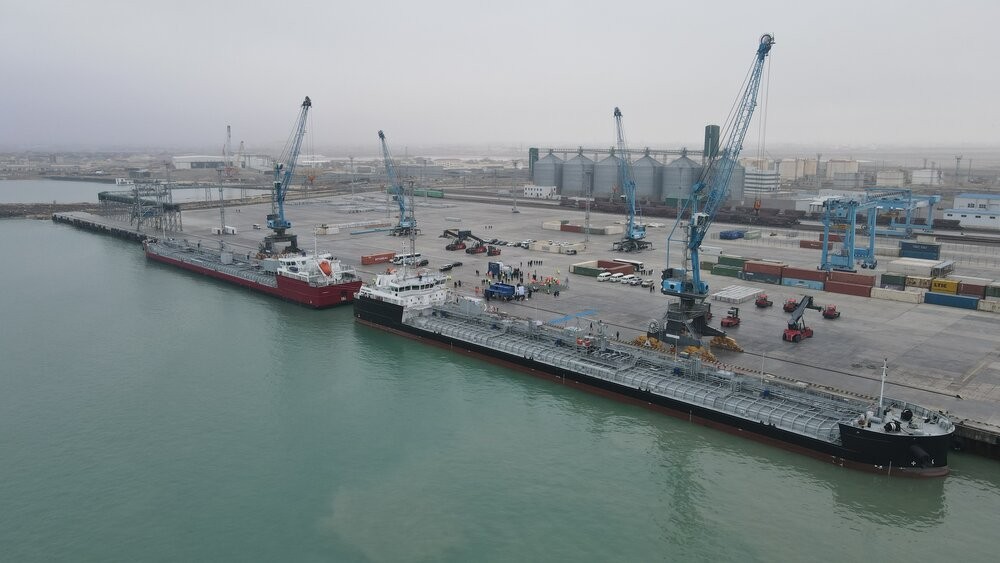
Kazakhstan is carrying out major expansion projects at the Tengiz, Karachaganak, and Kashagan oil fields. The throughput capacity of the Kazakhstan section of the Caspian Pipeline Consortium (CPC) pipeline has been increased from 54 million to 72.5 million tons per year, and the country has begun oil shipments along the Trans-Caspian route, which will be increased to 3 million tons within two years, the Kazakh government’s website reported on February 5th.

In 2023 Kazakhstan increased crude oil shipments from the Caspian port of Aktau in the direction of the Baku-Tbilisi-Ceyhan oil pipeline from 250,000 tons to almost 1.4 million tons. 

In 2022 Kazakhstan’s president Kassym-Jomart Tokayev ordered that the volume of oil transported along the Trans-Caspian corridor be increased. Kazakhstan’s national oil and gas company KazMunayGas and the state oil company of Azerbaijan, SOCAR, entered into an agreement to transport up to 1.5 million tons of oil per year from the Tengiz field in the direction of the Baku-Tbilisi-Ceyhan oil pipeline.

The Kazakh government has also announced that work is underway to increase the production capacity of the Shymkent oil refinery in the south of Kazakhstan from 6 million to 12 million tons per year, which will fully meet the needs of the domestic market for motor fuel.

Kazakhstan To Co-Chair Conference On Nuclear Security

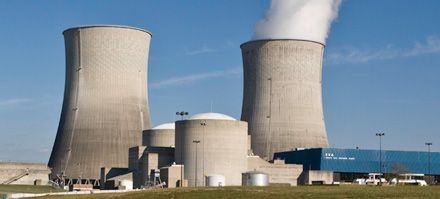
The 2024 International Conference on Nuclear Security (ICONS-2024) will be held in Vienna, Austria from May 20th to 24th. The conference is being organized by the International Atomic Energy Agency (IAEA), and will be jointly chaired by Kazakhstan and Australia. 

The forum will bring together more than 2,000 nuclear security experts from 178 IAEA member states, as well as the heads of foreign services and relevant ministries. Kazakhstan and Australia’s representatives to the International Organizations, Mukhtar Tleuberdi and Ian Biggs, held a briefing in the United Nations Office in Vienna on February 5th. 

The conference will showcase the achievements of IAEA member states in nuclear security, and strengthening control over nuclear and other radioactive materials.

Kazakhstan and Australia will play key roles in developing the conference’s final document, the ICONS-2024 Ministerial Declaration, which will become a roadmap for further promoting the peaceful use of nuclear energy, making nuclear facilities more safe, and encouraging the effective exchange of international experience and knowledge.