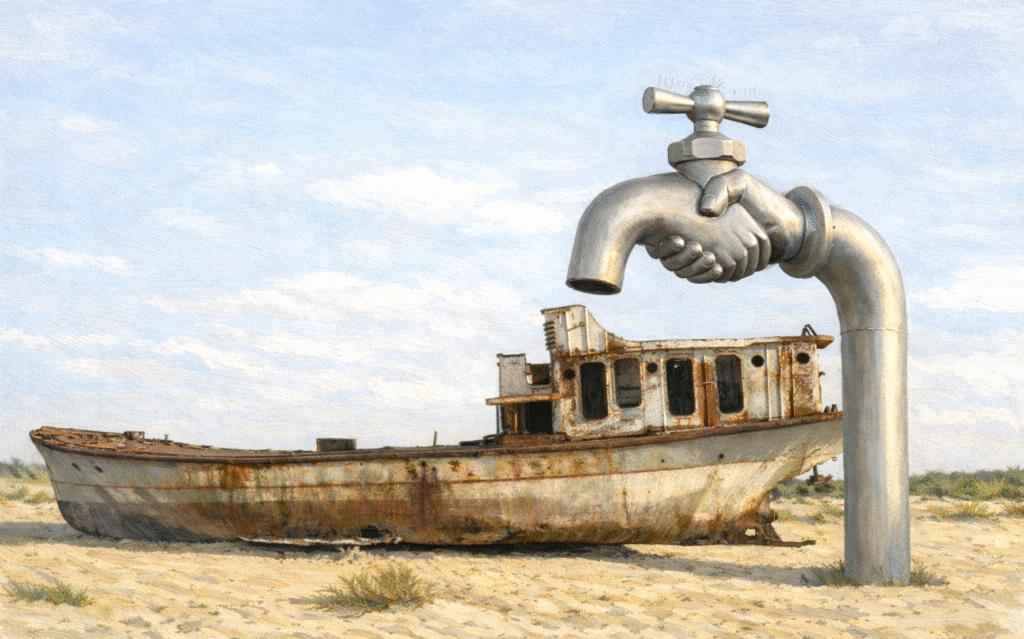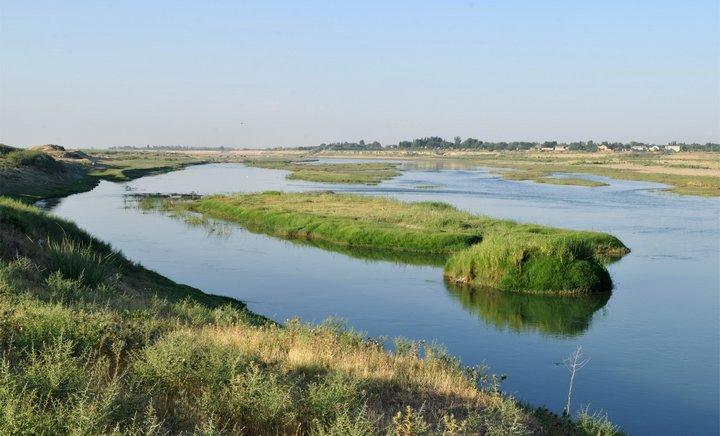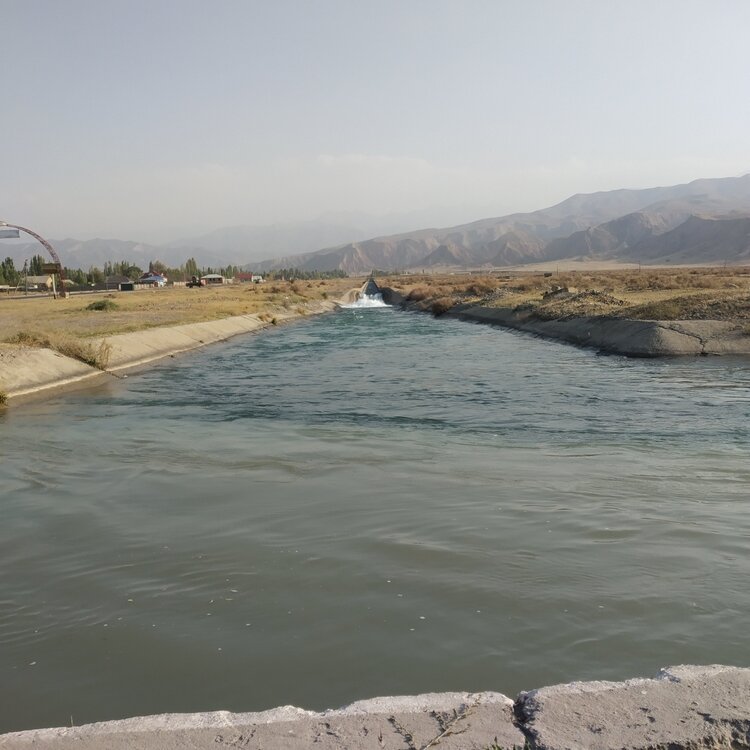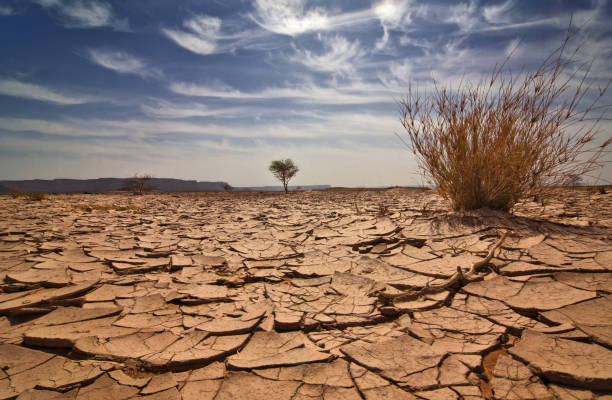
Turkmenistan’s Balkan region is facing a deepening drought, with two strategically important reservoirs, Mammetköl and Delili, completely drying up by mid-2025. Both reservoirs, fed by the Etrek (Atrek) River, have vanished from satellite imagery, underscoring the severity of the region’s water crisis.
According to meteorological reports, the reservoirs were not replenished during the winter months and rapidly lost their remaining water due to evaporation and filtration. The winter of 2024-2025 was exceptionally dry, and the spring brought no relief. With virtually no inflow from the now-dry Etrek River, the reservoirs were left to evaporate.
Mammetköl, built in 1964, had a total volume of 20.5 million cubic meters and a usable capacity of 17.9 million cubic meters. Delili, commissioned in 1970, had a capacity of 5.32 million cubic meters. Both were vital to irrigating farmland and sustaining livestock pastures in the Balkan region.
This is not the first time Mammetköl has dried up. During the prolonged drought of 2020-2023, the reservoir emptied in October 2021 and remained largely dry for nearly two years, with only brief periods of partial refilling. A rare flood event in August 2023, triggered by heavy rains in the Atrek’s upper reaches, temporarily restored water levels, but the relief was short-lived.
Data from the Etrek weather station show that from January to November 2025, normal precipitation levels were recorded only in February and March. The situation rapidly deteriorated not just in the Etrek basin but across other parts of Turkmenistan as well.
Reservoirs and rivers disconnected from the Amu Darya began to show signs of critical depletion in early 2025. The Murghab and Tedzhen rivers also reached dangerously low levels. By mid-year, many artificial reservoirs fed by the Atrek had dried out entirely. In autumn, the drought expanded into the Amu Darya basin, Turkmenistan’s largest and most vital waterway, further exacerbating the national water crisis.