Austria’s Foreign Minister Beate Meinl-Reisinger and Interior Minister Gerhard Karner are expected to visit Uzbekistan on May 7 to sign a mobility agreement aimed at strengthening cooperation on migration, according to Die Presse.
The agreement is intended to improve coordination between the two countries, particularly on deportations and the return of migrants. Austrian officials say it will create a more structured framework for handling individuals required to leave the country.
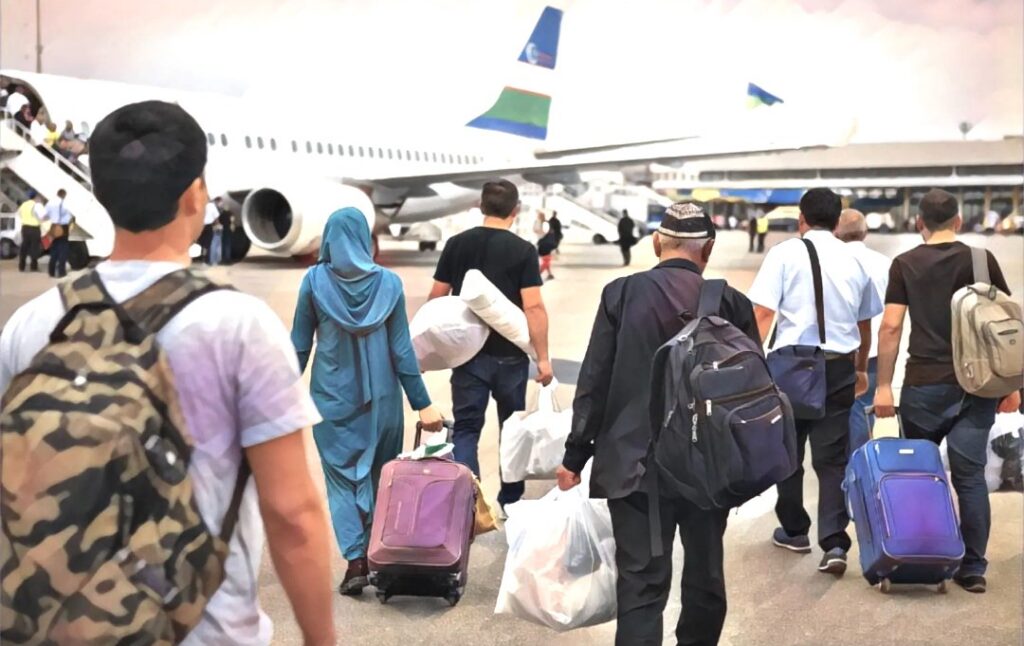
A key provision involves the use of Uzbekistan as a transit route for deportations to Afghanistan. Afghan nationals facing removal from Austria could be escorted through Uzbekistan to Kabul. Until now, deportations to Afghanistan have largely taken place via Istanbul, meaning the new arrangement would open what officials describe as a “second route.”
Karner said the deal would establish “the conditions for the consistent implementation of deportations as part of a firm and fair asylum policy.” The agreement also covers the readmission of nationals, third-country citizens, and stateless individuals who entered the European Union through Uzbekistan.
In return, the document includes provisions to support legal migration from Uzbekistan to Austria.
Despite its growing economy, Uzbekistan is heavily reliant on remittances from abroad, with Uzbek migrants sending home $4.8 billion in Q2 of 2025. Over the past few years, Tashkent has been seeking out alternative destinations than traditional routes dominated by Russia.
To that effect, both Uzbekistan and Austria have committed to promoting “safe, orderly, and regular mobility of qualified workers” in line with national legislation. Austrian authorities note that Uzbek professionals already have multiple pathways to access the country’s labor market.
The agreement does not provide for the establishment of return centers for rejected asylum seekers, an idea Austria has been pursuing with several EU partners, including Germany, Greece, the Netherlands, and Denmark.
The visit to Uzbekistan is part of a broader regional trip that will also include Kazakhstan, which Austrian officials consider an important partner, particularly in the energy sector.
The planned agreement comes amid continued migration pressures linked to Afghanistan’s humanitarian situation. According to the United Nations Development Programme, in 2024 around 85% of Afghanistan’s population was living on less than $1 a day. In June 2025, the World Food Programme reported that approximately 15 million people in the country were facing severe hunger.
At the same time, large-scale deportations from neighboring countries have added to the strain. In July last year, Tajikistan launched a campaign to detain and deport Afghan refugees, giving them 15 days to leave the country.