• KGS/USD = 0.01144 0%
  • KZT/USD = 0.00214 0%
  • TJS/USD = 0.10508 0.48%
  • UZS/USD = 0.00008 0%
  • TMT/USD = 0.28571 0%
  • KGS/USD = 0.01144 0%
  • KZT/USD = 0.00214 0%
  • TJS/USD = 0.10508 0.48%
  • UZS/USD = 0.00008 0%
  • TMT/USD = 0.28571 0%
  • KGS/USD = 0.01144 0%
  • KZT/USD = 0.00214 0%
  • TJS/USD = 0.10508 0.48%
  • UZS/USD = 0.00008 0%
  • TMT/USD = 0.28571 0%
  • KGS/USD = 0.01144 0%
  • KZT/USD = 0.00214 0%
  • TJS/USD = 0.10508 0.48%
  • UZS/USD = 0.00008 0%
  • TMT/USD = 0.28571 0%
  • KGS/USD = 0.01144 0%
  • KZT/USD = 0.00214 0%
  • TJS/USD = 0.10508 0.48%
  • UZS/USD = 0.00008 0%
  • TMT/USD = 0.28571 0%
  • KGS/USD = 0.01144 0%
  • KZT/USD = 0.00214 0%
  • TJS/USD = 0.10508 0.48%
  • UZS/USD = 0.00008 0%
  • TMT/USD = 0.28571 0%
  • KGS/USD = 0.01144 0%
  • KZT/USD = 0.00214 0%
  • TJS/USD = 0.10508 0.48%
  • UZS/USD = 0.00008 0%
  • TMT/USD = 0.28571 0%
  • KGS/USD = 0.01144 0%
  • KZT/USD = 0.00214 0%
  • TJS/USD = 0.10508 0.48%
  • UZS/USD = 0.00008 0%
  • TMT/USD = 0.28571 0%

“Ornament Is a Language”: How a Tattoo Artist from Almaty Turns Culture into Art on Skin

Almaty-based tattoo artist Saltanat Kuanova, known under the pseudonym tana.creator, is among those reinterpreting traditional culture through contemporary art. In her work, Kazakh ornaments become more than decorative elements, they form a complex system of symbols, personal stories, and cultural memory.

The Times of Central Asia spoke with her about why Kazakhstanis are increasingly choosing national motifs, how attitudes toward tattoos are changing, and whether tattooing can serve as a means of preserving identity.

Path into the Profession

TCA: When and why did you start practicing tattoo art?

Saltanat: I became interested in tattoos at around 14. Even then, I had a clear sense that it was “mine.” It wasn’t just curiosity, I immediately knew I wanted to become a professional in this field.

At 16, I began tattooing. By that time, I had already studied the theory, watched videos, and understood the process, so I was well prepared for formal training and quickly started working.

After completing my training, I was offered a position at a studio. That was important because it provided a steady flow of clients, and my work stood out. I worked there for about three years before moving into independent practice.

I have now been working independently for more than five years. I’ve gained experience in different studios, and today I have my own private workspace in Almaty and manage bookings through Instagram.

TCA: Do you remember your first work?

Saltanat:
Of course. It was a small tattoo with Roman numerals that I did for a friend during my training. She came as a model to support me, and honestly, I was more nervous than she was.

My first paid piece left an even stronger impression it was a wolf with a dreamcatcher. That was the moment I first felt real responsibility toward a client. At the same time, I was surprised that I could actually earn money from this.

Even now, years later, I don’t feel like I’m “already a pro.” It’s an ongoing process; there is always room to grow.

@instagram.com/tana.creator

Working with Kazakh Ornaments

TCA: When did you start working with Kazakh ornaments?

Saltanat: It happened gradually. At some point, I realized that ornament is not just a pattern, it’s a full-fledged language. It has structure, logic, even “grammar.” Everything matters: the shape, the number of elements, the color. Even a small detail can completely change the meaning of a piece.

TCA: Who usually comes for such tattoos locals or foreigners?

Saltanat:
Primarily Kazakhstanis and, more broadly, representatives of Turkic peoples, Kyrgyz, Uzbeks, Tatars.

But there are also many foreigners, and their number is growing. I tend to group them into categories.

The first group includes people who come to Kazakhstan for work or travel and want a lasting memory of the country.

The second consists of those who have a partner from Kazakhstan. They come together and, through tattoos, connect with each other’s cultures.

The third and most touching category is people who were adopted abroad as children. They know they are originally from Kazakhstan and use tattoos as a way to reconnect with their roots. I have several such clients each year, and these are always very emotional stories.

Tattoo as a Personal Story

TCA: Which client stories have stayed with you the most?

Saltanat: Almost every piece is a story. Some people come after a serious illness and want to mark their recovery. Others come with requests related to love, relationships, or inner harmony.

I always create designs from scratch, so I immerse myself deeply in each person’s story. My work often includes hidden meanings, encoded letters or individual combinations of ornaments.

Sometimes it may look like just a pattern, but in reality, it’s a very personal code. That’s why I dislike when my work is copied. People don’t realize they are carrying someone else’s story.

Why Interest in Ornaments Is Growing

TCA: Why do you think this is becoming popular now?

Saltanat: People are searching for identity. For a long time, cultural differences in the region were smoothed out, and some traditions were lost. Now there is a process of rediscovery. People want to understand who they are and where their roots come from. Ornaments have become one way to reconnect with that.

TCA: Can tattoos be considered a way of preserving culture?

Saltanat:
Yes, absolutely. But it’s important not only to create tattoos, but also to talk about them through social media and visual content. I see that people often come to me because they are interested in culture first, and through that, they develop an interest in tattoos. It has become a kind of bridge between tradition and modernity.

TCA: Do you feel responsibility when working with national symbols?

Saltanat: A very strong one. On one hand, there isn’t much information available, and there’s a temptation to interpret things freely. But for me, it’s important not to distort meanings. On the other hand, simply copying tradition without adding anything new is also problematic. So I constantly balance respect for cultural heritage with my own artistic interpretation.

@instagram.com/tana.creator

On History and Cultural Representation

TCA: If you could create a comic telling the story of Kazakhstan, what would it be about?

Saltanat: That’s a very interesting question. I would like comics to popularize the real history of Kazakhstan, through Turkic culture and Tengrism.

But honestly, this is more a question for historians. For example, I deeply respect Irlan Pinbetov. He studies history seriously and responsibly, working with sources and presenting a more objective account of Kazakhstan’s past.

What we studied in schools often still reflects a Soviet-influenced narrative, with distortions and misplaced emphasis. He is essentially reconstructing this history in a more accurate way, and I’m currently studying with him myself.

I believe it would be valuable for Kazakhstan’s history to be developed through creative formats, books, comics, films, similar to practices in English-speaking cultures, where fictional stories are often grounded in real historical events. That is one reason their histories are widely known worldwide.

I would like to see more creative projects, engaging and artistic, but firmly grounded in factual accuracy.

The Future of Tattoo Culture in Kazakhstan

TCA: How do you see the development of the industry?

Saltanat:
I try to contribute as much as I can to the development of tattoo culture in Kazakhstan. But I don’t see myself as the main driver, there are many others doing remarkable work.

For example, Dauren Ussenov from Astana is a well-known artist who is deeply committed to this field. He brings artists together, organizes events, and promotes tattoo culture.

I also contribute where I can. I’ve noticed that many people follow me because of their interest in ornaments and culture, even if they were not initially interested in tattoos. Through this, they develop an interest in tattooing as well, it creates a kind of funnel that brings new audiences into the industry.

In that sense, I see myself at the intersection of two fields: on one side, a tattoo artist, and on the other, a researcher of culture and ornaments.

I believe tattoo culture in Kazakhstan will continue to grow, but there are objective factors influencing it.

First, the economic factor. According to Maslow’s hierarchy of needs, tattoos are not a basic necessity. If people face financial difficulties, the industry naturally slows down.

Second, religion. In Islam, tattoos are considered haram, and this idea is widely promoted. Even those who are not strictly religious are influenced by their surroundings.

Third, cultural norms, particularly the concept of “uyat” (shame). Social pressure and fear of judgment still play a significant role and often discourage people from getting tattoos.

Despite these challenges, the industry continues to develop. Demand is growing, and, importantly, people’s tastes are evolving. They are increasingly seeking unique, thoughtful, and artistic work which is a positive sign.

TCA: If you could create a tattoo symbolizing Kazakhstan, what would it be like?

Saltanat:
It would be a large, complex project, possibly a full-body composition. A system of ornaments built according to all compositional rules: levels, structure, meanings. Not just a single element, but a unified, harmonious system, layered and detailed. Just like the culture itself.

Life Expectancy in Kazakhstan Reaches Record High

Life expectancy in Kazakhstan has reached 75.97 years, setting a record for the entire period of independence, according to the Ministry of Health.

For comparison, in 1991 the figure stood at 67.6 years; in 2001 it fell to 65.6 years; in 2011 it rose to 68.98 years; and in 2021 it reached 70.23 years. Overall, life expectancy has increased by more than eight years over the past three decades.

The ministry attributes this growth largely to measures aimed at combating noncommunicable diseases. In 2025, Kazakhstan ranked among the top ten countries in the European Region of the World Health Organization for reducing mortality from such diseases by 25%.

According to the ministry, a systematic approach to prevention, early diagnosis, and treatment of chronic conditions has underpinned this positive trend.

The government is also implementing a healthcare development strategy through 2029, which aims to raise life expectancy to 77 years.

The strategy includes measures to strengthen primary healthcare, introduce digital solutions, develop human resources, and advance medical science. Priorities include reducing premature mortality from cardiovascular and oncological diseases, diabetes, and chronic respiratory conditions.

The plan was developed with the participation of international organizations, including UNICEF and United Nations Population Fund.

The Times of Central Asia previously reported that Kazakhstan became the first country in the region to meet its targets for reducing premature mortality from noncommunicable diseases.

At the same time, rising life expectancy is accompanied by demographic shifts. According to Kazakhstan’s Unified Accumulative Pension Fund, by 2050 approximately 19% of the population will be of retirement or pre-retirement age.

Turkmenistan Ranked Last Among Central Asian Countries in Internet Freedom Index

According to a report by Cloudwards, a portal focused on technology and internet security, Turkmenistan scored just 16 out of 100 points for internet freedom in 2026, placing it among the countries with the lowest levels of online freedom. The authors note that significant internet censorship persists in the country.

Compared with its regional neighbors, Turkmenistan’s score is among the lowest. Uzbekistan received 24 points, Kazakhstan 35, and Kyrgyzstan 52, while Tajikistan ranked highest in Central Asia with 56 points. The gap reflects varying levels of access to information and differing degrees of online restrictions across the region.

In a global context, the disparity is even more pronounced. North Korea received the lowest possible score of 0. The report describes it as a country where most residents have no access to the global internet, with only a limited group permitted to use a heavily restricted internal network.

Countries ranking only slightly higher include Russia, Pakistan, Iran, and China, each scoring 4 points. None is classified as fully free under the report’s criteria. According to the study, platforms such as X, Facebook, YouTube, and TikTok are blocked or have at times been restricted in these countries.

The report also highlights that in some cases, restrictions are more flexible in nature. For example, in China, access to VPNs and social media is not entirely prohibited but is tightly controlled, with users largely limited to approved platforms. Expressing politically sensitive views can lead to serious consequences.

Turkmenistan is grouped alongside India, Myanmar, and Bangladesh, all of which scored between 12 and 20 points. In these countries, the report notes significant censorship and restricted access to information.

At the other end of the ranking are Belgium, East Timor, Denmark, Iceland, Costa Rica, Liechtenstein, New Zealand, Norway, Slovakia, Suriname, and Finland, each with a score of 92. No country achieved a perfect score of 100.

The study assessed internet freedom across several criteria, including access to torrents, adult content, political and social media platforms, and the ability to use VPN services.

“Although certain types of internet regulation, when implemented carefully, can help combat hate speech, protect vulnerable groups, and limit the spread of harmful misinformation, in many countries, censorship has been taken to extremes,” the report’s authors state.

They add that residents of countries with strict internet controls are effectively deprived of full access to information. This has implications not only for freedom of expression but also for education, technological development, and innovation. In some cases, the consequences can be more severe, including imprisonment for online speech.

Uzbekistan Officials Intervene Over Wage Delays for Migrant Workers in Russia

Uzbek diplomats and migration officials have intervened to resolve wage disputes affecting dozens of Uzbek citizens working in Russia’s Tyumen region, according to a report by Dunyo Information Agency.

Representatives of Uzbekistan’s Consulate General in Yekaterinburg, together with officials from the Migration Agency, traveled to the city of Tobolsk, where they met with more than 100 Uzbek citizens working temporarily for local companies. The delegation organized an on-site reception, providing legal and consular assistance and clarifying issues related to passport processing and compliance with migration laws.

During the meetings, officials also warned workers about the risks of engaging with illegal or extremist groups and reminded them that joining private military companies could lead to criminal liability.

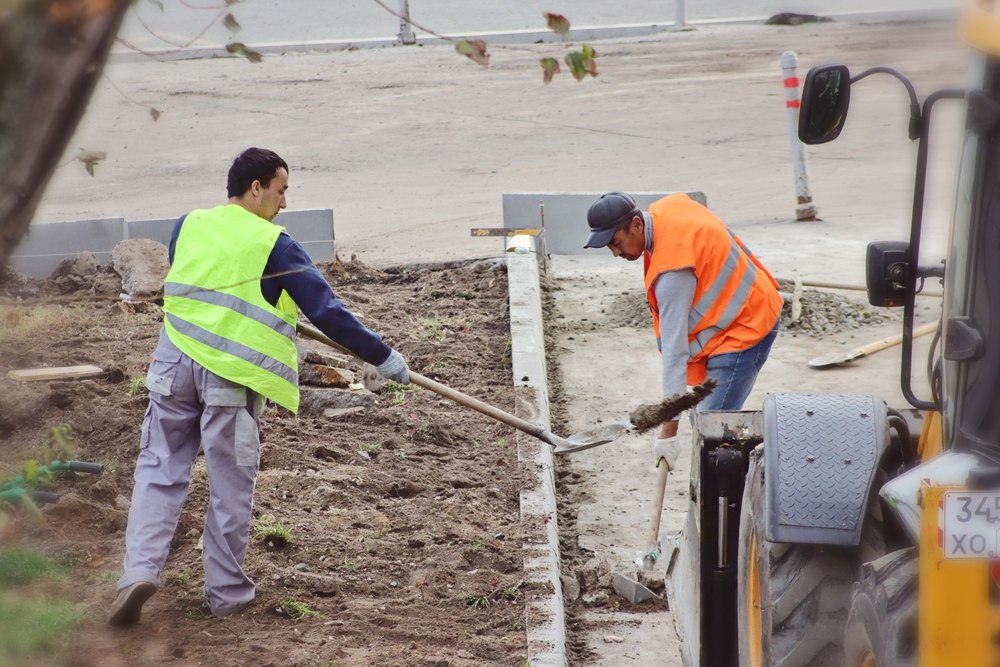
A key issue raised during the visit was delayed wage payments. Authorities found that a subcontractor had failed to pay salaries for February and March to 26 Uzbek workers. Following negotiations involving the main contractor and the employer, the companies acknowledged the debt and agreed to settle it.

As a result, approximately 2 million rubles (about $24,945) in wages have been accrued and are expected to be transferred to the workers’ bank accounts in the coming days. In addition, the employers committed to repaying outstanding wages to around 80 other Uzbek citizens who had previously left the company without receiving full payment.

Officials also inspected living and working conditions and held discussions with employers aimed at preventing similar cases in the future. According to Dunyo, Uzbekistan’s government considers the protection of its citizens abroad and ensuring fair pay for their work a priority.

Such outreach visits and rapid interventions are seen as an important tool for strengthening legal protections for Uzbek migrant workers in Russia and addressing their concerns directly on the ground.

As previously reported by The Times of Central Asia, Russia expressed its readiness to facilitate the transfer of more than 3,000 Uzbek prisoners to serve their sentences in Uzbekistan, although the process remains constrained by legal limitations.

Convicted Crocus City Hall attack Defendant Found Dead in Moscow Detention Center

A man sentenced to life imprisonment in connection with the deadly attack at the Crocus City Hall concert venue near Moscow has died in pretrial detention. Russian authorities said the death is being treated as a suicide. The development was reported by RBC, citing the Federal Penitentiary Service.

In a statement reported by RBC, officials said the incident occurred at the Matrosskaya Tishina detention center in Moscow. Medical staff attempted resuscitation, but the efforts were unsuccessful. Authorities added that an internal review has been launched, with results expected in due course.

Due to personal data protection laws, officials initially withheld the identity of the deceased. However, RBC later reported, citing a lawyer representing victims, that the individual was Yakubjoni Davlatkhon Yusufzoda, a citizen of Tajikistan who had been convicted and sentenced to life imprisonment earlier in March.

The case is linked to the high-profile Crocus City Hall attack in March 2024, which resulted in multiple casualties and drew widespread international attention. According to Russia’s Investigative Committee, Yusufzoda was accused of assisting those involved in the attack, including facilitating financial transfers before and after the incident. He was detained in late March 2024 during a law enforcement operation and later charged under terrorism-related provisions of the Russian Criminal Code.

RBC also reported that another defendant in the same case, Jabrail Aushev, had previously attempted self-harm but was prevented by detention center staff. Authorities said reports of a new incident involving Aushev on the same day were inaccurate.

Earlier in March, the Western District Military Court sentenced several individuals identified as direct perpetrators of the attack to life imprisonment, along with others described by investigators as accomplices. Both the defense and victims’ representatives have since appealed the verdict, arguing that the sentences were, respectively, too severe and too lenient.

Saryagash Bypass Road to Improve Kazakhstan–Uzbekistan Transport Links

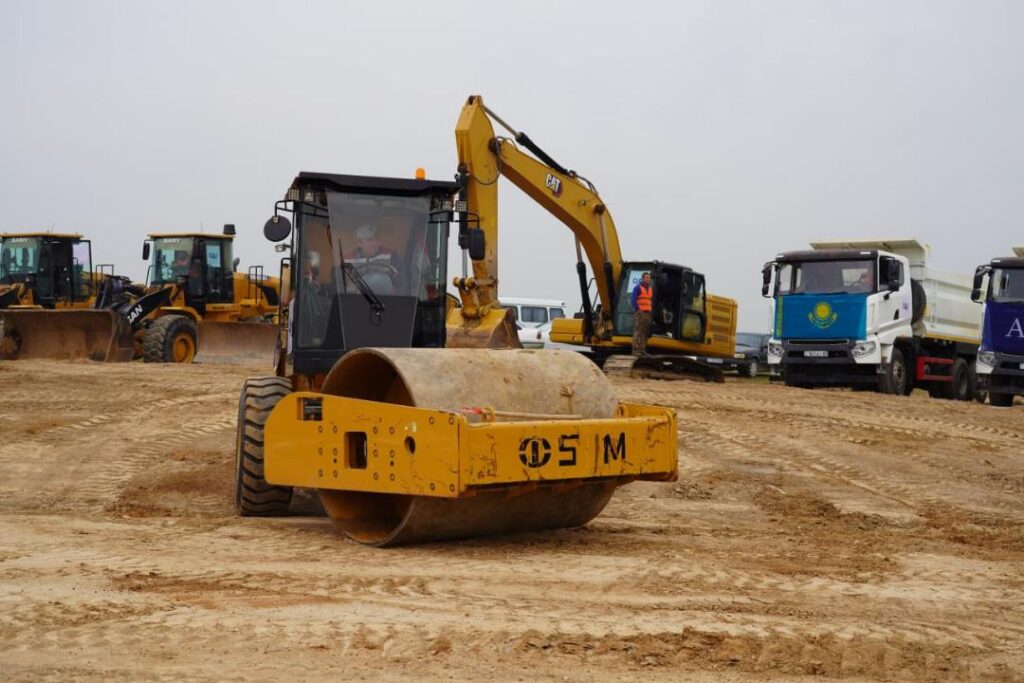
Kazakhstan has begun construction of a new highway bypassing the city of Saryagash in the Turkistan region. The project is expected to improve transport links in southern Kazakhstan and support transit along international routes.

Saryagash is located in southern Kazakhstan near the Kazakh-Uzbek border, approximately 20 km from Tashkent, the capital of Uzbekistan.

The Saryagash Bypass Road is designed to redirect transit traffic away from urban areas, reduce congestion within the city, shorten travel times, and facilitate faster passenger and cargo movement toward Uzbekistan.

The project involves the construction of a 102.6 km modern four-lane highway, aimed at supporting cross-border trade and reinforcing the Turkistan region’s role as a key transport hub on international corridors.

In September 2025, the Asian Development Bank (ADB) approved a sovereign-guaranteed loan of $400 million to KazAvtoZhol National Company for the construction of the bypass road.

“The Saryagash Bypass Road will strengthen Kazakhstan’s trade and transport links within the region and with external markets in East Asia and Western Europe, helping unlock the country’s potential as a key transit hub,” said Utsav Kumar, ADB Country Director for Kazakhstan. “The project will contribute to the economic development of the Turkistan region by improving access to larger markets, reducing congestion, creating jobs, and promoting tourism.”

The highway will improve links between Central Asia Regional Economic Cooperation (CAREC) Corridors 3 and 6, key trade routes connecting Kazakhstan with neighboring countries. The CAREC Program, supported by the Asian Development Bank, brings together regional countries and development partners to promote economic growth and sustainable development.

In addition to the bypass project, road network modernization is ongoing in the Turkistan region, according to the Ministry of Transport. Five road repair projects with a combined length of 99.2 km are currently underway, including the reconstruction of interchanges and bridges on key routes connecting Kazakhstan with neighboring states.

These initiatives are expected to increase transit capacity and improve cross-border transport flows.