Tajikistan’s trade deficit reached $7.06 billion from January through October 2026, up nearly 53% from the same period a year earlier, according to figures from the country’s statistics agency reported by Asia-Plus. The gap between the value of goods imported and exported was $4.62 billion in the first ten months of 2025.
Tajikistan imported $9.42 billion worth of goods, up 41.2% from a year earlier. Exports rose 15.2% to $2.36 billion. The country imported about $4 worth of goods for every dollar it exported. Total trade grew 35.1% to $11.79 billion.
The World Bank estimates that migrant workers’ remittances more than offset the trade deficit in the first half of 2026. Those inflows likely kept the country’s current account in surplus. The bank attributed the rise in imports as a share of GDP during that period to higher investment.
Imports in the first ten months of 2026 exceeded the full-year 2025 figure by about $1.1 billion. Tajikistan imported $8.31 billion worth of goods in 2025, when total trade reached $10.79 billion, according to the agency’s annual report.
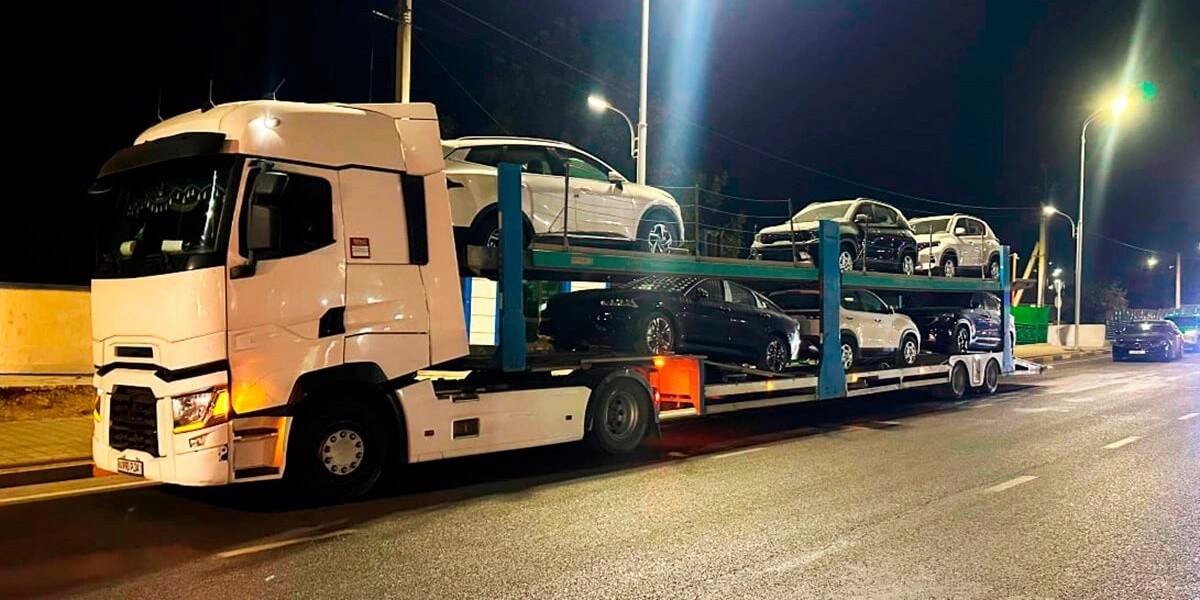
Vehicle imports accounted for more than a quarter of the overall increase in imports. Their value nearly doubled to $1.59 billion. Tajikistan spent just over $1 billion on petroleum product imports, up 35.9%, while the volume imported rose just 9.1%.
Mineral products, including ores, concentrates, and cement, accounted for most of the increase in exports. Shipments in this category reached $926.7 million, or nearly 40% of all exports. Exports of base metals and products made from them, including aluminum, fell 28% to $515.8 million. The deficit also widened year on year in October alone, as imports rose 44.7% and exports fell 11.7% compared with October 2025.
China remained Tajikistan’s largest trading partner. Trade between the two countries rose 53.1% to $3.34 billion. Tajikistan imported $2.59 billion worth of goods from China and exported $752 million worth to it. Russia and Kazakhstan ranked second and third, respectively.
In November, Kazakhstan and Tajikistan signed a framework agreement on fuel supplies. The agreement followed talks in Astana on November 7. According to Tajik government figures, bilateral trade rose 25.6% year on year to $1.13 billion from January through September 2026.