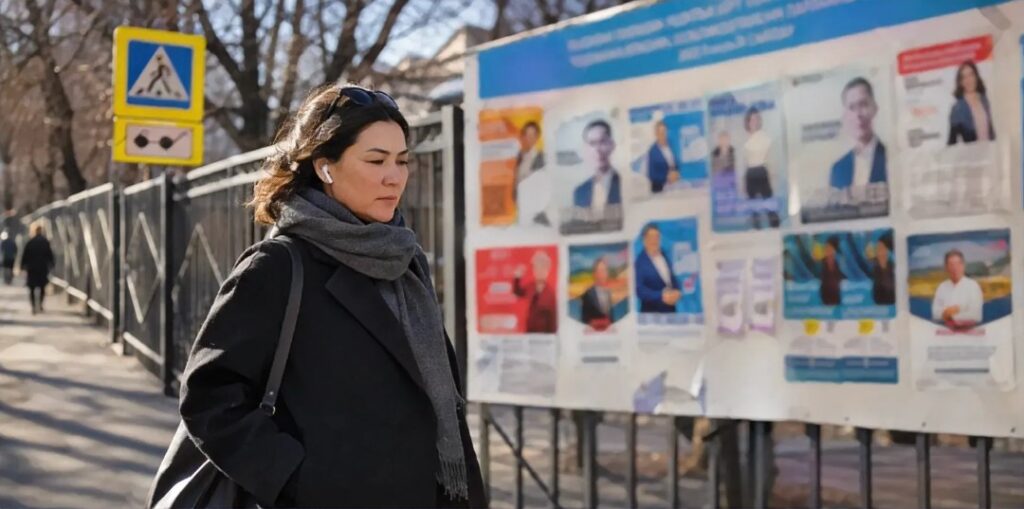
Kazakhstan will hold snap elections to its maslikhats, local representative bodies, on November 29. These councils approve local budgets, but analysts say their ability to hold local executives to account remains limited. Construction executives were among those elected to Almaty’s council in 2023.
Why Kazakhstan Is Holding Snap Local Elections
President Kassym-Jomart Tokayev called for snap elections on September 24, citing Amanat’s merger into a new political organization, Adilet. Most deputies in the outgoing maslikhats had been elected as members of Amanat.
The president subsequently signed a decree terminating the mandates of maslikhats at all levels ahead of schedule.
Kazakhstan’s maslikhats operate at the regional, municipal, and district levels. Their members approve local budgets, oversee their implementation, review socioeconomic development programs, and hear reports from local executive authorities, known as akimats.
At the district level and in cities of regional significance, elections will be held in single-member constituencies. In the regions, as well as in Astana, Almaty, and Shymkent, half of the assembly members will be elected through party lists and the other half through single-member constituencies.
A total of 3,447 deputies will be elected to 228 maslikhats. Some 35.8 billion tenge (approximately $80 million) has been allocated to organizing the elections.
Local Representatives’ Powers and Voter Interest
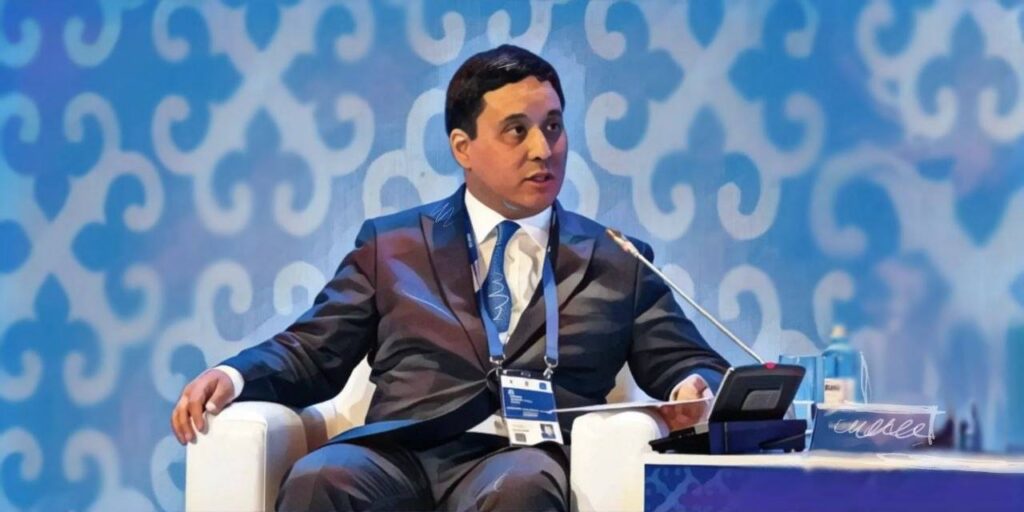
Political analyst Maxim Kaznacheyev told Ulysmedia.kz that local elections generally attract less attention than presidential or parliamentary campaigns. He said voters have little understanding of the powers of local assemblies and do not see a connection between their votes and decisions affecting their neighborhoods.
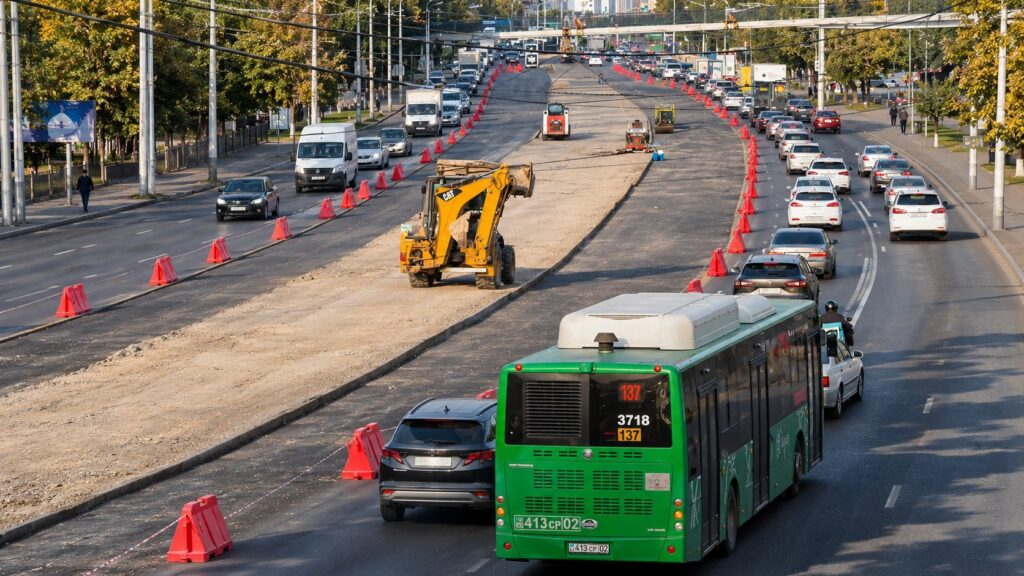
According to Kaznacheyev, seats in local assemblies are attractive to business interests. He said that about 20 years ago, 19 of the 37 members of the maslikhat in Almaty, Kazakhstan’s largest economic center, represented construction companies.
Following the 2023 elections, Orda.kz identified four executives linked to construction companies among the members of Almaty’s maslikhat: Bolat Ibragimuly, Yeraly Sauranbayev, Murat Utemisov, and Amirzhan Nabiyev.
Their business interests include residential development and construction contracting. In October 2026, Kursiv reported that Ibragimuly, formerly associated with developer Qazaq Stroy, had established his own property development company, Vertex AG.
Political analyst Zamir Karazhanov attributed the limited influence of maslikhats to their restricted powers. He said local representatives have little influence over tax and economic legislation, while their oversight of the executive branch is limited.
“The budget is submitted for approval rather than genuine deliberation,” Karazhanov said.
Maslikhats have the constitutional power to pass a vote of no confidence in an akim (head of a local executive authority) and request their dismissal. However, the final decision rests with the president or a higher-ranking akim.
Uneven Party Competition
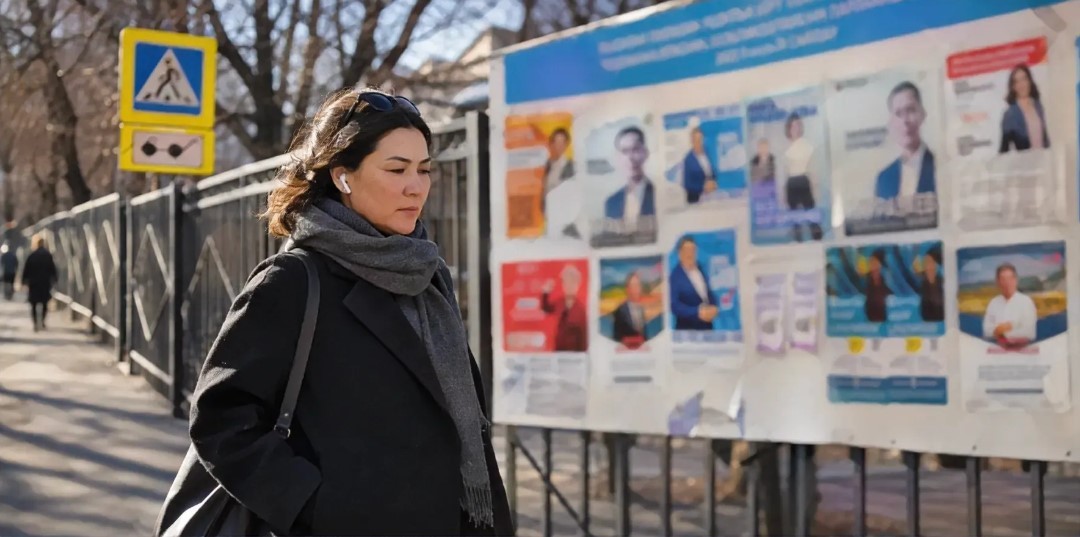
The local elections have exposed significant differences in the ability of Kazakhstan’s political parties to campaign outside major cities.
According to figures published by political analyst Daniyar Ashimbayev on his Telegram channel, only three of the seven parties eligible to participate in the elections have nominated candidates across all 20 of Kazakhstan’s top-level administrative areas, comprising 17 regions and three cities of national significance. They are Adilet, Ak Zhol, and Auyl.
Adilet has the broadest representation, having nominated at least 20 candidates in every region. Ak Zhol reached ten candidates in only three regions.
The Nationwide Social Democratic Party (NSDP), which positions itself as the parliamentary opposition, nominated candidates in only two regions and Astana. Respublica’s nominations are concentrated primarily in Astana, Almaty, and Shymkent.
By the start of campaigning on November 1, Kazakhstan had registered 10,971 candidates, including 9,752 contesting single-member seats. Central Election Commission Chairman Nurlan Abdirov said an average of three candidates were competing for each of those seats.
Another 1,219 candidates were included on 99 party lists. Women and young people together accounted for 43.2% of candidates on these lists.