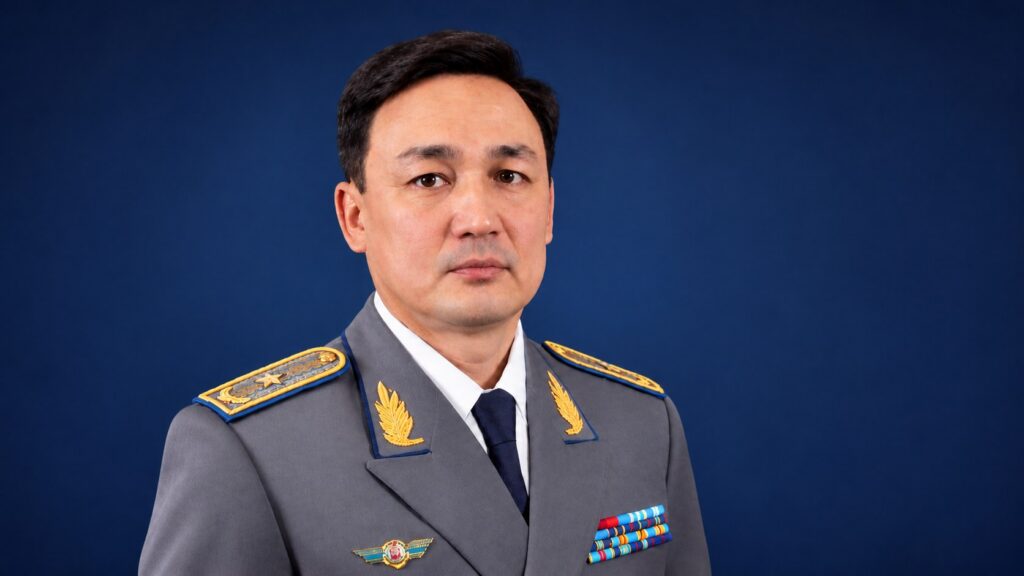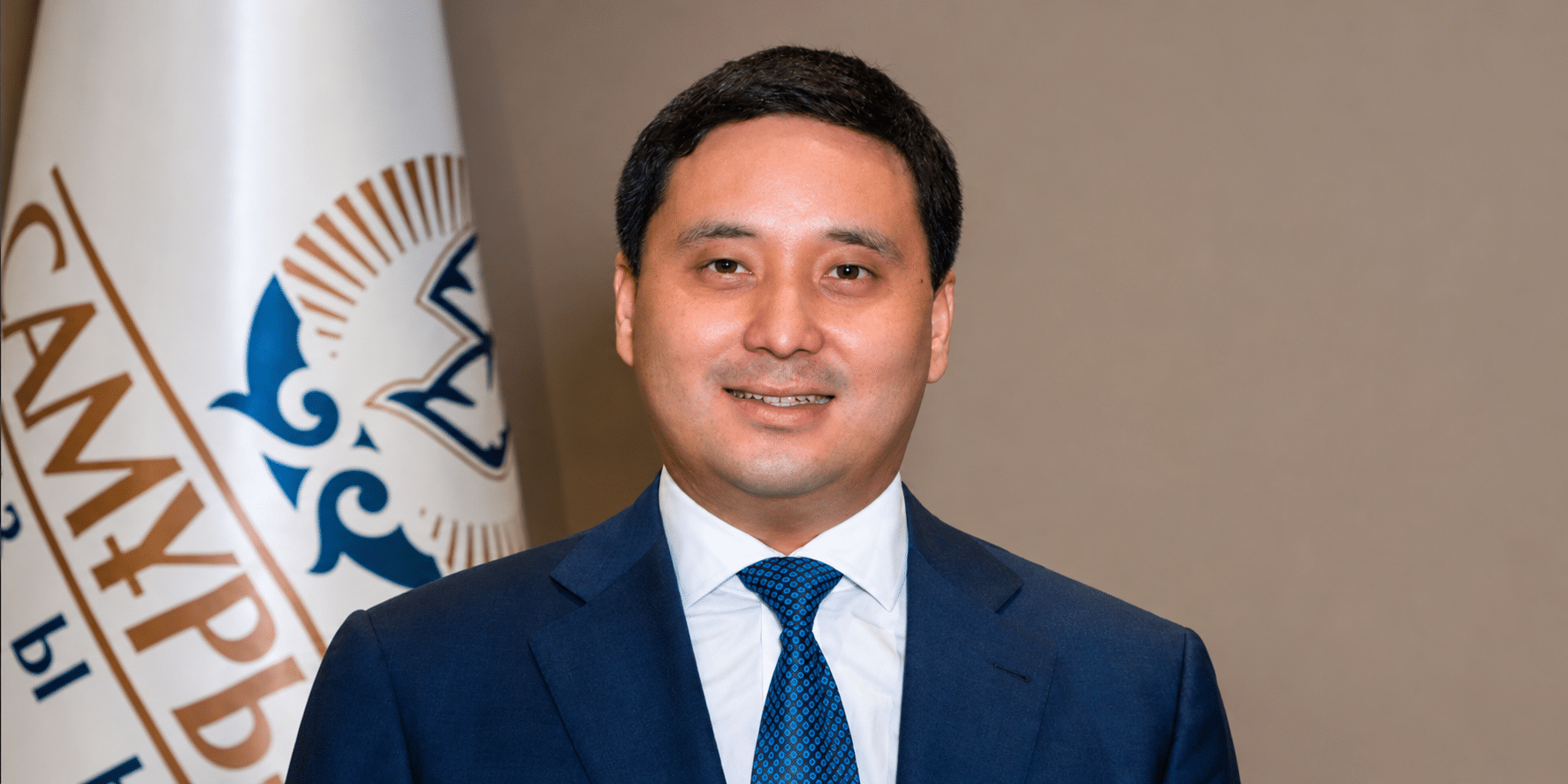
The detention of Yelzhas Otynshiyev, chairman of Kazakhstan’s national railway company Kazakhstan Temir Zholy (KTZ), and Nurlan Zhakupov, head of the national wealth fund Samruk-Kazyna, could complicate KTZ’s preparations for listing on international stock exchanges but does not threaten the railway operator’s stability. That is the assessment of Murat Buldekbayev, KTZ’s former public relations director and now a government relations consultant at the strategic communications agency SteppeUp, in an interview with The Times of Central Asia.
Despite rising profits, KTZ’s debt remains substantial. In the first half of 2026, its liabilities under loans and bonds increased by 22.4%, reaching 3.9 trillion tenge ($8.8 billion). Net profit for the six-month period amounted to 191 billion tenge ($429 million), more than double the figure for the same period a year earlier.
By the end of September, outstanding borrowings totaled 3.78 trillion tenge ($8.5 billion), compared with 3.19 trillion tenge at the end of 2025. In documents prepared for the share offering, KTZ disclosed a breach of one of its financial covenants. HSBC granted the company a temporary waiver until November 30. Raising capital through the initial public offering (IPO) is among the measures KTZ is considering to restore compliance with lenders’ requirements.
Daniyar Temirbayev, executive director of the QAMS Association of Minority Shareholders, suggested that the IPO could be postponed indefinitely, as the investigation might complicate corporate decision-making. Financial analyst Rasul Rysmambetov also said the IPO should be postponed, although he cited financial rather than reputational concerns.
Speaking to The Times of Central Asia, Buldekbayev stressed the railway’s importance to Kazakhstan’s economy. The company is wholly state-owned through Samruk-Kazyna.
Buldekbayev views the exposure of corruption and financial irregularities partly as a result of efforts to combat them.
“There are mistakes, sometimes possibly malicious intent. But these things were uncovered, made public, and condemned. It would have been much worse if everything had remained hidden,” Buldekbayev said.
In his view, KTZ’s state ownership reduces risks for creditors, while the reputational damage associated with the detention of its executives should not significantly affect the company’s ability to meet its financial obligations.
IPO After the Arrests
On November 11, 2026, officers from the anti-corruption service of Kazakhstan’s National Security Committee (KNB) detained Otynshiyev, Zhakupov, and several other individuals on suspicion of a corruption-related offense. The following day, the agency confirmed the detentions but declined to disclose details, citing the confidentiality of the pretrial investigation. On November 18, the KNB confirmed that a court had ordered Otynshiyev and Zhakupov held in custody on November 14. None of those detained have been found guilty by a court.
Otynshiyev took over as head of KTZ in July 2026, having previously served as managing director for strategy and asset management at Samruk-Kazyna.
The detentions occurred as KTZ was preparing for an initial public offering. The company is considering listings on stock exchanges in Hong Kong, London, and Kazakhstan. Proceeds from the issuance of new shares are intended to repay part of its debt, modernize railway infrastructure, and develop international transportation corridors.
On the day the heads of KTZ and Samruk-Kazyna were detained, the Hong Kong Stock Exchange published the company’s post-hearing information pack following a review of its listing application.
The IPO timetable had already been revised before the detentions. In May 2026, then-Minister of Transport Nurlan Sauranbayev announced that the offering had been postponed from late 2026 to the first quarter of 2027 because of unfavorable market conditions. However, in September, Samruk-Kazyna reaffirmed its target of completing the IPO before the end of 2026.
Sauranbayev headed KTZ from April 2021 to June 2025 before taking over the Ministry of Transport. On November 3, 2026, eight days before Otynshiyev and Zhakupov were detained, he was dismissed as transport minister. The authorities have not reported any connection between his dismissal and the investigation.
KTZ continues to prepare for the share offering. The company has not announced any changes to its IPO timetable following the November detentions.
What Matters to Investors
Buldekbayev believes KTZ’s financial position should be assessed alongside its operational performance. The company’s debt has accumulated over decades, but the railway operator continues to service its obligations and generate profits. In his view, even if the IPO is postponed again, it is unlikely to be canceled.
“If I were a KTZ shareholder, I would not be worried. Overall, the company’s performance is fairly good. KTZ’s major customers, many of them active in the extractive industries, are not going anywhere. And this is far from the first crisis in the company’s history. There have even been arrests of executives before,” he said.
KTZ’s interim financial statements were reviewed by Ernst & Young, although this was not a full audit. For investors and creditors, Buldekbayev argues, the railway operator’s financial performance and ability to service its debt will matter more than the criminal prosecution of individual executives.
He sees frequent changes in management as a more serious problem for the company’s day-to-day operations.
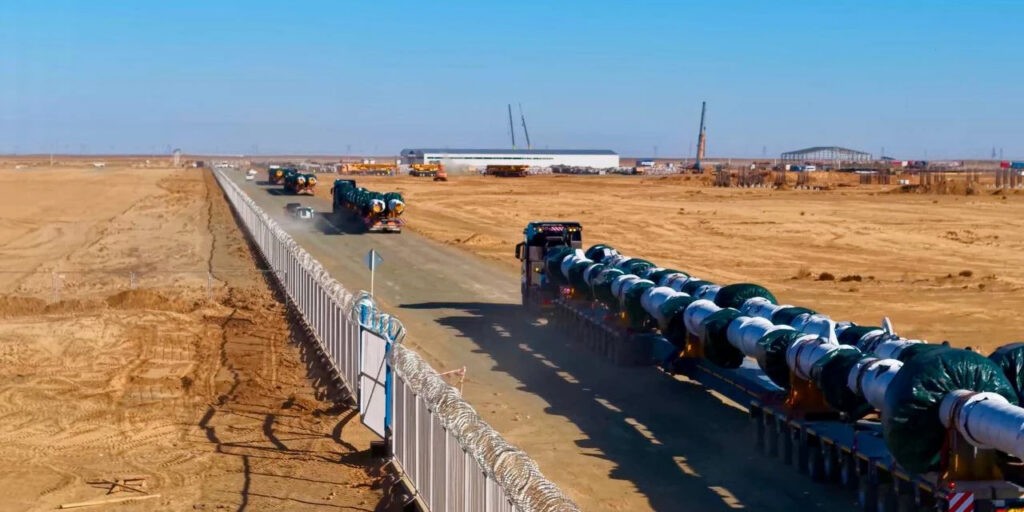
According to Buldekbayev, the company regularly renews its freight and passenger railcar fleets, purchases locomotives, and builds new railway lines to reduce transportation costs.
Debt and Default Warnings
Problems with KTZ’s financial and corporate management had previously been identified by Kazakhstan’s Supreme Audit Chamber, the country’s external public financial oversight body.
In June 2024, its chairman, Alikhan Smailov, reported that an audit of the wider transport sector, including roads and railways, had found financial irregularities totaling $65 million, inefficient planning and use of funds amounting to $378 million, and economic losses and foregone gains of $690 million. Smailov warned that KTZ could default without fundamental changes to the company’s management.
In April 2026, KTZ Deputy Chairman Yerlan Koishibayev confirmed that debt repayment was one of the objectives of the IPO. As TCA previously reported, a substantial portion of the company’s borrowing is associated with rolling stock renewal and railway infrastructure modernization.
Buldekbayev does not share concerns about a potential default.
“Salaries are paid on time, and debt is being serviced. Overall, we can see development: new railcars are being purchased, railway stations are undergoing extensive renovation, and hundreds of employees are receiving training. I would not dramatize the situation surrounding the company,” Buldekbayev said.
International Transit and Transportation Economics
Buldekbayev links the need to attract foreign capital primarily to the financing of major infrastructure projects. Kazakhstan occupies a key position along the Middle Corridor, a transportation route connecting China and Europe through the Caspian Sea, Azerbaijan, and Georgia.
One of the challenges facing international rail transit remains the imbalance in freight flows between China and Europe.
“Another issue is that passenger services are not profitable. Only freight transportation generates profits. There is a reason why President Tokayev, in his address to railway workers, speaks about the need to develop the transportation and logistics network. Freight flows from China to Europe and back need to increase. There are many complications involved. Freight volumes from China are enormous, but trains returning from Europe often run empty. They need to be filled. That is what KTZ is working on. It is coordinating these issues with Uzbekistan, Azerbaijan, and our Caspian Sea port in Aktau,” Buldekbayev said.
Unlike a sale of existing state-owned shares, KTZ’s planned IPO involves issuing new securities. The capital raised will remain with the railway company.