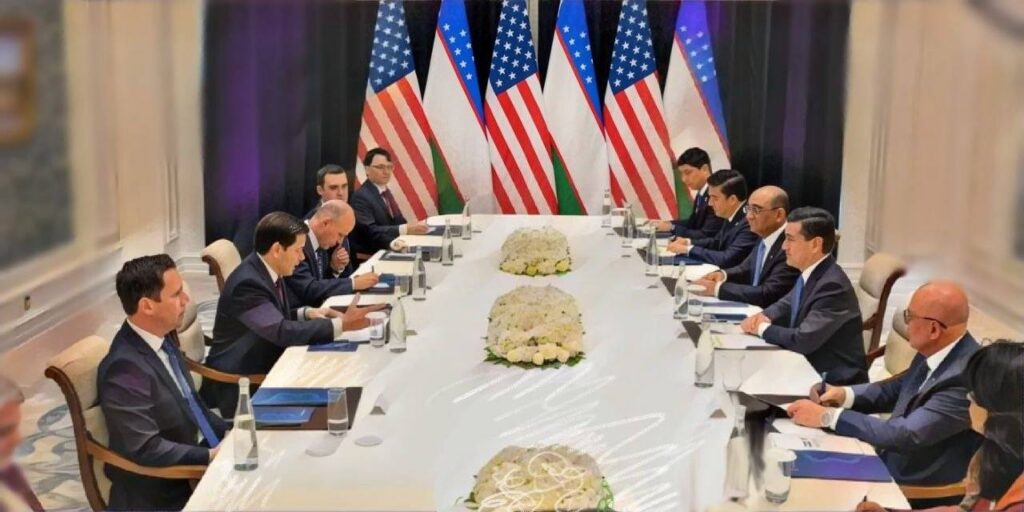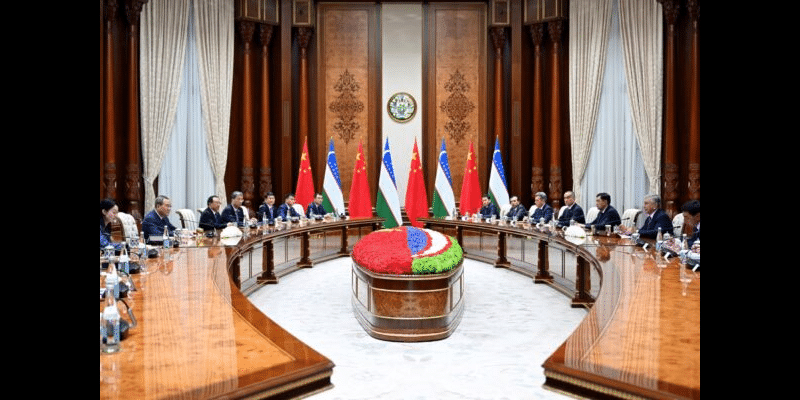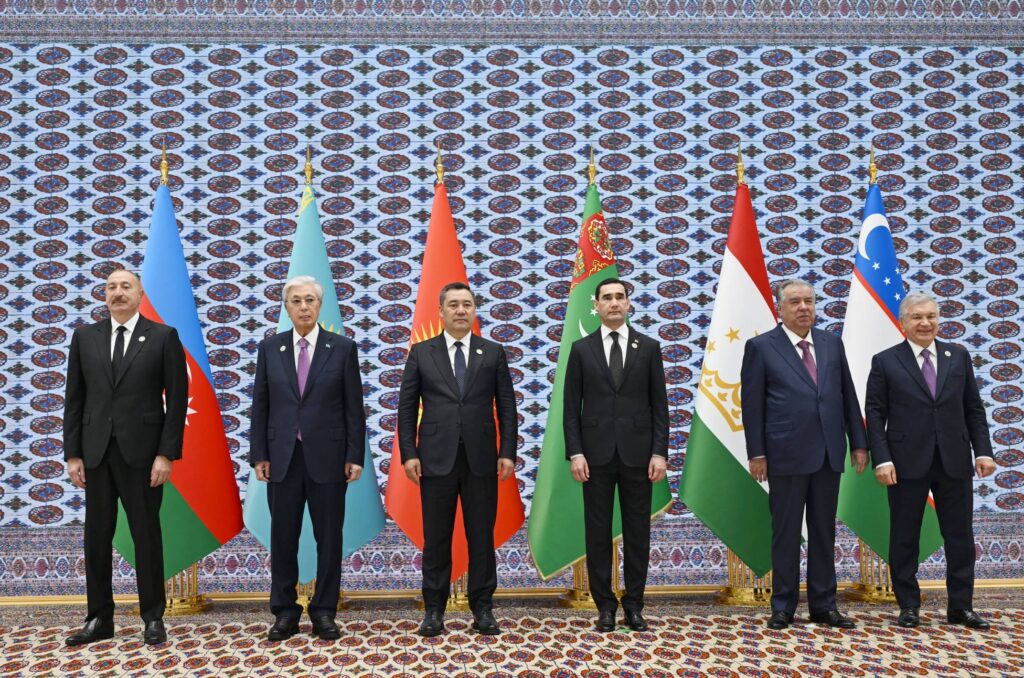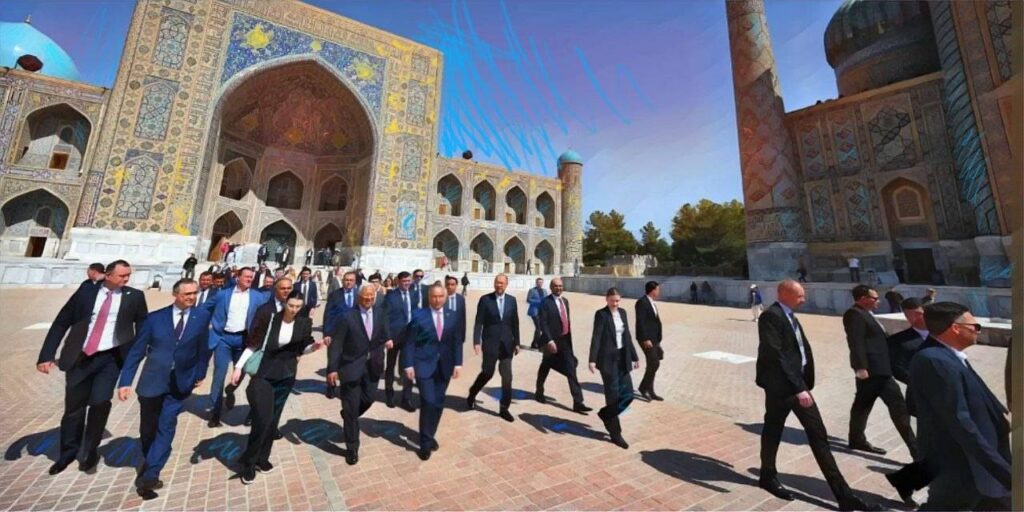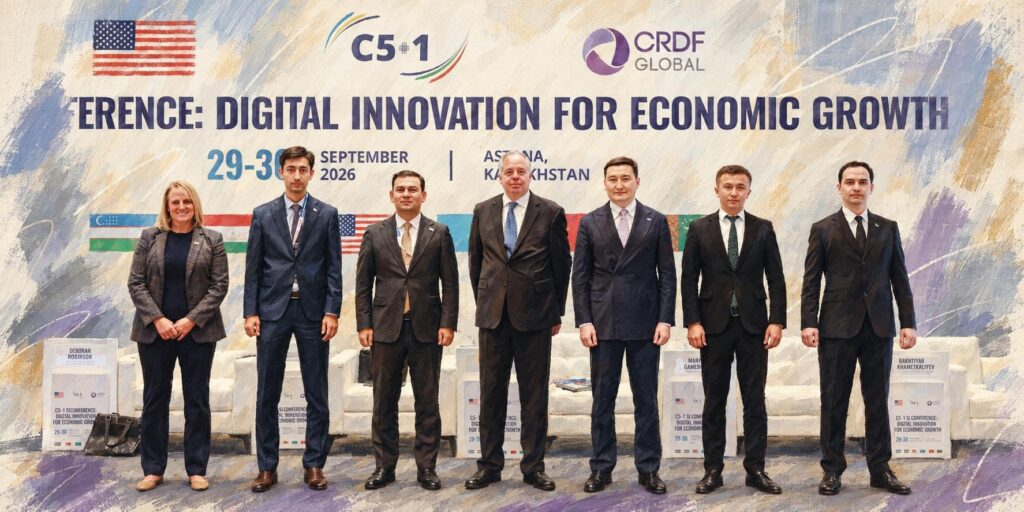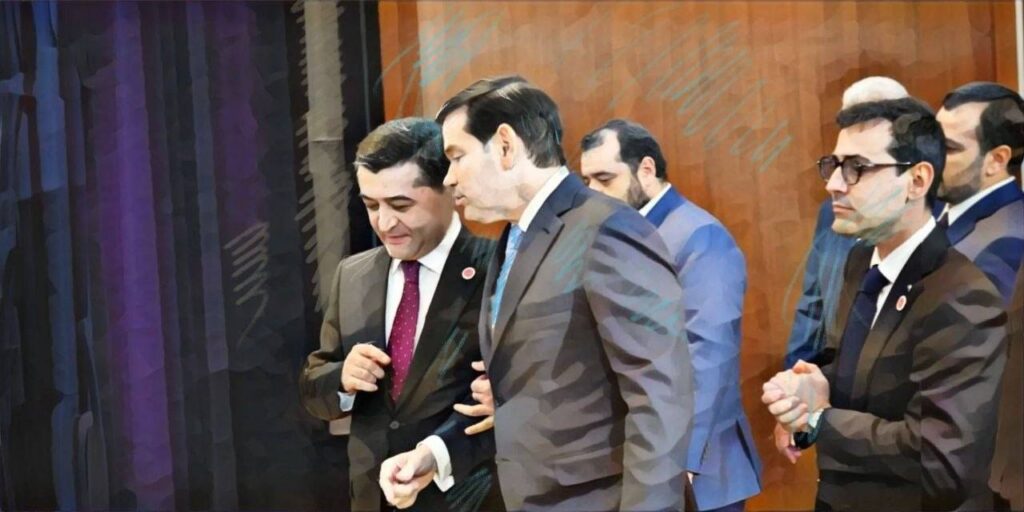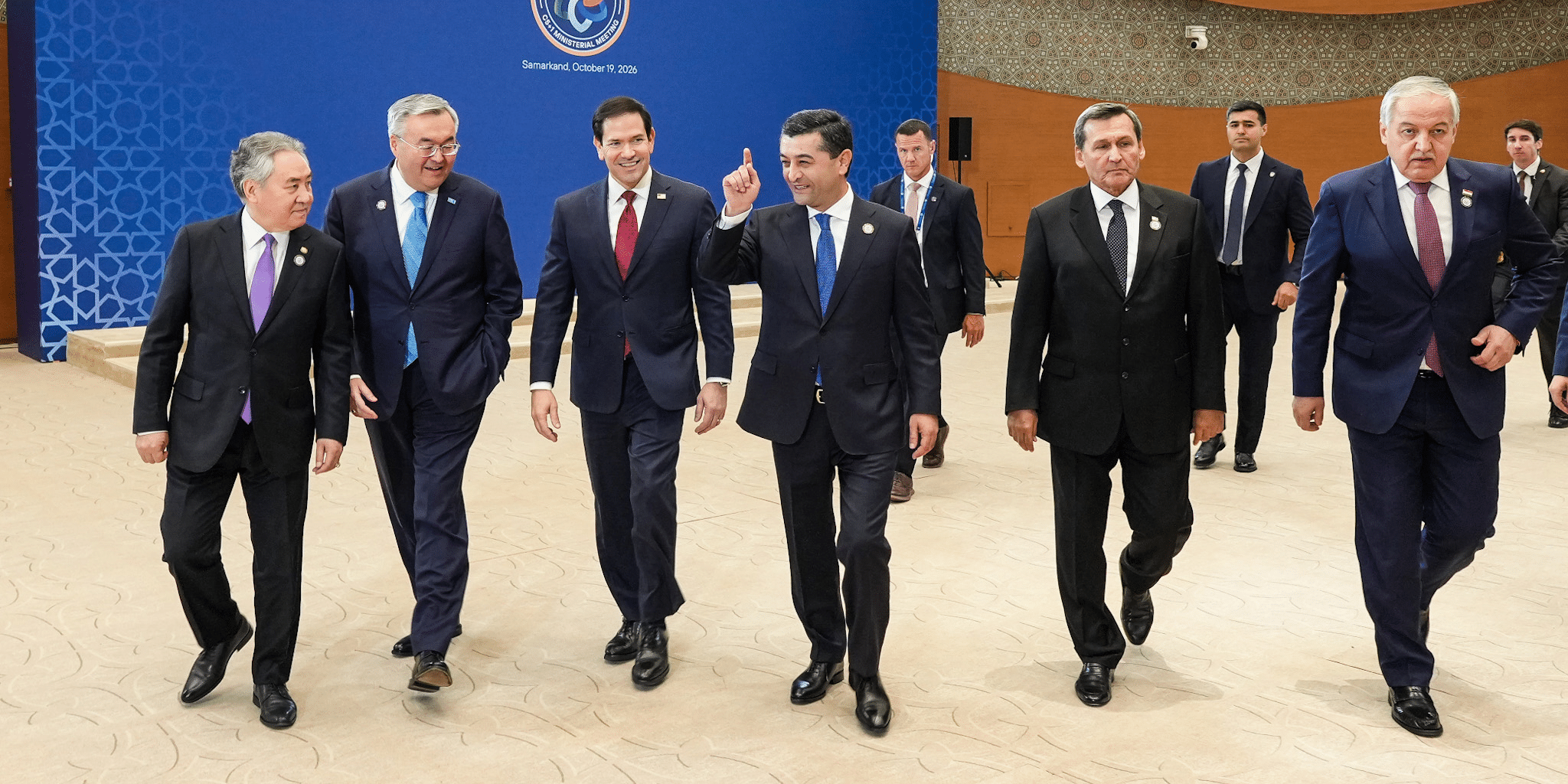
Central Asian governments backed closer cooperation on mineral processing and transport at the October 19 C5+1 meeting in Samarkand. Separate talks with U.S. Secretary of State Marco Rubio covered possible aircraft purchases for Kyrgyzstan and further diplomatic engagement with Kazakhstan and Turkmenistan.
Uzbekistan announced a $12 billion package of agreements and prospective initiatives during the visit. For the other four Central Asian participants, the published accounts centered largely on cooperation priorities and follow-up discussions.
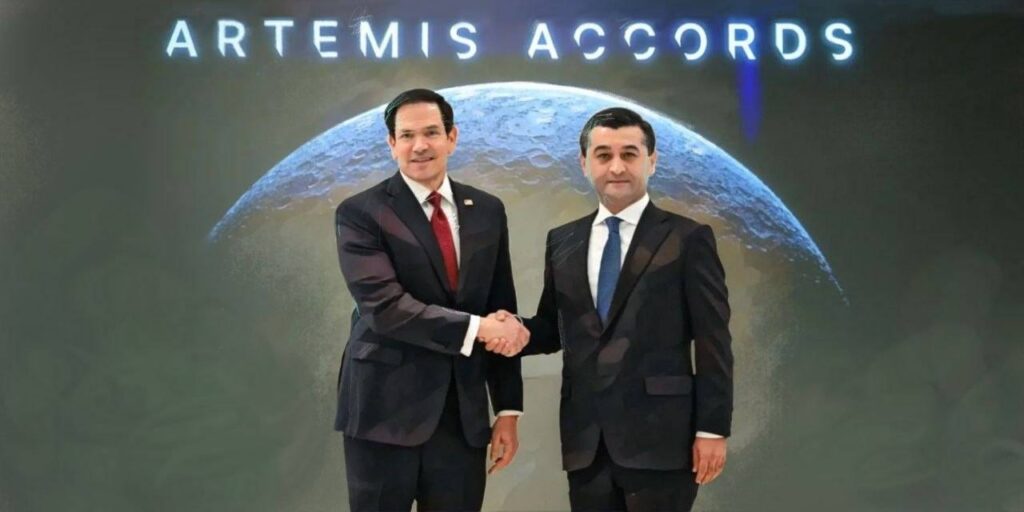
The gathering followed the November 2025 White House summit and accompanied Uzbekistan’s signing of the Artemis Accords. It brought Rubio together with all five Central Asian foreign ministers, combining regional discussions with separate bilateral meetings.
Kazakhstan’s Foreign Minister Mukhtar Tileuberdi discussed implementation of earlier presidential agreements with Rubio. The talks addressed attracting American investment and technology, with energy and critical minerals among the priorities. Washington also expressed interest in cooperation on artificial intelligence and communications infrastructure.
According to Kazakhstan’s Foreign Ministry, Rubio expressed interest in visiting Kazakhstan after the December G20 summit in Miami.
Kyrgyzstan’s talks included immediate obstacles to closer relations. Foreign Minister Jeenbek Kulubaev raised sanctions policy and visa restrictions with Rubio, alongside opportunities for American investment. The Kyrgyz side sought solutions that would facilitate educational and business exchanges.
Presidential special representative Bakyt Sydykov briefed the U.S. delegation on Kyrgyzstan’s sanctions-related efforts, with Bishkek reaffirming its willingness to work with Washington to prevent sanctions circumvention.
In a separate meeting, Kulubaev discussed possible Boeing aircraft deliveries to Kyrgyz airlines with company vice president Michael Schnabel. Financing options included possible involvement by the U.S. Export-Import Bank. The discussions also covered aircraft maintenance and aviation infrastructure.
Tajikistan’s Foreign Minister Sirojiddin Muhriddin discussed expanding trade and investment with Rubio. The ministry’s account also described an exchange on regional security and stability in Central Asia.
Turkmenistan reported a more specific diplomatic follow-up. Foreign Minister Rashid Meredov and Rubio outlined a schedule of further meetings and political consultations. U.S. special envoy Sergio Gor also attended the talks.
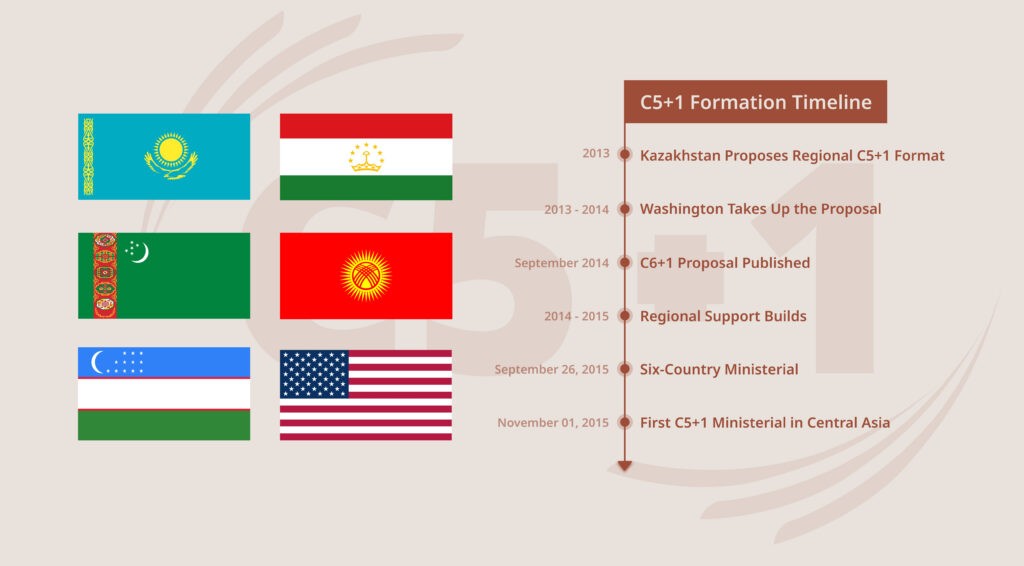
The shared C5+1 statement set out the broader economic agenda. The six governments supported further development of the Trans-Caspian Trade Route and more closely aligned customs procedures. They also backed stronger industrial cooperation within Central Asia.
On minerals, the statement envisaged expanded extraction and processing, alongside more production of higher-value goods within the region. It also supported exchanging expertise on geological data. These were collective policy intentions, without country-by-country financing allocations or project completion dates.
Security commitments covered stronger border protection and counterterrorism cooperation, alongside efforts against transnational crime. The governments also supported practical cooperation on nuclear security and the peaceful use of nuclear energy.