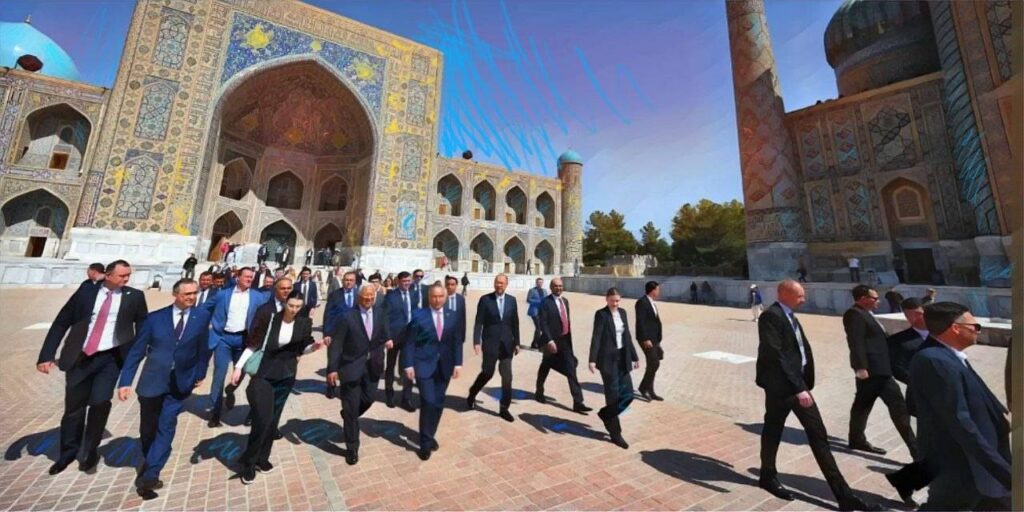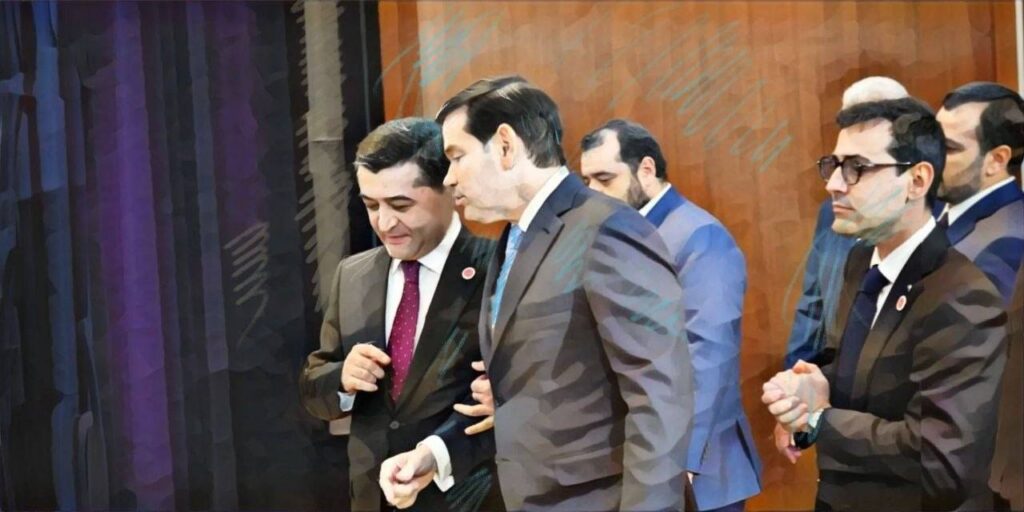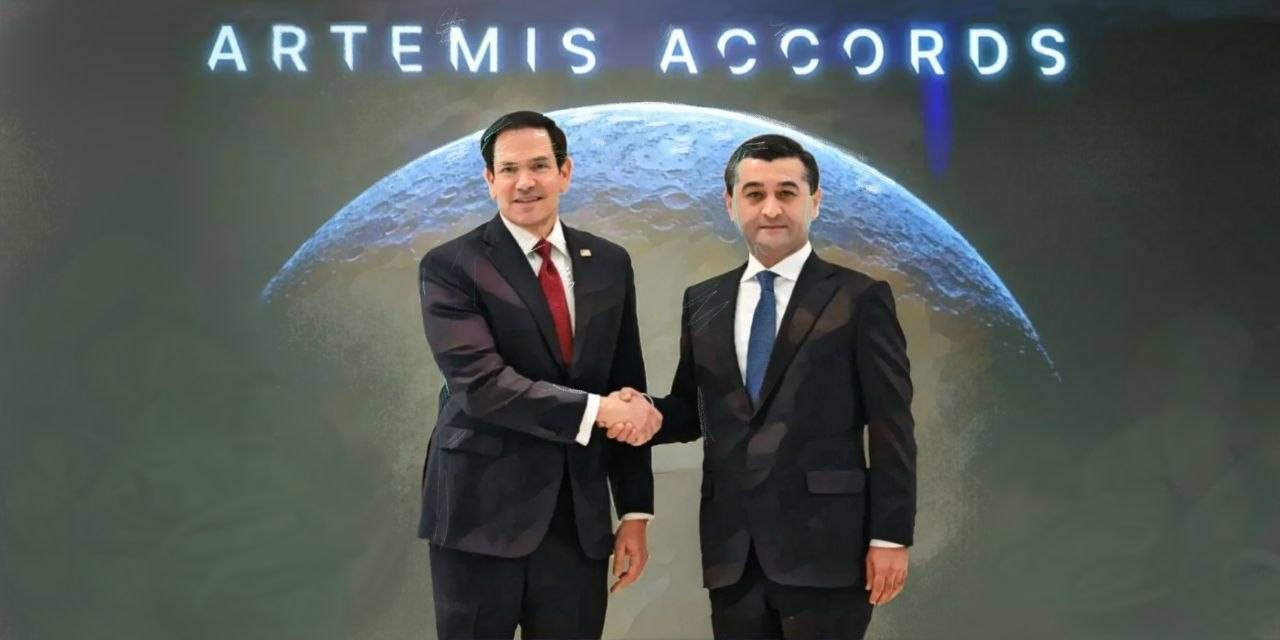
Uzbekistan joined the U.S.-led Artemis Accords on October 19 as Secretary of State Marco Rubio held talks in Samarkand. The signing accompanied the first Enhanced Strategic Partnership Dialogue between the two countries, with critical minerals among the priorities.
Foreign Minister Bakhtiyor Saidov announced the signing after bilateral talks with Rubio. He said Uzbekistan had become the 77th country to join the framework for peaceful space exploration.
Saidov said accession would support closer cooperation with NASA and other participating space agencies. He identified training for Uzbek specialists and access to space technologies as potential benefits.
Established in 2020, the Artemis Accords set out principles for civilian space exploration. Signatories commit to peaceful operations and greater transparency, including sharing scientific data. The framework also addresses interference between missions and the preservation of historic sites in space. NASA describes the accords as nonbinding principles.
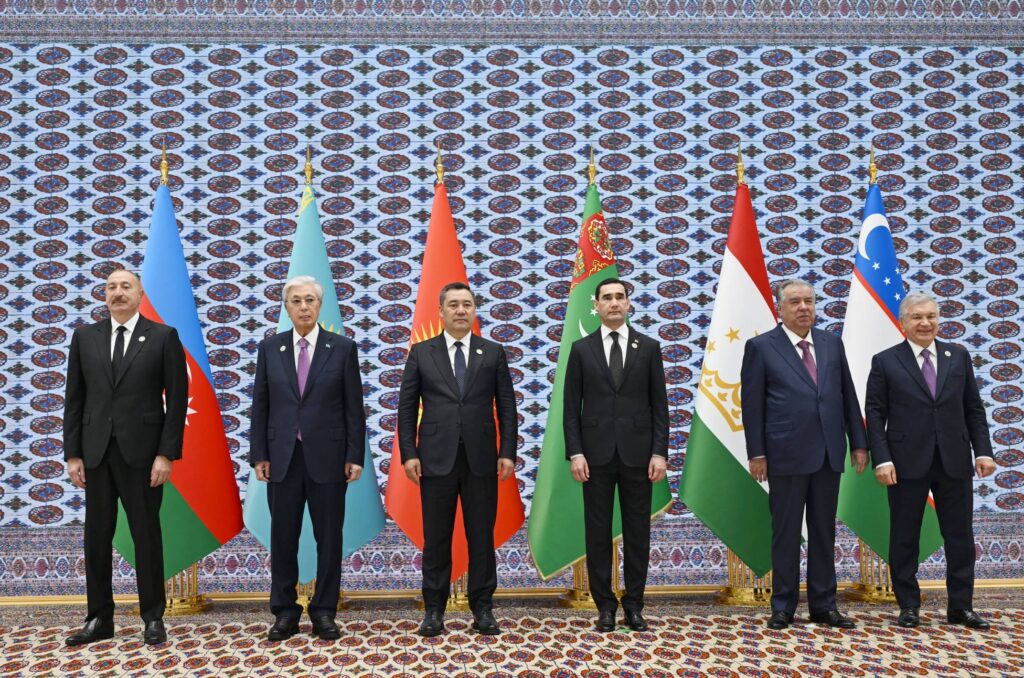
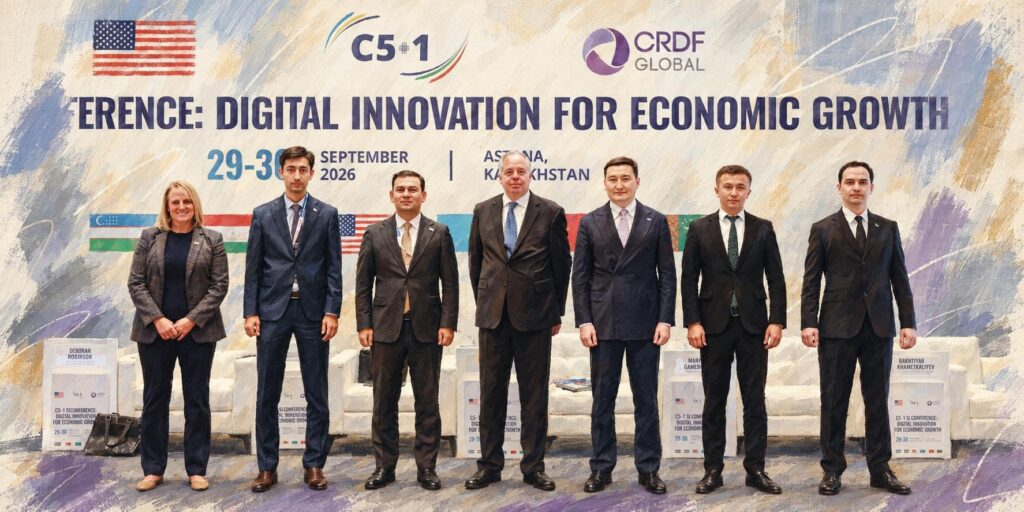
Posting on X, Rubio confirmed he had met all five Central Asian foreign ministers during the C5+1 gathering. He said cooperation would expand commercial opportunities and strengthen regional security. American businesses also joined the visit as Washington seeks deeper economic ties across Central Asia.
The visit follows the November 2025 White House summit, where Trump hosted all five Central Asian presidents. That meeting gave the partnership a stronger commercial focus, with aircraft orders and minerals projects featuring prominently. Samarkand brings ministers and businesses together to advance that agenda.
The strategic dialogue focused on implementing agreements reached by the countries’ leaders and expanding economic cooperation. Saidov said the discussions covered energy and advanced technologies, alongside critical minerals. Education and security cooperation were also on the agenda.
Rubio said separately that the talks addressed infrastructure and space cooperation, as well as engagement through C5+1, which brings together the United States and Kazakhstan, Kyrgyzstan, Tajikistan, Turkmenistan, and Uzbekistan.
In a separate meeting with Kazakh Foreign Minister Mukhtar Tileuberdi, Rubio reaffirmed plans to expand economic and security cooperation. He thanked Kazakhstan for supporting “President Trump’s peace initiatives, including the Abraham Accords.”
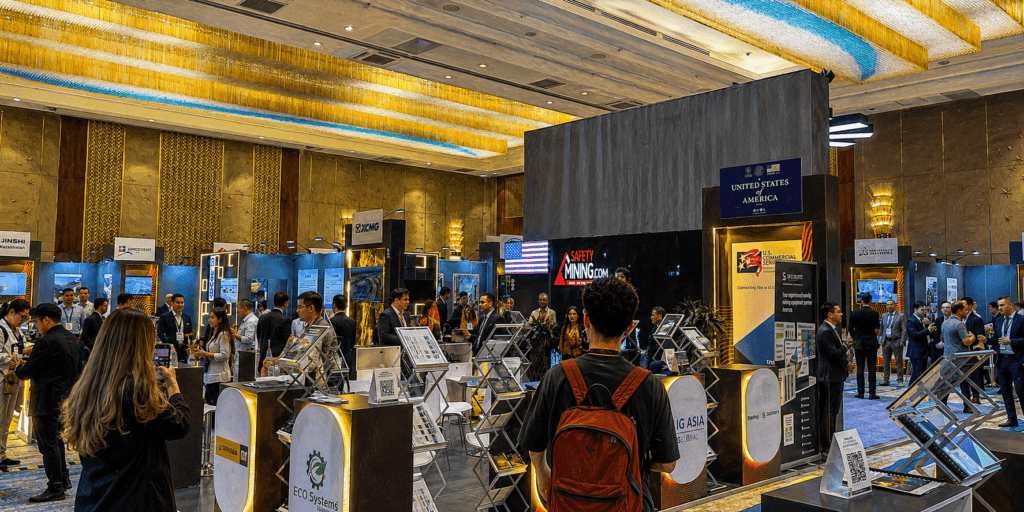
Speaking to reporters in Samarkand, Rubio said nearly 300 American businesses were represented, and that agreements potentially worth billions of dollars were under discussion. He presented the visit as the start of deeper U.S. economic engagement with Central Asia.
“I think we’ll have some concrete deals to announce,” he said, according to Euronews. A final list of agreements and their value had not been circulated at the time of those remarks.
Rubio identified critical minerals as a priority, arguing that concentrated supplies created risks for countries dependent on them. “This is not about coming here to say, stop talking to somebody else or stop working with some other country,” he said.
Days earlier, at the October 15 summit of the Conference on Interaction and Confidence Building Measures in Asia in Baku, Kazakhstan’s President Kassym-Jomart Tokayev proposed a transport strategy spanning several international initiatives. His proposal included China’s Belt and Road and the planned Trump Route for International Peace and Prosperity (TRIPP) through Armenia. It illustrated the region’s pursuit of transport links involving different international partners, consistent with Rubio’s stated approach to U.S. engagement.
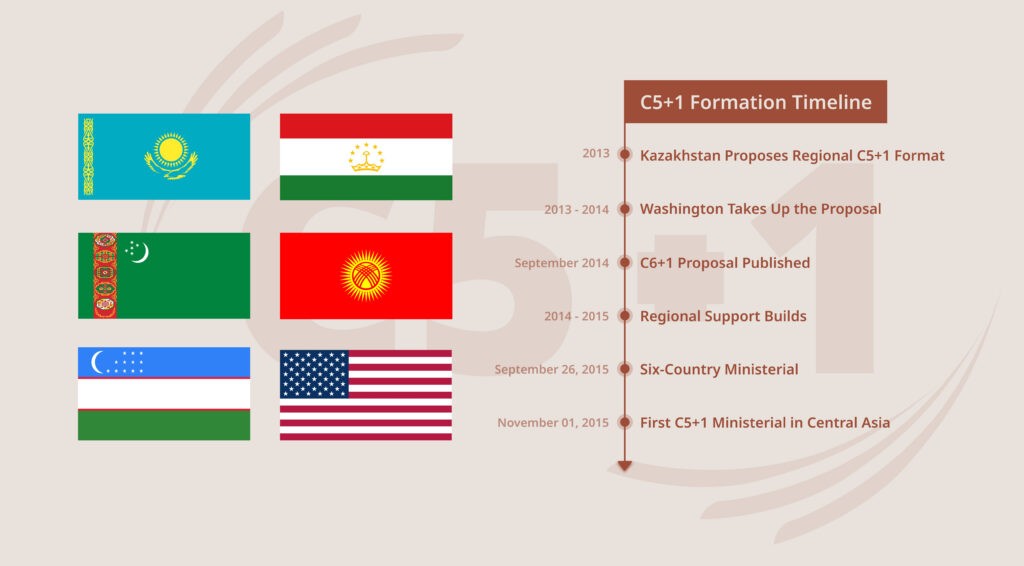
Samarkand also connects the current talks to the format’s origins. Following a proposal from Kazakhstan, John Kerry and the five Central Asian foreign ministers met in New York in September 2015 and again in Samarkand on November 1. The six governments initially focused on shared security concerns and economic connectivity, alongside environmental challenges. A secretariat followed in 2022, before Joe Biden hosted the first presidential-level meeting in New York in September 2023.
The 2023 summit also set the groundwork for a dedicated business platform and the Critical Minerals Dialogue, which began in February 2024. These initiatives widened cooperation beyond periodic diplomatic meetings, giving companies a more direct role in identifying investment opportunities and obstacles.
At the November 2025 summit, the U.S. Commerce Department announced more than $25 billion in commercial deals. Aviation formed a substantial part of the package, with Uzbekistan Airways ordering eight additional Boeing 787s, while Air Astana selected up to 15. The announcements also covered agricultural machinery and advanced computing, showing the breadth of U.S. commercial interest beyond mineral extraction. The package included firm orders alongside preliminary commitments.
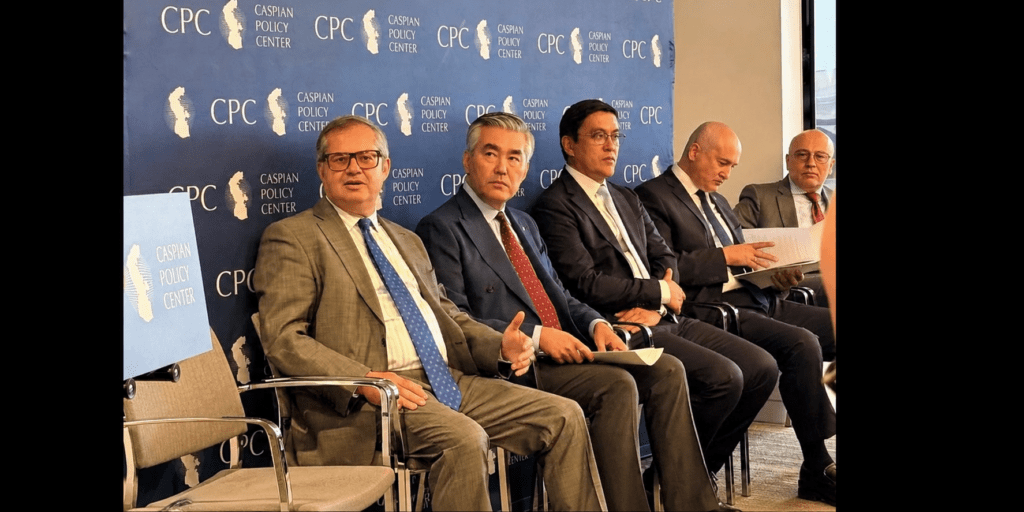
The minerals discussions continued in Astana on June 10, when U.S. envoy Sergio Gor met officials from all five Central Asian countries. Sessions covered exploration and processing, with supply chain security central to Washington’s approach. Kazakhstan emphasized its interest in domestic processing and skilled jobs, seeking a larger industrial role than supplying raw materials alone.
Minerals cooperation already has a bilateral foundation. On February 4, Saidov and U.S. Deputy Secretary of State Christopher Landau signed a memorandum on supply chain security covering critical minerals and rare earth elements. It included both mining and processing.
Later that month, the U.S. International Development Finance Corporation signed preliminary commercial terms for a joint investment framework with Uzbekistan. The proposed structure included a joint holding company intended to help develop investment projects.
The five countries have also developed their own regional consultation process, beginning with a leaders’ meeting in 2018. Their cooperation now extends to transport and energy, areas central to foreign investment. The region is pursuing parallel partnerships with China, the European Union, and other partners, giving the U.S. initiative a place within a broader expansion of Central Asia’s international economic ties.