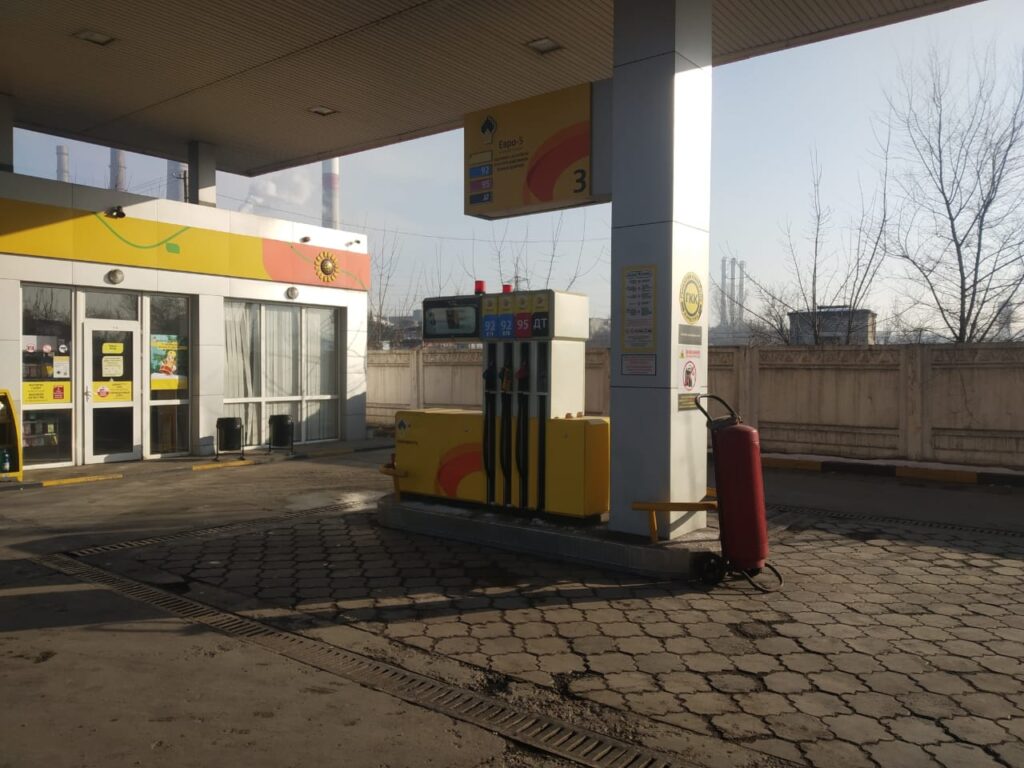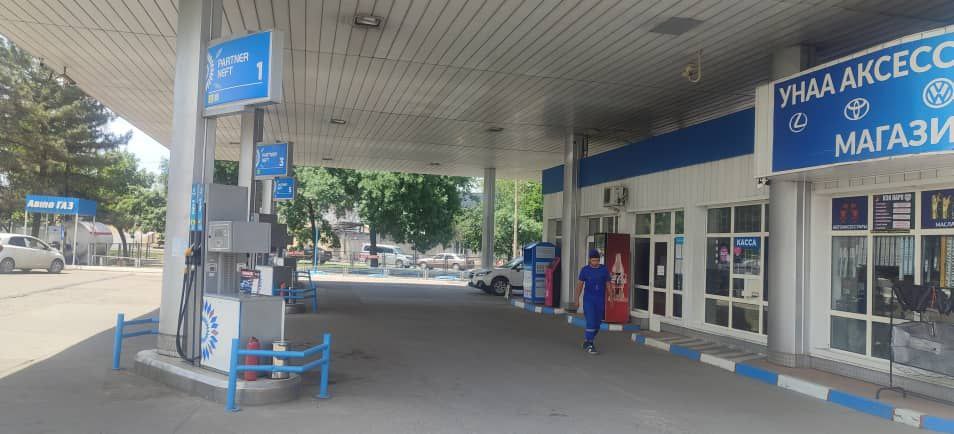
Gasoline prices in Kyrgyzstan have continued to rise in recent months, despite official assurances that fuel reserves remain sufficient. The Kyrgyz Ministry of Energy reports that domestic supplies and ongoing fuel imports from Russia are currently adequate to meet national demand.
According to the ministry, Kyrgyzstan consumes approximately 1.6 million tons of fuel annually, with over 90 percent of its gasoline imported from Russia. Each year, export volumes are negotiated between Moscow and Kyrgyz oil traders. When those volumes are exhausted, prices typically begin to increase.
“The agreed volumes for 2025 have not yet been fully met, but oil products are being supplied as usual and without interruption. At the same time, work is underway to agree on new volumes for 2026,” the ministry stated.
Officials attribute the recent price hikes to global market trends and disruptions in Russian refinery operations. Several refineries have undergone scheduled maintenance, while others were forced to halt operations following drone attacks linked to the conflict in Ukraine.
Despite a recently announced gasoline export ban by Russian authorities, the restriction does not apply to countries within the Eurasian Economic Union (EAEU), including Kyrgyzstan.
Industry Concerns About Future Supply
Kanat Eshatov, head of the Kyrgyz Oil Traders Association, told The Times of Central Asia that local traders remain cautious, anticipating further price increases by the end of September.
“The first half of the year was fairly calm on the fuel market, with only a slight increase in prices. But in June and July, prices rose sharply due to scheduled repairs at refineries in Russia. A total of 20 plants were shut down for repairs. Five of them underwent unscheduled repairs due to attacks by Ukrainian drones. Some Russian regions are experiencing a shortage of fuel. The Russian government is now redistributing its reserves,” Eshatov said.
The association is concerned about Kyrgyzstan’s limited fuel buffer. Major oil companies in the country reportedly hold only two months’ worth of gasoline reserves. Any significant supply interruption from Russia could quickly lead to a national shortage.
Comparative Prices in the Region
Eshatov noted that, due to Kyrgyzstan’s exemption from export duties on Russian gasoline, fuel prices remain lower than in neighboring countries. For example, in Tajikistan, gasoline prices have increased by $0.27 per liter this year, and diesel by $0.22. In Uzbekistan, gasoline is up by $0.26 per liter and diesel by $0.11.
To ensure continued supply stability, Kyrgyz oil traders are also exploring alternative import routes and are currently in negotiations with Kazakhstan and Azerbaijan.