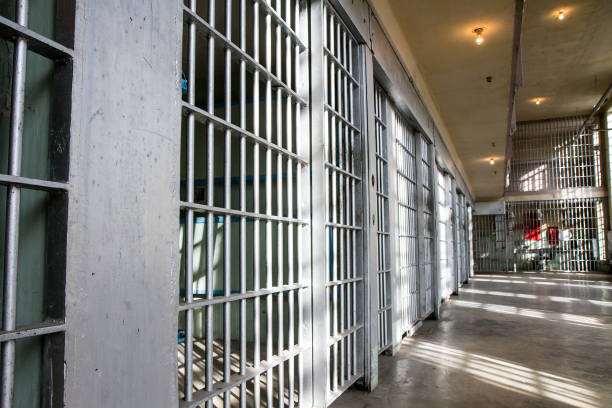
Kazakhstan’s National Chamber of Entrepreneurs “Atameken” and the Committee of the Penal System (CES) under the Ministry of Internal Affairs have discussed the potential for establishing private production facilities inside the country’s correctional institutions.
The initiative was presented during a meeting organized by Atameken, Kazakhstan’s largest business association, representing 1.4 million members across 203 industry associations. The discussion focused on practical mechanisms for facilitating business engagement with correctional institutions.
“It is important for businesses to understand the real opportunities and economic benefits of working with correctional facilities. The Chamber is prepared to support projects at every stage, offering both advisory and organizational assistance,” said Almat Askar, Managing Director of the Manufacturing Industry Department at Atameken.
According to Askar, Atameken is working with government agencies to develop mechanisms that encourage businesses to create jobs for inmates and set up production facilities within the industrial zones of correctional facilities.
Guldana Sharipova, Head of the Convict Labor Organization Department at the CES, noted that legislative amendments offering incentives for businesses are already in progress. “We are interested in companies not only launching operations within correctional facilities but also in hiring convicts to work outside the colonies,” she said.
According to the World Prison Population List, Kazakhstan ranked 89th out of 222 countries in 2024 in terms of the number of prisoners per 100,000 population. Approximately 35,000 individuals are held in 78 correctional institutions nationwide. Of these, about 23,000 are eligible to work, yet only slightly more than 12,000 are officially employed.
Currently, 280 private enterprises operate within the industrial zones of correctional institutions, employing 5,000 inmates. These facilities manufacture products ranging from workwear and building materials to furniture, souvenirs, and consumer goods.
This initiative comes alongside broader efforts by the Kazakh government to improve the business climate, including a recent reduction in inspections of private enterprises.