Kazakhstan is rapidly increasing the value of its agricultural exports and trying to sell more processed products abroad rather than simply exporting raw commodities. In 2025, the country’s agricultural exports reached $7 billion, with processed products accounting for $3.6 billion. In the first four months of 2026, exports of agricultural and food products rose another 36% to $3 billion.
But Kazakhstan’s relationship with Uzbekistan, one of the main buyers of its agricultural products, shows another side of this process. Uzbekistan is also beginning to challenge the established pattern. It buys Kazakh grain, vegetable oils, and oilseed products, but is expanding its own processing capacity. In some sectors, finished Uzbek products are now entering the same foreign markets where Kazakh producers have traditionally been strong.
This is most clearly visible in the flour market.
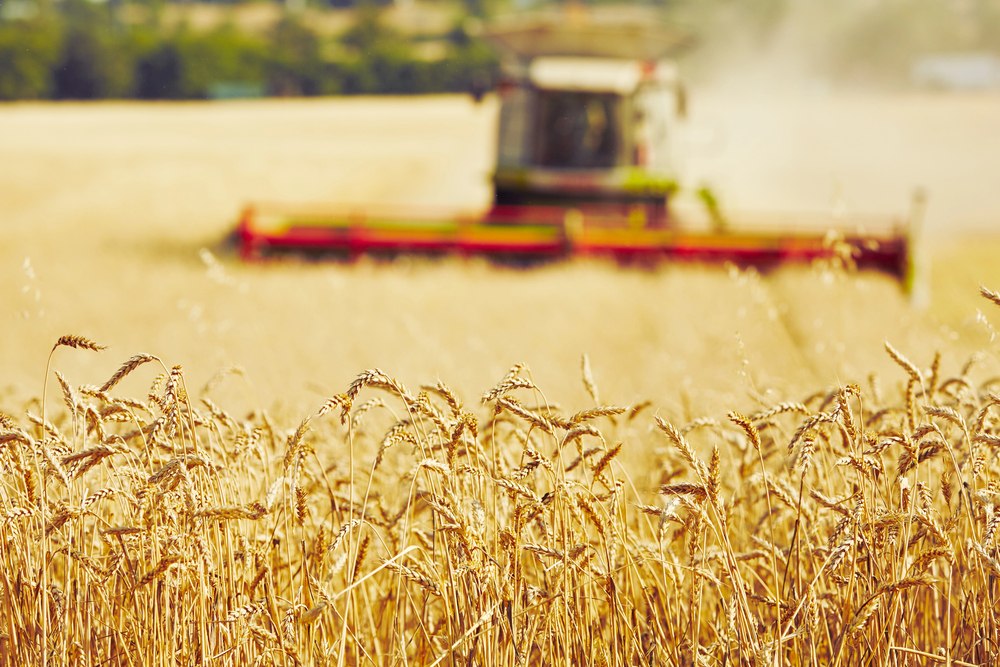
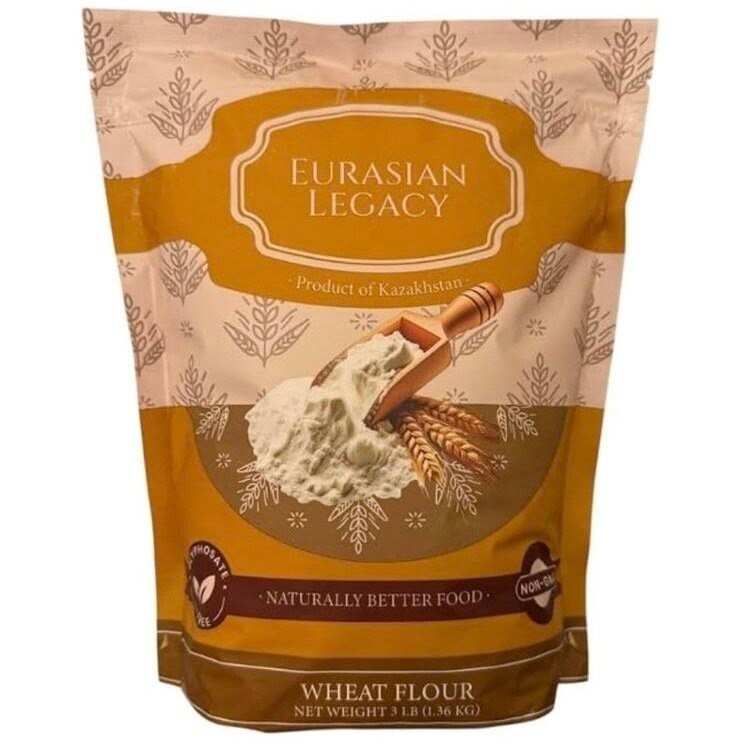
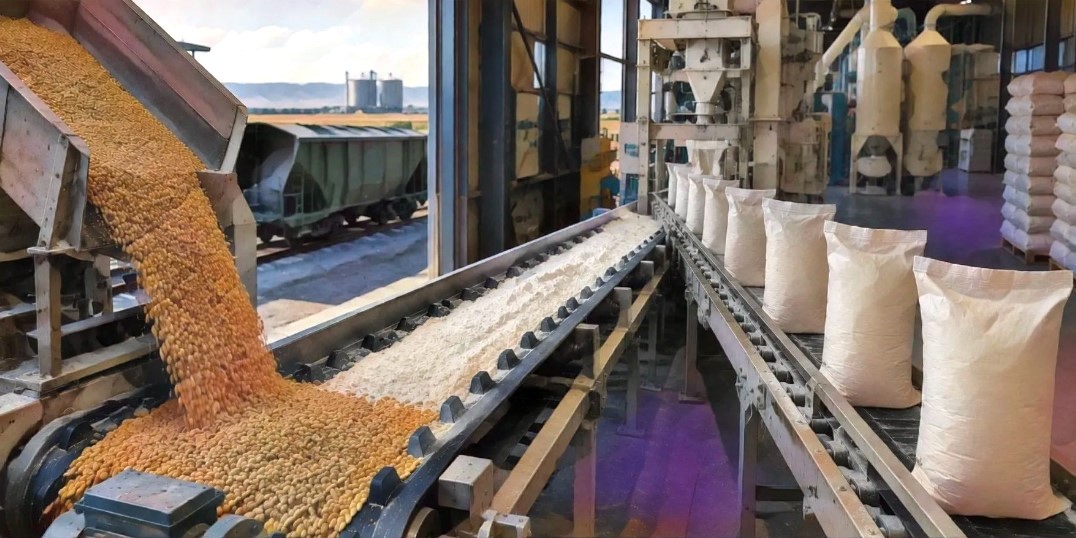
Kazakhstan has long been a dominant regional flour exporter and was until recently Afghanistan’s main supplier. Uzbekistan, meanwhile, imported both Kazakh wheat and flour. As Tashkent expanded its domestic milling capacity, it increasingly bought raw Kazakh wheat and turned it into flour at home.
By 2025, the balance had shifted. Kazakhstan supplied Afghanistan with about 1.05 million metric tons of flour, while Uzbekistan shipped nearly 1.59 million tons. Almost all of Uzbekistan’s flour exports in 2025 went to the Afghan market.
Kazakhstan has not disappeared from this production chain. Uzbekistan remains one of the largest buyers of Kazakh wheat. Those grain shipments help supply Uzbek flour mills, with the finished flour then exported, including to Afghanistan. Uzbekistan also continues to import Kazakh flour, so the substitution has not been complete.
Kazakhstan is also developing its agricultural processing. Exports of processed agricultural products rose 35% to $3.6 billion in 2025. In the flour market, however, the value-adding step of milling grain and exporting the flour has increasingly shifted to its neighbor.
There are signs of a similar shift in the vegetable oil and fat industry, although Kazakhstan’s position here remains considerably stronger.
Between September 2025 and May 2026, Kazakhstan supplied Uzbekistan with 553,000 metric tons of vegetable oils and meal and oilcake, 31% more than during the same period of the previous season. Kazakhstan accounted for more than 90% of Uzbekistan’s vegetable oil imports in 2025.
For Kazakhstan, this is an example of moving beyond the simple export of agricultural raw materials. Uzbekistan, meanwhile, is expanding its own oils and fats industry. Large enterprises produced 31,200 metric tons of margarine and spreads in 2025, up 21.4% from a year earlier.
Sunflower oil production is also growing. In January-August 2025, large Uzbek enterprises produced 83,500 metric tons, compared with 28,000 metric tons during the same period in 2023. Domestic production is therefore rising rapidly even as Uzbekistan continues to import large volumes of sunflower oil.
Uzbekistan is also beginning to export more sunflower oil. In the first half of 2025, Uzbekistan supplied Afghanistan with more than 17,700 metric tons of sunflower oil, becoming its largest supplier during that period, according to data from agricultural market analyst Marina Sidak and as reported by APK-Inform. But it is too early to draw a direct parallel with flour. Uzbekistan remains a major buyer of Kazakh vegetable oil, and leading the Afghan market over a single six-month period does not yet indicate a long-term shift in positions.
A less visible part of this trade involves sunflower meal and oilcake. Between September 2025 and May 2026, Kazakhstan exported 156,000 metric tons of these products to Uzbekistan, 7% more than a year earlier.
Unlike vegetable oil, meal and oilcake are not generally intended for the final consumer. They are high-protein feed ingredients used in livestock farming and, in particular, commercial poultry production.
Uzbekistan is now expanding this industry. Government plans for 2025 called for increasing poultry meat production to 1 million metric tons and egg production to 10.5 billion. The government also aimed to double exports from the sector to $180 million.
There is, of course, no direct link between supplies of Kazakh sunflower meal and exports of Uzbek chicken. Animal feed comes from different ingredients and sources. But the Kazakh product is becoming one of the inputs available to an industry in which Uzbekistan is expanding its own production capacity.
Uzbekistan also remains a substantial importer of food and agricultural products. Population growth and rising domestic consumption mean the country must simultaneously increase production of meat and other food for its domestic market while developing industries capable of exporting.
Trade between the two countries therefore remains beneficial to both sides. Kazakhstan gains a large and growing market for grain, vegetable oil, meal, and other agricultural products. Uzbekistan obtains raw materials and intermediate products for its own processing industries. Kazakhstan is itself increasing the depth of domestic processing, while Uzbekistan is seeking to capture more of the production chain within its own borders.
Flour has already provided the first clear example of this shift: Kazakhstan has retained a market for its grain, while Uzbekistan has overtaken it in shipments of the finished product to Afghanistan. In the vegetable oil and fat sector, Kazakhstan still holds a considerably stronger position, but Uzbekistan is steadily expanding its own processing capacity. That process will be worth watching in the coming years.