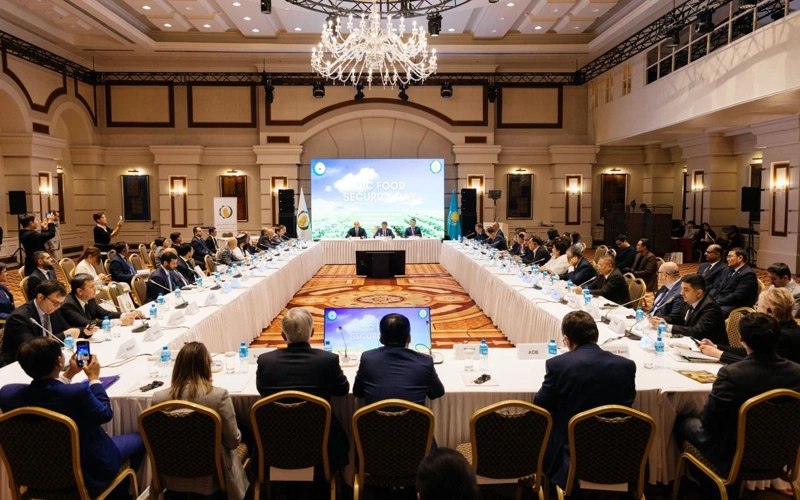
ASTANA (TCA) — At the meeting of Kazakhstan’s Government on January 30, Minister of National Economy Timur Suleimenov and Chairman of the National Bank Daniyar Akishev reported on the main directions of the country’s economic policy for 2018, the official website of the Prime Minister of Kazakhstan reported.
The main directions of the economic policy for 2018 will include the preservation of macroeconomic stability; ensuring a favorable business climate; development of economic sectors, including the digital component; and development of transport and logistics infrastructure.
The economic policy pursued by the Government and the National Bank will allow this year to ensure the level of inflation in the corridor of 5-7% at the end of the year. Achieving this goal will be an important step towards a gradual reduction in inflation to 4% by the end of 2020.
“The main attention of the Government will be focused on preventing unreasonable growth of prices for food and non-food products, tariffs for monopolistic services, as well as eliminating the possibility of creating an artificial shortage, price collusion and unfair competition,” Suleimenov said.
The budget policy in 2018 will be aimed at promoting economic growth, developing public-private partnerships and maintaining the sustainability of public finances. At the same time, all social obligations of the state will be fulfilled.
In 2018, the development of the third five-year industrialization plan will begin, aimed at building the industry of the “digital era” with an emphasis on innovation, transfer of technology, and digitalization of manufacturing.
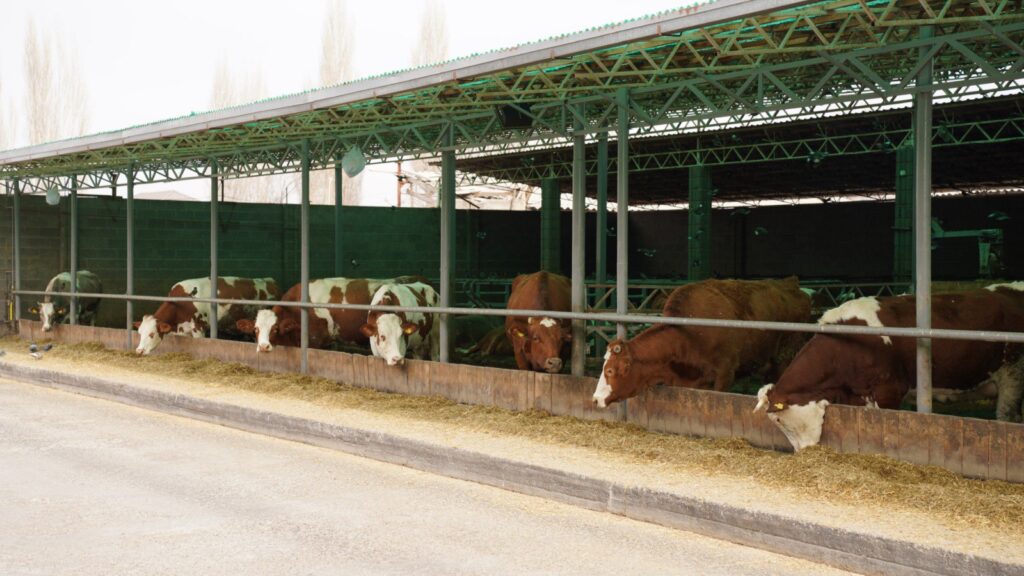
In the agro-industrial sector, work will continue to increase labor productivity through further development of agricultural cooperation, diversification of the structure of sown areas, and the export of processed agricultural products.
In general, the economic policy in 2018 will be aimed at stimulating sustainable economic growth through ensuring macroeconomic stability, the stability of the banking sector, improving the investment and business climate, and through the development of economic sectors.
National Bank Chairman Akishev said that the National Bank will continue implementing the monetary policy in the regime of inflation targeting and the policy of the floating exchange rate of the tenge. In addition, it is proposed to take measures to strengthen foreign exchange control while maintaining a liberal monetary regime.