BISHKEK (TCA) — As tuberculosis (TB) remains a public health concern in the Eastern European and Central Asian regions, a regional symposium being held on 1 and 2 March in Bishkek will tackle recent new approaches to treatment and urge for scale-up of new drugs and diagnostic tools. Hosted by the Ministry of Health of Kyrgyzstan and Médecins Sans Frontières (MSF), the symposium brought together around 160 participants from the region, MSF reported.
Entitled ‘Treating Patients, not Disease: A People-Centred Approach,’ the symposium will focus on the health needs and expectations of people affected with TB and their communities. Evidence around the effectiveness of newer, shorter drug regimens will be presented as a core part of the symposium.
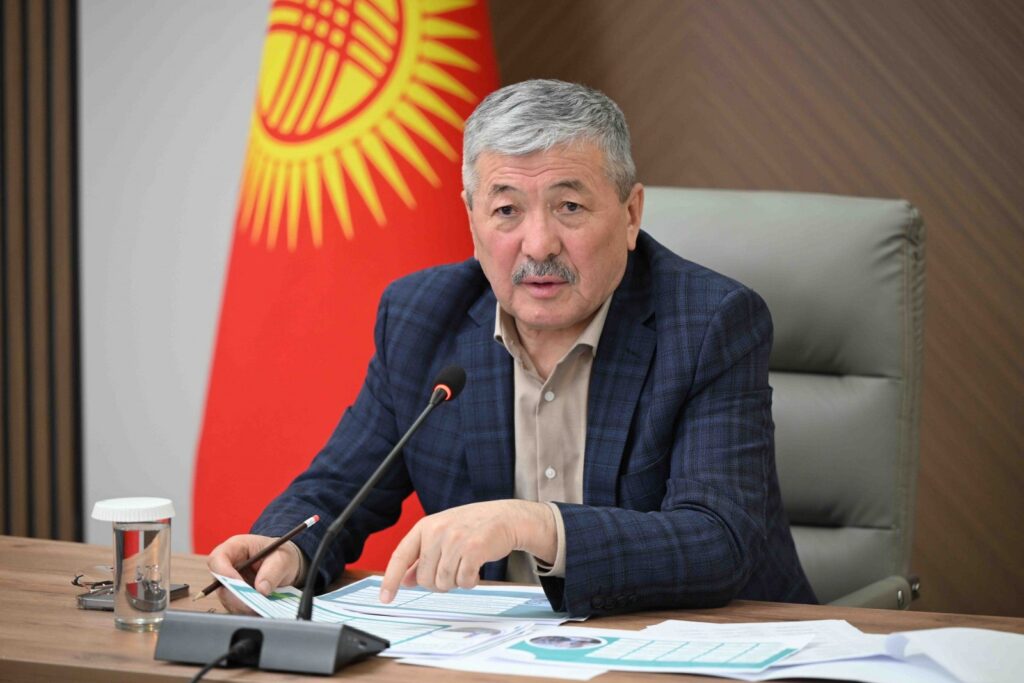
“The Kyrgyz Republic has already accumulated experience in implementing new treatment regimens and new funding mechanisms for the national TB service as well as patient-oriented approaches in TB care,” says Dr Talantbek Batyraliev, Minister of Health of the Kyrgyz Republic. “As a result, the situation with TB is improving.”
Tuberculosis is one of the top 10 causes of death globally, according to the World Health Organization. The disease claimed the lives of 1.7 million people in 2016, including 250,000 children. The vast majority of these deaths occurred in low- and middle-income countries. Strains of TB resistant to the main TB drugs pose an even deadlier threat: only half of patients with multidrug-resistant TB are successfully treated.
“To make TB a disease of the past, we have a long way to go,” says Dr Nazgul Samieva, Medical Coordinator for MSF in Kyrgyzstan. “While more effective treatments are available, they are not being rolled out enough to reach those who need them most, or to stop transmission of the disease.”
In Kyrgyzstan, MSF is working in Osh, in Kara Suu district, providing outpatient care for people with drug resistant TB. MSF also supports the Ministry of Health in the diagnosis and treatment of patients with the more severe form of the disease at Kara Suu Hospital. Another team supports the follow-up of patients receiving treatment at Osh TB Hospital.