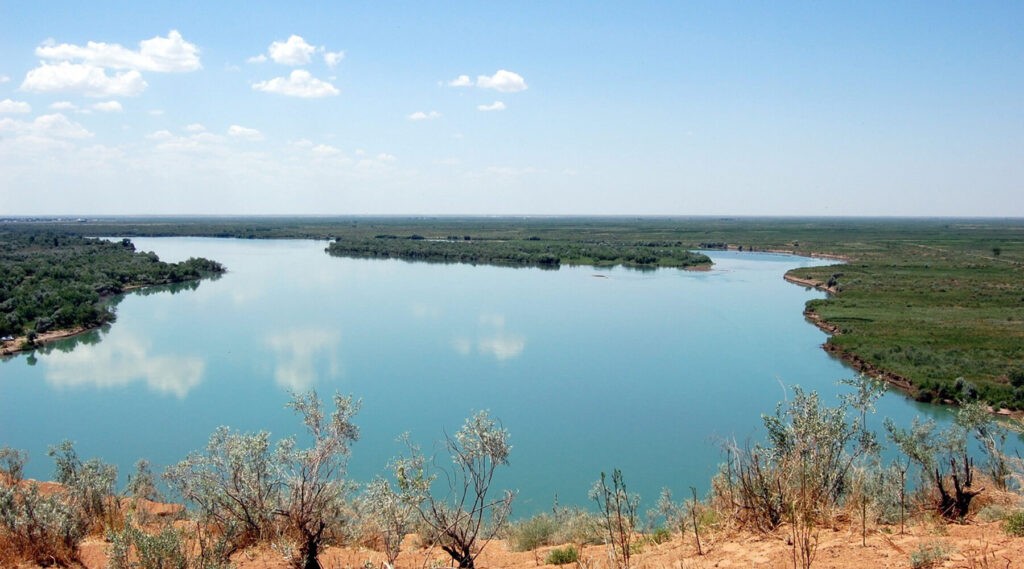
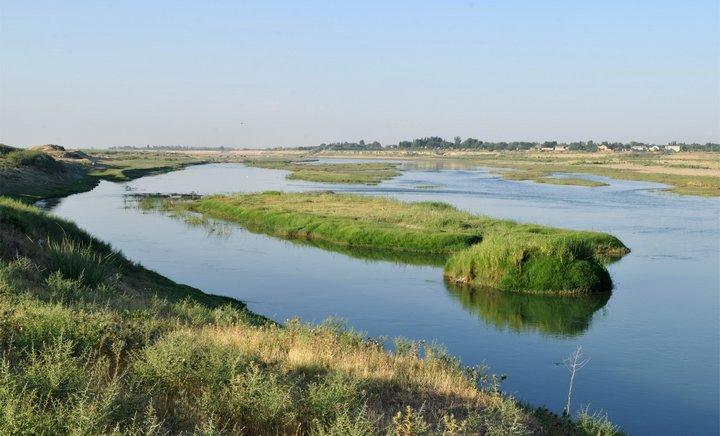
In the dry and hot year of 2025, Kyrgyz farmers received one billion cubic meters more water than in 2024, according to the Ministry of Water Resources, Agriculture, and Processing Industry.
Despite the challenging weather conditions, 7 billion cubic meters of water were delivered during the growing season, enabling the irrigation of over 1.1 million hectares of agricultural land. Chronic water shortages during the irrigation season have long plagued Kyrgyzstan’s agriculture, frequently sparking disputes in rural areas.
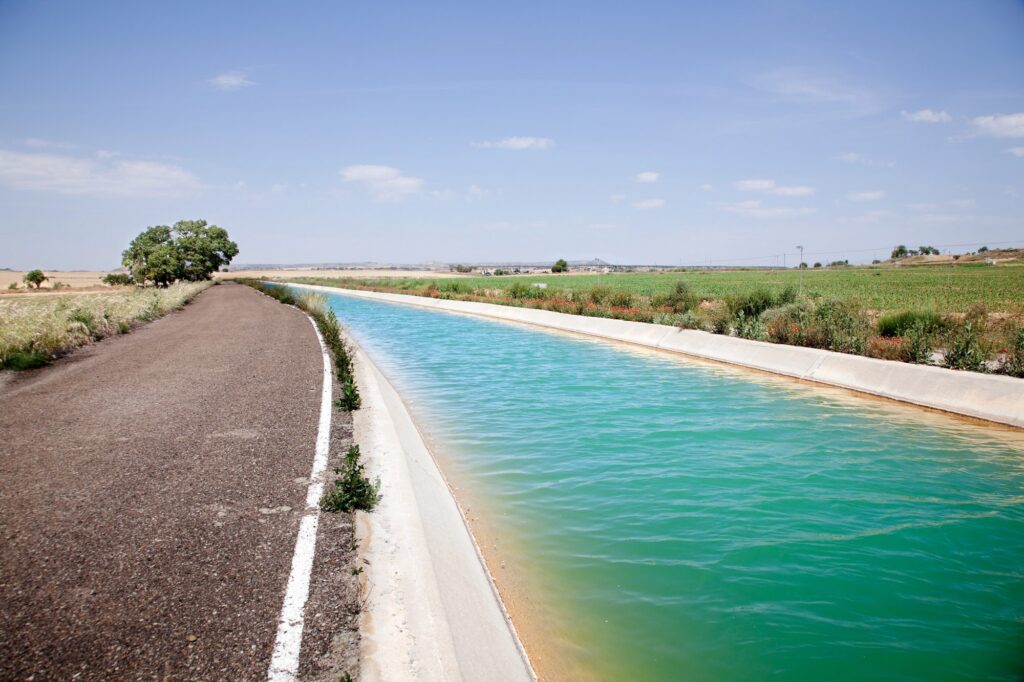
The primary cause is the aging irrigation infrastructure, much of it dating back to the Soviet era. Many canals are clogged or damaged, leading to significant water losses. In 2025, the ministry reported that 429.5 kilometers of canals were repaired and cleaned, alongside the restoration of 302 hydraulic structures, 123 water gauges, 91 pumping stations, and 156 pumping units. Nine units were fully replaced, and 53.5 kilometers of collector and drainage systems were cleaned.
To modernize the network, the government plans to construct 106 daily and ten-day water regulation basins by 2030. These facilities are intended to improve water storage and distribution across farms. Ten basins have already been commissioned this year, with 12 more under construction.
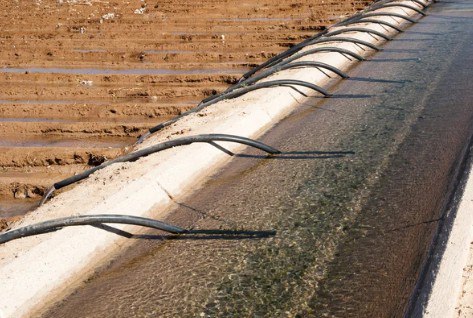
Officials are also combining modern and traditional solutions to address irrigation challenges. Sprinkler systems, popular in the 1980s, are being revived due to their efficiency, they require 500 to 1,000 cubic meters of water per hectare, compared to two to three times more with the traditional ary system. However, most farmers continue to rely on the ary method due to the high cost of sprinkler and drip irrigation equipment.
According to the ministry, drip and sprinkler systems are now in use on 8,365 hectares: 1,702 hectares on state-owned land and 6,663 hectares on private farms.
Restoration of old wells and construction of new canals also continue. This year, work began on a plant to manufacture concrete linings for irrigation canals, with a target of producing 500,000 square meters of concrete canal linings in 2025.