Kazakhstan’s Ministry of Water Resources and Irrigation has signed a memorandum of cooperation with Power China to strengthen bilateral collaboration in water management.
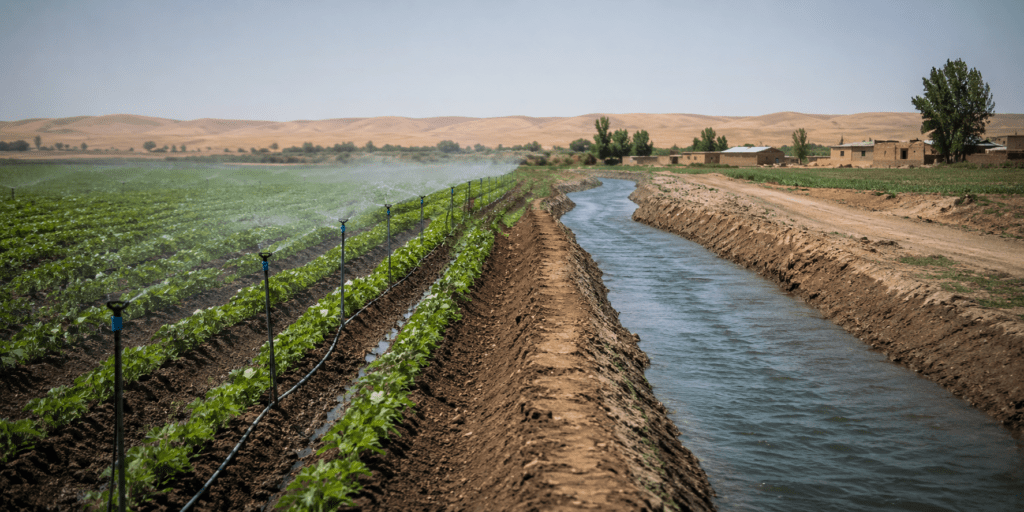
The agreement outlines plans for modernizing hydraulic infrastructure, reconstructing irrigation systems, and enhancing technical capacity through training programs and specialist exchanges. It also includes provisions for digitalization, investment in water conservation, and the efficient use of water resources. The cooperation extends to scientific research, hydrogeology, and the training of groundwater management specialists.
As part of the agreement, the fourth group of Kazakh water sector professionals is currently undergoing advanced training at Power China facilities. Since the beginning of 2025, 125 specialists from Kazakhstan have been trained in China, with another 200 expected to join the program in 2026. All training expenses are being covered by the Chinese side.
This follows the first-ever memorandum of understanding on water cooperation signed between the governments of Kazakhstan and China in March 2025. That agreement emphasized the rational and sustainable use of water resources, the adoption of modern technologies, alternative water sourcing, experience-sharing, and the joint training of water management personnel.
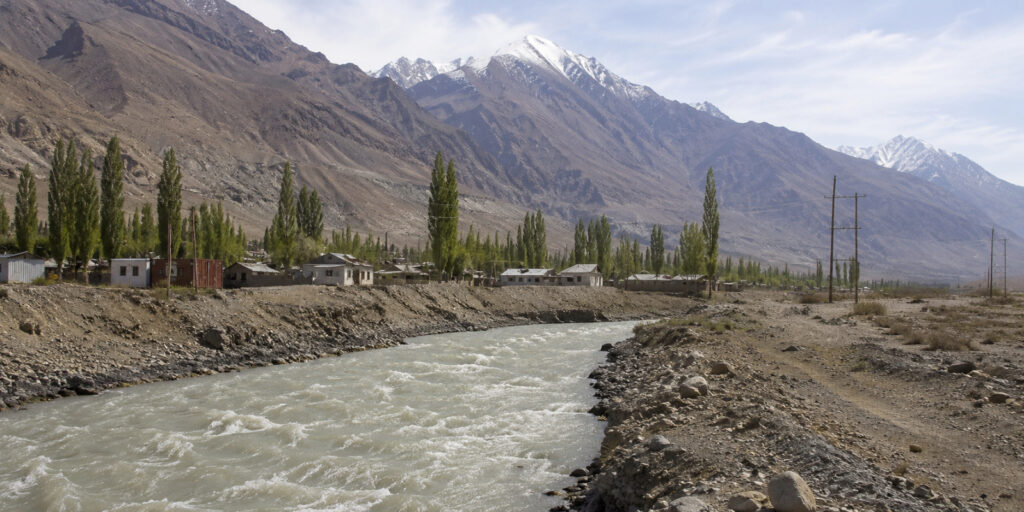
The collaboration is especially significant given the shared hydrological landscape: three of Kazakhstan’s major rivers, the Irtysh, Ili, and Emel, originate in China. In the first half of 2025, Kazakhstan received 10.2 billion cubic meters of water from China via these transboundary rivers, including 4.6 billion cubic meters from the Irtysh and 5.6 billion from the Ili.
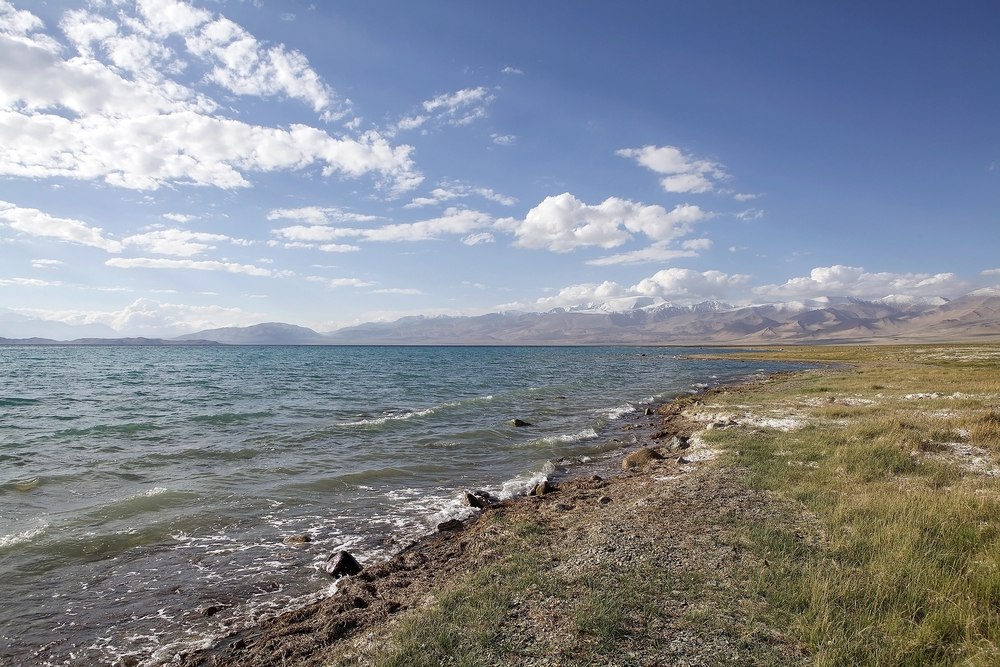
Increased inflow from the Ili River enabled the Kapchagay Reservoir in the Almaty region to reach full capacity for the second consecutive year. Since the beginning of 2025, some 8.52 billion cubic meters of water have been directed downstream to Lake Balkhash, raising its water level by an average of 32 centimeters in the first half of the year.
The Ili River alone contributes nearly 70% of Lake Balkhash’s total inflow, making it a critical source for maintaining the ecological balance of the region.