Glacier melt in Central Asia is becoming increasingly critical, posing risks to water resources, economic stability, and regional security. In response, countries in the region are strengthening coordination and launching new scientific and policy initiatives.
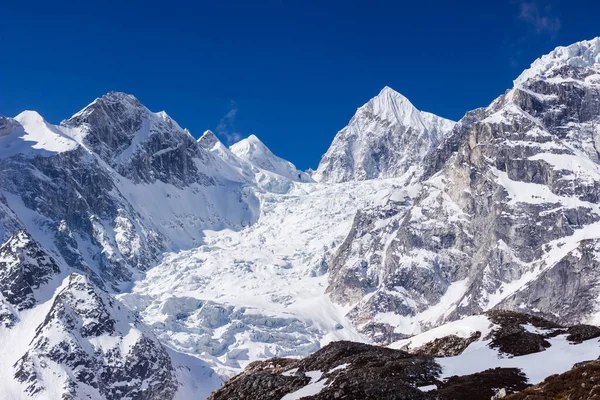
According to the UN, glaciers in the world’s mountainous regions are shrinking at an unprecedented rate. Rising temperatures are leading to a longer warm season and a shorter winter, accelerating the process of degradation.
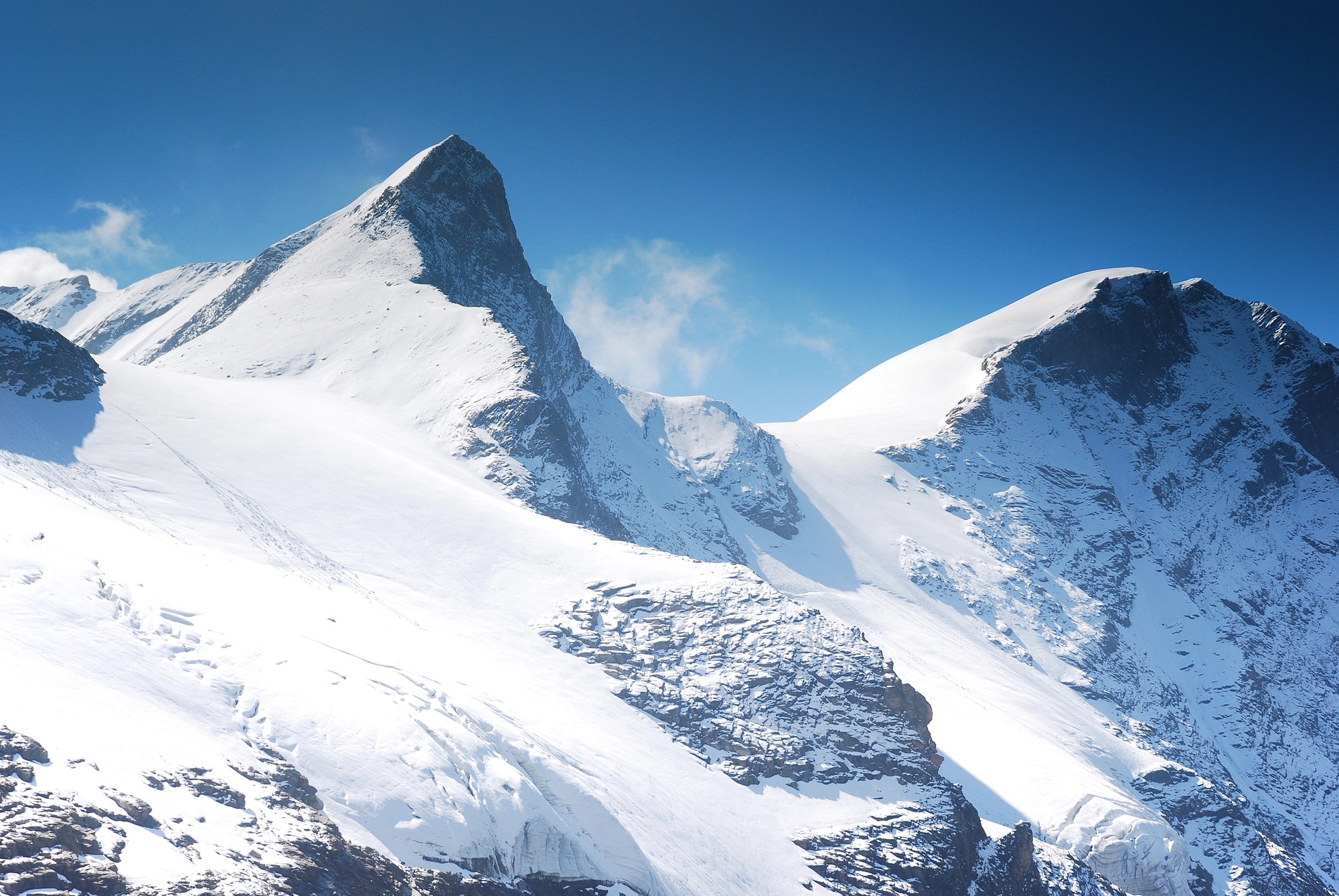
Glaciers remain a key element of the global water system: they account for about 70% of freshwater reserves, and nearly two billion people depend directly on these resources. In addition, they perform an important climatic function by reflecting solar radiation and limiting the warming of the Earth’s surface.
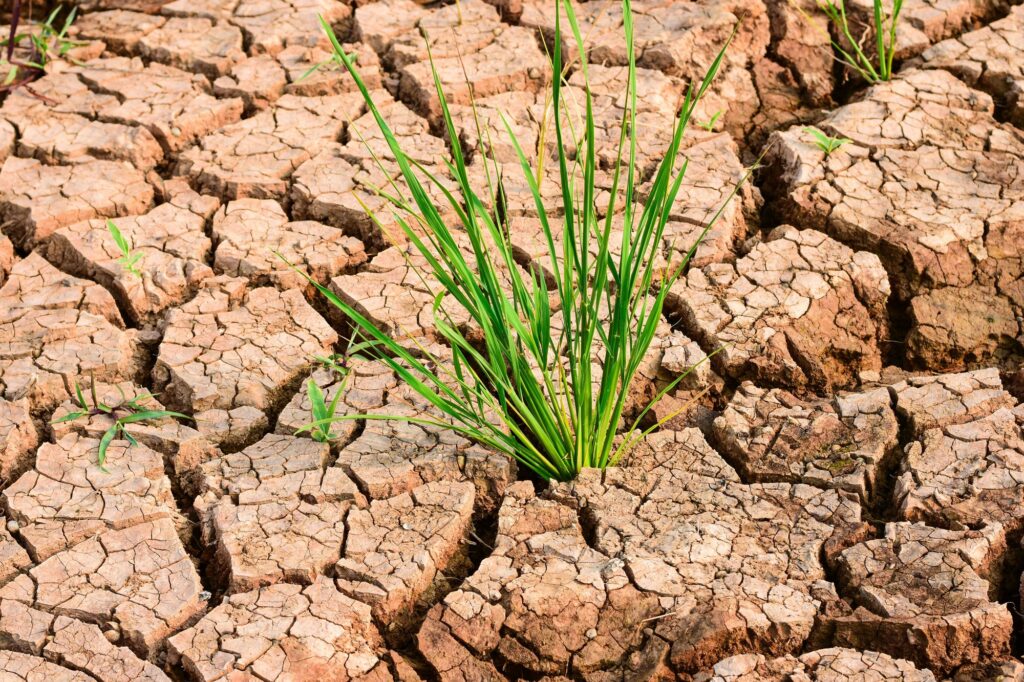
Central Asia is already facing the consequences of climate change. The region is under increasing pressure from rising temperatures, droughts, and dust storms.
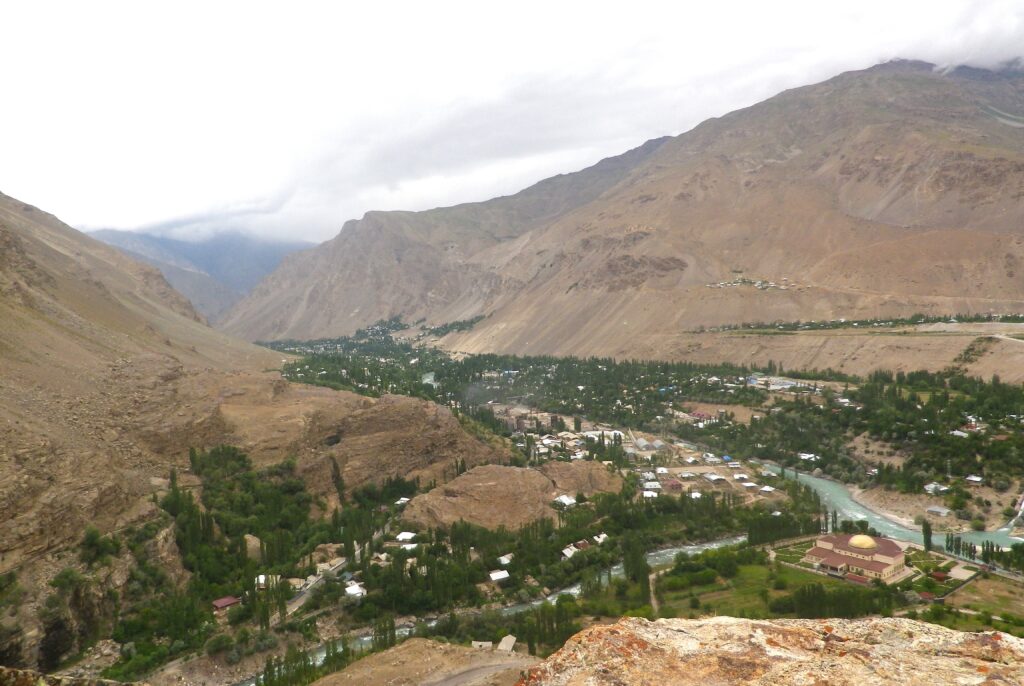
Tajikistan remains particularly vulnerable. According to President Emomali Rahmon, of the approximately 14,000 glaciers that the country once had, more than 1,000 have already disappeared, and their total volume has shrunk by nearly a third. Yet it is these glaciers that account for over 60% of the region’s water resources.
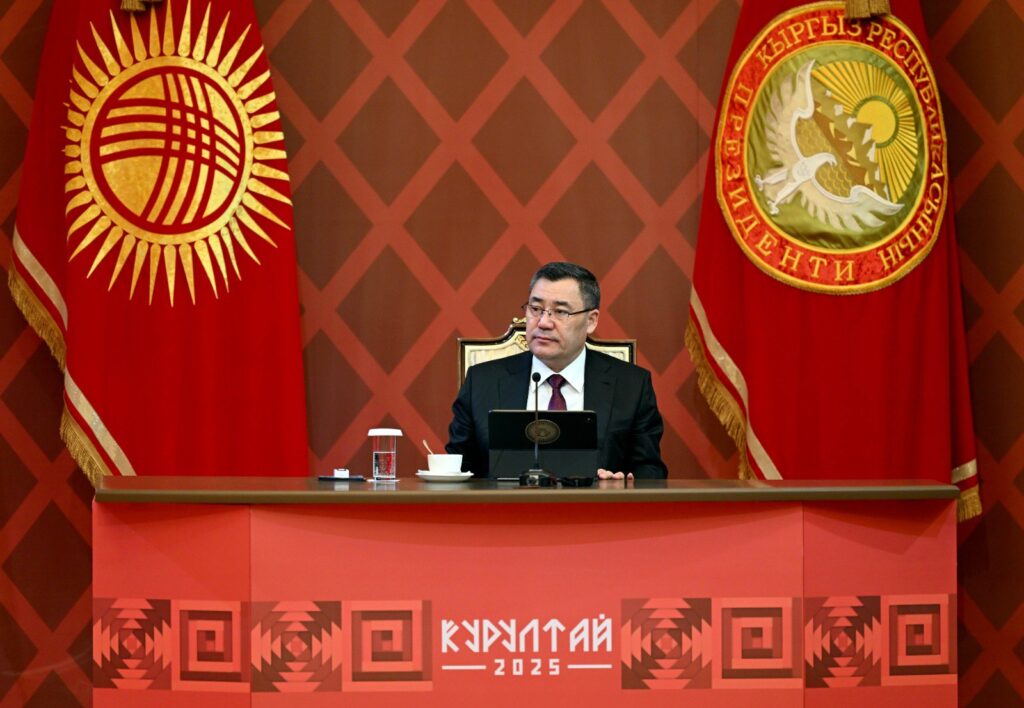
In Kyrgyzstan, the area of glaciers has decreased by approximately 16% over the past 50-70 years. President Sadyr Japarov previously warned that, if current trends continue, a significant portion of them could disappear by the end of the 21st century, posing a threat to millions of residents in the region.
In response to the growing crisis, at Tajikistan’s initiative, the UN General Assembly declared 2025 the International Year of Glacier Conservation. The official launch took place on March 21 in New York and coincided with the first World Glacier Day.
At an international conference in Dushanbe, the Dushanbe Declaration was adopted, expressing concern over the accelerated loss of glaciers, snow cover, and permafrost.
The document highlights the potentially “irreversible consequences” for ecosystems and the economy.
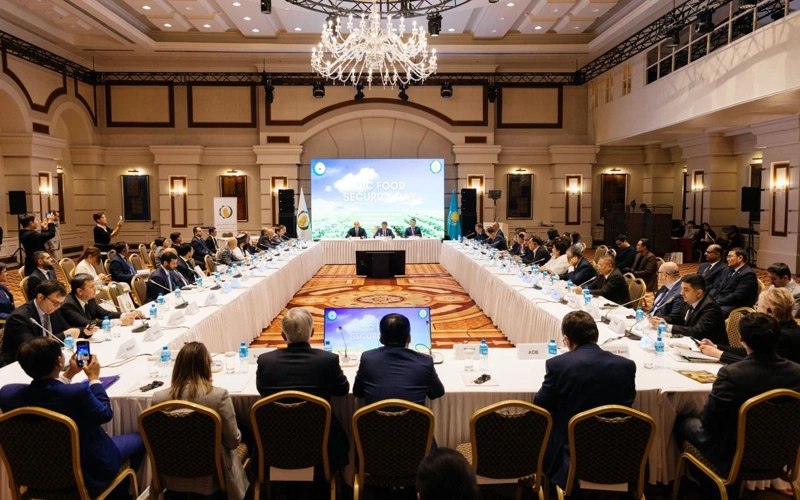
The five countries of Central Asia are also developing joint adaptation mechanisms. Key measures include monitoring the condition of glaciers, creating a unified regional registry, and coordinating water policy.