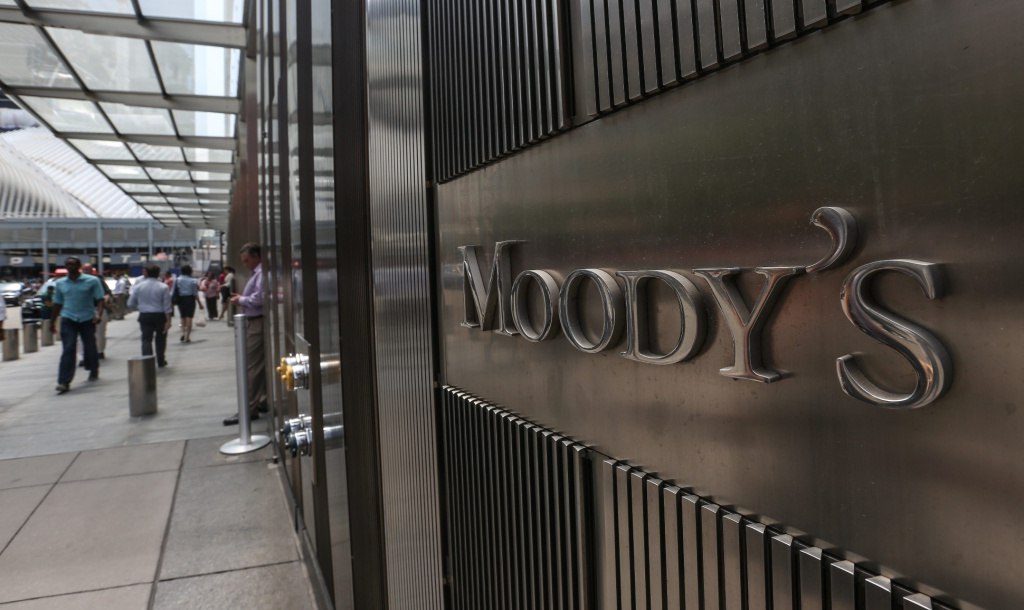
International rating agency Moody’s has upgraded Tajikistan’s long-term sovereign credit rating to B2 with a stable outlook, according to the National Bank of Tajikistan.
According to the financial regulator, Tajikistan has been cooperating with Moody’s since 2014, and the latest decision marks the first time the country’s sovereign rating has been raised to the B2 level.
The National Bank said the upgrade reflects the government’s ongoing economic reforms and policy measures aimed at strengthening the country’s financial system and macroeconomic stability.
Moody’s cited several factors behind the upgrade from B3 to B2, including sustained economic growth in recent years, improvements in fiscal management, and continued positive macroeconomic trends.
The agency also highlighted progress in structural reforms, reduced risks related to public debt, and improvements in public financial management.
The stable outlook indicates Moody’s expectation that Tajikistan will maintain prudent fiscal and monetary policies in the coming years.
A B2 sovereign rating signals moderate creditworthiness. This means that while the country is capable of meeting its financial obligations, certain economic and external risks remain.
Compared with the previous B3 rating, the upgrade reflects a stronger financial position and increased confidence from international financial markets.
The stable outlook also suggests that no major macroeconomic shocks are expected in the medium term and that economic risks are considered manageable.
Assessments by international rating agencies play an important role for countries seeking access to global financial markets.
First, sovereign credit ratings help investors and lenders evaluate a government’s ability to meet its financial obligations, which directly affects borrowing costs and loan conditions.
Second, a higher rating increases a country’s attractiveness to international investors. Global financial institutions often rely on such ratings when assessing investment risks, meaning improvements can help attract foreign capital.
Credit ratings are also viewed as indicators of economic stability and fiscal discipline, strengthening confidence in government policies among international partners and domestic market participants.
In addition, sovereign ratings influence external debt management and help governments raise financing for infrastructure and social development projects.
The Moody’s upgrade is not the only positive signal for Tajikistan’s economy.
Just a month earlier, another major international rating agency, Standard & Poor’s, improved the outlook on Tajikistan’s long-term sovereign credit rating from stable to positive while maintaining the rating at B.
Taken together, the assessments from two leading global rating agencies highlight improvements in Tajikistan’s macroeconomic conditions and point to stronger prospects for financial stability in the coming years.