Recent weeks in Tajikistan have seen new investment deals, changing trade dynamics, and interesting social developments. Here are some stories that you may have missed.
Energy investments pledged at Dushanbe Invest-2025
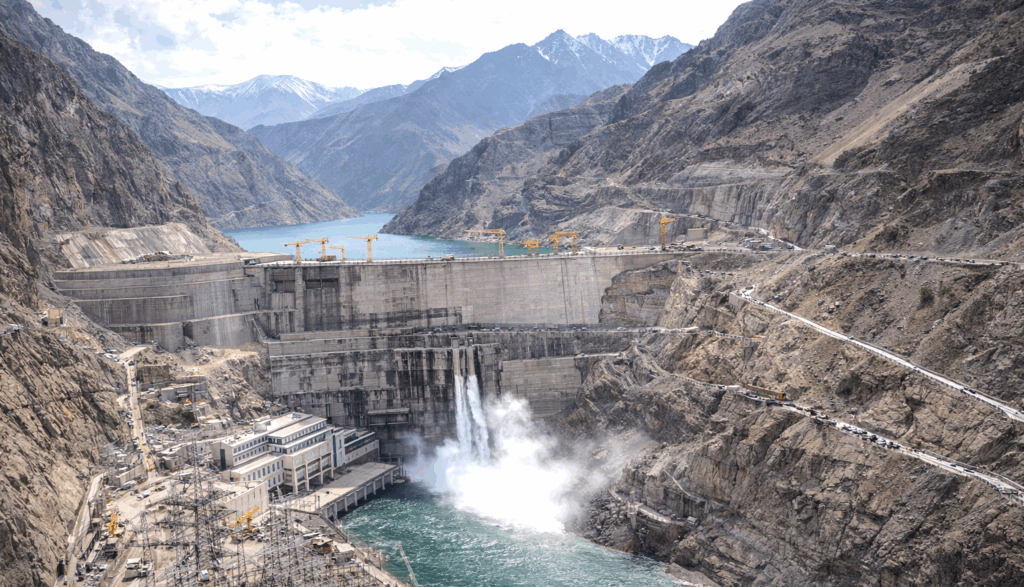
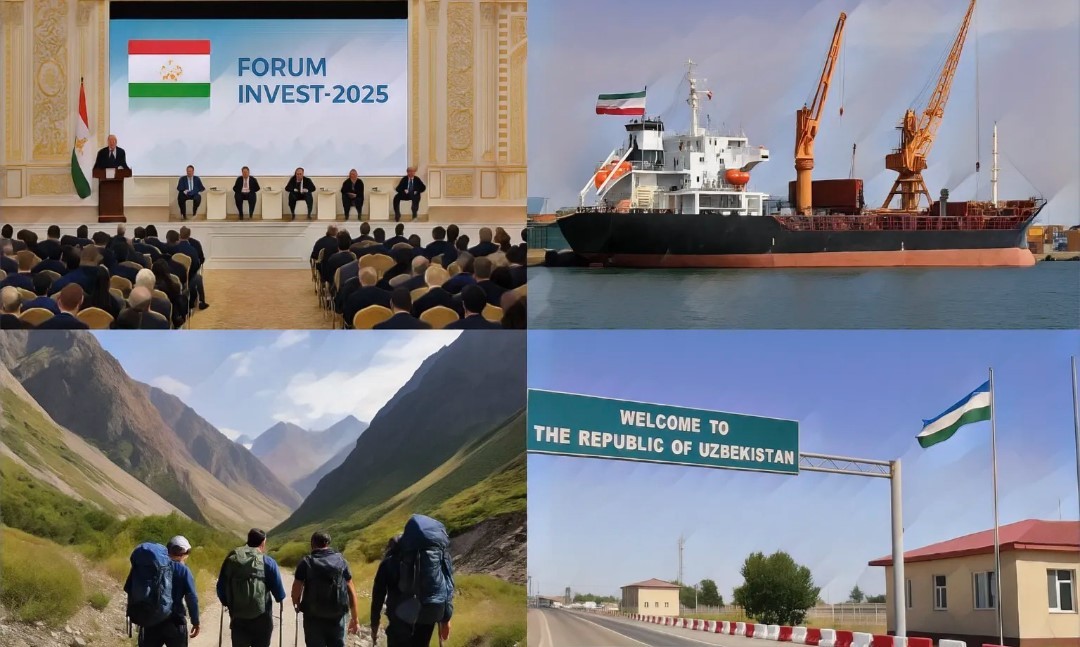
The Dushanbe Invest-2025 Forum resulted in 26 agreements worth roughly US $3.1 billion across the energy, manufacturing, and telecommunications sectors. Energy projects accounted for nearly US $2.4 billion of that total, reflecting Dushanbe’s aims to position itself as a hydropower hub for Central Asia.
Officials also promoted “green investment” and developments in AI, while President Emomali Rahmon met with Qatar’s minister for foreign trade to discuss economic cooperation. These moves signal a drive to attract sustainable finance, and diversify an economy that is still reliant on remittances from Tajik guest workers in Russia.
Growing trade with Iran and Uzbekistan
Regional trade expanded significantly in October. Tajikistan and Iran reaffirmed their intention to expand industrial and trade cooperation, with mutual turnover nearing $380 million in 2024 and a target to surpass $500 million in the near future. Agreements include joint ventures in mining, agriculture, and pharmaceuticals.
At the same time, trade between Tajikistan and Uzbekistan reached over $70o million in 2024 — an almost three-fold increase from recent years. The governments of the neighboring countries are now exploring logistics corridors and simplified customs rules to further integrate their economies.
Tourism boom: International visitors up by a quarter
With increased government support, tourism has become one of Tajikistan’s most promising growth sectors. During the first nine months of 2025, the country received nearly 1.4 million foreign visitors — a 24 percent increase compared with previous years. The influx of tourists is driven by new simplified visa rules, social media campaigns, and improved domestic air routes. Adventure travel in the Pamir Mountains and cultural tourism in ancient cities such as Khujand and Istaravshan are leading this wave.
Sharp decline in UK trade
New figures show that trade between Tajikistan and the United Kingdom fell by almost 39 percent in the four quarters ending Q2 2025, totaling just £22 million. Imports from the UK dropped 32 percent, while exports from Tajikistan plunged 62.5 percent, according to the UK trade factsheet.
Landmark border agreement ratified
In late October, Uzbekistan’s parliament approved a trilateral border-junction agreement with Tajikistan and Kyrgyzstan, resolving a long-standing territorial issue. The agreement should ease cross-border trade and transportation, reduce tensions in remote areas, and open the door to regional infrastructure projects linking the three countries.
For Tajikistan, which has some of Central Asia’s most complex borders, the agreement represents a diplomatic milestone that could translate into tangible economic gains.
Looking ahead
The last month’s events highlight that Tajikistan is cautiously re-entering international dialogue in Central Asia and beyond. Tajikistan’s leadership is using investment forums, tourism, and pragmatic diplomacy to stabilize and diversify the economy. Yet challenges remain, chiefly the country’s heavy economic dependence on remittances, vulnerability to climate-related shocks, and limited industrial capacity.