• KGS/USD = 0.01144 0%
  • KZT/USD = 0.00196 -0%
  • TJS/USD = 0.10899 -0%
  • UZS/USD = 0.00008 -0%
  • TMT/USD = 0.28490 0%
  • KGS/USD = 0.01144 0%
  • KZT/USD = 0.00196 -0%
  • TJS/USD = 0.10899 -0%
  • UZS/USD = 0.00008 -0%
  • TMT/USD = 0.28490 0%
  • KGS/USD = 0.01144 0%
  • KZT/USD = 0.00196 -0%
  • TJS/USD = 0.10899 -0%
  • UZS/USD = 0.00008 -0%
  • TMT/USD = 0.28490 0%
  • KGS/USD = 0.01144 0%
  • KZT/USD = 0.00196 -0%
  • TJS/USD = 0.10899 -0%
  • UZS/USD = 0.00008 -0%
  • TMT/USD = 0.28490 0%
  • KGS/USD = 0.01144 0%
  • KZT/USD = 0.00196 -0%
  • TJS/USD = 0.10899 -0%
  • UZS/USD = 0.00008 -0%
  • TMT/USD = 0.28490 0%
  • KGS/USD = 0.01144 0%
  • KZT/USD = 0.00196 -0%
  • TJS/USD = 0.10899 -0%
  • UZS/USD = 0.00008 -0%
  • TMT/USD = 0.28490 0%
  • KGS/USD = 0.01144 0%
  • KZT/USD = 0.00196 -0%
  • TJS/USD = 0.10899 -0%
  • UZS/USD = 0.00008 -0%
  • TMT/USD = 0.28490 0%
  • KGS/USD = 0.01144 0%
  • KZT/USD = 0.00196 -0%
  • TJS/USD = 0.10899 -0%
  • UZS/USD = 0.00008 -0%
  • TMT/USD = 0.28490 0%
08 December 2025

Communities in Uzbekistan and Turkmenistan Demand World Bank Investigation into Rogun HPP

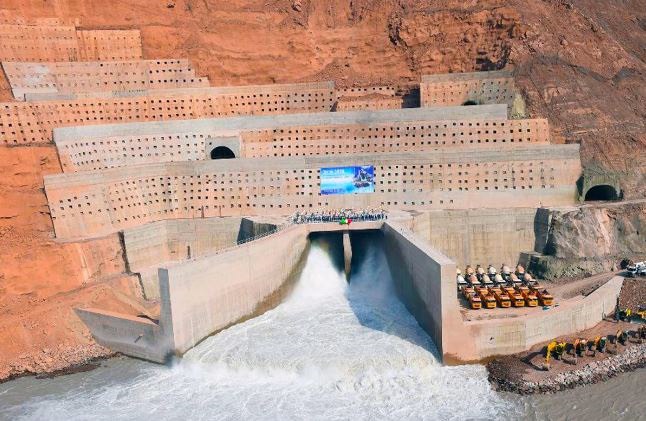
The World Bank’s Inspection Panel has agreed to formally investigate the World Bank’s involvement in the Rogun Hydropower Project (HPP) in Tajikistan, following a complaint filed on behalf of communities living downstream on the Amu Darya River in Uzbekistan and Turkmenistan.

The complaint, submitted by the international environmental coalition Rivers without Boundaries, raises serious concerns about the project’s environmental and social impacts. The group claims the World Bank approved funding for the project based on outdated and incomplete assessments, failing to adequately consider risks to local ecosystems and communities.

At the heart of the issue is the potential impact of filling the Rogun reservoir, which could reduce water flow to the Amu Darya delta by 25% or more. Experts warn this could accelerate desertification, increase soil salinity, and threaten the livelihoods and health of up to 10 million people in Uzbekistan and Turkmenistan.

Particularly vulnerable are the region’s rare tugai forests, including the Tigrovaya Balka Reserve, which was inscribed on UNESCO’s World Heritage List in 2023. The dam’s construction also endangers local aquatic species, such as the critically endangered Amu Darya false shovelnose sturgeon.

“This investigation is a crucial step,” said Yevgeny Simonov, international coordinator of Rivers without Boundaries. “The Rogun project in its current form is a massive threat to the environment and to millions of people in Central Asia. The World Bank must adhere to its own environmental and social safeguards.”

Activists also criticized the lack of public consultation in Uzbekistan and Turkmenistan, where affected communities were allegedly not informed in their native languages, Uzbek, Karakalpak, or Turkmen and where access to key documents was limited. Several complainants reportedly requested anonymity, citing fear of retaliation, which reflects the challenging environment for civic participation in the region.

“People living in the lower Amu Darya basin have already suffered for decades due to poor water management and the drying of the Aral Sea. The Rogun project could be the final blow,” said Manana Kochladze of CEE Bankwatch Network. “There has been no serious dialogue with those whose lives depend on this river, which contradicts the basic principles of transparency and participation.”

In 2023, environmental groups submitted proposed modifications to align the Rogun project with international standards, including cheaper and safer alternatives. However, the World Bank has yet to respond. Rivers without Boundaries alleges that the project violates multiple Bank policies, including those on environmental assessment, biodiversity protection, resource efficiency, dam safety, community engagement, and resettlement.

The coalition is now urging the World Bank and other financiers to pause funding until a comprehensive, independent, and transparent investigation is completed and until meaningful steps are taken to prevent further harm to both people and nature.
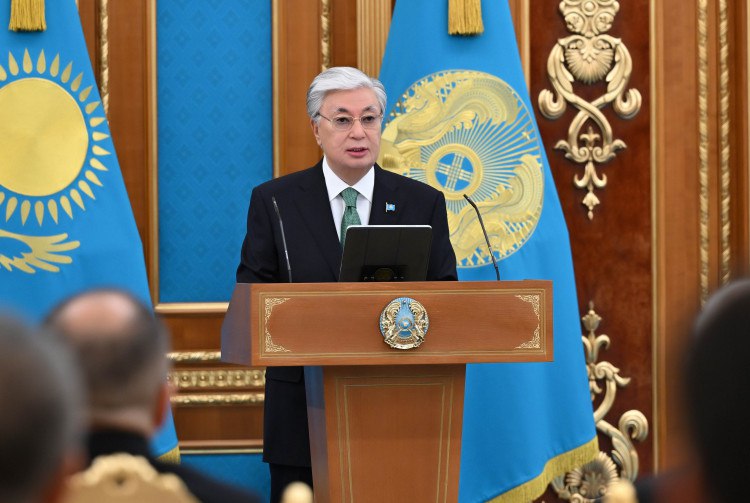

President Tokayev: Kazakhstan Prepared for Global Market Turbulence

Kazakh President Kassym-Jomart Tokayev has stated that Kazakhstan is prepared to confront the consequences of what he described as one of the most severe global economic crises in recent decades. Speaking at a meeting with the country’s scientific community, Tokayev emphasized that while the international environment is turbulent, there is no reason for panic, noting that Kazakhstan has prior experience in navigating such challenges.

“Due to the onset of a ‘tariff war of all against all,’ we are witnessing the breakdown of production and trade chains, the collapse of markets, and heightened volatility in raw material prices. These developments will inevitably affect all nations, including Kazakhstan,” Tokayev warned.

Despite these external shocks, he assured that the country will stay the course on its development agenda. All priority infrastructure projects, he confirmed, will continue to receive full financing and will be implemented as planned.

In light of growing global uncertainty, Tokayev underlined the fierce competition for investment that lies ahead. “We need to be in very good shape. We must be ready for all scenarios. We must act pragmatically and confidently. Crises are beneficial in that they reveal the presence or absence of managerial talent and give rise to new opportunities,” the president stated.

A day earlier, Tokayev had convened a meeting with key figures from the government’s economic and financial sectors to assess the situation following a steep decline in global prices for energy resources and essential commodities.

As previously reported by The Times of Central Asia, Kazakhstan’s economy has recently received a temporary boost thanks to increased demand and rising prices for several key exports. This trend followed the U.S. suspension of additional tariffs on various countries, including Kazakhstan.

Russian Foreign Minister Sergey Lavrov: Kazakhstan Is Our Ally and Partner

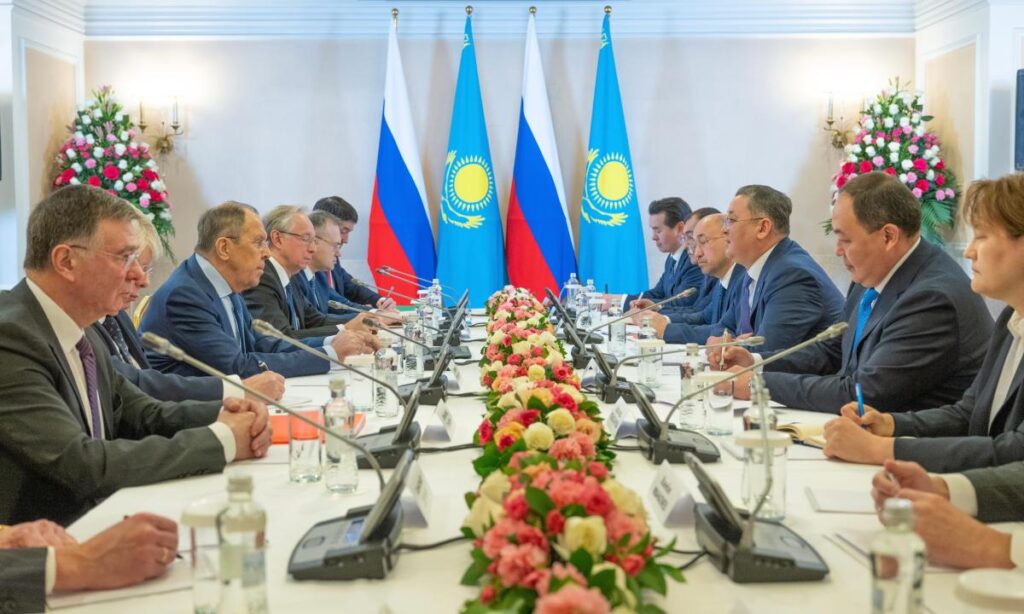
Russian Foreign Minister Sergey Lavrov arrived in Almaty this week to participate in two significant diplomatic events: a meeting of the CIS Council of Foreign Ministers and the eighth gathering of foreign ministers from Russia and Central Asia.

On April 10, Lavrov held a bilateral meeting with Kazakh Foreign Minister Murat Nurtleu, during which both sides reviewed the implementation of earlier high-level agreements and discussed expanding cooperation in political, economic, and humanitarian spheres.

“Maintaining the high dynamics of political dialogue and the consistent implementation of the agreements reached remain priorities in our bilateral cooperation. This is the direction set by our presidents,” Nurtleu stated.

Lavrov, for his part, emphasized the depth of the strategic partnership between the two countries: “Kazakhstan is our reliable ally and neighbor. We traditionally support each other both at the bilateral level and on the international stage.”

The foreign ministers also gave particular attention to strengthening trade and economic ties.

On April 11, Lavrov will participate in a CIS Council of Foreign Ministers meeting. According to Russian Foreign Ministry Spokeswoman Maria Zakharova, the ministers will discuss major international and regional issues, including preparations for the 80th anniversary of Victory in the Great Patriotic War, and matters related to cultural and humanitarian cooperation, as well as border security.

Later that day, Lavrov is expected to take part in the eighth meeting of foreign ministers of Russia and Central Asian states, Kazakhstan, Kyrgyzstan, Tajikistan, Turkmenistan, and Uzbekistan. The agenda includes political and economic priorities, joint humanitarian initiatives, and measures aimed at enhancing regional stability. Discussions will also focus on global challenges, particularly the coordination of security efforts in Central Asia.

Lavrov’s last visit to Kazakhstan was in November 2024, as part of preparations for President Vladimir Putin’s official visit to the country.

Earlier, in 2023, Foreign Minister Nurtleu had met Lavrov in Moscow, highlighting the ongoing diplomatic engagement between the two nations.

German Company to Mine and Process Lithium in East Kazakhstan

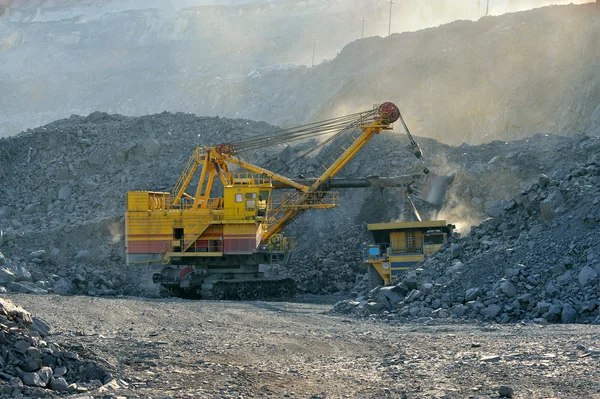
Two new industrial facilities dedicated to the mining and processing of lithium are set to be established in the Ulan district of East Kazakhstan Region by 2029. The announcement was made by Nurymbet Saktaganov, akim of East Kazakhstan Region, who noted that plans are underway for the construction of a mining and processing plant, as well as a pegmatite ore processing facility.

$500 Million Investment from Germany

The project will be implemented with the participation of HMS Bergbau AG, a German mining company that plans to invest $500 million into the development of a lithium deposit discovered in 2023. The initiative will include both the extraction of raw materials and the production of lithium oxide concentrate, a product in high demand across the global high-tech sector.

Germany’s interest in Kazakhstan’s rare earth resources was discussed during a September 2023 meeting between President Kassym-Jomart Tokayev and Dennis Schwindt, Chairman of the Board of HMS Bergbau AG.

Tokayev reaffirmed Kazakhstan’s openness to foreign investment and emphasized the country’s intention to become a key player in the supply of strategic raw materials. He highlighted lithium’s growing importance in modern industry, particularly for renewable energy and high-tech manufacturing.

Operating in the USA, Singapore, South Africa, Poland, and several other markets, HMS Bergbau AG is considered a major independent force in the global solid minerals sector. Its new facility in East Kazakhstan will serve as a vital link in the international lithium supply chain, amid rising global demand driven by electric vehicles, portable electronics, and energy storage systems.

$15.7 Billion Discovery by South Korean Researchers

In a parallel development, researchers from the Korea Institute of Geosciences and Mineral Resources (KIGAM) announced in 2024 the discovery of a lithium deposit in East Kazakhstan valued at approximately $15.7 billion.

Spanning 1.6 square kilometers, the site was previously mined for tantalum. The research, commissioned by the Kazakh government, was based on geological data indicating frequent co-location of lithium, cesium, and tantalum deposits.

“KIGAM has been studying the area since last May at the request of the Kazakh government, given that tantalum usually comes with lithium and cesium,” The Korea Times reported.

Lithium: A Cornerstone of the New Economy

Globally recognized as one of the most critical and scarce elements, lithium is essential for producing lithium-ion batteries that power everything from smartphones and laptops to electric cars and grid-scale energy storage systems.

Kazakhstan’s efforts to harness its lithium reserves in East Kazakhstan are expected to boost the country’s role in the global energy transition and significantly enhance investment opportunities in the region.

Kyrgyzstan Launches New IT Hub in Bishkek

On April 10, the Technopark IT hub officially opened in Bishkek, marking a significant milestone in the development of Kyrgyzstan’s fast-growing tech sector.

Spanning 14,000 square meters and designed to accommodate 1,500 jobs, the new hub was built with private investments totaling 2 billion KGS (more than $22 million). The facility serves as a center for digital innovation, entrepreneurship, and creative collaboration, featuring office spaces, co-working areas, conference rooms, and a professional podcast recording studio.

Current residents of the IT hub include some of Kyrgyzstan’s largest online services for trade, employment, real estate, and cryptocurrency exchange platforms.

The opening ceremony was attended by President Sadyr Japarov, who was welcomed by BilimBot, a Kyrgyz-speaking robot developed by local programmers.

In his remarks, Japarov highlighted the central role of digitalization and technology in modern economic development.

“Today, the world is undergoing rapid changes. The development of countries no longer depends only on natural resources. In the past, the global economy was dominated by countries rich in minerals or with access to the sea. Now, these factors are no longer decisive. We live in the digital age. The ability to use knowledge and technology as resources that can compete with natural ones has come to the fore,” he said.

The president also discussed legislative reforms aimed at fostering Kyrgyzstan’s IT landscape. In 2023, Japarov signed amendments to the Law on the High Technology Park of the Kyrgyz Republic, which extended its preferential tax regime indefinitely, a move designed to attract both local and international tech companies.

Established in 2011, the High Technology Park (HTP) was created to stimulate IT business development by offering substantial tax relief to companies exporting digital goods and services. Previously, tax exemptions were set for a 15-year term expiring in 2026. Under the new legislation, these tax benefits are now permanent.

Resident companies of the HTP enjoy exemptions from sales tax, profit tax, and value-added tax (VAT). Employees benefit from a reduced income tax rate of 5%, and the social insurance tax is fixed at 12% of the average monthly wage.

The IT sector is now one of Kyrgyzstan’s most dynamic industries. In 2021, the government created the Ministry of Digital Development to lead efforts in e-government services and to expand digital access across the country.

Kazakhstan Advances Water Sector Reform at High-Level Coordination Meeting

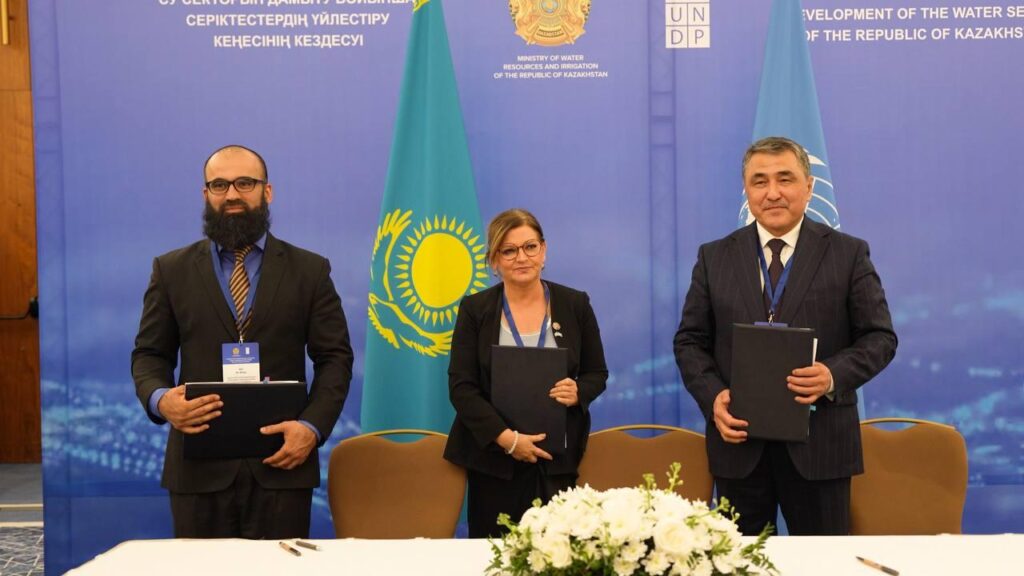
On April 10, the Coordination Council of Partners for the Development of the Water Sector of Kazakhstan held its second official meeting in Astana, co-chaired by Nurzhan Nurzhigitov, Kazakhstan’s Minister of Water Resources and Irrigation, and Katarzyna Wawiernia, United Nations Development Programme (UNDP) Resident Representative in Kazakhstan.

The Council, which first convened on September 30, 2024, comprises the Ministry of Water Resources and Irrigation, the UNDP, and more than 30 international partners, including financial institutions and global development organizations.

At the meeting, participants reviewed the Council’s work over the past six months and discussed strategic priorities for sustainable water management. A key topic was the 2024-2030 Partnership Water Initiative, adopted in September 2024, which outlines long-term goals for resilience and innovation in the sector.

Nurzhigitov discussed the Council’s role in forging productive cross-sector partnerships.

“In just six months, we’ve reached concrete agreements and launched new projects with partner countries, development institutions, financial organizations, and major companies. The Ministry has signed three agreements and sixteen memorandums with international partners from the Netherlands, France, Germany, Spain, the USA, Israel, China, the Islamic Development Bank, the Eurasian Development Bank, the International Bank for Reconstruction and Development, and UNDP,” he said.

New Agreements Signed at the Meeting

Five new cooperation agreements were concluded during the session:

  • The Ministry signed a communiqué with Spain’s Xcalibur Smart Mapping to carry out underground water resource mapping in western Kazakhstan
  • A Statement of Intent was signed with the Islamic Development Bank and UNDP to bolster the technical capacity of Kazakhstan’s water sector, with a focus on digitalization, flood forecasting, climate resilience, and policy development
  • An agreement between the Ministry’s Information and Analytical Center for Water Resources and the Eurasian Development Bank established a grant to develop a National Water Resources Information System by 2026. The project aims to increase transparency, efficiency, and equity in water distribution
  • Kazvodkhoz, the Ministry’s national enterprise, signed a communiqué with PowerChina International to expand cooperation, including training seminars in China for Kazakhstani specialists (the first group of 30 participants is already attending a two-week program)
  • Kazvodkhoz also signed a memorandum of cooperation with Primus Capital Almaty LLP, aimed at developing small hydropower plants at national water facilities

A Long-Term Challenge

Kazakhstan has long faced serious water-related challenges from the shrinking Aral Sea, driven by reduced transboundary river flows, to destructive spring floods and chronic irrigation shortages in the southern regions. These challenges highlight the urgency of coordinated, international engagement and innovation in water governance.