• KGS/USD = 0.01143 -0%
  • KZT/USD = 0.00192 -0%
  • TJS/USD = 0.10820 0.19%
  • UZS/USD = 0.00008 0%
  • TMT/USD = 0.28575 0%
  • KGS/USD = 0.01143 -0%
  • KZT/USD = 0.00192 -0%
  • TJS/USD = 0.10820 0.19%
  • UZS/USD = 0.00008 0%
  • TMT/USD = 0.28575 0%
  • KGS/USD = 0.01143 -0%
  • KZT/USD = 0.00192 -0%
  • TJS/USD = 0.10820 0.19%
  • UZS/USD = 0.00008 0%
  • TMT/USD = 0.28575 0%
  • KGS/USD = 0.01143 -0%
  • KZT/USD = 0.00192 -0%
  • TJS/USD = 0.10820 0.19%
  • UZS/USD = 0.00008 0%
  • TMT/USD = 0.28575 0%
  • KGS/USD = 0.01143 -0%
  • KZT/USD = 0.00192 -0%
  • TJS/USD = 0.10820 0.19%
  • UZS/USD = 0.00008 0%
  • TMT/USD = 0.28575 0%
  • KGS/USD = 0.01143 -0%
  • KZT/USD = 0.00192 -0%
  • TJS/USD = 0.10820 0.19%
  • UZS/USD = 0.00008 0%
  • TMT/USD = 0.28575 0%
  • KGS/USD = 0.01143 -0%
  • KZT/USD = 0.00192 -0%
  • TJS/USD = 0.10820 0.19%
  • UZS/USD = 0.00008 0%
  • TMT/USD = 0.28575 0%
  • KGS/USD = 0.01143 -0%
  • KZT/USD = 0.00192 -0%
  • TJS/USD = 0.10820 0.19%
  • UZS/USD = 0.00008 0%
  • TMT/USD = 0.28575 0%
13 December 2025

Kyrgyzstan Simplifies Entry Rules for Foreign Citizens

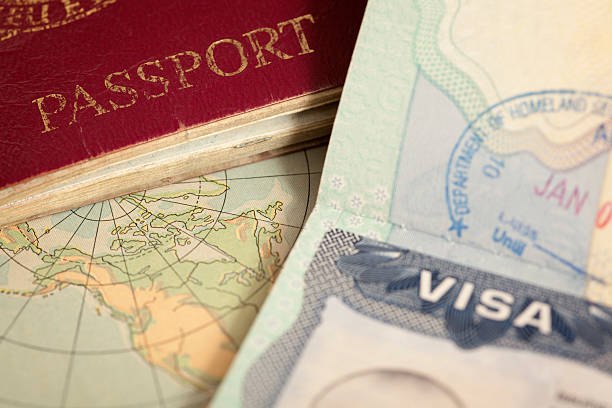
Kyrgyzstan has introduced significant changes to its visa policy, eliminating several visa categories, including business, tourist, and mountain tourism visas, as part of efforts to improve its investment climate and boost tourism. These visas will now be replaced with a streamlined system centered around a new “Sapar visa”, which can be issued within 24 hours of application.

According to the Ministry of Foreign Affairs, the Sapar visa will be available to foreign citizens traveling to Kyrgyzstan for business, tourism, or private purposes, such as visiting friends or undergoing medical examinations. The visa allows stays of up to 90 days and offers both single-entry and multiple-entry options. The changes will take effect on January 22, 2025, with applications submitted through the government’s Electronic Visa portal.

The e-visa portal, launched five years ago, was developed to simplify the visa application process, particularly for tourists and investors. The system is user-friendly, requiring only an internet connection, a credit or debit card for payment, and scanned copies of necessary documents.

By modernizing its visa policies and making the process faster and more accessible, Kyrgyzstan hopes to attract more foreign investors and tourists, bolstering economic growth. The government’s approach reflects a commitment to removing bureaucratic hurdles and positioning the country as an attractive destination for both business and leisure travel.

Kazakhstan Increases Water Levels in North Aral Sea by 42%

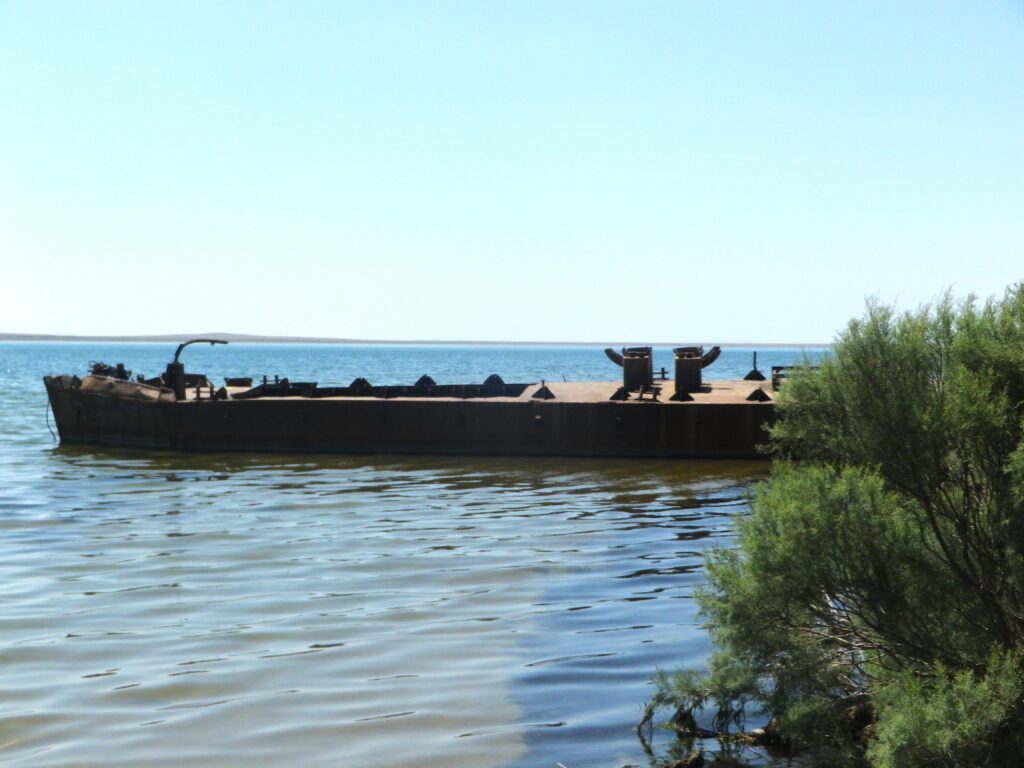
Kazakhstan’s efforts to restore the North Aral Sea have yielded significant results, with the water volume increasing by 42% to 27 billion cubic meters. The salinity of the sea has decreased nearly fourfold, and annual fish catches have risen to 8,000 tons. These achievements were highlighted by Minister of Water Resources and Irrigation Nurzhan Nurzhigitov during a meeting with residents of the Aral district in the Kyzylorda region on January 13.

The North Aral Sea restoration project, initiated in response to the catastrophic shrinkage of the Aral Sea, focuses on the portion of the sea fed by the Syr Darya River. The North Aral Sea separated from the South Aral Sea in 1987-1988 due to declining water levels caused by extensive water diversion for agriculture.

During the meeting, Nurzhigitov discussed plans for the second phase of the project, which aims to:

  • Further increase water levels in the North Aral Sea;
  • Improve water accumulation and management;
  • Expand fisheries and promote ecotourism;
  • Enhance the region’s overall ecological health.

In 2024, Kazakhstan directed approximately 2.6 billion cubic meters of water into the Aral Sea, a dramatic increase compared to 816 million cubic meters in 2022.

Nurzhigitov attributed the project’s success to the efficient distribution of water from the transboundary Syr Darya River, achieved through close cooperation with upstream countries. “These figures are the result of systematic work over the past two years. We [Kazakhstan] have reached a mutual understanding with neighboring countries on the conservation and fair distribution of water resources in transboundary rivers,” Nurzhigitov said.

The minister emphasized that the project’s ultimate goal is to improve the region’s ecology, boost fisheries and tourism, and enhance the quality of life for local communities.

The restoration of the North Aral Sea has become a symbol of Kazakhstan’s commitment to addressing ecological challenges while fostering sustainable development. By prioritizing cooperation with regional partners and implementing systematic water management strategies, the initiative offers hope for reversing decades of environmental degradation and improving economic opportunities for communities in the region.

World Bank Urges Reforms to Unlock Uzbekistan’s Service Sector Potential

The World Bank has published a report analyzing Uzbekistan’s service sector, underscoring its critical role in driving economic growth and creating jobs. In 2023, the service sector accounted for 43.9% of the country’s GDP, solidifying its position as the main pillar of the Uzbek economy, ahead of industry, agriculture, and construction. The sector has also become a key source of employment, compensating for the long-term decline in agricultural jobs since independence.

Since 2017, Uzbekistan has implemented market reforms that have spurred sustainable economic growth, averaging 5.5% annually. In 2023, the service sector alone contributed to a 6.3% rise in GDP. However, structural transformation has lagged, with the sector’s share of GDP increasing only modestly – from 41% in 2010 to 44% in 2022. The report highlights challenges such as a concentration of low-skilled jobs in retail, hospitality, and transport, while high-productivity and innovation-driven services, such as ICT and professional services, remain underdeveloped, comprising just 4% of service-sector employment.

To unlock the sector’s full potential, the World Bank report identifies three key priorities -connectivity, contestability, and capabilities (3Cs). Improving physical and digital infrastructure is critical, as Uzbekistan ranks 88th globally on logistics performance indicators. While 4G/LTE coverage is expanding, it has yet to achieve universal accessibility. Additionally, market liberalization is essential, as restrictions on cross-border services and state monopolies in sectors like telecommunications hinder competition and innovation.

The World Bank recommends a range of reforms, including investing in infrastructure, liberalizing markets, easing data localization requirements, and expanding professional education programs such as One Million Uzbek Coders. These initiatives, combined with Uzbekistan’s anticipated accession to the World Trade Organization (WTO), could significantly boost the economy. The report projects that these reforms could increase GDP by 17%, stimulate growth in the financial, communications, and insurance sectors, and support the development of small and medium-sized industries.

Market liberalization, in particular, promises substantial economic benefits, including higher wages and enhanced global competitiveness. By addressing these challenges, Uzbekistan can position its service sector as a key driver of sustainable growth and long-term prosperity.

Two Dead, One Injured in Hostage Situation in Kazakhstan

A hostage situation in the Kazakh city of Aktobe on January 13 has left two people dead and a young woman seriously injured. The events unfolded around 8pm when police received a report of a man breaking into a private residence and taking a young woman hostage.

Emergency services promptly arrived at the scene, cordoning off the area. According to the press service of the Aktobe Region Police Department, both the department chief and the city prosecutor were present and personally led negotiations with the suspect.

Authorities revealed that the suspect was previously acquainted with the hostage. However, the man made no demands during the standoff. After three hours of failed negotiations, law enforcement decided to storm the house. The operation resulted in the successful arrest of the suspect and the rescue of the hostage.

Tragically, the woman’s elderly parents were discovered in the cellar during the inspection of the house. Both had sustained stab wounds. The 67-year-old mother succumbed to her injuries while en route to the hospital, and the 75-year-old stepfather died during emergency surgery.

The rescued hostage also sustained serious injuries, including slash wounds to her head and hands. She remains hospitalized in critical condition and is receiving both medical and psychological care.

A criminal case has been opened in connection with the incident. The suspect is currently being held in a temporary detention center as investigations continue.

Authorities have not disclosed further details about the attacker’s motives, leaving the community in shock as they mourn the loss of two lives and hope for the recovery of the injured woman.

Kyrgyzstan Gears Toward Self-Sufficiency in Medication

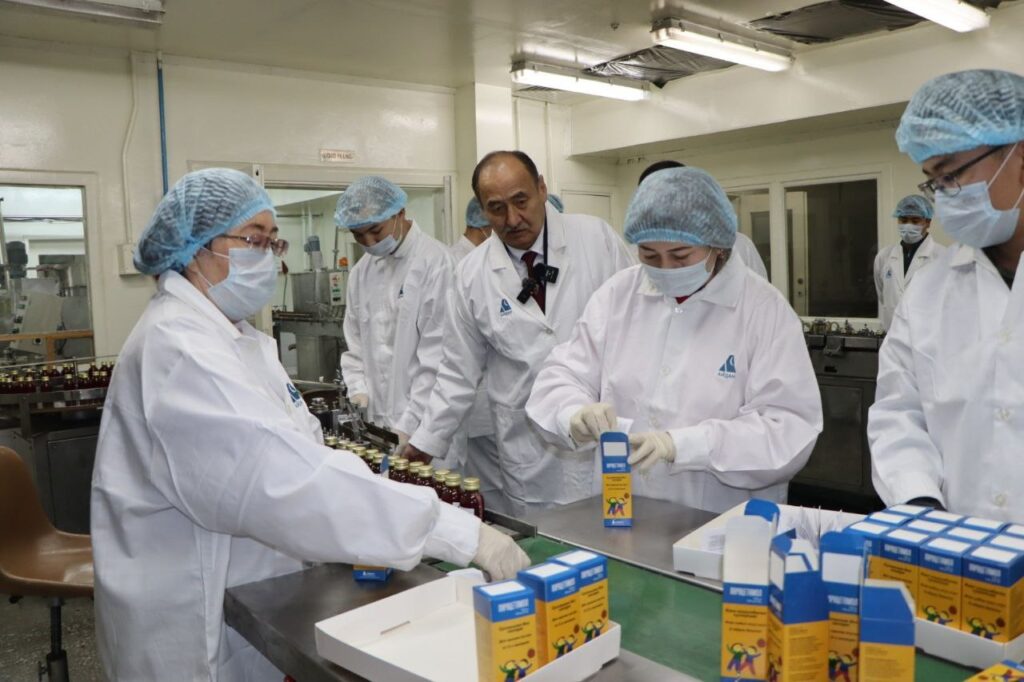
Kyrgyzstan has taken a significant step toward reducing its dependence on imported pharmaceuticals with the launch of domestic medicine production at the Aidan Pharma pharmaceutical plant. The facility has begun manufacturing its first batch of essential medications, including:

  • Paracetamol (suspensions and tablets);
  • Ibuprofen (suspensions);
  • Acetylsalicylic acid (tablets); and
  • Acyclovir (tablets).

The plant has the capacity to produce up to 10,000 packages of each of these medicines per day, offering an important boost to the country’s pharmaceutical industry.

In late 2023, Aidan Pharma began producing medical ethyl alcohol, which is now supplied to state hospitals and pharmacies. During a visit to the plant on January 10, Health Minister Alymkadyr Beishenaliev announced plans to expand the plant’s product range to 100 items by the end of this year. He also revealed that the company intends to begin exporting its products in the future.

“The plant’s products meet quality standards and have a low production cost, making them more affordable compared to imported medicines,” Beishenaliev noted.

The Kyrgyz government has prioritized reducing the country’s reliance on imported medications. In December 2024, the Cabinet of Ministers approved an investment agreement for a Kyrgyz-Chinese pharmaceutical project led by Standard Pharm Group. This initiative will focus on packaging pharmaceuticals and constructing a new pharmaceutical plant in Kyrgyzstan.

The project, which will be implemented in two stages over five years, is expected to attract over $41 million in investment. According to Minister of Economy and Commerce Bakyt Sydykov, the plant will manufacture a range of medicines, including:

  • Nutritional infusions;
  • Antibacterial, anti-inflammatory, and antipyretic medications;
  • Analgesics;
  • Hypoglycemic treatments; and
  • Gastrointestinal drugs.

Most of these medicines are included in Kyrgyzstan’s List of Vital Medicines, a critical inventory of essential pharmaceuticals that are currently not produced domestically.

The development of Kyrgyzstan’s pharmaceutical industry marks a critical shift toward self-sufficiency in healthcare. By expanding domestic production, the government aims to make essential medications more accessible and affordable for its population while fostering economic growth through investment and exports.

Kazakhstan Named Most Promising Destination for Chinese Travelers

Kazakhstan has affirmed its credentials as a tourist destination for Chinese travelers, receiving the award for “Most Promising New Destination of 2025” from Tongcheng Travel, China’s largest online travel agency.

Demand for travel to Kazakhstan surged by 300% year-on-year in 2024, according to Tongcheng. This growth trend is expected to continue in 2025, fueled in part by the Year of Kazakhstan Tourism in China. During this campaign, the number of tourists from China increased by 78%, reaching 655,000 visitors. Kazakhstan’s natural diversity, historical landmarks, and rich cultural heritage have proven to be major draws for Chinese travelers.

“We have recorded a two-fold increase in the number of tourists from China and intend to maintain this positive dynamic. Our cooperation with leading Chinese platforms will expand,” said Kairat Sadvakasov, Chairman of Kazakh Tourism.

Kazakhstan’s appeal as a tourist destination extends beyond China. Western travel journalists have also acknowledged the country’s potential. The British publication Lonely Planet included Kazakhstan in its list of the best travel destinations for 2024, whilst CNN Travel named Almaty as one of the top tourist destinations for 2025.

These accolades reflect Kazakhstan’s efforts to establish itself as a major global tourism hub, leveraging its unique natural beauty and cultural heritage to attract visitors from around the world.

Kazakhstan’s recognition by Tongcheng Travel underscores its growing reputation in the Chinese market, which has immense potential given the scale of outbound tourism from China. By fostering partnerships with major Chinese platforms and continuing to promote its diverse offerings, Kazakhstan is poised to solidify its position as a leading destination for travelers in the region.