
• KGS/USD = 0.01144 0%
  • KZT/USD = 0.00211 0%
  • TJS/USD = 0.10432 -0.29%
  • UZS/USD = 0.00008 0%
  • TMT/USD = 0.28571 0.28%
  • KGS/USD = 0.01144 0%
  • KZT/USD = 0.00211 0%
  • TJS/USD = 0.10432 -0.29%
  • UZS/USD = 0.00008 0%
  • TMT/USD = 0.28571 0.28%
  • KGS/USD = 0.01144 0%
  • KZT/USD = 0.00211 0%
  • TJS/USD = 0.10432 -0.29%
  • UZS/USD = 0.00008 0%
  • TMT/USD = 0.28571 0.28%
  • KGS/USD = 0.01144 0%
  • KZT/USD = 0.00211 0%
  • TJS/USD = 0.10432 -0.29%
  • UZS/USD = 0.00008 0%
  • TMT/USD = 0.28571 0.28%
  • KGS/USD = 0.01144 0%
  • KZT/USD = 0.00211 0%
  • TJS/USD = 0.10432 -0.29%
  • UZS/USD = 0.00008 0%
  • TMT/USD = 0.28571 0.28%
  • KGS/USD = 0.01144 0%
  • KZT/USD = 0.00211 0%
  • TJS/USD = 0.10432 -0.29%
  • UZS/USD = 0.00008 0%
  • TMT/USD = 0.28571 0.28%
  • KGS/USD = 0.01144 0%
  • KZT/USD = 0.00211 0%
  • TJS/USD = 0.10432 -0.29%
  • UZS/USD = 0.00008 0%
  • TMT/USD = 0.28571 0.28%
  • KGS/USD = 0.01144 0%
  • KZT/USD = 0.00211 0%
  • TJS/USD = 0.10432 -0.29%
  • UZS/USD = 0.00008 0%
  • TMT/USD = 0.28571 0.28%

From Uzbekistan to St. Petersburg: An International Student’s Journey Through Challenges and Change

Five years ago, Dilshot moved from Uzbekistan to St. Petersburg to pursue higher education. Like many international students, he faced challenges adapting, cultural differences, and other unexpected difficulties. The Times of Central Asia spoke with Dilshot to learn how his life in Russia has unfolded, what obstacles he encountered, and why his future in the city has taken an unexpected turn.

TCA: Why did you choose to study in St. Petersburg? What factors influenced your decision?

Dilshot: After finishing school in Uzbekistan, I decided to continue my education in Russia, specifically in St. Petersburg. First of all, I believed that Russia provided high-quality education, especially in IT, where it is ahead of other CIS countries. Additionally, at that time there was no war, and I never expected the situation to take such a turn.

The pandemic also played a role. Since entrance exams were conducted online, it became easier to apply. Moreover, Russian universities offered many state-funded places, and I was fortunate enough to receive a scholarship. While Uzbekistan has good universities, particularly in Tashkent, tuition fees were high, and I couldn’t find a suitable program in my field. Moving to a new city and country was exciting and I was full of hope, but the reality turned out to be more complicated.

TCA: How would you describe the atmosphere at the university and among students?

Dilshot: The university had a relatively open and multicultural environment, which helped with adaptation. Many students were supportive, regardless of nationality. However, stereotypes still existed. Occasionally, I heard remarks like, “What are you doing here? Go work at a construction site.” Kazakh students were often mistaken for Chinese without people even bothering to ask about their nationality.

For students from CIS countries who spoke Russian, adaptation was easier. Professors and students generally considered us as “their own”, though with some reservations. However, foreign students, particularly from China, faced a different attitude. Some professors showed impatience if a student struggled to express themselves in Russian. In dormitories, tensions arose; Chinese students were sometimes mocked over minor disputes, whereas CIS students were treated with more understanding.

TCA: Did you experience prejudice from your professors?

Dilshot: Some professors viewed me through the lens of stereotypes, making me feel isolated. While I didn’t face direct discrimination, there were moments when my knowledge was questioned, or my achievements were met with unnecessary surprise.

One instance stands out: a lecturer made a point of noting where students were from. I happened to excel in his subject, but I still don’t understand why he felt the need to keep track of our nationalities. On a few occasions, I received high grades with remarks like, “Wow, you speak Russian so well!” Of course, I wasn’t going to complain about good grades, but it made me feel uncomfortable as if my achievements were being measured against lower expectations.

TCA: Did participating in student activities help you integrate?

Dilshot: Yes, I got involved in student projects and activities early on. This helped break down preconceived notions and allowed me to interact with other students in a more natural way. It made adaptation easier and helped build friendships.

TCA: Is there an Uzbek community in St. Petersburg?

Dilshot: Yes, and it played a significant role in my life. Through the Uzbek diaspora, I never missed celebrating Nowruz and other national holidays. These events reminded me of home and provided a support system. I made many friends who helped me through difficult moments.

TCA: What challenges did you face when you first arrived in Russia?

Dilshot: One of the biggest hurdles was obtaining a propiska (residence registration), even though I was in the country legally. The process required extensive paperwork, and the medical examination, which must be taken annually, was particularly exhausting.

To complete the medical check, I had to stand in line for hours, sometimes from morning until late at night. Every year the bureaucratic requirements changed forcing me to redo documents constantly.

Visiting the MFC (Multifunctional Center for State Services) was always stressful. The long queues and rude staff made it clear that we weren’t seen as people, just as paperwork to process.

Additionally, I often faced suspicion from older Russians. In the metro, security frequently singled me out for searches. People over the age of 40 often gave me strange looks. It puzzled me; after all, we were once part of the same country. I don’t understand where this chauvinism comes from.

TCA: How difficult was it to find housing in St. Petersburg?

Dilshot: Finding accommodation was one of the biggest challenges. Many landlords refused to rent to foreigners due to stereotypes or fear of potential issues. I frequently came across ads specifying, “Only for people of Slavic appearance.”

In the end, I had to rely on personal connections or seek help from the Uzbek community. This often meant living in overcrowded apartments with other compatriots or paying inflated rent. Initially, I lived in a hostel, but after two years, I managed to move into a private apartment. Fortunately, I haven’t had problems with housing since.

TCA: You arrived in St. Petersburg before the war. How did the war in Ukraine affect your experience in Russia?

Dilshot: When the war started, I was terrified. Even the pandemic didn’t feel as shocking as this. I remember sitting in my dorm, reading the news, unable to believe that such a thing could happen in the 21st century. My first instinct was to leave. However, since I’d already completed a year of study, I decided to stay and finish my degree.

Inside Russia, daily life continued as usual despite the sanctions. But what deeply affected me were the stories from my Russian friends: one had a brother sent to the front, and another’s father was drafted. These were no longer abstract news stories; they were real people I knew.

As time passed, I began to feel uncomfortable, even ashamed when speaking with people outside Russia. No one blamed me directly, but the internal discomfort grew. Over the past few years, there have been events that changed my perception: terrorist attacks, protests, arrests of activists, and the recent death of Alexei Navalny. My family in Uzbekistan also worried about my safety here.

I hope the war ends soon. It’s horrifying to watch the news and see so many lives destroyed. I have always loved St. Petersburg for its beauty, culture, and history. But in recent years, the atmosphere has changed, there is more fear, more tension.

Given my liberal views, I avoid discussing politics openly as the risks are too high. These experiences have led me to a decision: I plan to leave. I want to live in a place where I feel free and don’t have to fear for my future.

TCA: How do you stay connected with family and friends in Uzbekistan?

Dilshot: Staying in touch with my family and friends has been crucial. Social media and messaging apps allow me to keep up with their lives, share my experiences, and stay connected. I also attend Uzbek cultural events, which help me maintain ties to home.

TCA: What has helped you overcome challenges and move forward?

Dilshot: Despite everything, I’ve grown to love St. Petersburg. Its cultural life and educational opportunities are incredible. University gave me valuable knowledge and friendships that I cherish. These connections have been my greatest support.

TCA: What advice would you give to other international students facing similar difficulties?

Dilshot: My journey in St. Petersburg has been filled with both hardships and achievements. Overcoming bureaucratic barriers, social stereotypes, and personal struggles, I found my place in this city, at least for a time.

I hope my story encourages other international students, showing them that despite the obstacles, success is possible.
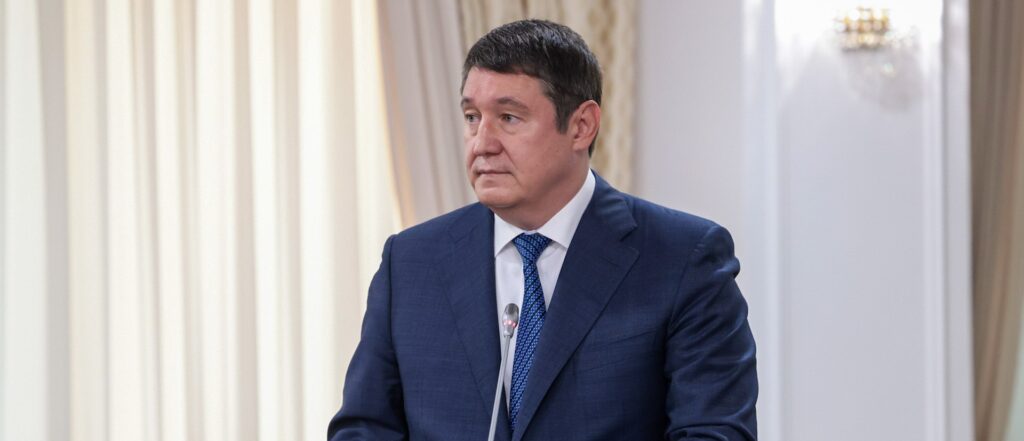

Former Energy Minister to Lead Kazakhstan’s New Nuclear Energy Agency

Kazakh President Kassym-Jomart Tokayev has signed a decree establishing the Atomic Energy Agency, a new government body that will report directly to the head of state. The decision, announced on March 18, is part of broader efforts to improve the country’s public administration system.

The new agency will oversee uranium mining, the use of atomic energy, radiation safety, and the management of the Semipalatinsk nuclear safety zone. Previously, these responsibilities fell under the Ministry of Energy. Along with its functions, the agency will also inherit its first leader from the ministry: Almasadam Satkaliyev, who has been appointed as its head after being relieved of his role as energy minister.

Satkaliyev has held key positions in Kazakhstan’s energy sector, including serving as vice president for economics at KazTransOil, head of the Kazakhstan Electricity Grid Management Company (KEGOC), and chairman of Samruk-Energo. Since 2023, he has led the Ministry of Energy, where he played a central role in preparing for a national referendum on nuclear power plant construction and negotiating with potential suppliers from Russia, China, South Korea, and France.

As head of the new agency, Satkaliyev is expected to work closely with the presidential administration on drafting regulations and structuring the agency’s operations. His successor at the Ministry of Energy is Yerlan Akkenzhenov, who previously served as deputy energy minister and has experience within the national oil company KazMunayGas.

Tokayev first announced plans to establish the Atomic Energy Agency just days ago during a meeting of the National Kurultai (Assembly), as reported previously by The Times of Central Asia.

EU and EBRD to Fund Irrigation Improvements in Kyrgyzstan

On March 17, European Commissioner for International Partnerships Jozef Síkela arrived in Kyrgyzstan, where he met with President Sadyr Japarov to discuss bilateral cooperation and sustainable development initiatives.

During the meeting, Japarov emphasized the importance of strengthening trade, economic, and investment ties between Kyrgyzstan and the European Union (EU).

“We highly appreciate the ongoing support of the European Union in carrying out democratic reforms and developing a stable and sustainable state in Kyrgyzstan,” Japarov stated.

He also proposed expanding cooperation in areas such as green initiatives, early warning systems for natural disasters, low-carbon development, and the transition to renewable energy sources.

Japarov highlighted Kyrgyzstan’s role in global environmental advocacy, recalling that the United Nations (UN) had declared 2023-2027 as the “Five Years of Action for the Development of Mountain Regions” at Kyrgyzstan’s initiative. He invited the EU to become a donor for the country’s roadmap for sustainable development in mountain regions, citing shared environmental challenges such as glacier preservation, ecosystem protection, and sustainable growth.

EU and EBRD Commit to Infrastructure Development

Commissioner Síkela reaffirmed the EU’s commitment to regional integration and connectivity between Central Asia and Europe, highlighting Kyrgyzstan’s renewable energy potential.

“Kyrgyzstan has huge potential in the field of renewable energy, and the EU is ready to support projects that bring sustainable and long-term benefits to the region and realize this potential,” Síkela stated.

Following their discussions, Japarov and Síkela oversaw the signing of a financial agreement between the Kyrgyz government, the EU, and the European Bank for Reconstruction and Development (EBRD). The agreement launches a major irrigation improvement program in Kyrgyzstan, aimed at enhancing water management and sustainability.

Financial Commitments and Infrastructure Projects

A financial package of up to €37.96 million will support critical irrigation infrastructure upgrades in Kyrgyzstan’s Jalalabad and Naryn regions. This funding includes:

  • €26.93 million in an EBRD sovereign loan
  • €1.03 million in an EBRD grant
  • €10 million in an EU grant

The investment will finance improvements to water intakes, pumping stations, main canals, and distribution networks, with the goal of reducing water losses, cutting electricity consumption, and lowering CO₂ emissions​.

Additionally, the EBRD and EU will fund the reconstruction and automation of a section of the Western Great Chui Canal in northern Kyrgyzstan​.

A separate financial package of €23.8 million has been allocated under the EBRD’s Regional Integrated Water Resources Management Framework for Kyrgyzstan and Tajikistan, approved by the EBRD’s Board of Directors in 2024. This package consists of:

  • €15.23 million in an EBRD sovereign loan
  • €5 million in an EBRD grant
  • €3.6 million in an EU grant

These investments are expected to modernize Kyrgyzstan’s irrigation systems, enhance water resource management, and improve agricultural sustainability.

The EU and EBRD’s latest financial commitments to Kyrgyzstan’s irrigation and water management infrastructure highlight growing cooperation between Europe and Central Asia. These projects aim to increase agricultural productivity, enhance climate resilience, and promote sustainable development in the region.

Kyrgyzstan on the Threshold of an Aging Population: Government Develops Active Longevity Program

Kyrgyzstan is approaching a demographic milestone as the proportion of elderly citizens grows. In response to this shift, the Ministry of Labor, Social Security, and Migration has developed the State Program of Active Longevity for 2025-2030, which has been submitted for public discussion.

Demographic Trends and Projections

According to the National Statistical Committee, Kyrgyzstan’s population at the beginning of 2024 stood at 7.162 million. Of this, 407,800 citizens (5.7%) were aged 65 and older. The United Nations (UN) classification considers a country to be “on the threshold of old age” when this age group comprises between 4% and 7% of the population. Once it exceeds 7%, the country is categorized as having an aging population.

Forecasts suggest that by 2030, Kyrgyzstan’s 65+ population will be close to this threshold, and by 2050, it may reach 19%, while the proportion of children is expected to decline from 33% to 22%.

Challenges of an Aging Society

As the population ages, Kyrgyzstan faces several challenges, including:

  • Declining workforce: A shrinking number of working-age citizens may place economic strain on the labor market.
  • Increased demographic burden: Fewer workers supporting a growing elderly population could impact productivity and economic growth.
  • Rising social security and healthcare costs: Increased demand for pensions, medical services, and elderly care will require policy adjustments.
  • Labor market adaptation: Strategies will be needed to integrate older workers and extend their economic participation.
  • Strengthening intergenerational ties: Social policies may need to promote solidarity between younger and older generations.

The State Program of Active Longevity

The State Program of Active Longevity (2025-2030) aims to establish strategic policies to enhance the quality of life for older citizens. The document outlines three key focus areas:

  1. Encouraging Active Aging: Initiatives to promote employment, volunteering, and social engagement among older adults.
  2. Ensuring Health and Social Well-being: Expanding access to healthcare, preventive medicine, and social support services.
  3. Creating Conditions for a Dignified Life in Old Age: Enhancing pension security, housing, and accessibility infrastructure for elderly citizens.

With Kyrgyzstan on the cusp of demographic aging, long-term planning and policy reforms will be essential to ensure social and economic stability in the years ahead.

Kazakhstan Proposes Privatization of Two Major Oil Refineries

Kazakhstan’s Agency for Protection and Development of Competition (AZRC) has proposed the partial privatization of the Atyrau and Pavlodar oil refineries. According to Rustam Akhmetov, the agency’s first deputy chairman, the proposal involves selling 50% of the state’s stake in these assets.

Current Refinery Ownership Structure

Kazakhstan operates three major oil refineries, located in:

  • Pavlodar (northeast)
  • Atyrau (west)
  • Shymkent (southern region)

The Pavlodar refinery is fully owned by KazMunayGas Refining and Marketing JSC, a subsidiary of the state-owned KazMunayGas (KMG). Similarly, the Atyrau refinery is 100% state-owned through KMG. In contrast, the Shymkent refinery operates under a 50-50 joint venture between KMG and China National Petroleum Corporation (CNPC) through PetroKazakhstan Group.

Shymkent as a Model for Privatization

AZRC cites the Shymkent refinery as the most efficiently operated among the three. “We see a successful example in Shymkent, where 50% is owned by the private sector. Most importantly, private management means fewer government officials in operational roles. As a result, there are significantly fewer accidents, fewer technological failures, and less downtime for repairs. This confirms that private sector management is more effective,” Akhmetov told reporters on the sidelines of Parliament.

He also noted that preliminary discussions on privatization have already taken place within the government.

Oil Refining in 2024

According to the Ministry of Energy, Kazakhstan is expected to refine 17.9 million tons of oil in 2024, yielding 14.5 million tons of oil products. The three main refineries processed similar volumes in the previous year:

  • Shymkent refinery
    • 5.74 million tons of oil processed
    • 2.09 million tons of motor gasoline
    • 1.78 million tons of diesel fuel
    • 319,000 tons of jet fuel
    • 335,000 tons of liquefied petroleum gas
  • Atyrau refinery
    • 5.5 million tons of oil processed
    • 1.6 million tons of gasoline
    • 1.6 million tons of diesel fuel
    • 188,000 tons of jet fuel
    • 213,000 tons of autogas
  • Pavlodar refinery
    • 5.5 million tons of oil processed
    • 1.6 million tons of gasoline
    • 1.8 million tons of diesel fuel
    • 236,000 tons of jet fuel
    • 321,000 tons of liquefied petroleum gas

In addition to these major refineries, more than two dozen mini-refineries across Kazakhstan contribute to oil processing.

Privatization of Other Key Sectors

Akhmetov also revealed that AZRC has recommended the privatization of most municipal utilities in the housing and communal services (HCS) sector, including heat and power plants. Additionally, the agency, in coordination with sectoral government bodies, has agreed to privatize a significant portion of the defense-industrial complex, including firms handling government contracts.

However, some strategically important enterprises will remain under state control. Akhmetov did not specify which companies would be exempt from privatization.

As The Times of Central Asia previously reported, Kazakhstan plans to establish a major defense industry hub at Semey’s tank repair plant, the only such facility in Central Asia.

New Kyrgyz Investment Zone to Operate Under English Law

On March 17, Kyrgyzstan’s president Sadyr Japarov signed a decree titled “On Measures to Establish a Special Investment Territory with a Special Legal Regime in the Issyk-Kul Region and an Independent International Center for Dispute Resolution Using English Law”​.

Boosting Investment Appeal

The initiative aims to enhance Kyrgyzstan’s attractiveness to foreign investors by providing a more predictable and internationally recognized legal framework for business operations. The decree directs the Cabinet of Ministers to take the necessary steps for implementation, including the potential involvement of international consultants and legal experts in the development of the special investment zone and dispute resolution center.

Adopting English Common Law for Dispute Resolution

On March 11, Adylbek Kasymaliyev, Chairman of the Cabinet of Ministers, met with British Ambassador Nicholas Bowler and a group of international legal consultants to discuss adopting English common law principles for handling investment disputes in Kyrgyzstan​.

English common law, which is based on judicial precedents rather than codified statutes, is widely used in international commerce and financial centers such as London, Dubai, and Singapore. Supporters argue that its introduction in Kyrgyzstan could increase investor confidence by offering a more stable and predictable legal environment.

Legal Experts Express Skepticism

Despite the government’s enthusiasm, some legal experts remain skeptical about the feasibility of incorporating English common law elements into Kyrgyzstan’s legal system. Critics point to potential challenges, including compatibility with existing Kyrgyz laws, the need for specialized legal training, and whether the judiciary can effectively apply a mixed legal framework​.

The establishment of a special investment territory in Issyk-Kul and an independent dispute resolution center represents a bold step toward legal modernization in Kyrgyzstan. While the adoption of English common law principles could improve investor confidence, the success of the initiative will depend on effective implementation, legal harmonization, and investor reception.