• KGS/USD = 0.01143 -0%
  • KZT/USD = 0.00192 -0%
  • TJS/USD = 0.10820 0.19%
  • UZS/USD = 0.00008 0%
  • TMT/USD = 0.28575 0%
  • KGS/USD = 0.01143 -0%
  • KZT/USD = 0.00192 -0%
  • TJS/USD = 0.10820 0.19%
  • UZS/USD = 0.00008 0%
  • TMT/USD = 0.28575 0%
  • KGS/USD = 0.01143 -0%
  • KZT/USD = 0.00192 -0%
  • TJS/USD = 0.10820 0.19%
  • UZS/USD = 0.00008 0%
  • TMT/USD = 0.28575 0%
  • KGS/USD = 0.01143 -0%
  • KZT/USD = 0.00192 -0%
  • TJS/USD = 0.10820 0.19%
  • UZS/USD = 0.00008 0%
  • TMT/USD = 0.28575 0%
  • KGS/USD = 0.01143 -0%
  • KZT/USD = 0.00192 -0%
  • TJS/USD = 0.10820 0.19%
  • UZS/USD = 0.00008 0%
  • TMT/USD = 0.28575 0%
  • KGS/USD = 0.01143 -0%
  • KZT/USD = 0.00192 -0%
  • TJS/USD = 0.10820 0.19%
  • UZS/USD = 0.00008 0%
  • TMT/USD = 0.28575 0%
  • KGS/USD = 0.01143 -0%
  • KZT/USD = 0.00192 -0%
  • TJS/USD = 0.10820 0.19%
  • UZS/USD = 0.00008 0%
  • TMT/USD = 0.28575 0%
  • KGS/USD = 0.01143 -0%
  • KZT/USD = 0.00192 -0%
  • TJS/USD = 0.10820 0.19%
  • UZS/USD = 0.00008 0%
  • TMT/USD = 0.28575 0%
14 December 2025

Kazakhstan’s Return to Nuclear Power: TCA in Association with American Foreign Policy Council Hosts Inaugural Burgut Expert Talk

On October 6 of this year, the people of Kazakhstan participated in a referendum to decide whether nuclear power should become a part of their daily lives, or whether the haunting legacy of atomic testing would continue to limit the country’s progress in this area. The official preliminary results, released on October 7, showed that 71.12% of participants agreed to the construction of a nuclear power plant in Kazakhstan with a voter turnout of 63.66%.

President Tokayev’s goal in holding a referendum was to ensure that arguments in favor of nuclear energy were compelling, and that citizens, scientists, and government officials were involved in the decision-making process. Tokayev has since suggested that an “international consortium made up of global companies equipped with cutting-edge technologies” should be involved in the project.

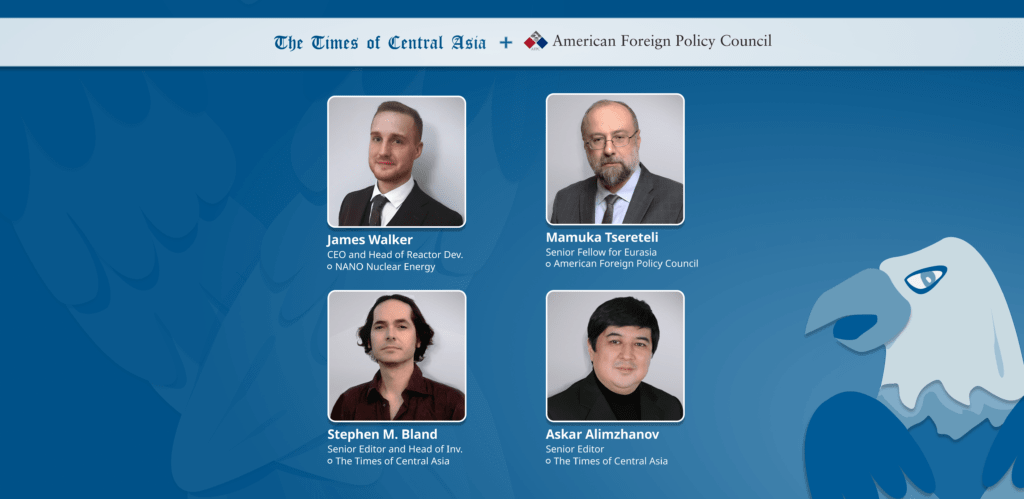
In partnership with the American Foreign Policy Council, on October 30, 2024, The Times of Central Asia convened a virtual event to discuss what the referendum result means for energy security, geopolitics, and new business opportunities for both regional and global actors. Moderating this event was Mamuka Tsereteli, Senior Fellow for Eurasia at the American Foreign Policy Council, whilst the panel comprised Askar Alimzhanov, Senior Editor at The Times of Central Asia, Stephen M. Bland, Senior Editor and Head of Investigations at The Times of Central Asia, and James Walker, CEO and Head of Reactor Development at NANO Nuclear Energy.

Focusing on a local perspective, Askar Alimzhanov told those in attendance that “Kazakhstan is in tough situation today regarding the issue of energy dependence. Because we have the largest nuclear test site in the world and during around 50 years there were just under 500 atomic tests, we all know about the possible consequence. As consumers, however, we’ve seen prices rise around 26% in one year. The population of the country is growing, so when we talk about the annual growth in energy consumption, this is a natural process.

“Since the majority of voters have already made their decision, the main question which remains is who will build it? However, serious concerns persist within society including the fear of corruption, which can result in poor quality structures. As an example, we can talk about the light rail transportation network in Astana, which started in 2009 and still isn’t finished. The officials who stole the money, they still have those funds abroad.”

Speaking about energy dependence and geopolitical considerations, Stephen M. Bland noted that “Kazakhstan’s energy landscape is characterized by a reliance on aging thermal power plants, which are increasingly unable to meet the demands of a growing population and economy, with electricity shortages projected to worsen, particularly in the rapidly developing southern regions. The construction of a nuclear power plant, therefore, is seen as a crucial step toward alleviating these shortages, reducing dependence on overpriced imports from Russia, and achieving carbon neutrality goals.

“The construction of Kazakhstan’s first nuclear power plant presents both challenges and opportunities for the country’s energy independence and regional influence. On one hand, developing a robust nuclear energy sector could ensure a stable, long-term electricity supply and enable Kazakhstan to export excess electricity to neighboring countries. This would solidify Kazakhstan’s position as a key energy player in the region and reduce its dependence on fossil fuels, which currently account for 70% of electricity generation. On the other hand, the complexities of choosing international partners pose a significant challenge which must be carefully managed… Much time and energy has gone into moving Kazakhstan away from Russia’s sphere of influence and turning the face of the nation towards the world as an even-handed potential partner, a ‘Middle Power,’ and even a broker of peace in times of conflict, work which could be undone if Rosatom is chosen for a key role in the project.”

Continuing the theme of energy dependence and potential partners, James Walker stated that “If you look at the challenges the U.S. has faced in launching some of their new reactor designs, there has been a reliance in the U.S. on Russian nuclear fuel. The U.S. is in a situation now where it has to build back a lot of infrastructure to support the building of these reactor systems… I think it would be fair to say that in the nuclear race, in terms of getting commercial plants out there, Russia and China are in the lead. So, when we’re discussing Kazakhstan trying to move away from Russia, the issue can become where they would get the fuel from. Russia has the capacity to supply it more immediately, so the question could become, do we wait for the U.S. to put all this infrastructure in place so we have a more independent supply, or do we still ally with Russia to source this fuel?

“The decision to go ahead with the nuclear power plant is, I think, demonstrably sensible, because it typically means sovereign power, meaning you have more control over your own foreign policy. Kazakhstan could put itself in a very precarious position by sourcing a plant from Russia, which then gives [Russia] influence over the energy that’s being used within the country. Effectively, if you are dependent on certain powers for fuel, for technology, for expertise, for supportive services, they have you over a barrel, in a sense. So there does need to be a geopolitical and political weighted assessment of how to proceed.”

The Burgut Expert Talk Series is a virtual forum where local and international experts discuss defining trends, challenges and opportunities shaping Central Asia.

Watch the discussion in full, here.
More High Profile Detentions in Tajikistan’s Alleged Coup Case

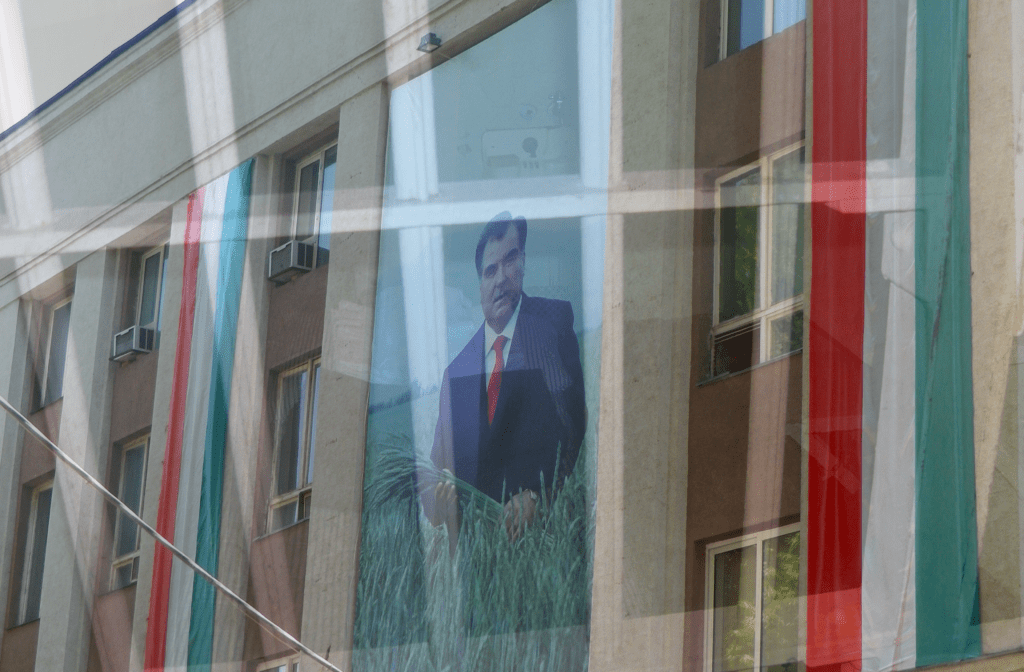
Two more people have been detained in Tajikistan as part of an alleged coup attempt case involving prominent figures in the country, Radio Ozodi has reported, citing an anonymous source. Official agencies have yet to confirm the information, and journalists have yet to be able to procure comments.

According to the source, the detainees include former GKNB (State Committee on National Security) officers Nuramin Ganizoda and Jamshed Boyev. Ganizoda, a retired colonel, was formerly an aide to former Foreign Minister Hamrokhon Zarifi and worked briefly in Tajikistan’s Audit Chamber. Boyev, known only as a retired captain, holds Russian citizenship and receives a pension there. Both were detained in June, shortly after Zarifi’s arrest.

Saidjafar Usmonzoda, former chairman of the Democratic Party and ex-member of parliament, has been detained in this high-profile case since June. Others involved include Akbarsho Iskandarov, former chairman of Tajikistan’s Supreme Soviet; Ahmadshokh Komilzoda, journalist and deputy chairman of the Democratic Party; Hamrokhon Zarifi; Shokirjon Hakimov, first deputy chairman of the Social Democratic Party; and Abdulfayz Atoi, former spokesperson for the Tajik Foreign Ministry.

The detainees face charges of attempted forcible seizure of power and incitement of inter-ethnic hatred. These charges carry significant prison sentences.

In August, Prosecutor General Yusuf Rakhmon said several other people were under investigation without revealing their names. The case was initially scheduled to go to the Supreme Court in September, but was returned for further investigation. It has not been possible to contact the detainees or their relatives – the case has been classified, and there are no official comments from the Prosecutor General’s Office.

As Conflict Rages, Kazakhstan Evacuates Citizens from Lebanon

Kazakhstan has evacuated several dozen Kazakh citizens and their family members from Lebanon, the Ministry of Foreign Affairs said on Monday. It cited “escalating tensions in the Middle East,” a reference to fighting between Israel and its Iran-backed enemies, including Hezbollah in Lebanon.

“This operation was organized through Istanbul and Dubai, resulting in the safe return of 41 people to Astana and Almaty from Beirut between October 17-31, 2024,” the ministry said in a statement.

“The evacuation was conducted to protect the rights and interests of citizens of the Republic of Kazakhstan who were in the conflict zone,” it said.

Other countries have also organized evacuations of their citizens from Lebanon. Türkiye assisted in the air evacuations of more than 2,000 people from 21 countries, including Uzbekistan, Türkiye’s state Anadolu Agency reported last month.

Israeli air strikes have pounded parts of Lebanon and Israeli forces launched a ground incursion into southern Lebanon last month, a year after Hezbollah started firing rockets and other projectiles into Israel in support of Iran-backed Hamas in Gaza. The Hezbollah action was a show of solidarity with Hamas in the war that broke out after its Oct. 7, 2023 attack on Israel.

Iran, meanwhile, has directly threatened Israel with retaliation for Israeli air strikes on Iranian targets last month, the latest in a series of tit-for-tat attacks between the two adversaries. The United States said it was sending more military aircraft to the region to deter Iran.

Russia’s Zakharova: Gas Deliveries to Uzbekistan Surpass Five Billion Cubic Meters

According to Russian Foreign Ministry spokesperson Maria Zakharova, Russian gas supplies to Uzbekistan, which started in October 2023, have now surpassed five billion cubic meters. She noted that in 2023, Russia, Kazakhstan, and Uzbekistan initiated a two-year agreement to deliver Russian gas through Kazakhstan via a contract between Gazprom and UzGasTrade.

“As of today, the volume of gas supplies has exceeded five billion cubic meters. Russian companies Gazprom and LUKOIL are advancing multiple projects to develop gas fields within Uzbekistan. The parties are set on gradually expanding their cooperation in the gas sector. There are, in fact, no bilateral issues that might slow down this energy partnership,” Zakharova shared at a recent briefing.

She added that “all matters are being addressed constructively, with energy discussions being a regular part of high-level and interdepartmental negotiations.” This year, key meetings featured talks on energy cooperation, including Russian President Vladimir Putin’s state visit from May 26-28 and Prime Minister Mikhail Mishustin’s visit on September 9-10.

“Energy collaboration is a core component of our bilateral relationship, with our foreign policy departments maintaining close contact and offering the needed political and diplomatic support to keep this cooperation moving forward,” Zakharova highlighted.

Kazakhstan and China Begin Negotiations on Joint Use of Transboundary Rivers

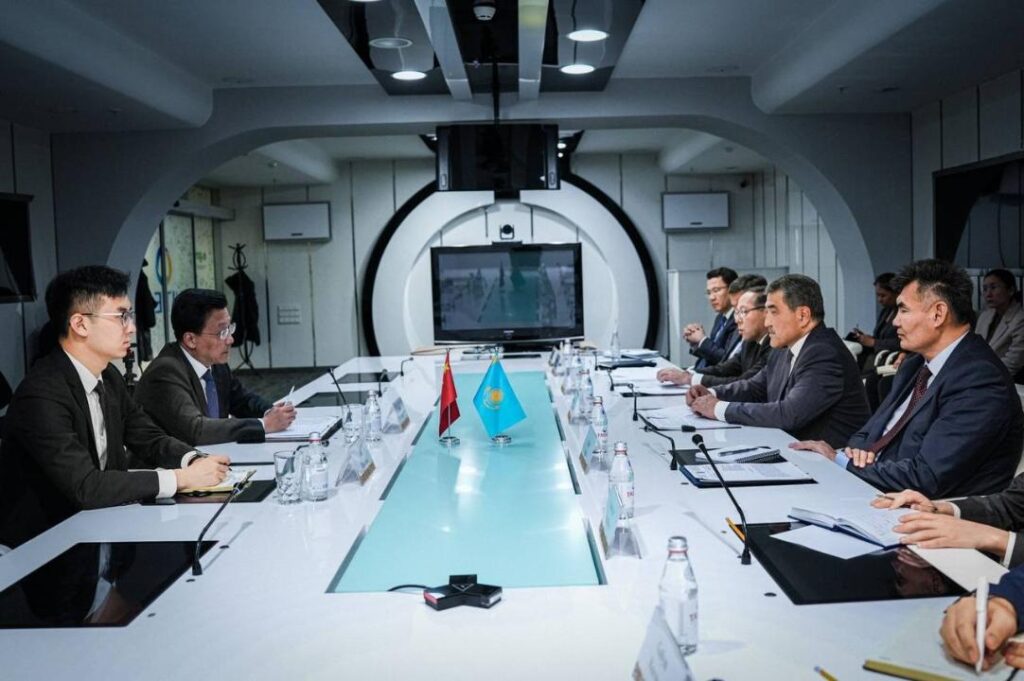
On November 1, Kazakhstan’s Minister of Water Resources and Irrigation Nurzhan Nurzhigitov met with Zhang Xiao, the Chinese Ambassador to Kazakhstan, to discuss bilateral water cooperation and the joint use and distribution of water from transboundary rivers.

Three large rivers in Kazakhstan — the Ertis, the Ile, and the Emel — originate in China.

The two countries established a special working group of experts to negotiate the provision of water to the Ile-Balkhash basin and develop fisheries and tourism in the region.

The Ministry of Water Resources and Irrigation of Kazakhstan intends to sign a memorandum of cooperation with the Ministry of Water Resources of China shortly.

The Kazakh minister and Chinese ambassador discussed joint modernization and automation of Kazakhstan’s water infrastructure, production and use of water-saving technologies, and advanced training of Kazakhstani water specialists in China.

Late in August, The Times of Central Asia reported that the Kapchagay reservoir outside Almaty was full for the first time in ten years.

The reservoir collects water from the Ile (or Ili) River, which originates in China and is meant to regulate the river’s flow on its way to Kazakhstan’s largest lake, Balkhash.

EBRD and EU Support Solar Power Project in Uzbekistan

The European Bank for Reconstruction and Development (EBRD) is providing funds to construct a solar power plant in Uzbekistan’s Khorezm region.

The EBRD’s financial package of up to $54.6 million (€50.5 million) will be provided to Sarimay Solar, a special-purpose company fully owned by Voltalia, an international energy producer and service provider based in France. The package will consist of a senior loan of up to $44.8 million (€41.5 million) and a special facility of €9 million, which will support Sarimay Solar during construction.

The project will benefit from an unfunded guarantee covering a senior loan tranche of $7 million (€6.5 million) provided by the European Union’s European Fund for Sustainable Development Plus.

The financing will help Sarimay Solar construct and operate a 100 MWac (126MWdc) greenfield solar photovoltaic plant, contributing to Uzbekistan’s aim of further decreasing its reliance on carbon-intensive thermal power generation and developing up to 25 GW of solar and wind capacity by 2030.

Once operational, the plant is expected to generate up to 252 GWh of electricity yearly and reduce annual CO2 emissions by more than 141,000 tons.

For the fourth year in a row, Uzbekistan has been the leading recipient of EBRD funding in Central Asia. The Bank has invested around €4.9 billion in 167 projects across the country, most of which support private entrepreneurship.