• KGS/USD = 0.01144 0%
  • KZT/USD = 0.00213 0%
  • TJS/USD = 0.10456 0.19%
  • UZS/USD = 0.00008 0%
  • TMT/USD = 0.28490 0%
  • KGS/USD = 0.01144 0%
  • KZT/USD = 0.00213 0%
  • TJS/USD = 0.10456 0.19%
  • UZS/USD = 0.00008 0%
  • TMT/USD = 0.28490 0%
  • KGS/USD = 0.01144 0%
  • KZT/USD = 0.00213 0%
  • TJS/USD = 0.10456 0.19%
  • UZS/USD = 0.00008 0%
  • TMT/USD = 0.28490 0%
  • KGS/USD = 0.01144 0%
  • KZT/USD = 0.00213 0%
  • TJS/USD = 0.10456 0.19%
  • UZS/USD = 0.00008 0%
  • TMT/USD = 0.28490 0%
  • KGS/USD = 0.01144 0%
  • KZT/USD = 0.00213 0%
  • TJS/USD = 0.10456 0.19%
  • UZS/USD = 0.00008 0%
  • TMT/USD = 0.28490 0%
  • KGS/USD = 0.01144 0%
  • KZT/USD = 0.00213 0%
  • TJS/USD = 0.10456 0.19%
  • UZS/USD = 0.00008 0%
  • TMT/USD = 0.28490 0%
  • KGS/USD = 0.01144 0%
  • KZT/USD = 0.00213 0%
  • TJS/USD = 0.10456 0.19%
  • UZS/USD = 0.00008 0%
  • TMT/USD = 0.28490 0%
  • KGS/USD = 0.01144 0%
  • KZT/USD = 0.00213 0%
  • TJS/USD = 0.10456 0.19%
  • UZS/USD = 0.00008 0%
  • TMT/USD = 0.28490 0%

Kazakhstan to Build Religious Memorial on Site of Stalin-Era Executions

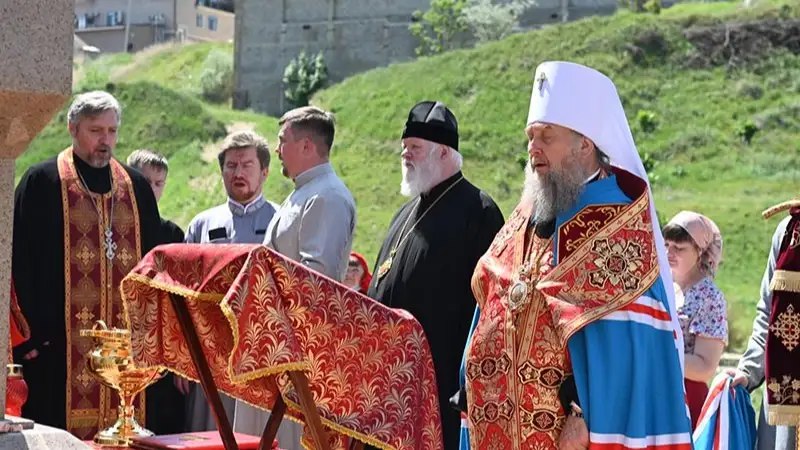
Kazakh President Kassym-Jomart Tokayev has approved the construction of a mosque and an Orthodox chapel at the historic Lisya Balka site in Shymkent, a location associated with mass executions during the years of political repression.

Metropolitan Alexander, head of the Orthodox Church of Kazakhstan, announced at a press conference that the initiative was proposed by Patriarch Kirill of Moscow and All Russia. He highlighted that Lisya Balka is the final resting place for victims of repression, including representatives of Kazakhstan’s two major religious communities – Islam and Orthodoxy.

“The initiative of His Holiness was considered and approved by President Kassym-Jomart Tokayev,” Metropolitan Alexander stated, adding that the chapel project has already received official approval.

Lisya Balka was a site of mass shootings during 1937–1938, one of the darkest periods of Stalinist repression. Victims included individuals from various religious backgrounds, notably around 60 exiled Orthodox priests and ministers of the Russian Orthodox Church. After the Soviet Union’s collapse, the Kasiret (“Sorrow”) memorial complex was established at the site to honor those who perished.

The Orthodox Church canonized several of those executed at Lisya Balka, referring to them as “innocent sufferers for Orthodoxy.” However, historians emphasize that the victims included adherents of diverse religions, such as Islam, Catholicism, Judaism, and Buddhism.

The construction of the mosque and chapel seeks to preserve the memory of these tragic events while fostering interfaith harmony in Kazakhstan. By commemorating the innocent victims of various faiths, the project aligns with the country’s broader efforts to promote unity among its multi-religious population.

Tajikistan Files New Charges in Konibodom ‘Night Killings’ Case

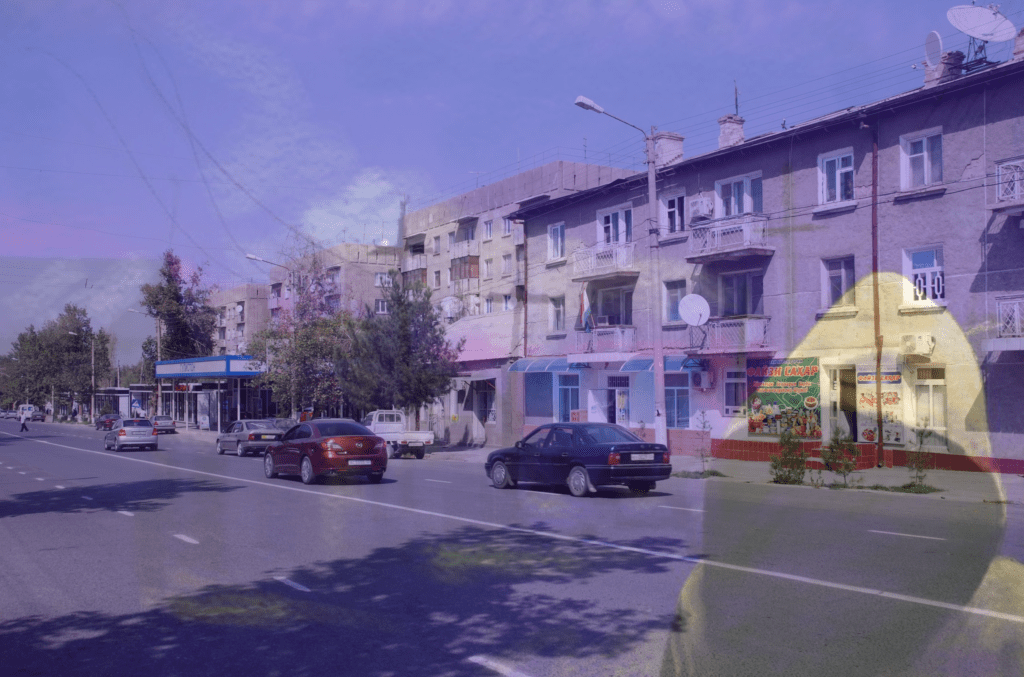
Three suspects in Tajikistan’s Konibodom ‘night killings’ case now face additional charges of hooliganism and rape. Solekhdjon Khudojberdiyev, Ahadjon Tukhtaev, and Manuchehr Odilov, initially charged with murder. Authorities have offered little public information on the case. A brief statement from the Prosecutor General’s Office acknowledged the new indictments but refrained from providing further details, leaving key questions unanswered.


Suspect Profiles

  • Solekhdjon Khudojberdiyev (b. 1998): Hailing from the village of Gulbog, Khudojberdiyev had a prior conviction for rape. A sports enthusiast, he was known locally for his boxing, weightlifting, and power juggling performances.
  • Ahadjon Tukhtaev (b. 1997): A butcher by trade from the same village as Khudojberdiyev, Tukhtaev also had a criminal record for sex crimes.
  • Manuchehr Odilov (b. 1996): From Khamroboev Jamoat, Odilov shared a similar criminal background. Reports suggest he became acquainted with Khudojberdiyev and Tukhtaev while in prison.
  • Bakhtiyor Ravshanov (b. 1988): A shoemaker and builder from the village of Sanjidzor, Ravshanov is Khudojberdiyev’s cousin. He faces murder charges for one of the killings in May.

Case Background

The Konibodom region in Sughd Oblast has endured a series of brutal killings. Between late March and May 2024, 13 individuals – ranging from children to the elderly – were murdered in their homes. The victims, ethnic Tajiks and Kyrgyz, lived near the border with Kyrgyzstan. These crimes, committed in different parts of the city, terrorized residents before the suspects were apprehended and the killings temporarily ceased.

However, the violence resurfaced in December. On December 9, six people were killed, followed by four more murders on December 16. The crimes prompted swift action, and on December 22, the Prosecutor General’s Office announced the detention of four suspects.

The investigation remains under the close scrutiny of Tajikistan’s top leadership. The Prosecutor General is expected to provide a comprehensive update during the final press conference, shedding light on the motives and details of these tragic events.


This story ws last updated on 8 January, 2025

Turanian Tigers From the Netherlands Survive First Winter in Kazakhstan

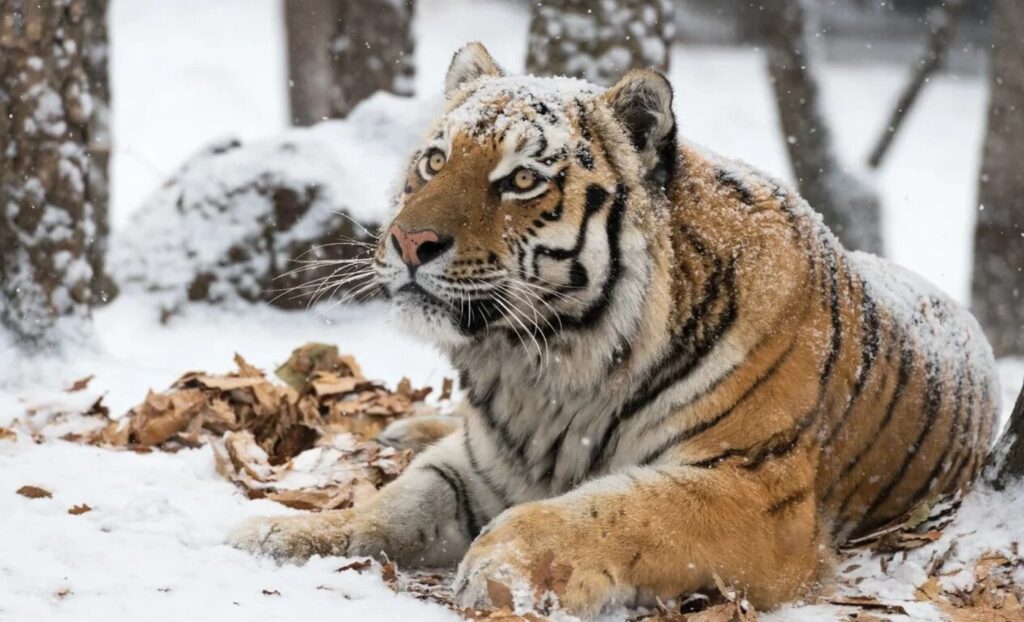
Two Turanian tigers brought from the Netherlands last year have successfully completed their first winter in Kazakhstan’s Ile-Balkhash State Nature Reserve.

The tigers are housed in spacious enclosures, each exceeding 0.5 hectares. Their adaptation is progressing well, with the predators actively hunting small game, including birds such as magpies and crows that venture into their feeding areas.

Historically, Turanian tigers thrived in the reed beds and forests at the mouth of the Ili River near Lake Balkhash. However, the species was last sighted in the region in 1948, and subsequently declared extinct.

Revival Program for Turanian Tigers

Kazakhstan is undertaking an ambitious program to restore the Turanian tiger population. In addition to the two Amur tigers brought to the Ile-Balkhash Reserve for captive breeding, three or four more wild tigers are expected to arrive from Russia in 2025.

Efforts to establish a sustainable ecosystem for these predators have been ongoing since 2018. To create a natural prey base, the reserve has introduced 205 riparian deer and over 100 kulans. Additionally, populations of roe deer and wild boars have been bolstered to support the tigers’ dietary needs.

This marks a significant step in Kazakhstan’s conservation journey, reviving an iconic species that once roamed its landscapes.

Kazakhstan to Slash Imports with $2.6 Billion Domestic Output Plan

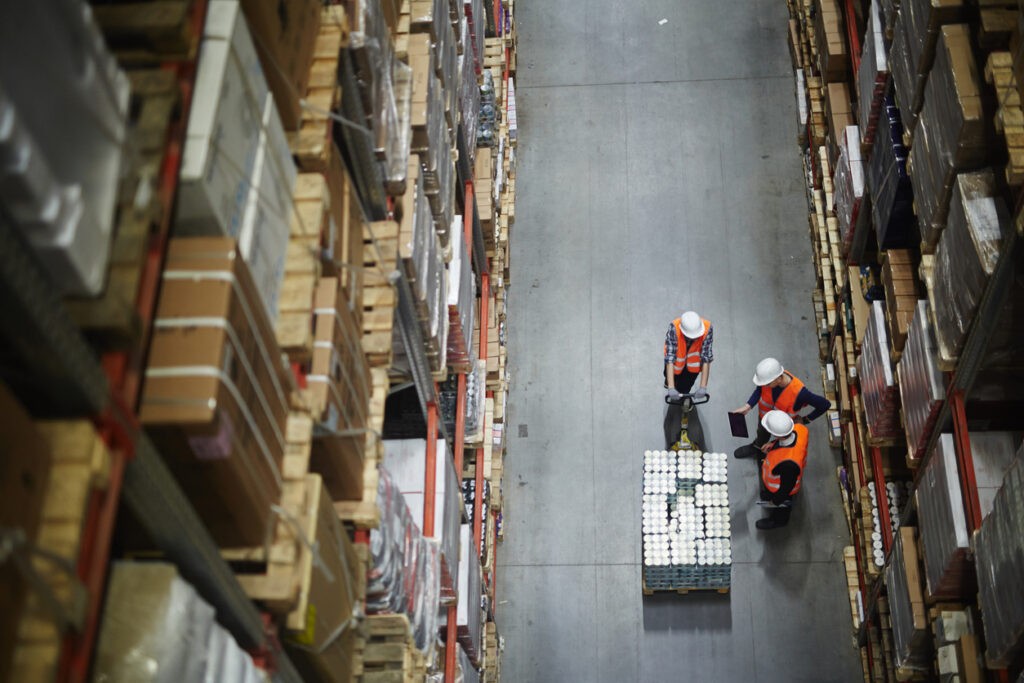
Kazakhstan’s Ministry of Industry and Construction (MIC) has announced plans to reduce the country’s reliance on foreign imports by replacing goods worth KZT1.4 trillion ($2.6 billion) with domestically produced alternatives by 2025. This ambitious goal is intended to be achieved through the launch of new production facilities in the automotive and household appliances sectors.

According to the MIC’s Industry Committee, 190 investment projects are slated for implementation in 2025, creating over 20,000 permanent jobs for Kazakhstani workers. Once fully operational, these projects are expected to generate an output of KZT2.2 trillion ($4.1 billion), with KZT0.8 trillion ($1.5 billion) designated for export. The import substitution effort is forecasted to account for KZT1.4 trillion ($2.6 billion) of this total output.

“This initiative will bolster domestic production, reduce dependence on imports, and enhance the competitiveness of Kazakhstan’s national economy,” stated the committee.

Trade Trends and Key Import Partners

Kazakhstan’s import volume for January – October 2024 was $48.4 billion, as reported by the Bureau of National Statistics. During this period, imports declined by 3.3% compared to the same timeframe in 2023. The country’s key import partners include:

  • Russia: 29.7% of total imports
  • China: 25.5%
  • Germany: 4.9%
  • USA: 3.9%
  • France: 3.2%
  • Republic of Korea: 3.1%

The largest import categories in 2024 were cars (4.1%), aircraft (3%), medicines (2.9%), cell phones (2.7%), and motor vehicle bodies (2.1%).

Significant Projects on the Horizon

To address these import trends, major projects in the automotive, household appliances, and metallurgy sectors are planned for 2025. These include:

  • Almaty: Construction of a multi-brand plant by Astana Motors to produce Chinese passenger cars. The facility will have an annual production capacity of 90,000 vehicles.
  • Kostanay Region: Establishment of the KIA Qazaqstan plant, which will produce 70,000 vehicles annually of the Korean brand.

Combined, these automotive projects will create 3,700 jobs.

As previously reported by The Times of Central Asia, Kazakhstan is expected to record high sales of passenger cars by the end of 2024, with approximately 70% of vehicles purchased being domestically produced.

Regional Investment Distribution

The Turkestan region and Almaty City lead in the number of new investment projects, with 15 and 14 initiatives, respectively. The Kostanay and Karaganda regions also stand out, particularly Karaganda, which is set to receive KZT256 billion ($486 million) for ferrous and non-ferrous metallurgy projects.

Overall, Kazakhstan’s manufacturing sector is projected to attract KZT1.2 trillion (nearly $2.3 billion) in investments in 2025, further solidifying the country’s industrial base and economic resilience.

Kazakh Blogger, Jailed After Filming at Azerbaijan Airlines Crash Site, is Freed

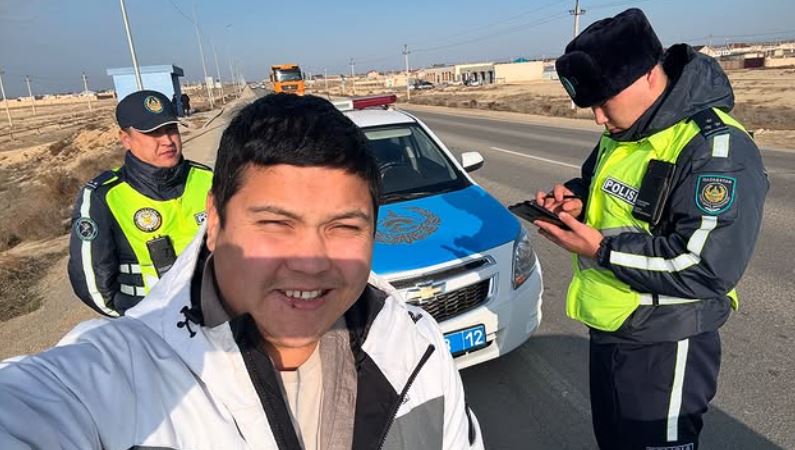
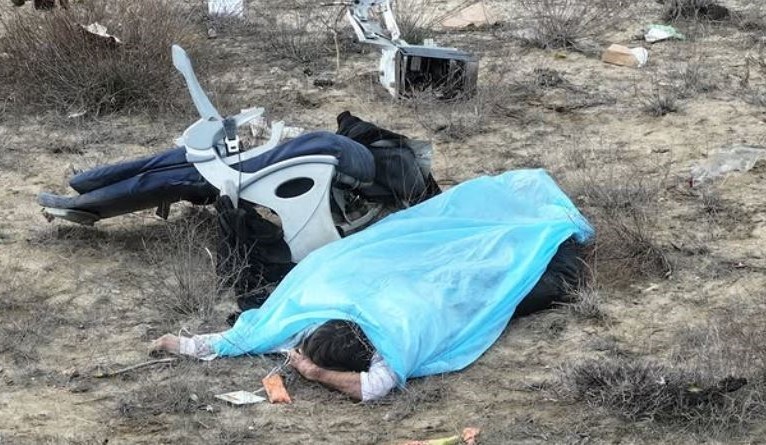
A Kazakh blogger, who was sentenced to 10 days in prison after using a drone to film wreckage, emergency responders and bodies covered with tarps at the site of the Azerbaijan Airlines passenger plane crash in Kazakhstan, has been released.

Azamat Sarsenbayev was convicted of disobeying a police order not to film and photograph at the Dec. 25 crash in a quickly held, late-night trial in a court in Fort-Shevchenko, more than 100 kilometers from Aktau, the Caspian Sea city where the plane hit the ground and burst into flames, killing 38 of the 67 people on board. He had disputed the charge, arguing that there were procedural violations and that, by law, he should have received a fine instead of a prison sentence.

Footage from the crash site; Azamat Sarsenbayev

The prosecution of Sarsenbayev partly shows the tension between periodic government efforts to monitor and restrict information, not just in Kazakhstan but also in other Central Asian countries, and the efforts of some bloggers, journalists and others to widen the scope for reporting, often at risk of prosecution and jail time. Regional governments sometimes warn of the threat of provocateurs spreading disinformation, though Sarsenbayev’s actions on the day of the crash appeared to be more in line with reporting the facts of a major international disaster.

Drones enhance the reporting ability of some journalists, though there can be accompanying ethical, legal and security concerns about their use. The Embraer 190 plane crash is particularly sensitive because it involves criminal investigators and a delicate international backdrop. Azerbaijan says Russian ground fire hit the plane as it was trying to land at its planned destination in Russia-controlled Chechnya. Russia has apologized without directly confirming the Azerbaijani account. Kazakhstan is leading the investigation and preliminary findings are expected to be released later in January.

On social media posts this weekend, Sarsenbayev provided details about his testimony to the judge during his trial, saying he had received calls from international news organizations and other outlets asking for help in covering the crash. He said he reached the scene at around 11 a.m. and deployed his drone about one kilometer away, without having any contact with police, and then approached a cordoned-off area to interview a representative from the Ministry of Emergency Situations who was giving official comments.

Sarsenbayev said he told the judge that the media organizations that had contacted him did so “for paid collaboration to capture authentic, exclusive materials for their platforms” and that he had not taken any “explicit” images of crash victims, since their bodies were covered.

“If there had been even the slightest hint of a breach of ´ethics´ or ´moral norms´ in my photographs, platforms like Instagram would have automatically blocked my posts, let alone news outlets that published my images. In that case, should we hold everyone accountable for photographing or filming incidents like car accidents or other similar events?” Sarsenbayev said he told the judge.

President Kassym-Jomart Tokayev has promised more openness in society. But a media law passed this year lets the Kazakh government have tighter control over media accreditations, a measure that press freedom advocates believe could make it harder for journalists to work. Elsewhere in Central Asia, Kyrgyzstan is a focus of particular concern among international media watchdogs because of legal cases against media groups and individual reporters there.

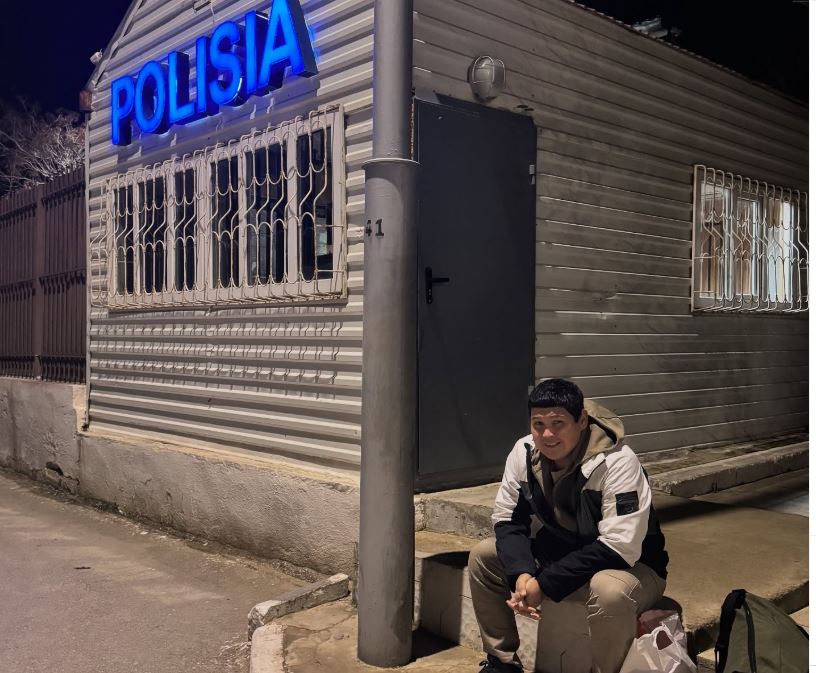
Sarsenbayev following his release; image Azamat Sarsenbayev

Sarsenbayev, the blogger, posted a photo on Instagram of himself sitting outside a police station in the dark after his release. He said the experience had made him “more unyielding” in his principles and that he had more to say.

“But first, he said, “I want to kiss my wife, hug my kids tightly, take a hot shower, and get a good night’s sleep in a warm, cozy environment.”

Kazakhstan Crash: In Air and on Ground, Some Did What They Could

When an Azerbaijan Airlines passenger plane crashed in Kazakhstan on Dec. 25, Junior Sgt. Nurlan Botagarin reacted quickly. He raced to the wreckage in his car and frantically pushed past debris into the fuselage to help survivors.

“The rear part of the plane had overturned, and the people inside were tangled together, unable to get out,” the Kazakh military serviceman said. “At that moment, I broke through the obstructing parts and equipment of the plane and entered inside. I started rescuing the passengers.”

Was Botagarin a hero for what he did, possibly risking his own life in the event of an additional explosion and fire while he was scrambling through the wreckage of Flight J2-8243? Some people say yes. He doesn’t think so.

Heroes or not, some people showed courage and compassion on the day of the Embraer 190 plane crash that killed 38 people and left 29 survivors in Aktau, Kazakhstan, marking a bright spot in the fog of grief and international intrigue over how the disaster unfolded. Azerbaijan says the plane was accidentally hit by Russian ground fire before its planned landing in Russia-controlled Chechnya; President Vladimir Putin of Russia, which is at war with Ukraine, has apologized without confirming Azerbaijan’s account. Kazakhstan is leading the investigation.

The human loss in such a calamity and the alleged responsibility of any perpetrators can overshadow the exemplary conduct of some of those involved in the moment. But here are some of the people who did what they could and will be remembered for it:


THE FLIGHT CREW:

Capt. Igor Kshnyakin, co-pilot Aleksandr Kalyaninov and flight attendant Hokuma Aliyeva died in the crash.

Aviation analysts say the pilots’ struggle to steer the badly damaged aircraft hundreds of kilometers across the Caspian Sea to a landing on flat terrain near Aktau airport was critical to the survival of some of those aboard as well as the likelihood that what exactly happened will be learned in the investigation. Kazakhstan sent the plane’s flight recorders to Brazil, where Embraer aircraft are made, for assessment. The cockpit voice recordings, if they are released, will reveal more to the world about the desperate efforts of the pilots to control the plane and get their passengers to safety.

“This particular aircraft is equipped with a recorder that captures two hours of crew and aircraft activity. The investigation will have a nearly complete picture of events,” said Talgat Lastaev, Kazakhstan’s vice transport minister. He was quoted by the Kazinform news agency.

At a ceremony in Baku, the three crewmembers who died were awarded with the title “National Hero of Azerbaijan.” Two surviving flight attendants, Zulfugar Asadov and Aydan Rahimli, also received honors.

“I must specifically acknowledge the female crew members. They themselves were in a state of stress, but look how humanely they acted to calm the passengers and prevent chaos inside the plane,” Azerbaijan’s President Ilham Aliyev said. In a video taken by a passenger, a flight attendant is heard trying to assure people on the plane that things will be OK, though tension in her voice is evident.


THE BLOOD DONORS:

About 1,500 people gave a total of 800 liters of blood across Kazakhstan in response to an emergency appeal to help injured survivors of the Azerbaijan Airlines crash.

They included some 600 donors in Astana and another 490 in Aktau, the Ministry of Health said.

It said “ordinary citizens and compatriots from different regions responded immediately and compassionately to the tragedy.”

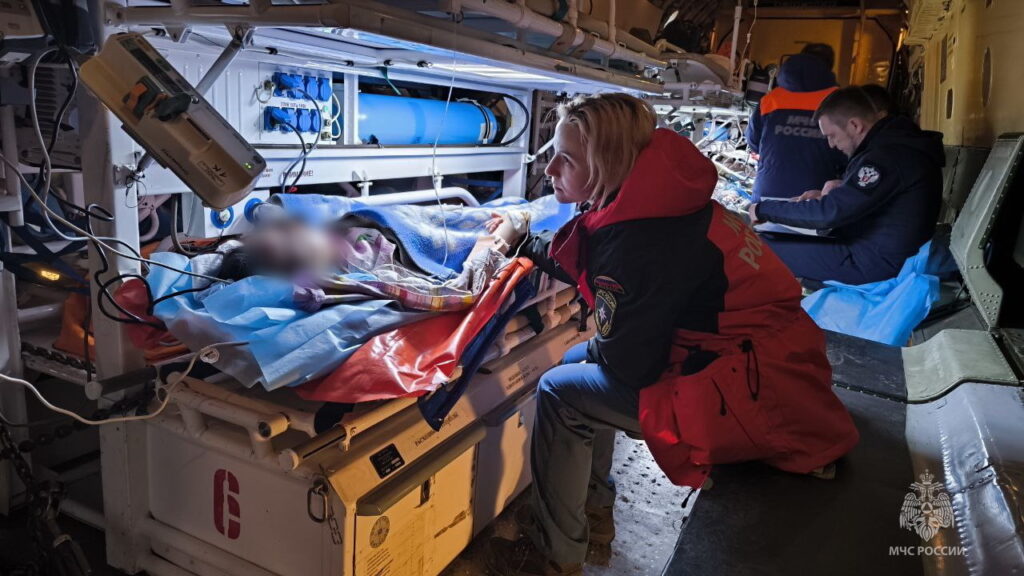
Injuries suffered by the survivors included head, brain and chest injuries. But many medical teams got to the crash site within 10 minutes of the impact and their fast response time appears to have played a key role in saving lives.

Bundled against the cold, people also left flowers and prayed outside the Azerbaijani embassy in the Kazakh capital of Astana, a gesture of empathy that was appreciated in Azerbaijan, a country in mourning.

“We are together with you,” read a sign left at the embassy fence.


THE SERVICEMAN:

Botagarin, a junior sergeant at an air force base in Aktau, was the first person to arrive at the scene of the crash near the city’s airport, Kazakhstan’s Ministry of Defense said.

In an interview posted on Telegram by the ministry, Botagarin described how he was on duty when he and his colleagues saw the plane passing directly over their work area, flying erratically and moving up and down before it crashed.

When he arrived at the crash site, Botagarin saw a young, bleeding passenger who was walking and appeared to be in stable condition. He directed the passenger toward a nearby emergency vehicle that had just pulled up. Then he continued running and clambered into the wreckage to get people out and hand them off to other responders.

“After rescuing several individuals, I was completely exhausted. I kept working until I could no longer continue,” Botagarin said. “I realized that the people trapped under heavy debris needed larger equipment for their rescue. I then moved toward the burning part of the plane for the first time, hoping to find any survivors.”

However, he didn’t find any survivors in the front part of the plane that had burst into flames when it hit the ground. The serviceman went about collecting the belongings and ID documents of the dead.

“I don’t consider myself a hero for what I did,” said Botagarin, who has served in the military since 2017 and has two children. “In my opinion, every citizen of Kazakhstan, especially every military servicemember, has the duty to act in such situations.”

After medical teams and other emergency workers took over at the crash site, the military man quietly returned to his post