• KGS/USD = 0.01144 0%
  • KZT/USD = 0.00194 0%
  • TJS/USD = 0.10879 -0.18%
  • UZS/USD = 0.00008 0%
  • TMT/USD = 0.28490 0%
  • KGS/USD = 0.01144 0%
  • KZT/USD = 0.00194 0%
  • TJS/USD = 0.10879 -0.18%
  • UZS/USD = 0.00008 0%
  • TMT/USD = 0.28490 0%
  • KGS/USD = 0.01144 0%
  • KZT/USD = 0.00194 0%
  • TJS/USD = 0.10879 -0.18%
  • UZS/USD = 0.00008 0%
  • TMT/USD = 0.28490 0%
  • KGS/USD = 0.01144 0%
  • KZT/USD = 0.00194 0%
  • TJS/USD = 0.10879 -0.18%
  • UZS/USD = 0.00008 0%
  • TMT/USD = 0.28490 0%
  • KGS/USD = 0.01144 0%
  • KZT/USD = 0.00194 0%
  • TJS/USD = 0.10879 -0.18%
  • UZS/USD = 0.00008 0%
  • TMT/USD = 0.28490 0%
  • KGS/USD = 0.01144 0%
  • KZT/USD = 0.00194 0%
  • TJS/USD = 0.10879 -0.18%
  • UZS/USD = 0.00008 0%
  • TMT/USD = 0.28490 0%
  • KGS/USD = 0.01144 0%
  • KZT/USD = 0.00194 0%
  • TJS/USD = 0.10879 -0.18%
  • UZS/USD = 0.00008 0%
  • TMT/USD = 0.28490 0%
  • KGS/USD = 0.01144 0%
  • KZT/USD = 0.00194 0%
  • TJS/USD = 0.10879 -0.18%
  • UZS/USD = 0.00008 0%
  • TMT/USD = 0.28490 0%
15 December 2025

Kazakhstan and Finland to Collaborate on Rail Transportation

KTZ Express JSC (a subsidiary of Kazakhstan’s national railways company Kazakhstan Temir Zholy) and Finnish Nurminen Logistics Services Oy, have signed a Memorandum of Cooperation for container transportation from China to Finland along the Trans-Caspian International Transport Route (TITR) through the Kazakhstan.

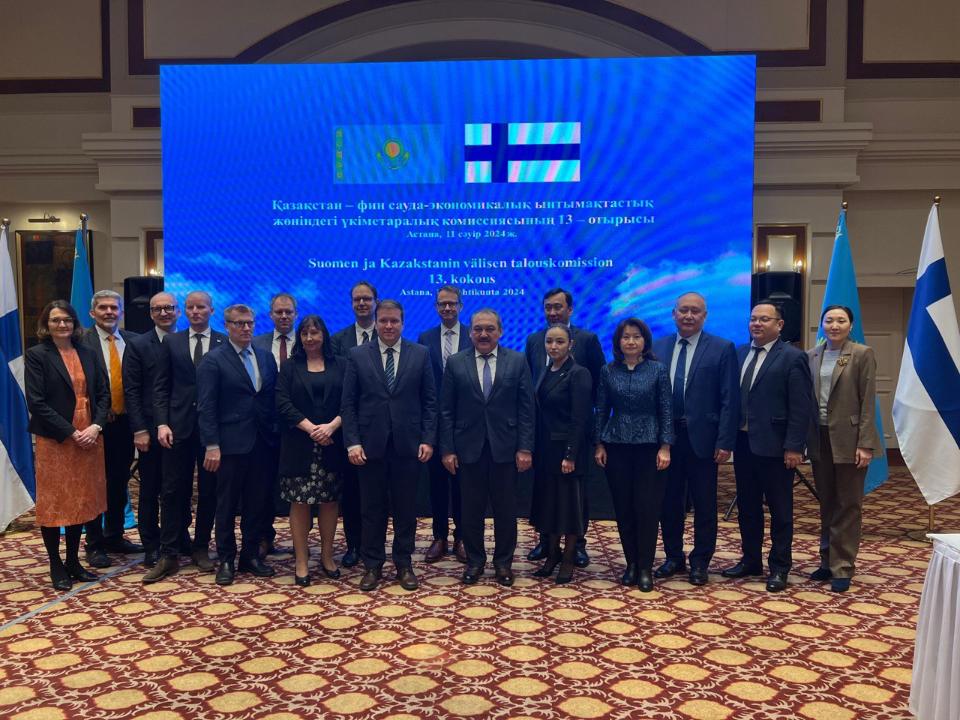
At a meeting of the Kazakh-Finnish intergovernmental commission on April 11 in Astana, Deputy Minister of Transport of Kazakhstan Maksat Kaliakparov emphasized the strategic importance of cooperation and development of transit opportunities between the two countries regarding trade between China and Southeast Asian countries and the European Union:

“Kazakhstan is the main link in the TITR, or the Middle Corridor, and has already shown potential as an alternative to East – West routes. This is evidenced by an 86% increase in cargo transhipment through the seaports of Aktau and Kuryk, the volume of which rose to 2.8 million tons. The TITR is a ‘green-light’ corridor. Today, the cargo transit time has been reduced from 23 to 14-18 days, including 5 days in Kazakhstan. In 2023, the volume of cargo transportation along the TITR increased by 65%.”

To illustrate the potential for cargo transportation between Kazakhstan and the EU, Kaliakparov reported a steady rise in the transportation of cargo through Kazakhstan along the China-Finland-China route. Compared to the previous year, in 2023, the volume of cargo transported by rail increased by 25% (4.3 million tons), and by road, by 14% (7.3 million tons).
USAID Oasis Project on Course to Restore Aral Sea Ecosystem

The U.S. Embassy in Kazakhstan has announced that from 12 – 16 April, the United States Agency for International Development (USAID) will visit the Oasis project on the former shores of the Aral Sea in the Kyzylorda region of Kazakhstan.

Launched in 2021, the Oasis is integral to Environmental Restoration of the Aral Sea Activity (ERAS-I); a larger initiative spawned by USAID in cooperation with the Executive Directorate of the International Fund for Saving the Aral Sea.

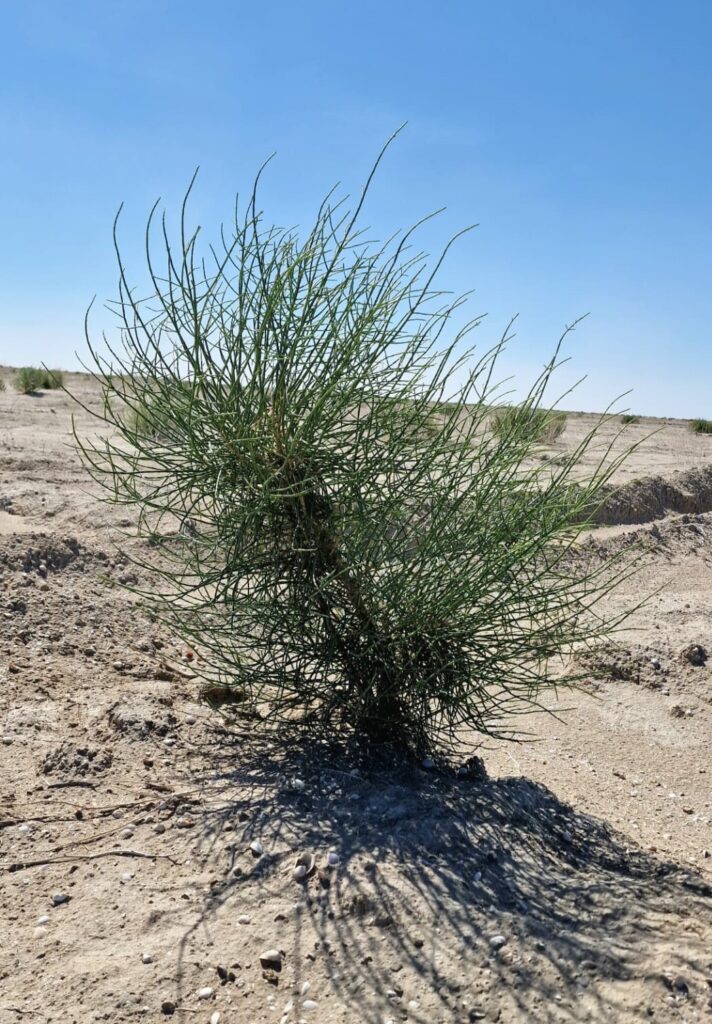
Comprising a 500-hectare demonstration site for testing black saxaul shrubs, the project represents a first step in restoring the local ecosystem and demonstrates the willingness of governments, NGOs, and local communities to collaborate on building resilience against environmental threats to Central Asia.

In advance of the expedition to commemorate the project’s success and celebrate the efforts of those who contributed to its realization, U.S. Ambassador to Kazakhstan, Daniel Rosenblum, stated:
“The testing and research at the Oasis will benefit not only Kazakhstan communities in this region, but will also inform ecosystem restoration efforts throughout the Aral Sea region. Working together with national and international partners, we are proud to be part of this mission to find collaborative solutions to build climate resilience in Central Asia.”

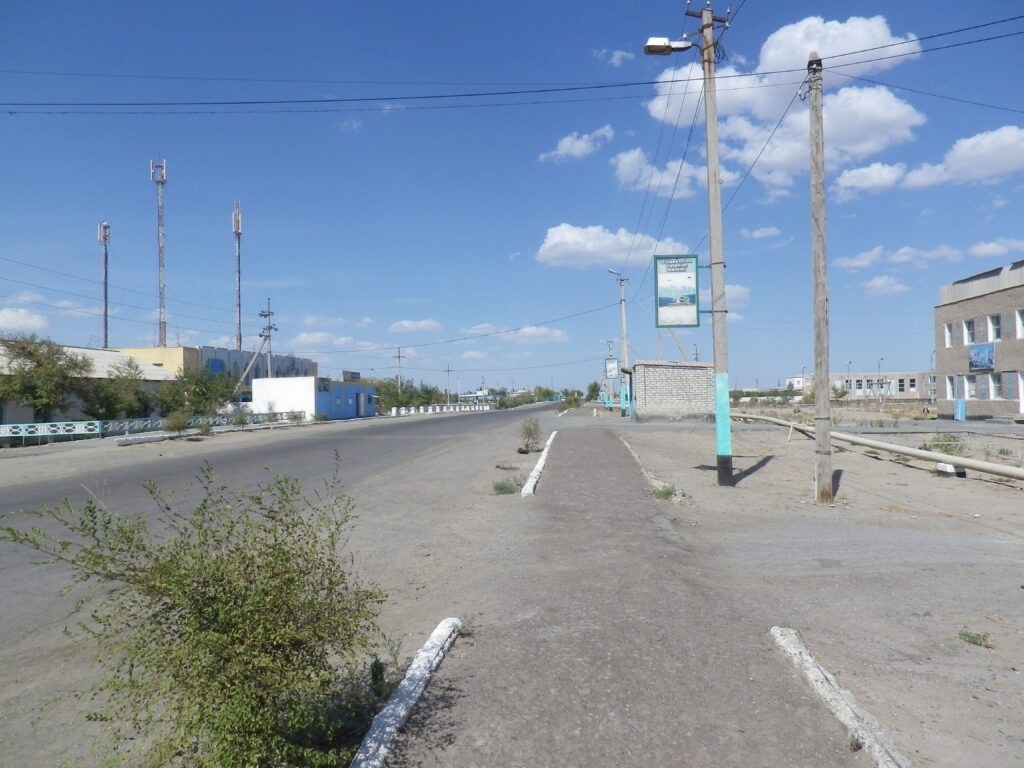
The Aral Sea disaster is one of the worst ecological catastrophes in human history. Formerly the fourth largest lake in the world, the Aral Sea began shrinking in the 1960s when water from the rivers that fed it was redirected for agricultural irrigation. Today, the Aral Sea is only 10% full. The subsequent birth of the Aralkum Desert and the sand and dust storms rising from the world’s newest desert have both polluted the environment and severely affected the health in local communities.

Kyrgyz Authorities Name Causes of Military Helicopter Crash

The Chief of Staff of the Kyrgyz Armed Forces has told reporters that the helicopter that crashed outside of Bishkek in January was in good order at the time. Ruslan Mukanbetov named severe weather conditions and human error as the causes of the crash.

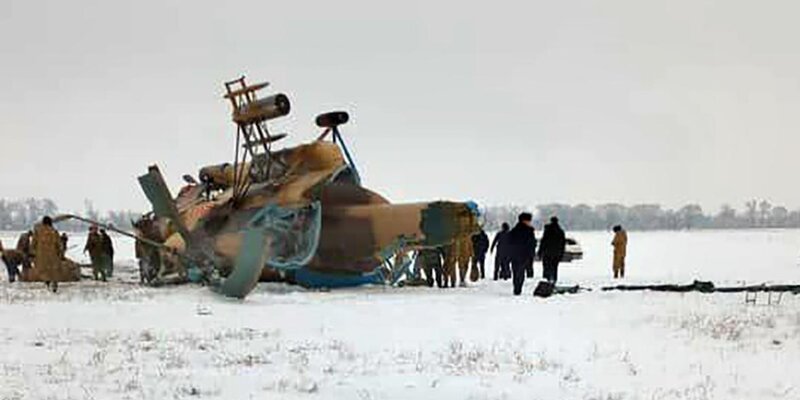
On 17 January a Mi-8 MTV helicopter belonging to the Kyrgyz army crashed on the outskirts of the capital during a training flight. Eleven people were on board at the time, and one military serviceman died; the rest received injuries of varying severity. Two Kyrgyz servicemen were sent to Turkey for treatment.

After the crash, the Kyrgyz military prosecutor’s office opened a criminal case, and investigators began deciphering the black box. At the same time the Ministry of Defense also began an investigation.

According to the Defense Ministry’s press service, the commander of the country’s Air Defense Forces, Kylychbek Aidaraliev, and some of his subordinates were suspended while the investigation was carried out. Aidaraliev was ultimately dismissed from his post, and a temporary acting commander of the country’s Air Defense Forces has been appointed.

Turkmenistan Using Almost All Available Water Resources With No Additions in Sight

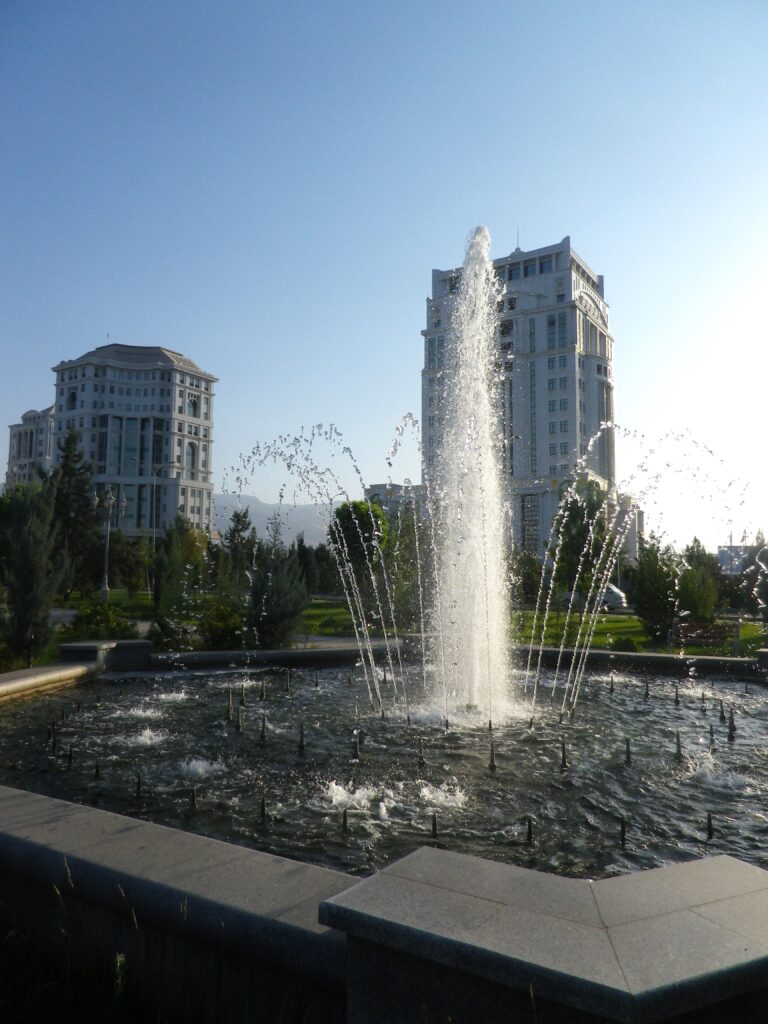
Meteojournal has reported that Turkmenistan‘s State Statistics Committee has published a voluntary national review of its progress in implementing the global agenda for sustainable development until 2023 on its website. According to MeteoJournal, in 2021, almost all water resources in the country – 92% – went to agricultural needs. Another 5% was used by industry, and only 3% went to household needs.

At the same time, Turkmenistan used almost all available fresh water resources, and due to increasing consumption, the country has no additional water sources. In 2016, the utilization rate of water resources reached 97.5%; in 2018, it had dropped to 89.9%, then in 2020 it reached 85.2%, and in 2021 — 87.1 percent. Meteojournal stated that the increase in demand for fresh water can be met only through its rational use.

According to the review, 95% of the population has access to clean and safe water, whilst 99.9% of the population uses water supply services organized in compliance with safety requirements. The share of safely treated wastewater in 2022 was 57.4%.

Meteojournal, which familiarized itself with the review, noted that Turkmenistan – which possesses huge potential for using renewable energy sources such as solar and wind energy – is currently not harnessing its potential. The review mentioned the construction of a 10-megawatt (MW) hybrid power plant using solar and wind energy in Kyzil-Arvat. The project was planned to be completed in January 2024, but has yet to open, and local media haven’t reported any updates on the pace and status of the work.

Uzbekistan to Host Eco Race in Support of Aral Sea Region

On April 18 in Moynaq, Karakalpakstan, organizers Prorun will host an Aral Sea Eco Race with a total distance of two kilometers. Participants will run one km to the location of a tree planting, plant a tree, and then return. At the finish line, each participant will receive a medal in the form of a symbolic tree for partaking in the restoration project.

As organizer Andrey Kulikov told the Times of Central Asia, “the run is being held to draw the world’s attention to the environmental problems of the region and inspire everyone to take actions to protect it. Twelve participants have already registered, and about a hundred runners are expected. The run will be held at the experimental site next to the nature museum in Moynaq. The three fastest runners will receive commemorative prizes. In every race organized by the Prorun movement, we aim to attract as many people as possible to a healthy lifestyle and to dedicate the races to environmental protection and environmental issues. Our biggest event will be a 42-km marathon on the dried-up Aral Sea bed, which will take place on June 17. A hundred people will take part in the race dedicated to the International Day to Combat Desertification and Drought. In addition, Prorun practices ‘plogging’ races, during which participants collect rubbish along their route.”

The Aral Sea Eco Race is being held as part of the Aral Sea Tourism Week, which will run from April 16-19 in the Nukus and Moynaq districts of Karakalpakstan. During the week, there will be an international scientific and practical seminar “Goodwill Ambassadors of the Aral Sea,” an exhibition and an art exhibition entitled “The Aral Sea Through the Eyes of Artists,” where paintings of the Aral Sea will be presented. The participants will also enjoy a gastronomic festival called 99 kinds of fish dishes of the Aral Sea, and a trip to historical monuments.

Last autumn, Uzbekistan planted 28,000 hectares of greenery in the Moynaq district and the desert areas of the Aral Sea basin as part of a nationwide greening campaign called Yashil Makon (Green Edge).

In 2024, Kazakhstan plans to plant on 275,000 hectares of the former Aral Sea bed. In total, according to the Ministry of Ecology and Natural Resources of Kazakhstan, 544,500 hectares of forest were sown between 2021-2023.

Al Jazeera Media Institute Delegation Will Visit Uzbekistan

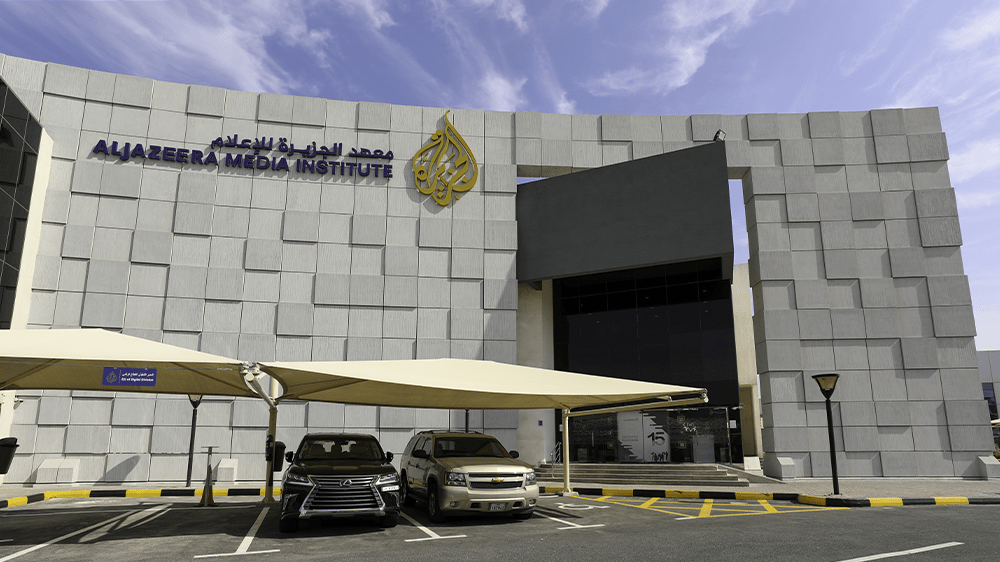
According to the Dunyo state news outlet, Uzbekistan’s Ambassador to Qatar Ashraf Khojayev held talks with the Director of Al Jazeera Media Institute Eman Al Amri. The two discussed the possibilities for representatives from Uzbek ministries and agencies, workers in the field of Uzbekistan’s mass media, and students from Uzbekistan’s University of Journalism and Mass Communications to participate in training programs and courses offered by the Al Jazeera Media Institute.

The report states that the director of the institute, Al Amri, was thoroughly briefed on the reforms being implemented in Uzbekistan to democratize the information sector, ensure freedom of speech and access to information, and strengthen the role of the mass media in improving public debate.

At the end of the meeting, the Al Jazeera Media Institute delegation was invited to Uzbekistan to establish cooperative ties with the University of Journalism and Mass Communications, the Dunyo Agency, and the Information and Mass Communications Agency, which is under the administration of Uzbek President Shavkat Mirziyoyev.