• KGS/USD = 0.01143 -0%
  • KZT/USD = 0.00192 -0%
  • TJS/USD = 0.10820 0.19%
  • UZS/USD = 0.00008 0%
  • TMT/USD = 0.28575 0%
  • KGS/USD = 0.01143 -0%
  • KZT/USD = 0.00192 -0%
  • TJS/USD = 0.10820 0.19%
  • UZS/USD = 0.00008 0%
  • TMT/USD = 0.28575 0%
  • KGS/USD = 0.01143 -0%
  • KZT/USD = 0.00192 -0%
  • TJS/USD = 0.10820 0.19%
  • UZS/USD = 0.00008 0%
  • TMT/USD = 0.28575 0%
  • KGS/USD = 0.01143 -0%
  • KZT/USD = 0.00192 -0%
  • TJS/USD = 0.10820 0.19%
  • UZS/USD = 0.00008 0%
  • TMT/USD = 0.28575 0%
  • KGS/USD = 0.01143 -0%
  • KZT/USD = 0.00192 -0%
  • TJS/USD = 0.10820 0.19%
  • UZS/USD = 0.00008 0%
  • TMT/USD = 0.28575 0%
  • KGS/USD = 0.01143 -0%
  • KZT/USD = 0.00192 -0%
  • TJS/USD = 0.10820 0.19%
  • UZS/USD = 0.00008 0%
  • TMT/USD = 0.28575 0%
  • KGS/USD = 0.01143 -0%
  • KZT/USD = 0.00192 -0%
  • TJS/USD = 0.10820 0.19%
  • UZS/USD = 0.00008 0%
  • TMT/USD = 0.28575 0%
  • KGS/USD = 0.01143 -0%
  • KZT/USD = 0.00192 -0%
  • TJS/USD = 0.10820 0.19%
  • UZS/USD = 0.00008 0%
  • TMT/USD = 0.28575 0%
13 December 2025

Container Trains from China to Europe through Kazakhstan reaches 80%

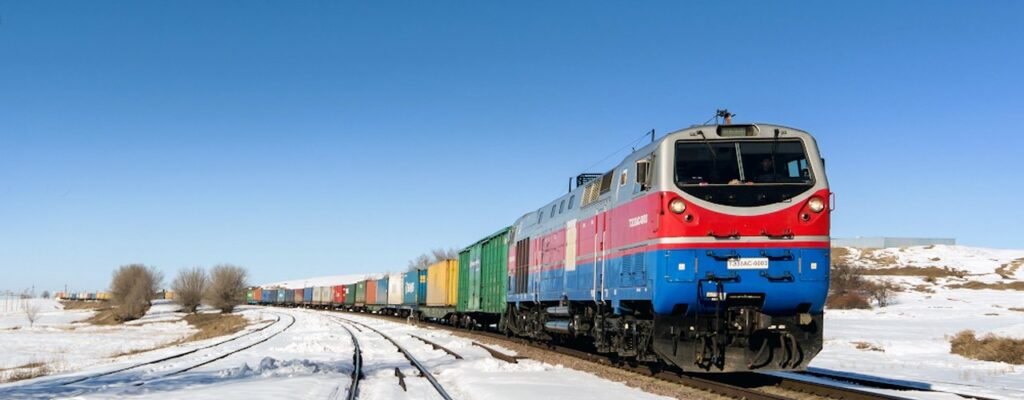
On March 25th, Marat Karabaev, Kazakhstan’s Minister of Transport visited Urumqi in China’s western Xinjiang Uyghur Autonomous Region, home to the International Dry Port, the Express Delivery Center (Jitu Express), the China-Europe Railway Express Hub, and the office of the Xinjiang Trade and Logistics Corporation.

The occasion marked the anniversary of the departure of the 150th container train, Tian Shan, along the China-EU route. During the ceremony, it was stated that over the 10-year period since the launch of China’s Belt and Road initiative in 2013, about 85 thousand container trains were sent from China to Europe; 80% of which had passed through Kazakhstan.

Earlier this month, the Kazakh government announced plans to increase the volume of cargo transported by rail to 450 million tons and by road to 316 million tons. The proposed increase in transit transportation to 30 million tons will include that of cargo along the Trans-Caspian International Transport Route to at 4.2 million tons.

Kyrgyz Teenager Saved Lives During Moscow Terror Attack

The spokesman for Kyrgyz President Sadyr Japarov made a call to the teenager Islam Khalilov and his parents, to express his admiration for the young man’s actions during the Moscow terror attack on March 22. Khalilov, who was one of two teenagers working in the coat-check room at the Crocus Concert Hall, helped save people from the terrorists.

“I spoke on the phone with Islam, who saved hundreds of lives during the tragic event in Moscow. His father, Bakhtiyar, is from Suzak district [in Jalal-Abad region] and his mother, Ai-Peri, is from Ozgon. Glory to our hero,” President Japarov’s spokesman, Dayiryek Orunbekov wrote on his Facebook page, posting a video of the conversation.

Islam Khalilov said of the attack: “At first it was a normal working day, then there were strange sounds. We thought maybe the escalator broke down or maybe it came from a drunken [crowd]. Then people started running out, screaming. I realized at that moment that I had to act. I immediately did [everything I could] because I realized that if I stood there in shock, I would lose my life [alongside] the lives of hundreds of people.”

According to Khalilov, when he saw a large group of people were moving in panic towards a dead end, he led the concertgoers behind him. The young man opened an emergency door and was able to lead the crowd into the hall’s service area, through which people were able to get outside and escape the terrorists. Together with another teenager, Artem Donskov, who also worked part-time in the concert hall’s coat-check room, they helped people evacuate the hall, and more than once returned to the site of the attack to save more people.

According to Khalilov, he along with other administrative staff at Crocus Concert Hall were given instructions on what to do in the event of a terrorist attack – and during the attack they followed these instructions to the letter.

According to Russian security forces, as of March 24, 137 people had been killed and 182 injured as a result of the attack on the concert hall. More than 6,000 people were in the building at the time of the attack. Alexander Bastrykin, Head of the Investigative Committee of Russia, has instructed his agency to consider awarding the schoolboys departmental honors for their bravery.

Rise in Kazatomprom’s Revenue Amid Nuclear Ramp-Up

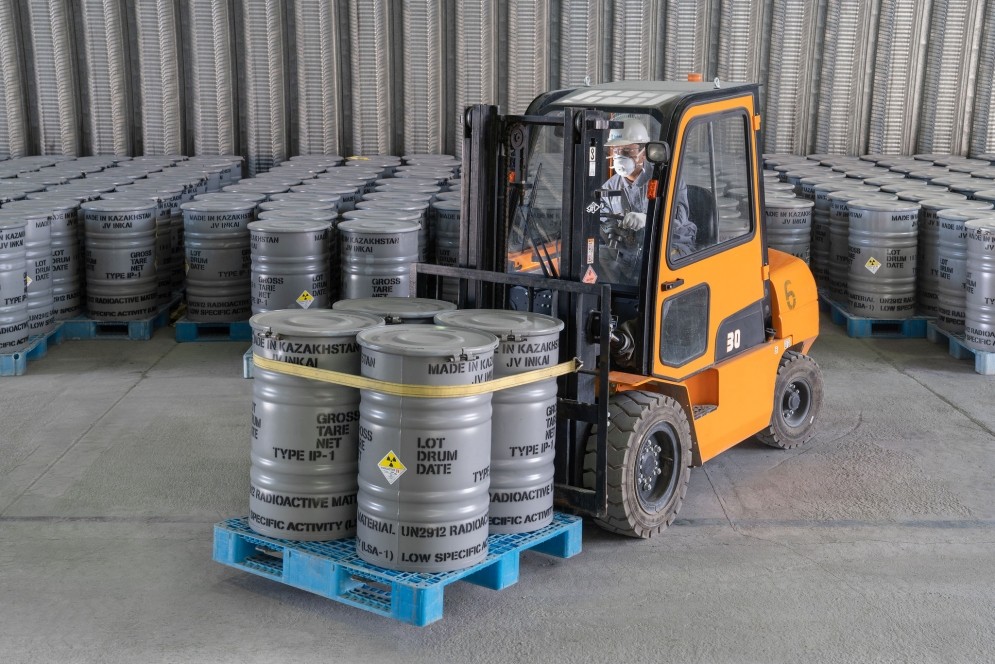
According to a press release on Kazatomprom’s website, the company enjoyed an outstanding rise in its financial strength in 2023 wherein generated revenue rose by 43 percent to 1.4 trillion tenge (~$3.1 billion), outpacing uranium price growth by more than 20%.

Operating profit increased to 680 billion tenge(~$1.5 billion), up 49%, and net profit for 2023 rose to 580 billion tenge (~$1.3 billion), up 23% from 2022. Adjusted EBITDA (earnings before interest, taxes, depreciation, and amortization) amounted to 828 billion tenge, an increase of 31%. The costs of raw materials totalled 364 billion tenge, an increase of 39%, and last year, those for sales, amounted to 28 billion tenge (~$62 million).

“There was significant volatility in the global uranium market in 2023, driven by increased interest in the transition to clean energy — and geopolitical instability,” reported Kazatomprom Board Chairman Meirzhan Yusupov.

The company emphasized that despite volatility in the uranium market, demand for nuclear energy as a stable source of low-carbon energy has increased significantly and thus demonstrates the important role of uranium in achieving sustainable development goals.

“Although some producers, including Kazatomprom, have decided to restart idle plants — or start new ones by the mid-2020s — this will not be enough to meet global needs after 2030,” the statement warned.

In a trading operations statement issued in early February, the company reported higher sales on lower production volumes. Uranium sales in consolidated terms increased to 18,100 tons, up 10%, whilst production fell by two% to 11,200 tons.

Kazakhstan currently provides about 40% of uranium required by the world’s nuclear power plants.

Kazakhstan Replaces Russia As Destination For Uzbek Migrants

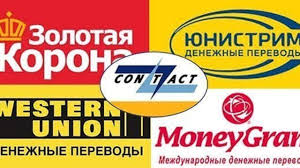
Uzbekistan has become the greatest recipient of remittances from Kazakhstan. In 2023 Uzbeks sent home $588 million earned in the economy of their Central Asian neighbor, with about 80% of cross-border transfers made through the Zolotaya Korona system. Russia, Turkey, Georgia and Kyrgyzstan made up the top five.

According to World Bank data for 2023, remittances sent by Uzbeks living abroad amounted to 17.8% of the country’s GDP. Earlier, the Central Bank of Uzbekistan reported that in 2023 the volume of remittances from Russia had decreased by almost half. Last year Uzbeks sent home 41.7% less money from Russia than in 2022, falling to $8.58 billion from $14.7 billion in 2022. This redistribution of remittances is due to Russia’s military campaign against Ukraine, and migrant workers’ ensuing fear of becoming trapped in a war zone. As a consequence, significantly fewer Uzbek migrants are going to work in Russia — and many more are going to neighboring Kazakhstan. In just the first half of 2023 the number of migrant workers who registered in Russia decreased by 43% — to 1.7 million people from 2.9 million at the end of 2022.

According to statistics as of September 1, 2023, there are 2,002 officially registered migrant workers from Uzbekistan in Kazakhstan, which is 13% of the total number of workers from foreign countries. Only China sends more foreign workers into Kazakhstan, at 26% of the total.

This year, remittances to Uzbekistan will grow by 10-15%, to $12-$12.5 billion, according to a forecast by the Central Bank of Uzbekistan. This, the bank believes, will be facilitated by favorable conditions for safe and legal migration, including improvements in travel routes and work-visa regimes from Uzbekistan to foreign countries.

Death Toll Rises to 137, as Russia Continues With Ukraine Narrative

On Monday, the Kremlin updated the death toll from Friday’s terror attack at the Crocus City Hall to 137, with another 182 confirmed injured. This came after the four suspects appeared in court, charged with committing a terrorist act. Russia’s former president and prime minister, Dmitry Medvedev, spoke of imposing the death penalty for the first time in Russia since 1996, stating, “Should they be killed? Necessary. And it will be. But it is much more important to kill everyone involved. Everyone. Who paid, who sympathized, who helped. Kill them all.”

In the wake of the devastating attack, Russia has escalated security measures at crucial transportation centers and postponed several public gatherings including concerts and at sports events. The recent violence undermines the sense of safety and order within its borders that many Russians have long associated with President Vladimir Putin’s reign.

Despite the Afghanistan branch of the Islamic State group (ISKP) having claimed responsibility for the mass shooting on Friday night, releasing video footage related to the attack and claiming sole responsibility, Russia has continued to attempt to pin responsibility on Ukraine. On Monday, Maria Zakharova, Russia’s Foreign Ministry spokesperson, wrote in an article for the Komsomolskaya Pravda newspaper, “Attention – a question to the White House: Are you sure it’s Isis? Might you think again about that?”

As those detained were apprehended carrying Tajik passports, a large numbers of Tajik migrants who live in Russia, many enduring difficult conditions in hostels while struggling to find work, are now living in fear of reprisals. Tajikistan was among several Central Asian states that condemned the attack and sent condolences to relatives and friends of the dead.

President Kassym-Jomart Tokayev of Kazakhstan spoke by telephone to Russian President Vladimir Putin on Saturday, Kazakhstan’s presidential press office said.

“The head of our state strongly condemned the brutal act of violence against civilians and reaffirmed solidarity with Russia in the fight against terrorism,” the press office said.

Kazakhstan has offered the help of its law enforcement agencies to Russia if needed and Uzbekistan’s presidential office said those responsible for the attack “will be assured of the inevitability of punishment.”

Bouquets of flowers were laid outside the Russian embassy in Astana, Kazakhstan.

Video recorded by witnesses at the Moscow venue showed several gunmen roaming the atrium and other parts of the entertainment complex, opening fire on civilians. A large blaze also broke out at the building during the attack and was later extinguished.

On Feb. 27, Russian Defense Minister Sergei Shoigu spoke of threats coming from extremists in Afghanistan and prioritized “ensuring military security in the Central Asian strategic area.”

Shoigu said the number of ISKP militants in Afghanistan had increased by 15% in the past year. He said their key objectives were to spread radical ideology and to conduct subversive activities on the southern borders of the Collective Security Treaty Organization.

The organization, CSTO, is a Russian-led security alliance that includes Belarus, Kazakhstan, Kyrgyzstan, and Tajikistan.

“Radicals from Central Asia have accounted for a notable share of recent Islamic State-inspired or -directed plots and attacks in the United States, Europe, Turkey, and Iran,” Lucas Webber and Riccardo Valle wrote in a Hudson Institute analysis last year.

In September 2022, ISKP – which vehemently opposes Russia’s support for the regime of Bashar al-Assad in Syria – claimed responsibility for a suicide bombing at the Russian embassy in Kabul which left six dead.

Despite repeatedly warnings from foreign sources – including the U.S. – that an attack was imminent, survivors have apparently reported that the guards did not check bags and clothes before entering the arena, metal detectors were turned off, and automatic fire extinguishers failed to function.


UN Adopts Turkmenistan’s Peace Resolution at General Assembly

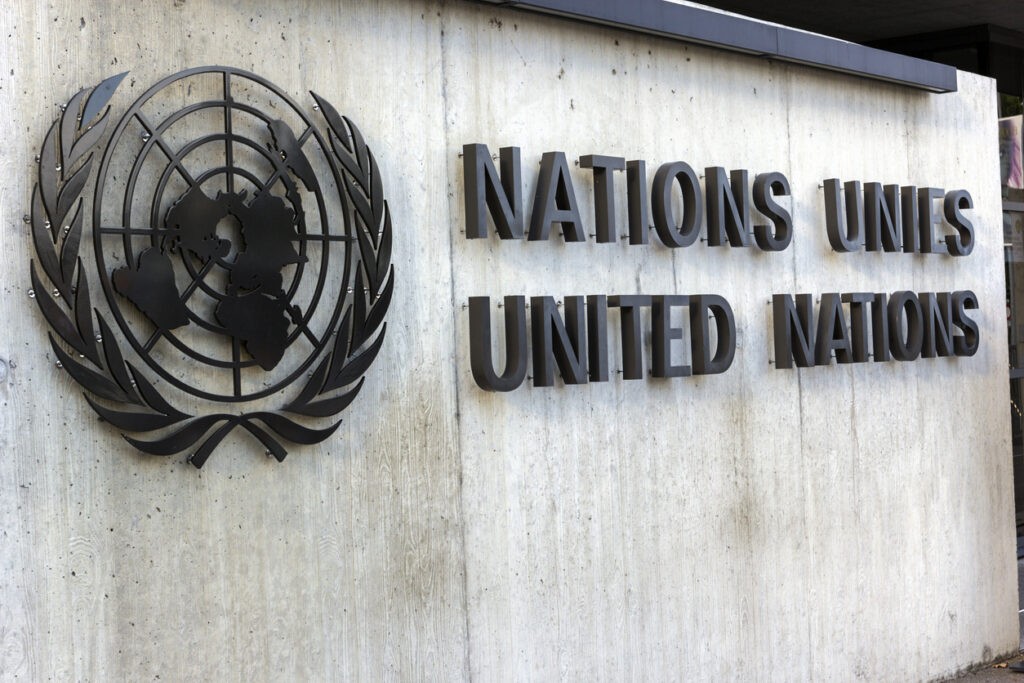
The resolution “2025: International Year of Peace and Trust” was unanimously adopted at the 63rd plenary session of United Nations General Assembly‘s 78th session — a resolution that was put forth by the delegation from Turkmenistan. The resolution was suggested to increase trust between nations, and encourage disputes to be settled peacefully through diplomatic channels.

Eighty-six members of the organization voted to accept the resolution.