Veronika Lerner is a successful, self-taught Fine Art photographer from Kazakhstan whose work has received international recognition. Early in her career, an image of her grandmother sitting near-naked in her kitchen, was selected for inclusion in the portrait collection of the prestigious 5th Exposure Award exhibition at the Louvre, Paris. Deemed controversial when it appeared online, it embodied Lerner’s interest and talent in conceptual photography. Her portraits have been placed in the international ‘Shoot The Face’ competition as well as ‘My Amazing Kazakhstan’, and in 2016 and 2022, her series “Strangers” was featured in exhibitions in St. Petersburg.
One of Kazakhstan’s finest contemporary photographers, Veronika continues to make a significant contribution to the development of Kazakh photography.
TCA: What inspired you to take up photography?
I turned to photography in 2007, when studying to be an artist-designer at college. I had no formal art school training and though keen to develop my own style in drawing, was disillusioned when criticized for my use of shading. Photography allowed me more freedom and with no one editing what I was doing, I was able to express myself fully.
TCA: How has your career evolved and what changes have you noticed in the field along the way?
After college, I continued taking photos and a post with a print publication led to a second job in which I was required to photograph just about everything. Parallel to my job, I worked independently on creative shoots and by developing my practice, my career in photography was soon in full swing. During that period, my style became much lighter and more cheerful. I moved away from black and white contrast shots towards color and my images became airier and more dynamic.
TCA: Where do you find inspiration for your work? Are there any photographers in particular whose work you admire?
I find inspiration in everyday life, new experiences, and the beauty of the world around me.
Henri Cartier-Bresson (1908-2004), is a brilliant photographer. Working as a photo-journalist for Magnum, he pioneered street photography and was the first Western photographer to work ‘freely’ in the former Soviet Union. Capturing seemingly unimportant moments of ordinary life, there is something elusive and eternal about his work.
I greatly admire photographers whose work resonates with the contemporary culture.
Irina Dmitrovskaya was a journalist prior to attaining a degree from Docdocdoc, St Petersburg School of Modern Photography. Focusing on identity and societal constructs, and issues concerning the LGBT+ community, her work raises questions about the Kazakh perception of beauty and femininity and last year, was lauded in the exhibition ‘Bodily Autonomies’ at the Queer Festival, Heidelberg. https://queer-festival.de/bodily-autonomies/
I am also inspired by black and white images in which by Moscow-based Anisiya Kuznina, https://anisiakuzmina.com explores the concept of individuality; by Evgeny Mokhorev https://heyboymag.com/evgeny-mokhorev-life-through-the-lens-of-emotion-controversy/ for his raw, black and white evocative studies of St Petersburg’s marginalized youth, and by Didar Kushamanov https://t.me/s/kushamanov for his use of camera obscura.
In addition to work by other photographers, my approach to subject matter is often influenced by contemporary authors.

TCA: How, in your opinion, does Kazakh photography compare with that of other countries?
Photography in Kazakhstan is characterized by local flavour and colour. We have many excellent reportage and art photographers whose work is distinguished by its reference to national themes.
TCA: How would you assess the current state of Kazakhstan’s market for photography? Are there any unique trends or peculiarities?
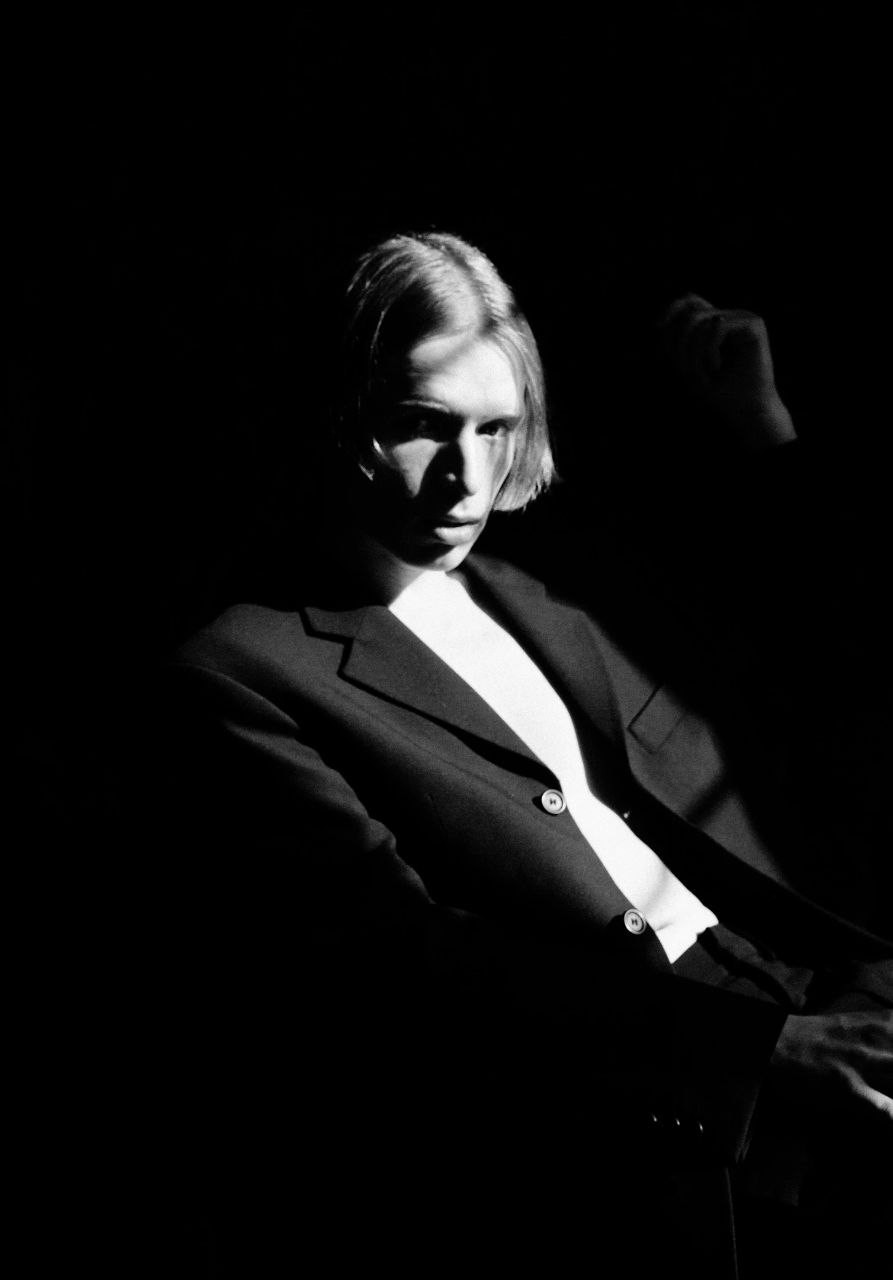
The current market for photography in Kazakhstan is quite popsy and brightly-coloured pictures are very much in demand. Black-and-white images in the main, are the reserve of professional and amateur photographers who use the medium as a form of Fine Art.
TCA: What are the main challenges facing photographers in Kazakhstan?
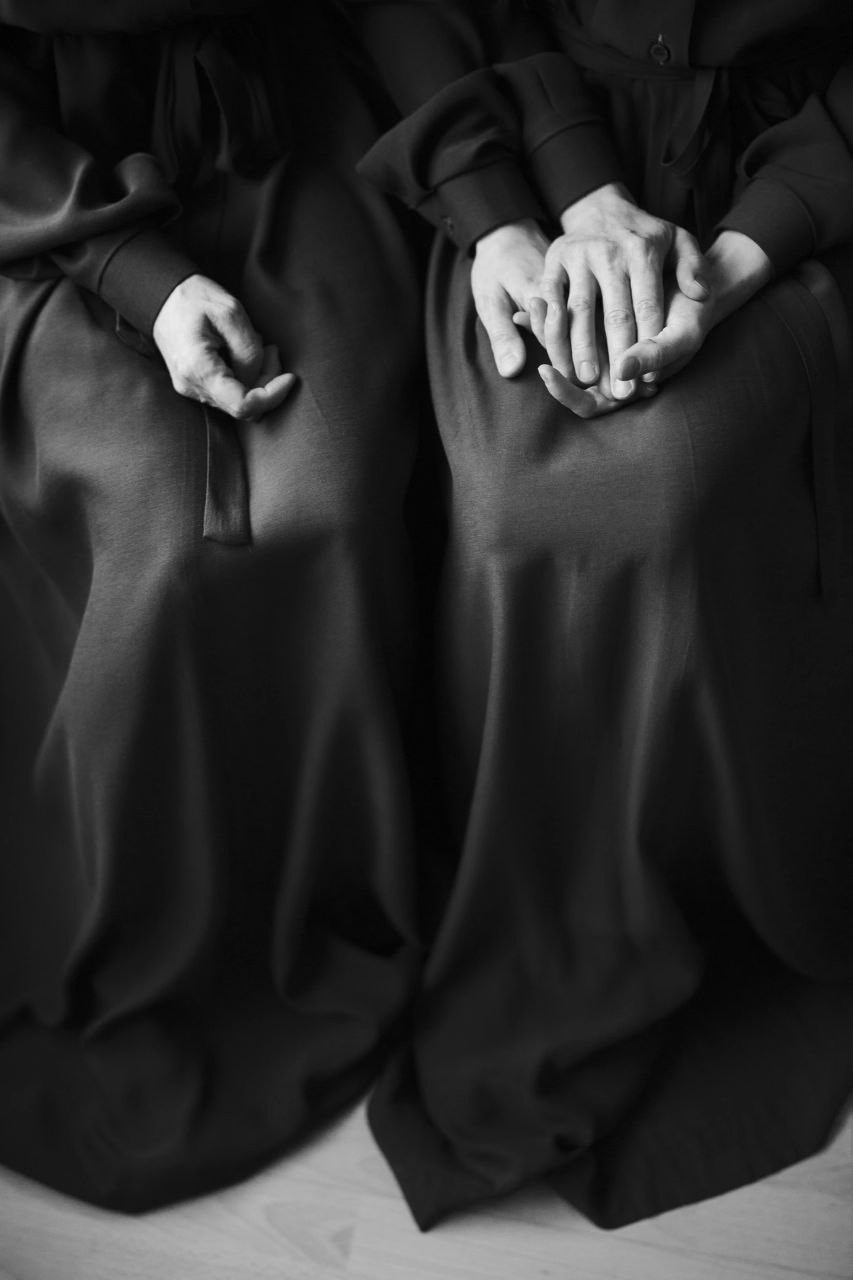
As a photographer, author, and artist, I acknowledge that in general, most people are attracted by colourful images of things with which they are familiar or are easily understood. As a result, they dismiss or struggle to engage with monochrome images of more conceptual subject matter.
I would like to see more opportunities to expand the exposure of Fine Art photography and by educating the public, attract more interest in this genre.
TCA: What opportunities exist for training and the professional development of photographers in Kazakhstan?
In Kazakhstan, education regarding photography is quite good, comprising numerous courses, master classes and educational programs for both beginners and amateur-professionals, both face-to-face and online.
TCA: What role does Kazakhstan’s culture play in contemporary photography?
Kazakh art was traditionally confined to the applied arts – textiles, jewellery, metalwork etc.- and fine art -painting, drawing, sculpture-, did not emerge until the 20th century via exposure to classical Russian art. Photography was a relatively latecomer but from the outset, has been significantly informed by national culture; a ‘special branch’ where Kazakhstan’s colourful history, contemporary life and nature are fully explored and conveyed.
TCA: How do you envisage the future of the photography in Kazakhstan?
Kazakhstan is home to a lot of highly talented photographers who by actively experimenting with the medium and unafraid of pushing boundaries, are making themselves known both here and abroad.
The industry is undoubtedly gathering pace and the future is promising.