• KGS/USD = 0.01144 0%
  • KZT/USD = 0.00212 0%
  • TJS/USD = 0.10456 0.19%
  • UZS/USD = 0.00008 0%
  • TMT/USD = 0.28490 0%
  • KGS/USD = 0.01144 0%
  • KZT/USD = 0.00212 0%
  • TJS/USD = 0.10456 0.19%
  • UZS/USD = 0.00008 0%
  • TMT/USD = 0.28490 0%
  • KGS/USD = 0.01144 0%
  • KZT/USD = 0.00212 0%
  • TJS/USD = 0.10456 0.19%
  • UZS/USD = 0.00008 0%
  • TMT/USD = 0.28490 0%
  • KGS/USD = 0.01144 0%
  • KZT/USD = 0.00212 0%
  • TJS/USD = 0.10456 0.19%
  • UZS/USD = 0.00008 0%
  • TMT/USD = 0.28490 0%
  • KGS/USD = 0.01144 0%
  • KZT/USD = 0.00212 0%
  • TJS/USD = 0.10456 0.19%
  • UZS/USD = 0.00008 0%
  • TMT/USD = 0.28490 0%
  • KGS/USD = 0.01144 0%
  • KZT/USD = 0.00212 0%
  • TJS/USD = 0.10456 0.19%
  • UZS/USD = 0.00008 0%
  • TMT/USD = 0.28490 0%
  • KGS/USD = 0.01144 0%
  • KZT/USD = 0.00212 0%
  • TJS/USD = 0.10456 0.19%
  • UZS/USD = 0.00008 0%
  • TMT/USD = 0.28490 0%
  • KGS/USD = 0.01144 0%
  • KZT/USD = 0.00212 0%
  • TJS/USD = 0.10456 0.19%
  • UZS/USD = 0.00008 0%
  • TMT/USD = 0.28490 0%

Germany Increases Investment and Trade in Kazakhstan

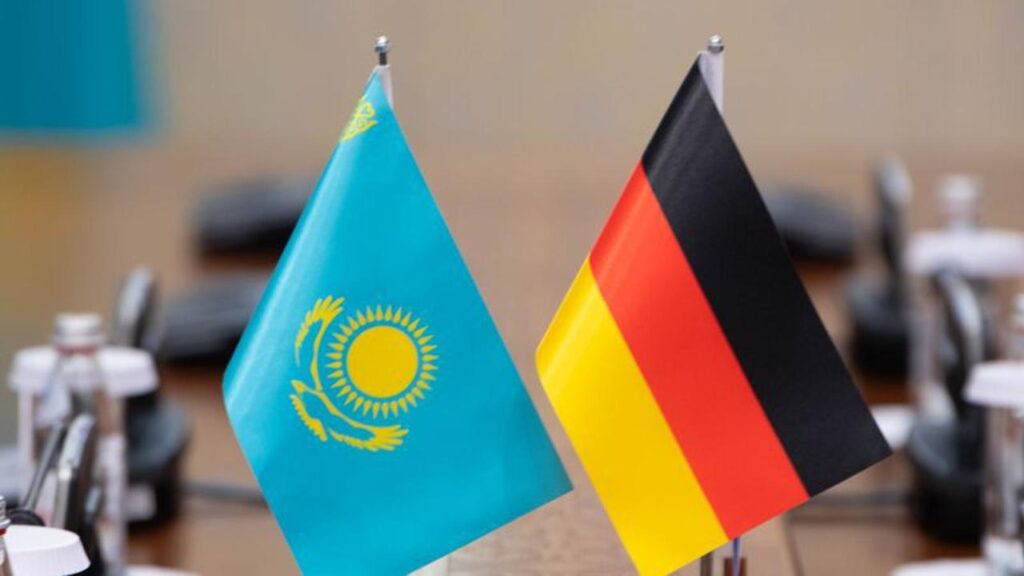
In a report on the implementation of Kazakh-German projects at a meeting of the Investment Promotion Council on 24 April, Kazakh Invest stated that investment from Germany in Kazakhstan reached an all-time high of $770 million in 2023.

To date, the pool of German initiatives planned for Kazakhstan includes 63 projects with a value of around $54.4 billion and the potential to create 14.7 thousand jobs. The 32 projects already in operation, have created some 6,000 permanent posts.

Bilateral trade turnover between Kazakhstan and Germany is also very positive , having leapt by 24.7% in 2022 and 41.3% in 2023.

Kazakhstan, as its key partner in Central Asia, currently ranks as one of Germany’s top 50 trading partners.

Kazakhstan Repurposing Floodwater

In a strategic response to the unprecedented spring flooding this year, Kazakhstan is channeling its efforts towards harnessing the disastrous floods to its advantage. The Ministry of Water Resources and Irrigation in Kazakhstan has embarked on a program to utilize the massive floodwaters for future irrigation and environmental sustainability.

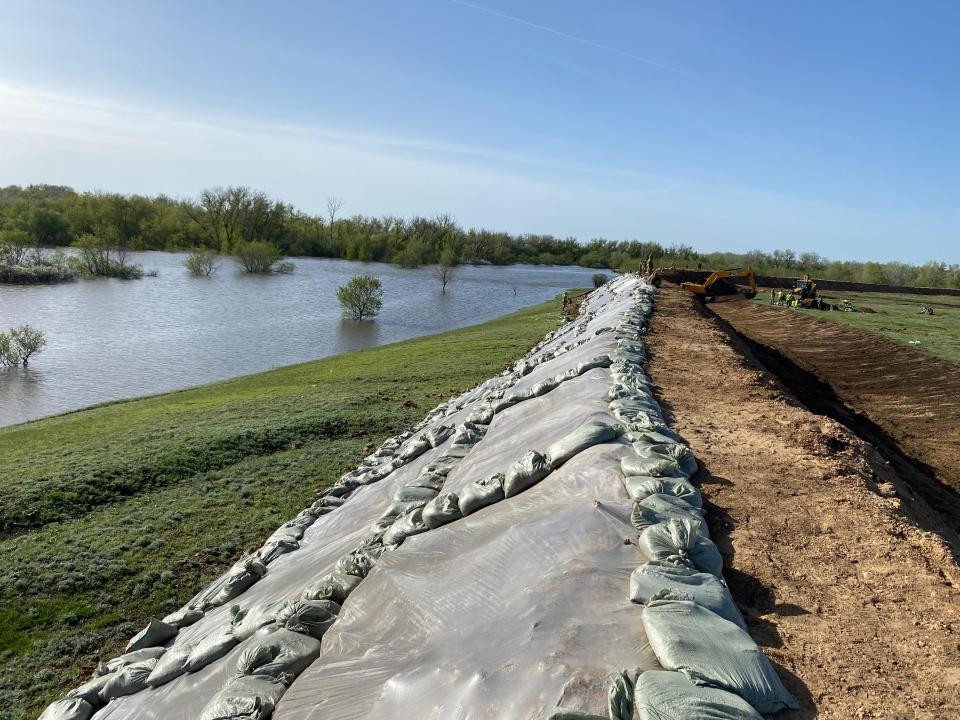
In the Atyrau region, which has faced significant flooding, the ministry’s subdivision has taken the initiative of digging 14.5 kilometers of new canals. These aim to redirect the surplus water from the Zhaiyk (Ural) River directly to the Caspian Sea, thereby mitigating the risk of damage in the city of Atyrau. This redirection not only safeguards the city, but also conserves water. According to estimates, up to a quarter of the Caspian Sea – an area the size of Portugal – could be set to disappear by the end of the century.

In the West Kazakhstan region, discharge from the Ural-Kushum irrigation system into the Kamysh-Samar lakes, which have been dry for two decades, has been reported, marking a significant step towards reviving these reserves. Meanwhile, the Tobol River has recorded high water levels for the first time since 2000. The reservoirs of the Tobol River cascade have managed the floodwaters and are now 92% full – a record in recent times.

The Astana Reservoir, meanwhile, is being filled with floodwater with the aim of securing drinking water supplies for the capital for the forthcoming year. In 2023, a shortfall necessitated additional costly water supplies to be redirected from the Satpayev Canal.

In the Akmola region, having been filled with floodwater, irrigation systems such as Alva and Kenbidike are now at full capacity. Rivers in the Tselinograd region have also been replenished, directing a substantial volume of 1.5 billion cubic meters of water towards Lake Tengiz. Furthermore, the Karaganda region’s reservoirs are now brimming, ensuring the region’s needs are covered for the next year. Water from the Kengir Reservoir in the Ulytau region has also been discharged into the Sarysa River, flowing into the Kyzylorda region’s lake system and enhancing its agricultural prospects.

The Almaty region has also benefited from an increased flow from the trans-boundary Ili River into the Kapchagay Reservoir, adding approximately 2.3 cubic kilometers of water into environmentally-threatened Lake Balkhash.

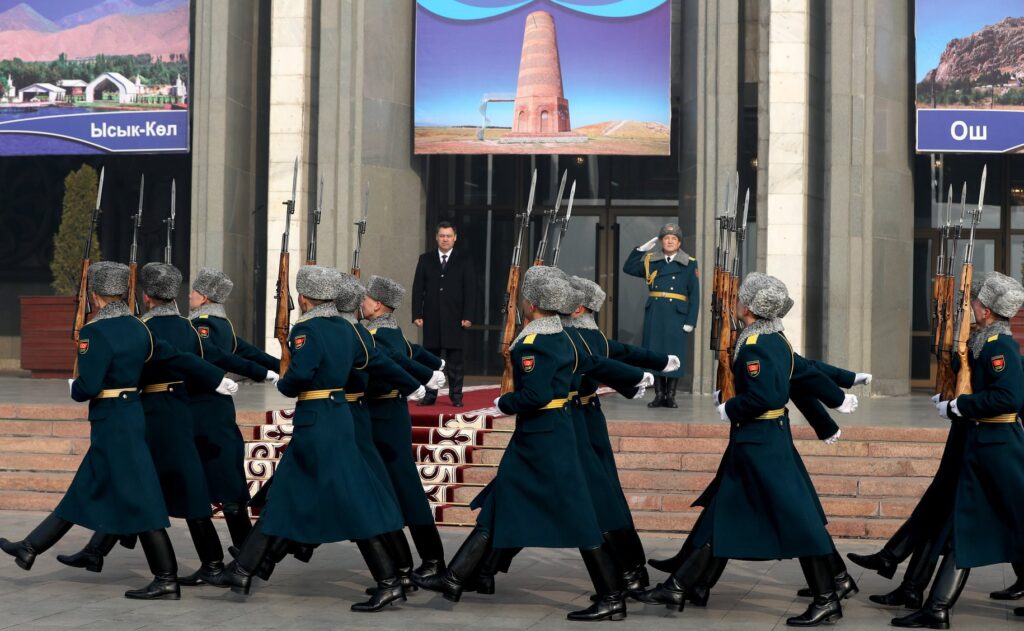
Kyrgyz Servicemen Will Be Allowed to Buy Their Military Housing

A new law in Kyrgyzstan allows military personnel who have served in the Kyrgyz army for more than 20 years to purchase their government-issued housing for temporary use. Additionally, families of servicemen killed in the line of duty — and former members of the military themselves — can submit claims for housing.  The state-assigned apartment can be bought out, or, under certain conditions, can be obtained free of charge.

“To military servicemen, dismissed to the reserve or retired by age, health, redundancy or family and other important circumstances and having a length of service of 20 calendar years or more, as well as family members of a serviceman who died or died in the performance of military service, occupied or provided them with service apartments at their chosen place of residence are transferred to personal ownership free of charge,” reads the text of the law.

The issue of service housing had previously been raised by the Ministry of Defense. The ministry believed that employees should be able to own their state housing during their service, and not only upon retirement. The ministry says it believes the legislative changes will raise the status of the Kyrgyz army.

According to official data, more than 3,000 military personnel live in cramped conditions in the country. The authorities pay rent compensation to such service members in the amount of $100 per month.

Kyrgyz Football Gets Boost as Construction Starts on New Stadium

Kyrgyzstan is building a 45,000-seat stadium designed to host Asian Football Confederation finals as well as FIFA group matches. This week, President Sadyr Japarov announced that construction on the new stadium near Bishkek had begun and would take two years. Local and Turkish architects and engineers are involved, and there are also several advisers from Britain, he said.

The shape of the stadium will aim to evoke a yurt, a circular tent that was a staple of nomadic life in Central Asia for millennia.

Last year, FIFA President Gianni Infantino urged Kyrgyzstan to build a new football stadium to help develop the sport there.

Kyrgyzstan’s national team does not have its own dedicated stadium. Currently, it plays matches at the Dolen Omurzakov Stadium in Bishkek. The facility, which can hold about 23,000 spectators, is also used by two local clubs.

AI Takes Hold in Kazakhstan’s Finance Industry

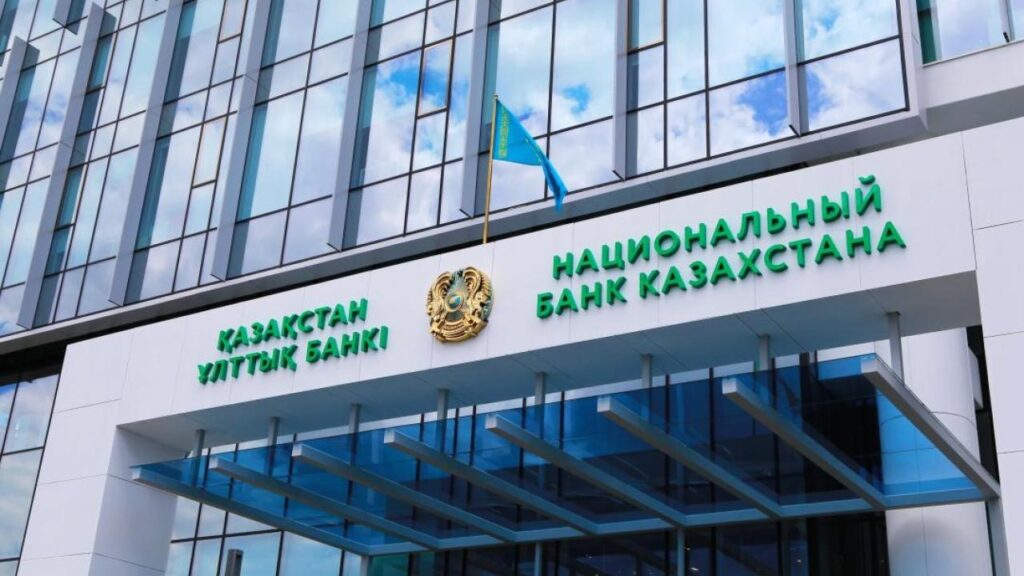
The National Bank of Kazakhstan has conducted a survey on the prospects for developing artificial intelligence (AI) in the country. The results of this survey showed that 31% of respondents who work in the finance industry are already using AI in their work.

Analysts from the National Bank concluded that AI technologies are gaining popularity in Kazakhstan, with domestic banks becoming leaders in implementing AI in business processes. Among the most popular AI technologies in the Kazakhstani financial market are machine learning and computer vision — as well as large language models (LLMs) and natural language processing. This indicates a wide range of innovative technologies are being applied to various financial activities.

However, besides the sheer potential of the technologies, major barriers to further development of AI in the country have also been identified. These include lack of infrastructure and computing power, lack of security standards for AI products, difficulties in accessing data, and unreliable internet connections. The lack of an active national research and development (R&D) institute and low demand for AI products among potential customers were also cited.

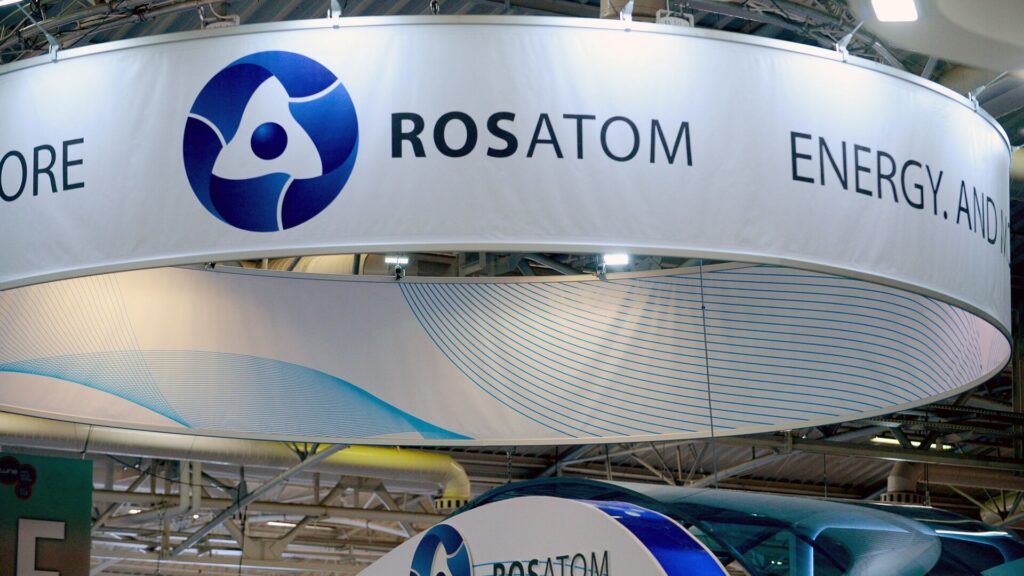
Rosatom Set to Build Small Nuclear Power Plants in Uzbekistan

Russian state nuclear power corporation Rosatom is ready to offer lower-capacity nuclear power plant (NPP) projects to Uzbekistan. That’s according to comments made by Denis Manturov, Russia’s Minister of Trade and Industry, at the fourth annual international industrial exhibition, Innoprom, Central Asia.

“Currently, the Rosatom state corporation and the Uzatom agency are working out the general contract for the construction of a nuclear power plant. This is a large-scale and complex project. Rosatom is ready to offer Uzbekistan additional solutions, including solutions related to low-power nuclear power plants,” Manturov said.

According to Manturov, who is also a Deputy Prime Minister, the site for the construction of the NPP has already been chosen, and the spot is located near Tuzkon Lake in the Jizzakh region, which studies have confirmed is a favorable place. In addition, the optimal technical configuration for the project has already been determined. Rosatom plans to build a complex consisting of two power units with VVER-1200 reactors.

“Now, together with Uzbek and international experts, technical issues related to the integration of the nuclear power plant into the energy system, cooperation with renewable energy sources, reducing the volume of water for the use of the plant and maximum production of electricity are being considered taking into account the climatic characteristics of the region,” Manturov stated.