• KGS/USD = 0.01144 0%
  • KZT/USD = 0.00214 0%
  • TJS/USD = 0.10508 0.48%
  • UZS/USD = 0.00008 0%
  • TMT/USD = 0.28490 -0.28%
  • KGS/USD = 0.01144 0%
  • KZT/USD = 0.00214 0%
  • TJS/USD = 0.10508 0.48%
  • UZS/USD = 0.00008 0%
  • TMT/USD = 0.28490 -0.28%
  • KGS/USD = 0.01144 0%
  • KZT/USD = 0.00214 0%
  • TJS/USD = 0.10508 0.48%
  • UZS/USD = 0.00008 0%
  • TMT/USD = 0.28490 -0.28%
  • KGS/USD = 0.01144 0%
  • KZT/USD = 0.00214 0%
  • TJS/USD = 0.10508 0.48%
  • UZS/USD = 0.00008 0%
  • TMT/USD = 0.28490 -0.28%
  • KGS/USD = 0.01144 0%
  • KZT/USD = 0.00214 0%
  • TJS/USD = 0.10508 0.48%
  • UZS/USD = 0.00008 0%
  • TMT/USD = 0.28490 -0.28%
  • KGS/USD = 0.01144 0%
  • KZT/USD = 0.00214 0%
  • TJS/USD = 0.10508 0.48%
  • UZS/USD = 0.00008 0%
  • TMT/USD = 0.28490 -0.28%
  • KGS/USD = 0.01144 0%
  • KZT/USD = 0.00214 0%
  • TJS/USD = 0.10508 0.48%
  • UZS/USD = 0.00008 0%
  • TMT/USD = 0.28490 -0.28%
  • KGS/USD = 0.01144 0%
  • KZT/USD = 0.00214 0%
  • TJS/USD = 0.10508 0.48%
  • UZS/USD = 0.00008 0%
  • TMT/USD = 0.28490 -0.28%

Swiss Holding to Invest in Kazakhstan

At a meeting on March 19th between Yerzhan Yelekeyev, chairman of Kazakh Invest, and representatives of Eurasia Swiss Holding AG, the latter announced its intention to invest in two new projects in Kazakhstan.

The Swiss holding company plans to build an innovative medical centre equipped with positron emission tomography and computed tomography services. According to Gulmira Amatova, director of Eurasia Swiss Holding Investment LLP, a subsidiary of Eurasia Swiss Holding AG, the centre will provide wide public access to new technologies and methods of tomography which will significantly enhance the quality of life of cancer patients.

The second initiative planned by the Swiss holding company at a cost of $62 million, comprises the construction of dairy farms and a dairy plant in Kazakhstan’s northern Kostanay region.

Eurasia Swiss Holding AG looks forward to concluding an investment agreement with the Government of Kazakhstan on both projects.
Kazakhstan And Uzbekistan To Install Transboundary Water Meters

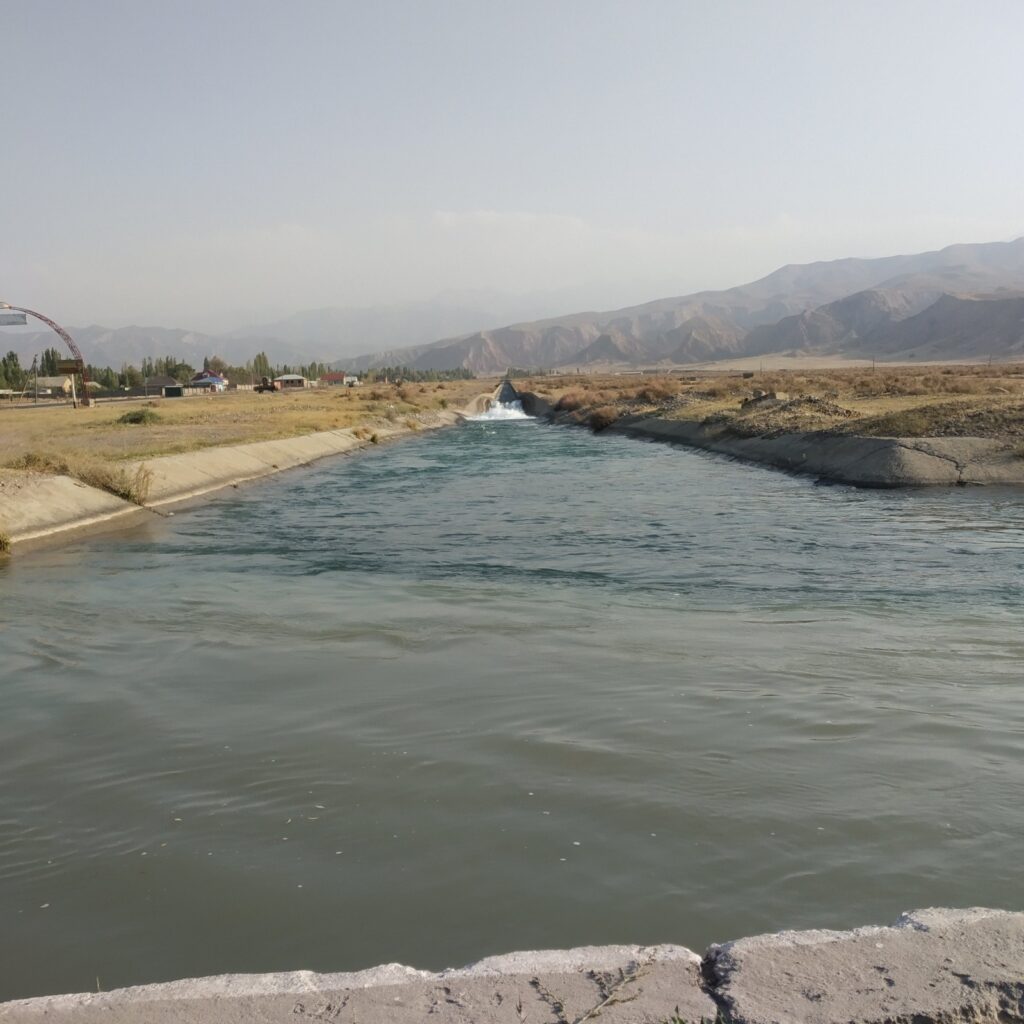
Since the use of transboundary water resources for irrigation remains a pressing issue in Central Asia, Kazakhstan and Uzbekistan have agreed to install meters to calculate the exact volume of water consumed by both countries.

Kazakhstan will install meters on the territory of Uzbekistan, and the Uzbek side will install meters in Kazakhstan. Experts from both countries are currently determining the best locations of the meters. Negotiations are also underway for the involvement of international organizations in the project.

Emphasizing the importance of the agreement for Kazakhstan, which is located downstream of the region’s rivers, the Minister of Water Resources and Irrigation of Kazakhstan, Nurzhan Nurzhigitov stated, “The installation of meters will make it possible to monitor the volumes of water consumed by both countries online. In April, we plan to begin negotiations on the implementation of similar projects with Kazakhstan’s other neighbours.”

Kyrgyzstan’s ‘Be Responsible!’ Health Program Screens 680,000 Men

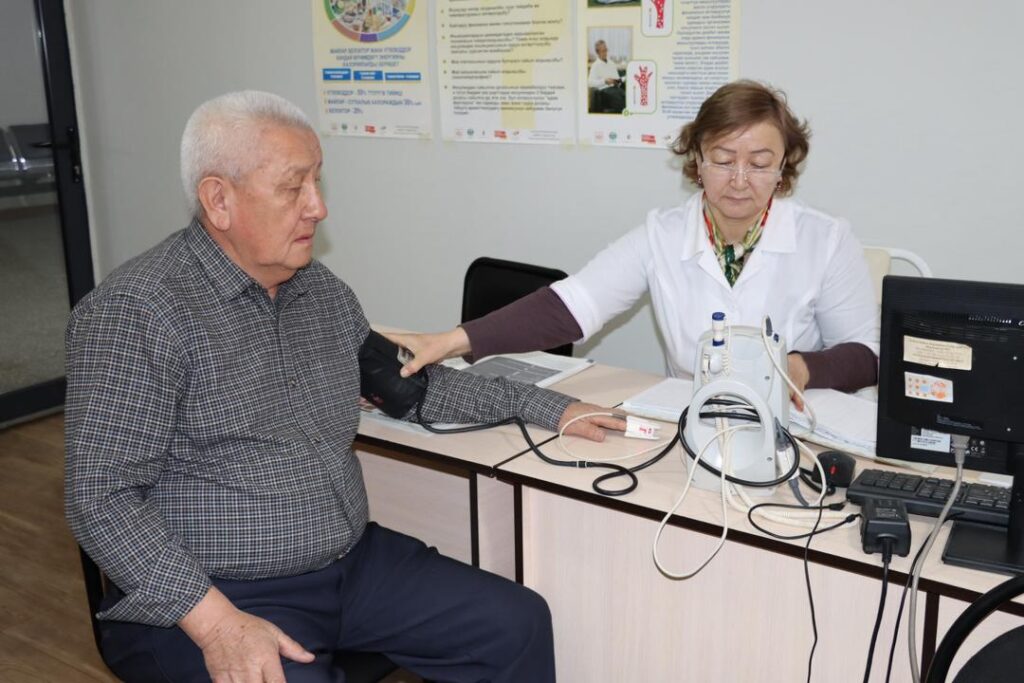
The key aim of Kyrgyzstan’s ‘Be Responsible!’ program is to encourage men to attend primary health care institutions for check-ups and specifically, the early detection of non-communicable and chronic diseases.

According to a new report by the country’s Ministry of Health, in just under a month, more than 680,000 men visited family doctors. For 149,000, it was either their first ever visit or the first in two years.

The Ministry of Health’s press centre hailed the success of the widespread campaign to attract attendances saying, “More than 44,000 men were categorized as having a high risk of cardiovascular diseases, and almost 33,000, a high risk of diabetes. The total number of men who visited medical institutions amounted to 47 percent of those over 18 years of age living in the country.”

Cardiovascular disease, cancer, lung disease and diabetes are categorized as chronic diseases. Data collected by the ministry indicates that in 2022, 52.1% of the mortality rate in men was caused by cardiovascular disease; 12.2% by cancer, and 5.5% by respiratory diseases.

Doctors also drew attention to poor nutrition including a high salt intake and insufficient consumption of fruits and vegetables; the use of tobacco, alcohol abuse, and low levels of physical activity as contributing factors to poor health.

With financial support from the Swiss government, the first screening campaign for Kyrgyz men was conducted in 2019. In response to doctors’ reports of the rising number of men taking better care of their health, the Ministry of Health issued an order for the program to be conducted nationwide, on an annual basis, from 2023 onwards.

Uzbekistan Plans to Increase Exports of Agricultural Products to $3.5 Billion Annually

President Shavkat Mirziyoyev visited the Uzbek Plant Quarantine and Protection Agency on March 18, the president’s official website says, where officials discussed the agency’s mandate for managing the cultivation of exportable goods and identifying new markets for them. It’s anticipated that projects like those managed by the agency will help increase agricultural product exports to $3.5 billion this year. The amount of agricultural exports in 2023 was close to $2 billion.

Measures related to the production of fruits and vegetables date back to an agreement from January 18, 2019, when guidelines were adopted during online meetings on export and industrial matters. The Plant Quarantine and Protection Agency, in particular, was entrusted with executing the agreement.

One of the projects is a mobile application called Agroko‘makchi, which provides services related to plant protection, helpful information, export advice, and deeper familiarity with agricultural subjects. Exporters in Uzbekistan can connect with buyers overseas through the Asiaexport.se platform. Information is posted on the platform about a wide range of products, including fruits, vegetables, dried fruits, juices, household goods, confectionery, textiles, leather goods, and pharmaceuticals.

Additionally, officials shared details regarding the agency’s collaboration within the ePhyto global solution innovation system. With this system, phytosanitary certificates can be electronically exchanged with 119 nations. This year, eight more countries will receive phytosanitary permits for 25 types of products.

Ten mobile labs will be set up around the regions this year. Over 3,000 vineyards, 6,000 gardens, 344 packaging businesses, and more will all be brought into compliance with foreign phytosanitary regulations. Digitalization of pesticide trade and inventories is aimed at ending the illicit import of low-quality pesticides into Uzbekistan.

Samarkand Replaces Paris as Host of UNESCO Conference

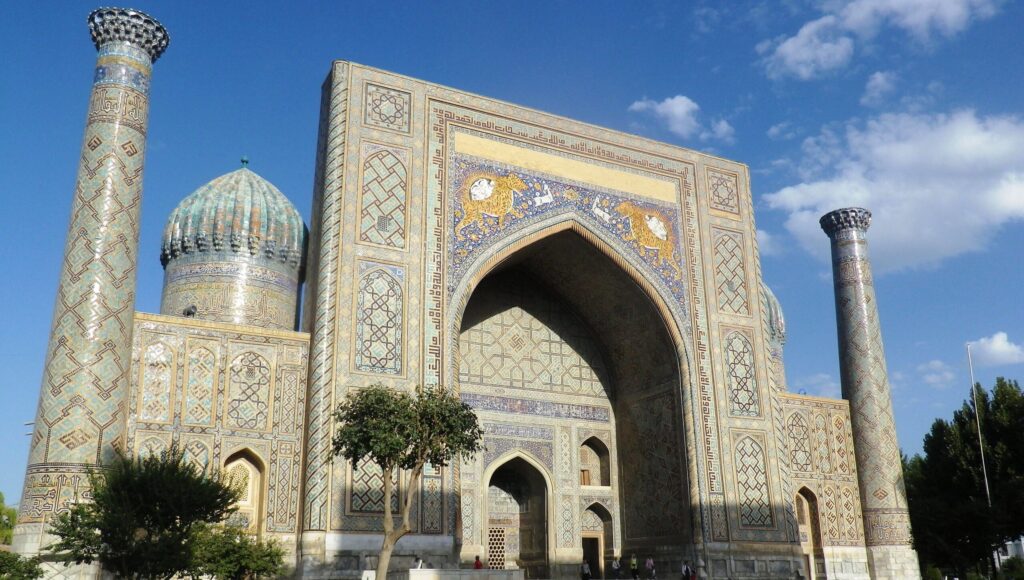
The Silk Road Samarkand tourism and convention complex will host the 43rd session of the UNESCO General Conference in 2025 — the first time the globally significant event will be held outside of Paris since 1985. The conference will focus on discussions and decisions on UNESCO’s activities. Besides Samarkand, conference events will also be held in the cities of Tashkent, Bukhara, Khiva and Shahrisabz.

Samarkand was not chosen as the host venue by chance. Not only is it a great historical open-air museum city, but it has also managed to host a number of important international events over the past six months.

At next year’s UNESCO conference, officials plan to develop projects for establishing the State Museum of the Great Silk Road in Samarkand, restoring Amir Timur’s gardens, restoring the Bibi-Khanum complex — as well as a master plan for protecting the historical center of Bukhara, which is on the UNESCO World Heritage List.

Samarkand, by the way, has recently become the subject of heated debate over the construction of the ethnographic tourist center Bokiy Bukhoro (Eternal Bukhara) on the borders with the historical center and buffer zone of Bukhara. The complex, which will occupy an area of 32.6 hectares, involves the demolition of 29 state facilities, including the buildings of the hokimiyats (municipal offices) of Bukhara region and Bukhara city, the regional prosecutor’s office, school No. 2, Bukhara State Medical College, College of Culture, Bukhara Arena stadium and others.

Since 2017, 14 unique examples of Uzbek national cultural heritage have been included in the UNESCO lists. Bukhara was included in the UNESCO Creative Cities Network, and last September, the 1,050th anniversary of the birth of the great polymath and scholar Abu Rayhon Beruni was widely celebrated at UNESCO headquarters.

Turkmenistan Bans Iranian Colas and Face Creams

Authorities in Turkmenistan have introduced a number of new import restrictions, according to a report by correspondents from the Chronicles of Turkmenistan.

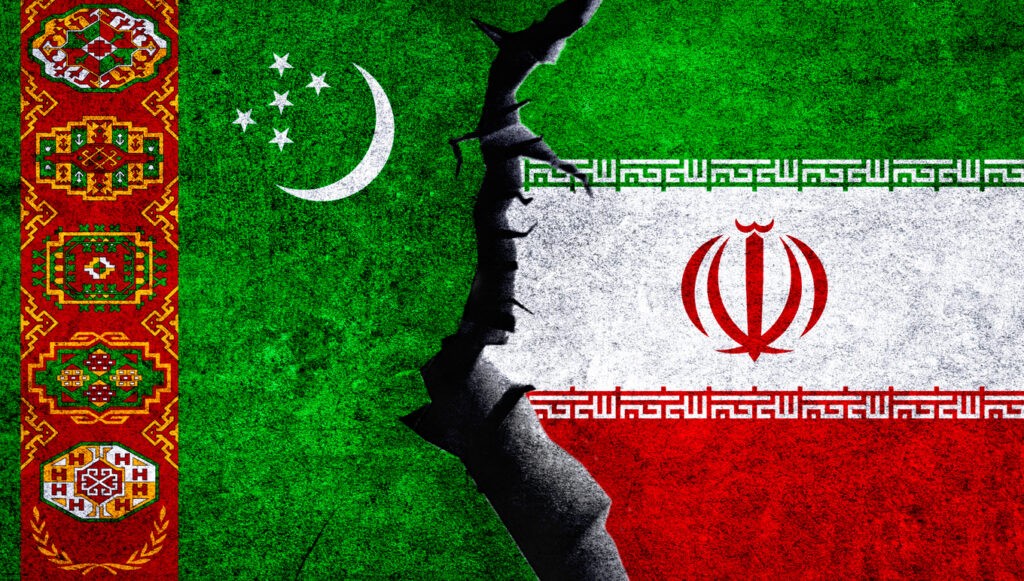
At the request of Iran, the Bajgiran border crossing with Turkmenistan was closed from February 25 to March 11. The crossing is now operational, but imports of bottles of cola and hand and face cream from Iran are forbidden. Customs officials cited the discovery in February of multiple individuals smuggling drugs in cola and face cream bottles as justification for the import ban on those specific goods.

Permits for commercial border crossings are granted for six months at a time, and certificates and other paperwork have to be compiled by those who wish to extend their permits. These are now only accepted on one working day per month, as opposed to previously being accepted on any working day. The one working day per month is also subject to change. On that one day, authorities will accept documents from up to 100 people.

The prohibition on import of goods that are in high demand has already dealt a serious blow to cross-border merchants and traders — even though many of them have valid permits to enter the neighboring country, and the prospects for getting new ones include a long, arduous process.