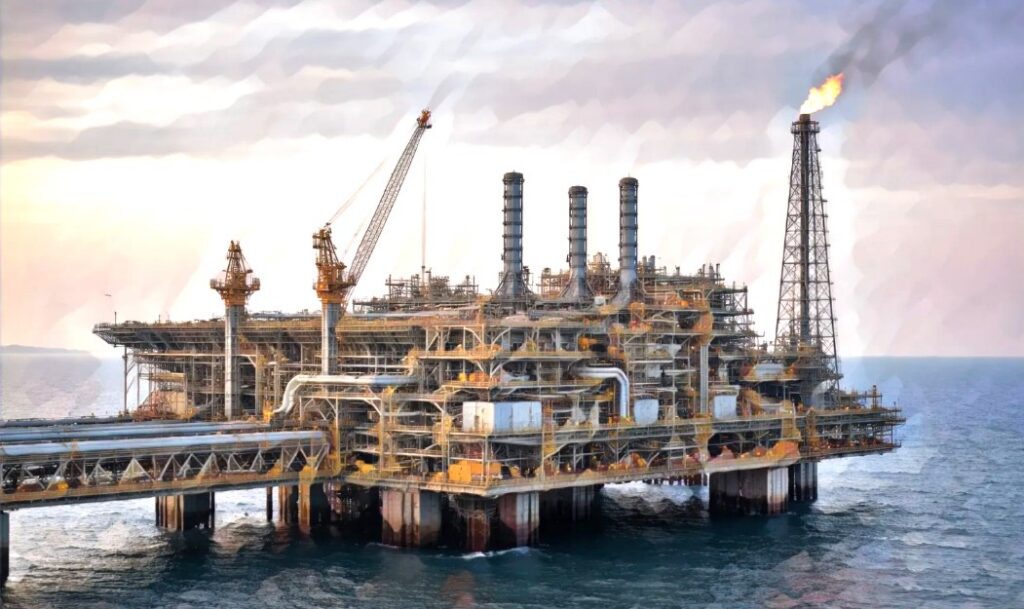
Turkmenistan has signed a new agreement with China National Petroleum Corporation (CNPC) to advance the fourth phase of development at the Galkynysh gas field, one of the largest gas deposits in the world.
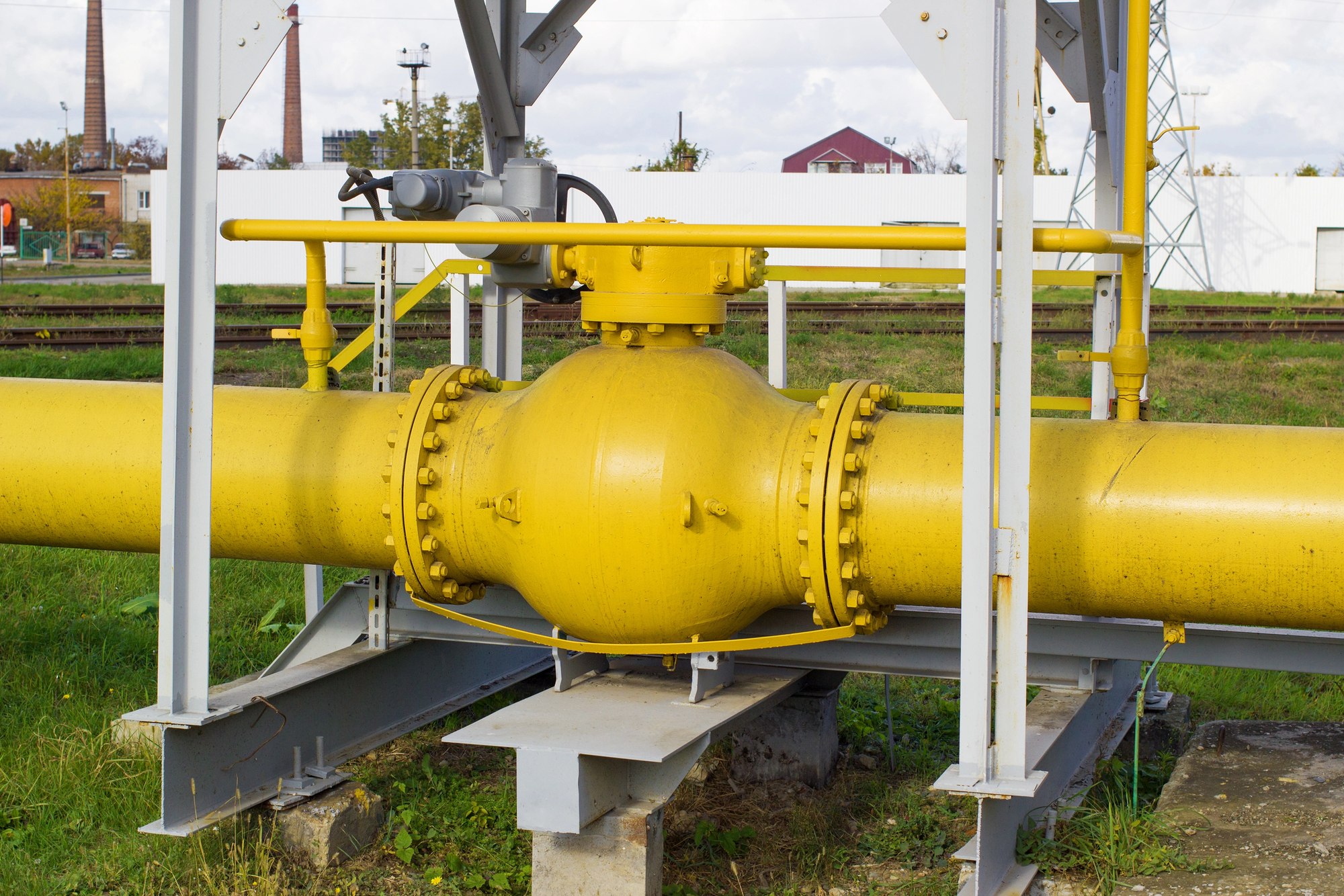
According to the state news agency TDH, CNPC will design and construct production facilities on a turnkey basis, including gas wells and infrastructure capable of processing up to 10 billion cubic meters of marketable gas annually.
The agreement follows a presidential decree authorizing the state concern Turkmengaz to conclude a contract with CNPC’s subsidiary, CNPC Amudarya Petroleum Company Ltd. The document provides for the construction of gas treatment facilities and the drilling of a sufficient number of production wells to maintain the planned output level.
According to reports by industry publication Nebit-Gaz, work on the fourth phase was expected to begin in early 2026. The overall development plan for the Galkynysh field is divided into seven phases. Information published on the Turkmengaz website, citing the international conference “Oil and Gas of Turkmenistan, 2025,” indicates that the first phase has already been completed and is operational. It includes three gas processing plants with a combined annual capacity of 30 billion cubic meters.
Turkmenistan possesses the world’s fourth-largest proven reserves of natural gas, yet its export routes remain limited. The majority of gas exports, estimated at between 80% and 90%, are directed eastward through the Central Asia-China pipeline network, often referred to as the Turkmenistan-China corridor. This has resulted in a high degree of dependence on a single export destination.
Efforts to diversify export routes have encountered persistent challenges. Proposed projects involving increased deliveries through Iran, trans-Caspian connections via Azerbaijan, or pipeline routes toward South Asia have been constrained by infrastructure limitations, financing issues, and geopolitical factors.
Analysts also note that delays in engaging with initiatives such as the European Union’s Southern Gas Corridor in the early 2000s reduced opportunities to expand Turkmenistan’s export geography.