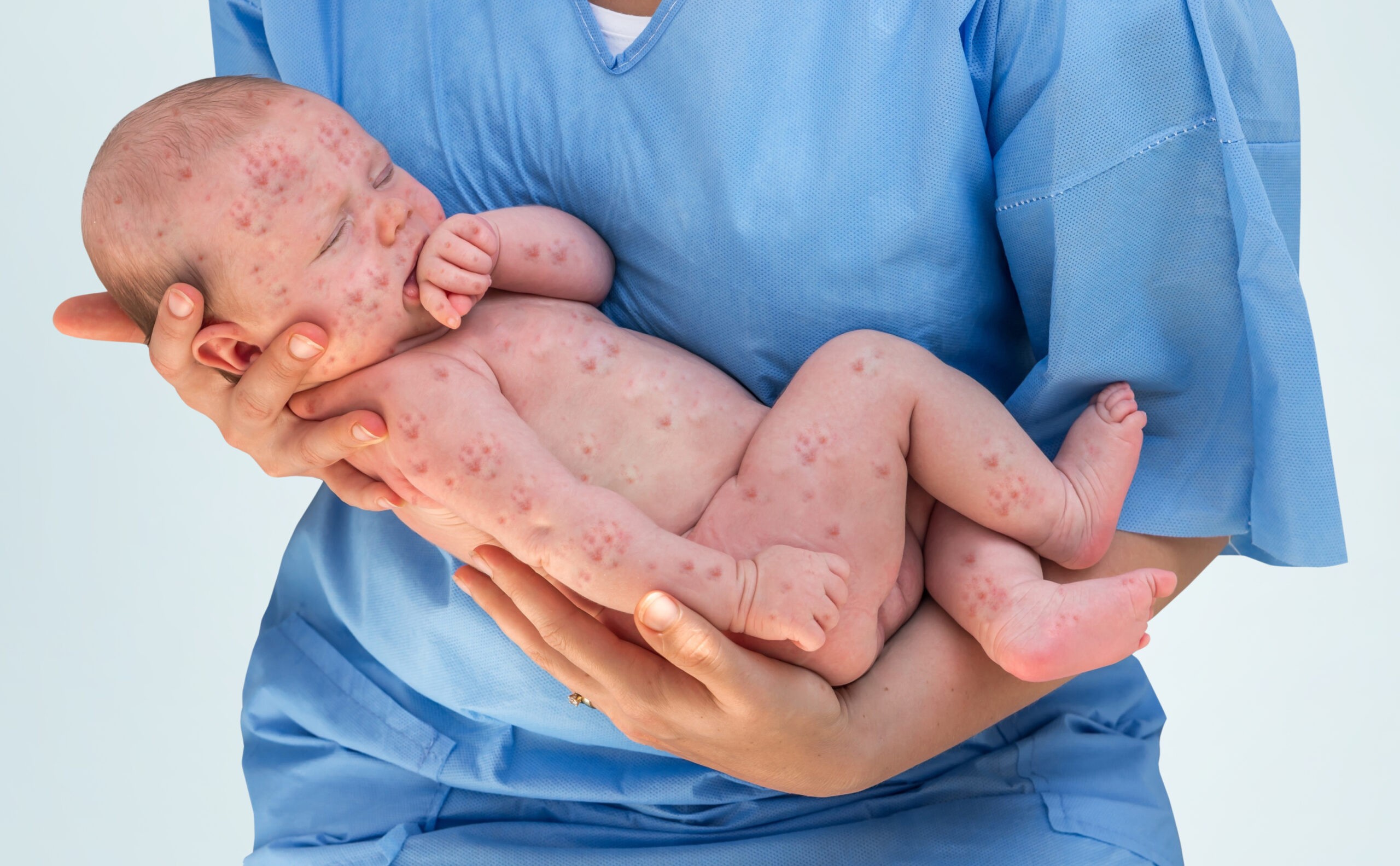
More children are vulnerable to disease and the risk of outbreaks is higher in Europe and Central Asia because coverage of childhood vaccines in 2024 remained below pre-pandemic levels, according to United Nations agencies. Still, some countries have pushed hard on vaccination campaigns and are currently reporting a slowdown in the spread of some infectious diseases – Kyrgyzstan, for example, said on Wednesday that measles cases are dropping.
Data released this week by the World Health Organization and UNICEF reveal a “stagnated recovery” for childhood vaccinations against measles, whooping cough and other diseases in 53 countries in Europe and Central Asia.
The average coverage of those vaccines remained the same or dropped by 1% in 2024 compared to the previous year, according to the agencies. They cited examples of the declines between 2019 and 2024, including 92% to 91% with the second dose of measles/mumps/rubella (MMR) vaccine, 95% to 93% with the third dose of diphtheria/tetanus/pertussis (DTP) vaccine and 95% to 93% with the third dose of the polio vaccine.
“In many ways, vaccination has been a victim of its own success across Europe and Central Asia,” said Regina De Dominicis, UNICEF’s regional director. “Today’s generation has not witnessed the devastating impact of vaccine-preventable diseases – leading to complacency and making it easier for misinformation to take hold.”
There was some progress in the coverage of newer vaccines, including against human papillomavirus (HPV), according to the U.N. data. Authors of the report urged governments to invest in health systems and make vaccines available.
Kyrgyzstan, in particular, has struggled with measles outbreaks. The Ministry of Health, however, says a massive vaccination campaign that reached up to 1 million children has borne results since what it called the “rampant” spread of measles last autumn and winter.
“From the beginning of the year to July 15, 8,672 confirmed cases of measles were registered in the republic,” the ministry said. But it said the number of new cases is gradually falling, with just 109 confirmed cases in the first two weeks of July.
Kazakhstan, which has also battled measles outbreaks, said this week that the number of infectious disease cases is slowing, according to the state Kazinform News Agency.