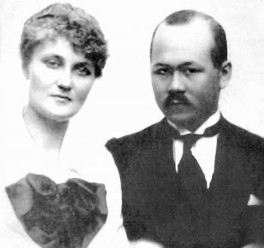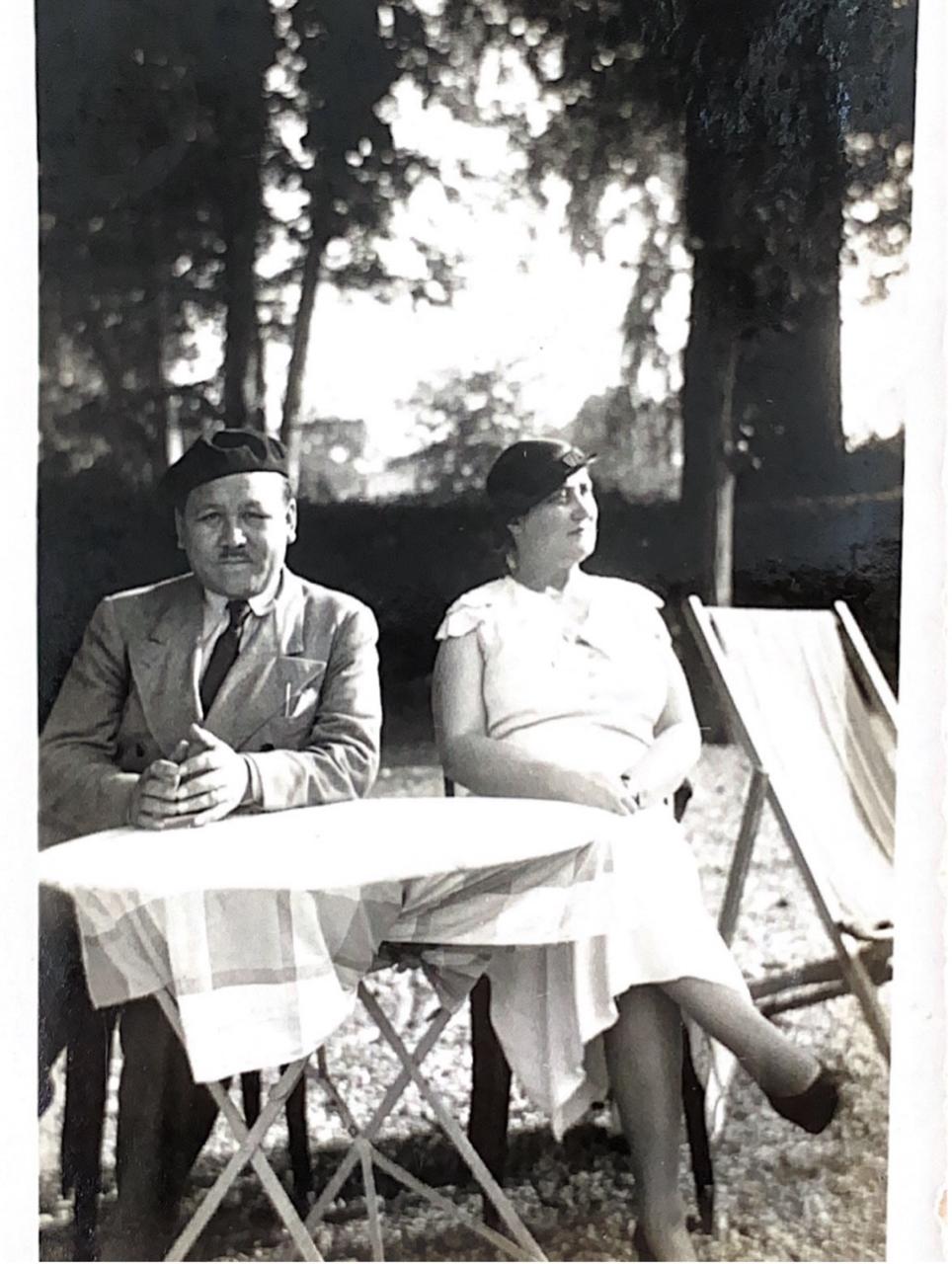
The National Museum in Astana has acquired a rare and historically significant family photo album belonging to Mustafa Shokay, a leader of the Alash Orda political movement of the 1920s that strove for Kazakh autonomy, and his wife, Maria Shokay. The original album was formally donated to the museum by Shokay’s relative, Gulbarshyn Zairova.
For decades, the album was safeguarded by the distinguished violinist Alim Almat (born Galymzhan Absalyamov), who survived wartime imprisonment with the help of Mustafa Shokay and later became a spiritual son to Maria Shokay. Almat eventually entrusted this valuable heirloom to Shokay scholar Bakyt Sadykova, who in turn passed it on to Zairova in 2022.

From the Shokay family archive
Reflecting on the importance of the donation, Zairova said: “This artifact was preserved for many years by Alim Almat, the first violinist who survived captivity during the war thanks to Mustafa Shokay and who was taken under the care of Maria Shokay after the war. Following Kazakhstan’s independence, Alim Almat returned to the country and entrusted Mustafa Shokay’s typewriter, three seals used during the publication of the Yash Turkistan newspaper, the couple’s wedding portrait, and this album to Shokay scholar Bakyt Sadykova. In 2022, the album was entrusted to me, and on December 25, 2025, marking the 135th anniversary of Mustafa Shokay’s birth, it found its permanent home at the National Museum in Astana. Honoring history means safeguarding the future.”
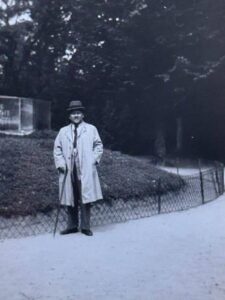
From the Shokay family archive
Mustafa Shokay was a statesman who dedicated his life to the struggle for the freedom and equality of the Kazakh people. Born in 1890 in the Syr Darya region, he showed remarkable intellectual ability and a passion for learning from an early age.

From the Shokay family archive
He studied law in St. Petersburg and was fluent in Kazakh, Russian, Turkish, and French. Equipped with deep knowledge and a strong sense of justice, Shokay devoted himself to defending the rights of his people.
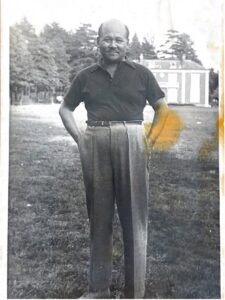
From the Shokay family archive
Amid the political transformations of 1917, Shokay emerged as a leading advocate for the future of Turkestan. He played a central role in the establishment of the Turkestan Autonomy, envisioning a homeland where Kazakhs and other Turkic peoples could live freely and with equal rights.

From the Shokay family archive
Although this vision was never fully realized, Shokay continued his mission in exile following the rise of Soviet power. Living in Europe, he remained deeply connected to his homeland, publishing newspapers and journals, writing influential works, and drawing international attention to the struggles of the Turkic world. Mustafa Shokay passed away in 1941, yet his ideals of freedom, dignity, and national self-determination continue to resonate today.