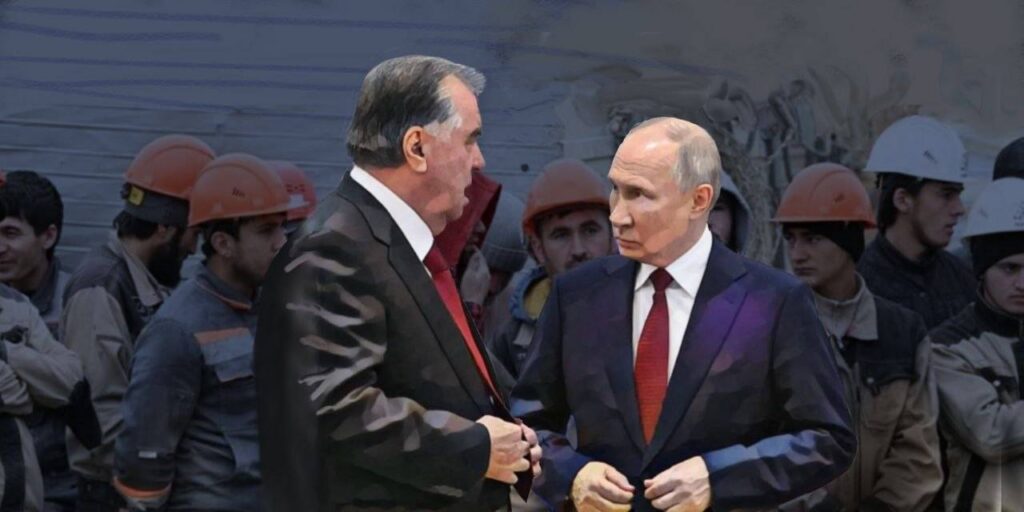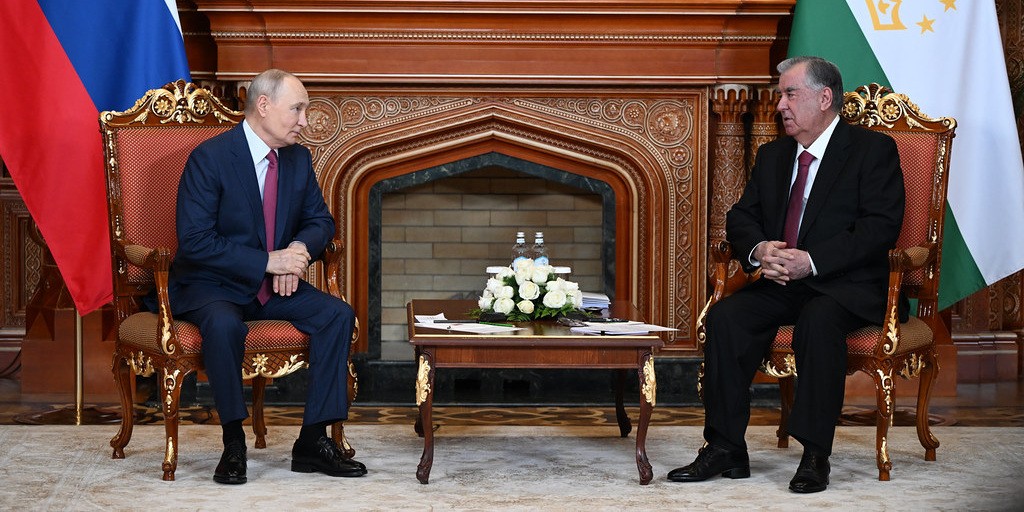
Few issues weigh on Tajikistan as heavily as the fate of its migrant workers, and it was high on the agenda when Presidents Emomali Rahmon and Vladimir Putin met in Dushanbe on November 20. Also on the table were bilateral relations, regional security, and economic cooperation. The talks followed the APEC Economic Leaders’ Meetings in Shenzhen and, by only four days, the European Union’s decision to sanction Unistream, a Russian bank and money-transfer service that Tajik migrants depend on to send earnings home.
Rahmon described Russia as a “strategic partner and reliable ally” and expressed his interest in discussing bilateral relations and international and regional issues in greater depth.
Migration and the Economy
According to World Bank data, remittances equaled 57.7% of Tajikistan’s GDP in 2025, the highest share for any country in the world.
On November 16, the EU froze the assets of Unistream, a Russian commercial bank that operates the international money-transfer system of the same name, widely used by Tajik migrants to send earnings home. The measures bar EU entities from making funds available to it. The bank said it contests the EU’s allegations.
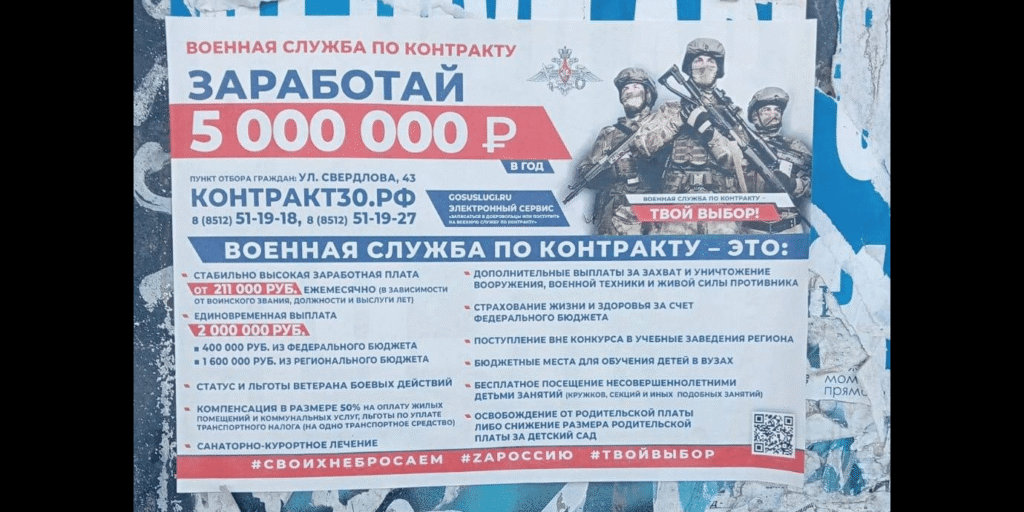
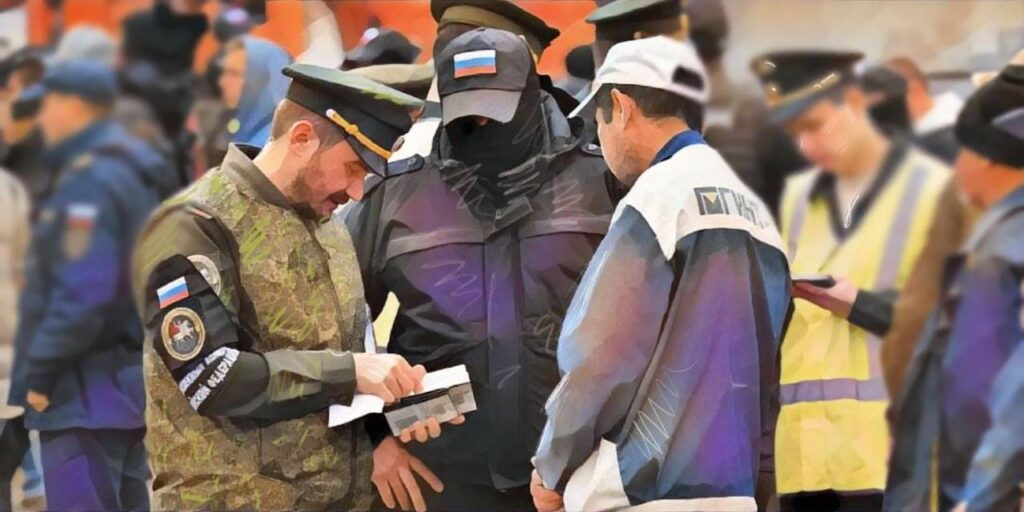
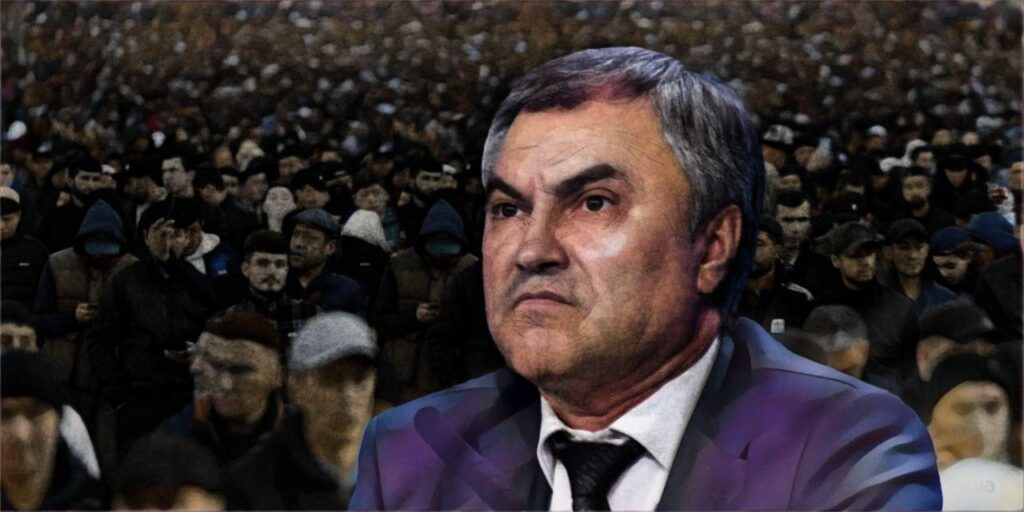
The presidents stressed the need to keep addressing migration issues, but the Tajik president’s press service gave no details or agreements, Asia-Plus reported. Putin said in October 2025 that more than one million Tajik citizens were employed in Russia. More than 494,500 Tajik citizens made work-related entries into Russia in the first half of 2026, according to TASS. Meanwhile, about 160,000 Tajik citizens, including roughly 25,000 minors, were on Russia’s register of controlled persons, which lists foreigners with no legal grounds to stay, Tajikistan’s deputy labor minister said in July.
Security and Afghanistan
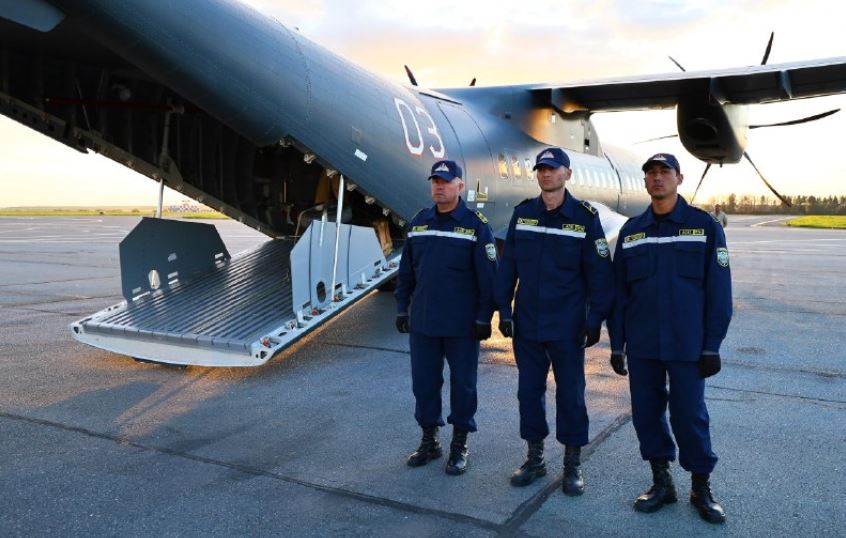
Putin told Rahmon he would brief him on the APEC summit in Shenzhen. He had said earlier that he would also report on Deputy Prime Minister Alexei Overchuk’s trip to Afghanistan. He said the leaders could also discuss regional security and Russia’s 201st Military Base in Tajikistan separately, outside the framework of the Collective Security Treaty Organization. Following the talks, Peskov said Rahmon had described security incidents and smuggling along Tajikistan’s border with Afghanistan. He said a degree of stability remained and emphasized cooperation between border and intelligence services.
Putin said he had invited senior Moscow officials, including Marat Khusnullin, the Russian co-chair of the intergovernmental commission, and Defense Ministry representatives, to discuss military cooperation. Peskov later said both leaders supported the continued presence of Russia’s 201st Military Base, its largest military installation abroad. He said they also held separate talks with military officials, including military intelligence chief Igor Kostyukov.
Trade and Broader Ties
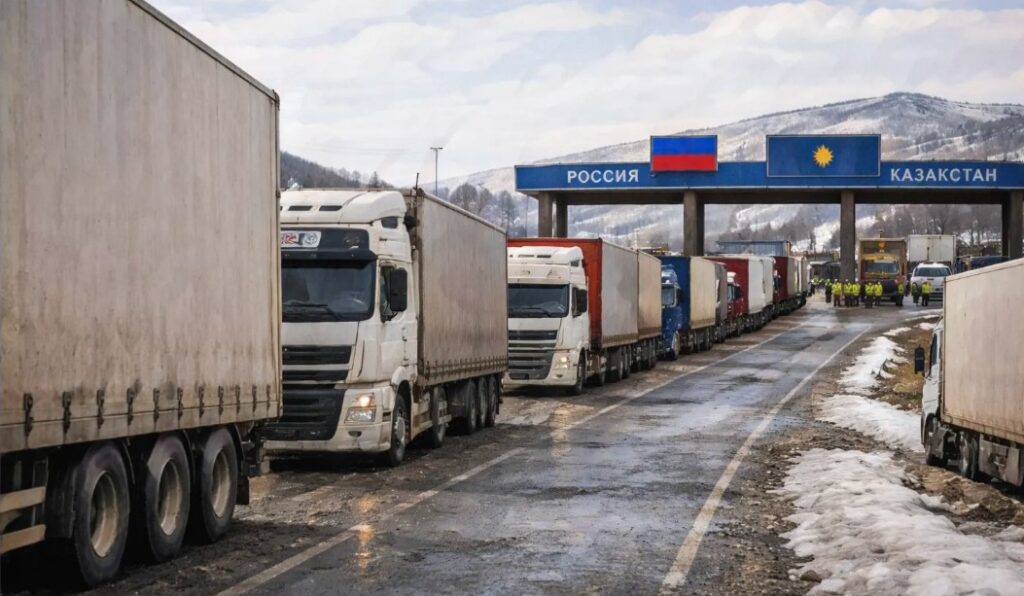
Putin said bilateral trade grew by more than 25% in 2025 and by nearly 19% in the first nine months of 2026, and that more than 70 Russian regions cooperate with Tajikistan, Asia-Plus reported. The leaders also discussed energy, industry, mining, agriculture, transport and investment, as well as the construction of a Russian drama theater in Dushanbe. Putin thanked Rahmon for his attention to the Russian language, saying, “We value this very much.”
Dushanbe is also maintaining contacts with Washington. On November 18, Rahmon met U.S. Deputy Secretary of State Christopher Landau, who also held talks with Foreign Minister Sirojiddin Muhriddin. Rahmon’s meeting covered mining cooperation, U.S. business opportunities in information technology and artificial intelligence, and security ties. No new agreements were announced.