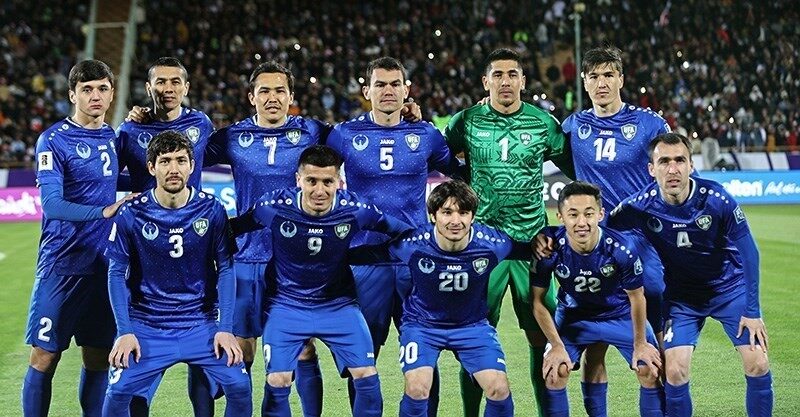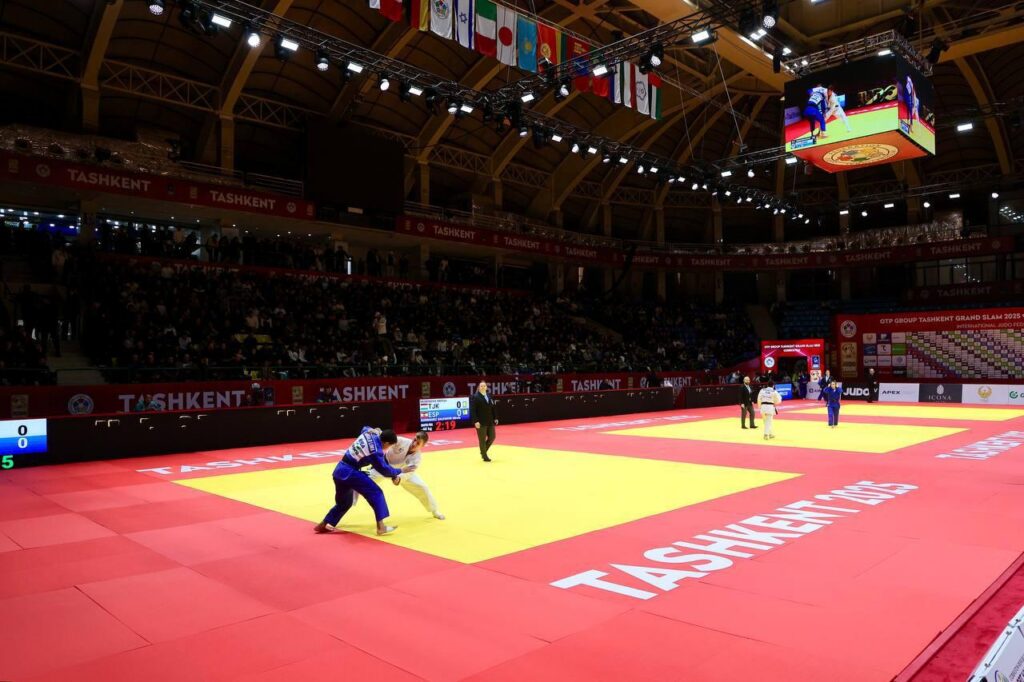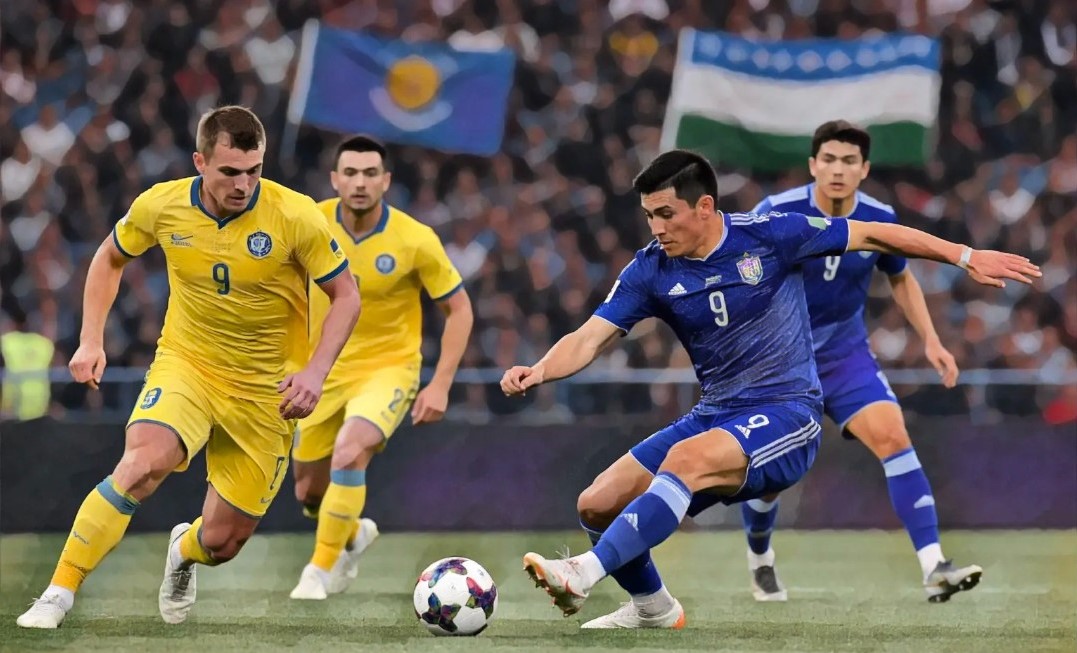
The Uzbekistan national football team has qualified for the 2026 World Cup, which will take place across three North American countries: the U.S., Canada, and Mexico. Meanwhile, one of Kazakhstan’s leading clubs, FC Kairat Almaty, continues to gain experience competing in the UEFA Champions League. Football in Central Asia has become a mirror of the region’s growing economic and political ambitions, with Uzbekistan and Kazakhstan at the forefront. Their rivalry, which dates back to the Soviet era, has adapted to this new chapter.
Kazakhstan and the Road to Europe
Matches between Almaty’s Kairat and Tashkent’s Pakhtakor were once marquee events during the Soviet era, filling stadiums and energizing fans across the republics. Following the collapse of the USSR, however, the footballing paths of these two historical rivals began to diverge.
Initially, both Kazakhstan and Uzbekistan joined the Asian Football Confederation (AFC), which includes countries from across Asia and parts of the Pacific, including former Oceania Football Confederation members such as Australia and Guam.
Kazakhstan became a full member of the AFC in 1992, followed by Uzbekistan in 1994. However, Kazakhstan soon grew disillusioned with the level of competition within the AFC and began to explore other avenues. Its early attempts to join UEFA were rebuffed in the mid-1990s. Rakhat Aliyev, then head of the Football Union of Kazakhstan and son-in-law of former President Nursultan Nazarbayev, later described the process as being dismissed “without really getting to the heart of the matter.”
Despite this, both Kazakhstan and Uzbekistan quickly showed they were a cut above most AFC members at the time. Kazakhstan won the inaugural Central Asian Cup in 1992, while Uzbekistan claimed gold at the 1994 Asian Games in Hiroshima, defeating China 4-2 in the final.
Eventually, Kazakhstan succeeded in joining UEFA. Spearheaded by Aliyev, the Football Union of Kazakhstan (FSC) lobbied hard for admission, culminating in meetings with FIFA and UEFA presidents Lennart Johansson and Joseph Blatter in Moscow in late 2000 and early 2001. The AFC issued a statement on May 10, 2001, allowing Kazakhstan to make its own decision, and five days later Johansson confirmed that UEFA would welcome Kazakhstan as its 52nd member.
“Joining UEFA has given all of us who work in football a powerful boost,” Aliyev said at the time. “We will strive to use this momentum to raise the level of our national football.”
Uzbekistan and the Central Asian Football Association
Unlike Kazakhstan, Uzbekistan chose to remain in the AFC, where it has steadily risen in prominence. In 2014, it became a founding member of the Central Asian Football Association (CAFA), a regional sub-group within the AFC. Officially operational since 2015, CAFA also includes Afghanistan, Iran, Kyrgyzstan, Tajikistan, and Turkmenistan. The organization is currently chaired by Rustam Emomali, son of Tajik President Emomali Rahmon.
Uzbekistan is ranked second in the CAFA, behind Iran, and has consistently reached the quarterfinals of the AFC Asian Cup in 2004, 2007, 2015, and 2023. Much of this success is due to sustained investment in youth development, training systems, and football infrastructure.
“Uzbekistan is the best country in Central Asia in terms of football development,” said former Kyrgyz national team coach Alexander Krestinin, who currently manages a club in Tashkent.
These efforts culminated in a historic moment: Uzbekistan qualified for the 2026 World Cup. A goalless draw with the UAE in the ninth round of the third stage of Asian qualifiers secured second place in Group A with 18 points, clinching a direct berth with a game to spare.
Though it remains to be seen how the team will perform in North America, experts widely regard this iteration of the national team as its strongest ever. Former head coach Srečko Katanec, a seasoned Slovenian tactician, spent four years building a disciplined, tactically mature squad with a strong youth foundation. Fabio Cannavaro, the former Italy captain and 2006 Ballon d’Or winner, will lead Uzbekistan at the 2026 World Cup
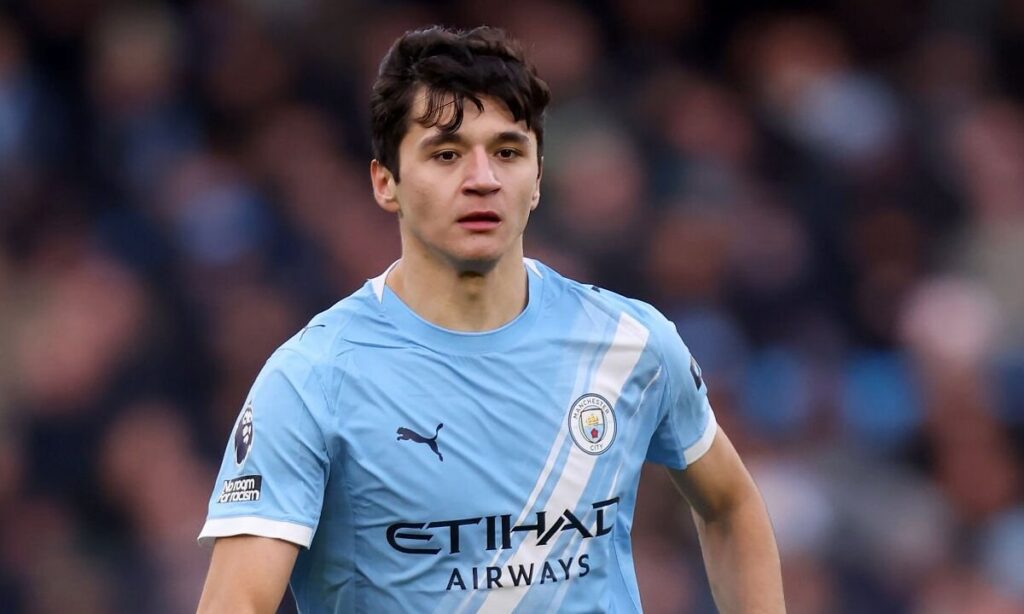
Key players include defender Abdokadir Khusanov, who plays for Manchester City, attacking midfielder Abbosbek Faizullaev of CSKA Moscow, Roma striker Eldor Shomurodov, and creative midfielder Oston Urunov, currently with Persepolis in Iran.
“Compared to Kazakhstan, Uzbekistan has made great strides in football development. They were the first in Central Asia to reach the World Cup, and Khusanov is now playing in the English Premier League,” noted Andrei Kanchelskis, the former Manchester United and Russia winger who has coached in both Uzbekistan and Kazakhstan. “Yes, Kazakhstan has some good players, but persistent problems hinder progress. Uzbekistan’s infrastructure is now among the best in the post-Soviet space.”
Kanchelskis’ assessment may sting for Kazakh fans, but FIFA rankings echo his sentiment. Uzbekistan currently sits at 50th in the world, while Kazakhstan lags at 114th, just ahead of Mauritania.
At least for now, this round of the Central Asian football rivalry appears to go to Uzbekistan.